
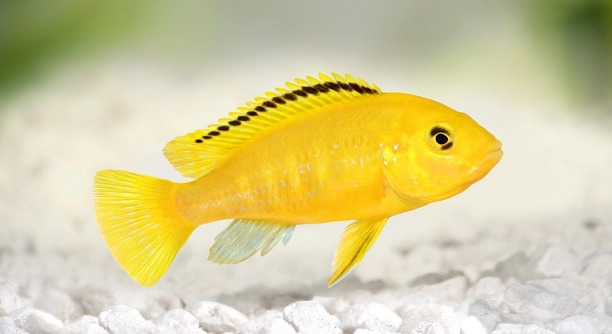
Cichlids are fascinating fish, often showing strong reactions to small changes in their environment. Observing their behavior can be rewarding, especially when small adjustments lead to noticeable differences in their daily interactions.
Small movements, subtle shifts, and minor adjustments in their tank environment can provoke significant behavioral responses in cichlids. Changes in placement, lighting, or feeding routines are all capable of triggering these reactions in measurable ways.
Learning how small actions affect your cichlids helps improve their care and enhances your experience as an attentive fishkeeper. Understanding these triggers provides valuable insight into their natural instincts and needs.
Small Changes in Tank Layout
Rearranging decorations or moving rocks slightly can catch a cichlid’s attention immediately. These fish are highly territorial, and even minor changes in their environment can alter their behavior. Adding a new hiding spot or shifting the position of plants encourages exploration and may reduce stress in shy fish. However, too much disruption can lead to aggression, so it’s important to make changes gradually. Observing their reactions helps identify preferred areas in the tank. Over time, small layout adjustments can foster natural behaviors like guarding territory, exploring new spaces, and interacting with other fish. Maintaining balance between variety and stability ensures cichlids feel secure while remaining active. Even subtle shifts, like turning a decoration or moving a rock slightly, can trigger investigation. These small environmental cues support mental stimulation and contribute to overall health. Cichlids respond quickly to changes, making layout management a practical way to influence daily behavior.
Minor modifications in tank structure often provoke immediate exploratory or defensive responses. Fish assess alterations carefully before resuming routine activities.
Gradually testing different layouts allows you to see which arrangements reduce conflict and promote natural activity. Tracking reactions over several days helps refine placement decisions. You’ll notice that some fish become more confident near certain rocks or plants, while others may prefer open areas. Documenting these preferences ensures future changes support their comfort and well-being.
Feeding Patterns and Timing
Consistent feeding schedules create predictable behavior in cichlids.
Altering feeding times or introducing new food types can cause noticeable reactions. Fish may become more alert, competitive, or curious depending on changes. Feeding strategies influence hierarchy and energy levels in the tank. By observing responses, adjustments can be tailored to maintain balance and reduce stress, improving the health and engagement of every fish. Consistent patterns also help avoid overeating and reduce food waste, which benefits water quality and tank stability. Small variations in timing, such as shifting by an hour or two, often produce visible excitement or investigation behaviors. Similarly, adding variety in textures or colors of food encourages natural foraging instincts. Recognizing individual fish preferences ensures that everyone receives proper nutrition while maintaining harmony in the tank. Careful observation during feeding helps reinforce positive interactions and prevents dominance struggles. Using these techniques consistently allows you to shape behavior gently, supporting both physical health and mental stimulation for cichlids, while creating a calmer, more predictable tank environment.
Light and Shadow Changes
Adjusting the lighting in a tank can cause quick reactions from cichlids. Bright spots or shaded areas influence where they swim and how they interact with each other.
Sudden changes in light levels often lead to cautious behavior at first. Fish may hide or stick close to familiar objects until they adjust. Gradually increasing or decreasing brightness allows cichlids to explore without stress. Shadows created by decorations or plants can encourage natural hunting or territorial instincts. Monitoring how each fish reacts helps determine the preferred lighting balance for the tank. Proper lighting not only affects mood and activity but also impacts plant growth and overall tank aesthetics. Using timers to simulate natural day and night cycles keeps behavior predictable and healthy. Fish become more confident and active when the environment feels consistent yet stimulating.
Light shifts also affect color visibility, which can change dominance and mating behaviors. Cichlids often use visual cues to communicate, so lighting adjustments subtly influence interactions.
Water Flow Adjustments
Small changes in water movement influence cichlid activity immediately. Moderate currents encourage swimming, while calm zones allow resting.
Varying water flow in different areas of the tank helps satisfy different needs. Some cichlids enjoy strong currents that simulate river conditions, promoting exercise and reducing boredom. Others prefer quieter zones near plants or rocks for resting or feeding. Adjusting filter output or adding a gentle air stone creates these microenvironments without causing stress. Observing how fish respond helps you optimize flow for health, activity, and territorial behavior.
Water flow also affects oxygen distribution, waste removal, and temperature consistency. Consistent circulation ensures all areas of the tank remain healthy and suitable for cichlid activity. Careful tuning of flow encourages exploration and keeps the fish engaged, while reducing aggression caused by overcrowded or stagnant areas.
Introducing New Hiding Spots
Adding small caves or plant clusters gives cichlids places to retreat and explore. These spots reduce stress and encourage natural behavior without overcrowding the tank.
Fish quickly investigate new shelters, testing boundaries and establishing territory. Placement affects interaction, with some areas becoming preferred hangouts while others remain largely unused.
Slight Temperature Shifts
Changing water temperature slightly can stimulate activity. Warmer areas encourage movement and feeding, while cooler zones provide rest. Carefully timed adjustments influence energy levels and behavior patterns.
Subtle Water Chemistry Tweaks
Minor adjustments in pH or hardness can change how cichlids interact with their environment. Even small shifts are sensed quickly, affecting mood, activity, and overall responsiveness. Maintaining stability while making controlled tweaks supports healthy development and natural instincts.
Background and Surroundings
A new tank background or rearranged décor draws attention. Visual changes create curiosity and engagement, subtly influencing movement and territorial behavior.
FAQ
How do small movements in the tank affect cichlids?
Cichlids notice even minor changes in their environment. A slightly shifted rock, new plant, or added decoration can trigger exploration, territorial displays, or temporary stress. They are naturally alert and assess new elements carefully before resuming normal activity. Gradual adjustments help them adapt without conflict.
Can changing feeding times really impact behavior?
Yes, feeding schedules influence cichlids’ alertness and interactions. A slight shift in timing may cause increased activity, competition, or curiosity. They learn patterns quickly, and consistent feeding helps reduce stress while supporting proper nutrition and predictable behavior throughout the day.
Do cichlids respond to lighting adjustments?
Light intensity and shadow areas directly affect movement and mood. Brighter zones encourage activity, while shaded spaces offer resting or hiding spots. Sudden changes may initially cause caution, but gradual alterations allow exploration, play, and natural interactions without undue stress.
Will adding hiding spots make fish less aggressive?
Providing caves, plant clusters, or shelters often reduces aggression. Fish can retreat or claim territories without constant confrontation. Each cichlid may prefer different zones, so placing multiple options ensures all individuals have access to safe spaces, lowering stress and balancing tank dynamics.
How sensitive are cichlids to water flow changes?
Cichlids react quickly to changes in current. Stronger flow encourages swimming and exercise, while calmer areas allow resting. Adjusting filter output or introducing gentle currents creates microenvironments that support both active and shy fish, improving health and reducing dominance-related stress.
Does water chemistry impact their reactions?
Small shifts in pH, hardness, or temperature affect mood, activity, and responsiveness. Fish sense even subtle differences, so careful monitoring is essential. Controlled changes can simulate natural conditions, encourage foraging, or activate natural instincts without risking health or stability.
Can rearranging the tank background influence behavior?
Yes, new backgrounds or décor placements capture attention and trigger investigation. Visual changes stimulate curiosity and exploration, allowing fish to navigate the environment differently. These subtle adjustments can improve engagement and reduce boredom, especially in tanks with limited space.
How do cichlids react to new tank mates?
Introducing new fish triggers territorial and social responses. Minor movements, posture changes, and inspection behaviors occur as residents assess newcomers. Gradual introductions with visual separation at first reduce stress and help establish hierarchy without excessive aggression.
Are cichlids affected by temperature variations?
Even small temperature differences influence energy levels and feeding behavior. Slightly warmer zones encourage movement and activity, while cooler areas promote rest. Consistent monitoring ensures these shifts remain safe, stimulating natural behaviors without causing distress or illness.
How long does it take for cichlids to adjust to changes?
Adjustment time varies by species, age, and personality. Some fish respond in hours, while others need days. Observing behavior during transitions ensures changes are beneficial. Gradual implementation allows fish to explore safely, maintain health, and develop predictable routines within their tank.
Do cichlids remember small changes in their tank?
Yes, cichlids have strong spatial memory. They recall preferred hiding spots, feeding zones, and territorial boundaries. Repeated minor adjustments can reinforce natural behaviors or encourage exploration, making them more engaged and active in a consistently stimulating environment.
Can these small moves improve overall tank health?
Implementing small adjustments thoughtfully supports fish well-being and activity. Properly balanced changes reduce aggression, encourage exercise, and promote mental stimulation. Attention to layout, feeding, lighting, and flow ensures cichlids thrive, stay healthy, and exhibit more natural, observable behaviors daily.
Caring for cichlids involves paying attention to many small details that influence their behavior and well-being. Even minor changes in the tank can have noticeable effects on their activity, interactions, and mood. By adjusting things like tank layout, lighting, hiding spots, or water flow, you can create an environment that encourages natural behaviors while keeping stress levels low. These small moves may seem simple, but they play an important role in maintaining a healthy and balanced tank. Observing how your cichlids react to these adjustments helps you better understand their preferences and personalities. Over time, you can use these insights to refine the tank setup, feeding routines, and overall care. Small adjustments do not have to be disruptive if introduced gradually. For example, moving a plant slightly or shifting a rock may trigger exploration or temporary territorial behavior, but if done carefully, these actions can lead to a more engaging and dynamic environment. This approach allows you to support both physical and mental health without creating unnecessary stress.
Cichlids are naturally alert and responsive to their surroundings. They rely on visual cues, territory, and social hierarchy to navigate their environment, so even subtle modifications can have a big impact. Changes in lighting, water flow, or temperature can influence activity levels and energy. Introducing new hiding spots or rearranging decorations can reduce aggression by providing secure areas for retreat. Altering feeding schedules or types of food encourages curiosity and natural foraging instincts. By combining multiple small adjustments, you can create a stimulating yet stable habitat that meets both the physical and psychological needs of your fish. Paying attention to their responses allows you to fine-tune each element. Consistency matters, but small, thoughtful variations help prevent boredom and encourage natural exploration. Over time, cichlids become more active, confident, and engaged when their environment is both safe and interesting.
The cumulative effect of these small changes is significant. Thoughtful tank management improves overall health, reduces stress-related behaviors, and strengthens natural instincts. Observing reactions carefully allows you to make adjustments that are beneficial rather than disruptive. Each fish may respond differently, so it is important to monitor behavior closely and adjust accordingly. A stable environment combined with gentle variation supports both the social and physical needs of cichlids. Even minor improvements, like adding a small cave or adjusting water flow slightly, can lead to noticeable positive outcomes. Maintaining balance, providing stimulation, and offering secure spaces ensures your cichlids thrive. By focusing on small, manageable moves, you can create a tank that encourages natural behavior, promotes well-being, and makes caring for these fish a more rewarding and effective experience.

Hello,
If you enjoy the content that we create, please consider saying a "Thank You!" by leaving a tip.
Every little bit helps us continue crafting quality advice that supports the health, happiness, and well-being of pets around the world, for pets of all shapes, sizes, and species.
We really appreciate the kindness and support that you show us!