
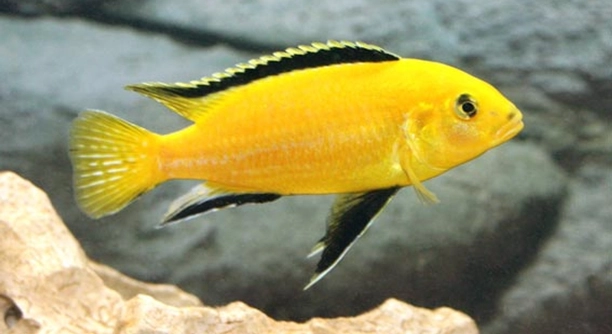
Many fish enthusiasts enjoy keeping cichlids and often notice differences between males and females. Observing their behaviors can be fascinating, but sometimes assumptions about their actions may not always be accurate or supported by evidence.
Male and female cichlids exhibit a range of behaviors influenced by species, environment, and social dynamics. Common beliefs about distinct gender-based behaviors are often exaggerated or incorrect, making it important to understand these patterns scientifically rather than rely on anecdotal assumptions.
Learning the truth about cichlid behavior helps create a healthier aquarium environment. These insights can improve interactions, care, and overall enjoyment for both beginner and experienced hobbyists.
Myth 1: Males Are Always Aggressive
Many people believe that male cichlids are naturally aggressive while females remain calm. In reality, aggression depends more on the species, tank size, and social structure than gender. Males may display dominant behavior during breeding or when defending territory, but females can also show aggression, especially when guarding eggs or fry. Stress, overcrowding, and lack of hiding spaces often increase aggressive actions in both genders. Observing individual personalities is more useful than relying on gender assumptions. Some males are surprisingly peaceful, while some females can become highly territorial. Environmental factors like water quality and enrichment also influence behavior. Providing a balanced habitat with proper hiding spots and space can reduce conflict. Understanding aggression in cichlids requires attention to context rather than following myths. Both males and females can thrive when their needs for territory, safety, and social interaction are met, making careful observation key to maintaining harmony in the aquarium.
Aggression is not strictly a male trait. Both genders can display territorial or protective behavior depending on their circumstances and environment.
Awareness of these behavioral patterns helps you design a more stable tank. By providing sufficient hiding spaces, monitoring interactions, and maintaining a clean, enriched habitat, you can reduce fights and stress. Recognizing that aggression is situational rather than purely gender-based allows for better long-term care. This knowledge improves both fish health and overall enjoyment of your aquarium. Paying attention to individual fish and their responses to the environment ensures that both males and females coexist peacefully, fostering a calmer and more engaging setting for observation.
Myth 2: Females Are Always Passive
It is commonly thought that female cichlids remain passive and rarely challenge males. In reality, females often assert dominance, especially in breeding situations or when protecting territory. Passivity is not guaranteed by gender.
Female cichlids demonstrate strong protective instincts, particularly when eggs or fry are present. In some species, females actively defend territory or even chase males that approach too aggressively. Their interactions with tankmates can involve subtle dominance displays or occasional confrontations. Environmental stressors, such as overcrowding or inadequate hiding spaces, can heighten female assertiveness. Misinterpreting these behaviors as unusual or problematic often stems from expecting a stereotypical gender role. Observing social dynamics and providing proper habitat structure allows females to express natural behaviors without causing excessive conflict. By understanding that females can be assertive, aquarists can better plan tank setups, pairing strategies, and breeding management. Respecting female cichlids’ capabilities contributes to healthier fish interactions and more successful breeding outcomes. The key is to focus on behavior patterns rather than preconceived ideas about gender.
Myth 3: Males Always Build Nests
Not all male cichlids build nests. Nesting behavior depends on species, age, and breeding condition. Some males focus on territory defense or courting females without creating elaborate structures. Assuming nesting is universal can lead to misunderstandings of their behavior.
Some species of cichlids, like certain South American types, rarely build physical nests. Instead, males may clean flat surfaces or create small pits in the substrate to attract females. Others focus on guarding specific areas, ensuring no intruders disturb potential breeding sites. Environmental conditions, including substrate type and water quality, influence whether males display nesting behaviors. Observing the species’ natural tendencies is crucial to understanding what to expect. Ignoring these differences can create unrealistic expectations about male roles in the tank.
Males may also display behaviors similar to nesting without actual construction. They can circle, dig shallow depressions, or mark territory to signal readiness to breed. These actions are often misinterpreted as nest building. Recognizing that not every male engages in visible nest creation helps you adjust care and management strategies. Tank design, such as providing open spaces or flat surfaces, allows males to express natural behaviors appropriately. Understanding these distinctions supports breeding success and reduces frustration when expected behaviors do not appear.
Myth 4: Females Never Compete for Mates
Female cichlids can compete for mates, especially in densely populated tanks or limited breeding opportunities. They are not always submissive, and competition can be subtle or aggressive depending on the species and environment.
Competition among females often involves displays, chasing, or posturing rather than physical fights. In some species, dominant females secure better spawning sites or gain access to preferred males. These interactions can be influenced by tank size, social hierarchy, and availability of hiding spots. Overcrowding or lack of enrichment may intensify competition, making behaviors more noticeable. Understanding female competition helps in planning tank structure, selecting compatible pairs, and monitoring social dynamics to avoid excessive stress.
Ignoring female competition can lead to unexpected conflicts or stress in the aquarium. When multiple females are present, observing how they interact with one another and with males is essential. Dominant females often influence breeding success by controlling access to males or specific territories. Providing sufficient space, multiple hiding spots, and structured territories reduces tension and allows females to display natural behaviors without causing constant fights. Recognizing these interactions ensures a balanced social environment, encouraging healthier fish and smoother breeding outcomes.
Myth 5: Males Are Always Larger
Male cichlids are often thought to be bigger than females, but size differences vary by species. Some females grow as large as males, and environmental factors like diet and tank conditions play a significant role in growth.
Assuming males are always larger can mislead tank management and breeding expectations. Both genders may reach similar sizes if provided equal nutrition and proper space. Genetics also influence growth, making size an unreliable way to determine gender. Observing physical characteristics in combination with behavior provides a more accurate assessment.
Myth 6: Females Don’t Care for Fry
Many believe female cichlids show little interest in their young. In fact, most species exhibit strong parental care, guarding eggs and fry, and guiding them to safe areas.
Myth 7: Behavior Differences Are Always Obvious
Behavioral differences between male and female cichlids are subtle and depend on the individual, species, and environment. Misinterpreting these nuances can create incorrect assumptions about gender roles in the tank.
FAQ
How can I tell the difference between male and female cichlids?
Males and females often show subtle differences rather than obvious traits. Males may have brighter colors, elongated fins, or slightly larger bodies in some species, but these features are not universal. Observing behavior, like courtship or territorial displays, alongside physical traits provides a more accurate assessment.
Do all male cichlids act aggressively toward other males?
Aggression varies widely between species and individuals. Some males are peaceful, especially in large tanks with enough space and hiding spots. Aggression is often situational, triggered by competition for mates, territory, or stress. Providing structured environments and monitoring interactions can minimize conflicts.
Are female cichlids less active than males?
Not necessarily. Females can be highly active, especially during breeding or when protecting fry. Their activity may appear less conspicuous than males performing courtship behaviors, but females are often engaged in territory defense, foraging, or social interactions.
Do males always build nests for breeding?
No, nest-building depends on species, environment, and breeding readiness. Some males may clean surfaces or dig pits without constructing elaborate nests. Others focus on defending a territory rather than building anything. Observing natural tendencies helps set realistic expectations.
Do female cichlids compete for mates?
Yes, females can compete, often through displays, posturing, or chasing. Dominant females may gain access to preferred males or prime spawning areas. Tank size, population density, and hiding spots influence the intensity of competition. Recognizing these dynamics helps maintain a balanced aquarium.
Do females take care of the fry?
In most species, females are actively involved in parental care. They guard eggs, protect fry from threats, and guide them to safe feeding areas. Male involvement varies, with some species sharing parental duties, while others leave it mostly to females.
Are behavior differences between genders always clear?
Behavioral differences are often subtle. Factors such as species, age, social hierarchy, and environment play larger roles than gender alone. Assuming clear-cut roles can lead to misunderstanding fish behavior. Close observation over time provides more reliable insights.
Can size reliably indicate gender?
Size alone is unreliable because growth depends on genetics, diet, and tank conditions. In some species, females grow as large as males. Combining size observations with coloration, fin shape, and behavior gives a more accurate gender assessment.
Does color always indicate a male?
Bright coloration is often associated with males, but not every species follows this pattern. Some females display strong colors, particularly during breeding. Relying solely on color may cause misidentification, so consider behavior and body shape as well.
How can I reduce aggression in my cichlid tank?
Providing ample space, hiding spots, and visual barriers helps reduce stress and conflicts. Observing interactions and separating overly aggressive individuals when needed maintains balance. Maintaining stable water conditions and avoiding overcrowding are also critical.
Are all males territorial?
Territorial behavior is common but not universal. Males may defend specific areas for breeding or resources, but this depends on species, tank size, and social context. Some males are less territorial, especially in spacious or well-structured environments.
Do females always stay near the nest?
Females often guard eggs or fry, but some leave briefly to forage or explore. Their protective behavior is situational and influenced by perceived threats, tank layout, and species tendencies. Understanding these patterns helps in providing appropriate care.
Can observing behavior help in breeding success?
Yes, monitoring interactions, displays, and nesting behavior is essential for breeding. Recognizing dominant individuals, assessing compatibility, and providing safe spawning sites improve outcomes and reduce stress on both males and females.
Do environmental factors affect male and female behavior equally?
Both genders respond strongly to tank size, structure, water quality, and social dynamics. Poor conditions can increase aggression, stress, and territorial disputes, while well-maintained environments allow natural behaviors to be expressed more safely and visibly.
Is it important to separate cichlids based on gender?
Not always. Separation is only necessary if aggression, competition, or breeding control becomes problematic. Many males and females coexist peacefully in structured environments when provided proper hiding spots, space, and enrichment.
Do personality traits matter more than gender?
Absolutely. Individual temperament often dictates behavior more than gender. Some males are calm and non-aggressive, while some females are assertive or dominant. Observing each fish’s personality allows better tank management and more predictable interactions.
Can male and female behavior change with age?
Yes, age influences activity, aggression, and breeding behaviors. Juveniles often show less territoriality, while adults develop stronger dominance displays or parental instincts. Recognizing these changes helps anticipate interactions and adjust tank conditions appropriately.
Is it possible to keep multiple males and females together?
Yes, with proper tank size, structure, and monitoring. Providing hiding spots and visual barriers reduces conflict. Observing interactions and adjusting numbers as needed helps maintain balance and allows natural behaviors to occur without excessive stress.
Do breeding behaviors always follow gender stereotypes?
No, breeding roles vary by species and individual. Males may guard fry in some cases, and females may compete for mates. Assuming strict roles can lead to mismanagement or stress. Observing actual behavior ensures better care.
How can I encourage natural behaviors in my cichlids?
Provide a well-structured tank with adequate hiding spaces, open areas for displays, and appropriate substrate for digging or spawning. Maintain stable water conditions, offer varied food, and avoid overcrowding to allow both males and females to express their natural behaviors safely.
Are there signs of stress that differ between genders?
Both genders show stress through hiding, loss of appetite, or increased aggression. However, females may become more protective or restless around fry, while males may intensify territorial displays. Recognizing these subtle signs helps prevent conflicts and maintain health.
How often should I monitor cichlid interactions?
Daily observation is ideal. Short, consistent checks allow you to notice changes in behavior, signs of aggression, or stress before they escalate. Tracking interactions helps identify dominant individuals and adjust tank conditions for a balanced environment.
Do tank size and layout impact male and female behavior differently?
Yes, larger tanks with structured layouts reduce conflicts and allow natural behaviors. Both genders benefit from space and enrichment, but males often need territory boundaries, while females need hiding spots to avoid harassment or compete safely.
Can diet influence behavior differences?
Proper nutrition affects growth, coloration, and energy levels, which in turn influence behavior. Both males and females display more natural behaviors with a balanced diet. Overfeeding or poor-quality food can increase stress, aggression, or lethargy.
Is it important to know the species before predicting behavior?
Absolutely. Each cichlid species has unique social structures, breeding behaviors, and aggression levels. Knowing species-specific tendencies allows accurate expectations for male and female interactions and helps design an environment that suits their natural behavior.
Can observing breeding behavior reveal gender roles?
Yes, watching courtship, nest guarding, and fry care often clarifies gender roles in a specific species. However, flexibility exists, and individual personalities may influence behavior more than stereotypical gender patterns.
Does water quality affect male and female behaviors differently?
Both genders are sensitive to poor water conditions. Stress from ammonia spikes, improper pH, or temperature fluctuations can increase aggression, reduce feeding, and disrupt breeding behaviors. Maintaining optimal water quality is critical for healthy interactions and natural behavior expression.
How long does it take to accurately understand male and female behavior?
Observation over several weeks is often needed to identify patterns. Short-term behavior may be misleading due to stress, acclimation, or social adjustments. Consistent monitoring ensures more accurate understanding of individual personalities and interactions.
Are there behaviors that are unique to males or females?
Some behaviors are more common but not exclusive. Males may display courtship dances or territory marking, while females often guard eggs or fry. These tendencies are not strict rules; exceptions exist, highlighting the importance of observing each fish individually.
Can introducing new fish change male and female dynamics?
Yes, adding new individuals can disrupt established hierarchies, trigger aggression, or cause competition for mates. Careful introduction, proper acclimation, and monitoring interactions help maintain a stable environment without stressing existing males and females.
Do hiding spots benefit males and females equally?
Yes, hiding spots reduce stress, allow retreat from aggression, and support natural behaviors. Males can establish territories around them, while females use them to escape harassment or protect fry, promoting balance and reducing conflict in the tank.
Is it possible for one gender to dominate the tank entirely?
Dominance depends on individual temperament, species, and environment. Some females or males may assert control over territory, food access, or breeding opportunities. Proper tank management, structured spaces, and population balance minimize domination and ensure fair access for all fish.
How can I document behavior differences effectively?
Keeping a simple log of daily observations, noting displays, aggression, feeding patterns, and breeding actions helps track gender differences. This method allows you to identify trends, adjust care strategies, and anticipate interactions, providing better long-term management for both males and females.
Are there common mistakes when interpreting gender behavior?
Yes, assuming all males are aggressive or all females are passive leads to mismanagement. Misreading temporary stress, overcrowding effects, or environmental influences as gender-based behavior is also common. Focus on patterns, species traits, and individual differences for accurate interpretation.
Do male and female cichlids react differently to tank changes?
Responses vary individually. Males may show more territorial aggression, while females may become protective or restless around fry. Sudden rearrangements, water changes, or new fish introductions can temporarily alter behavior, highlighting the need for gradual adjustments.
Can observing behavior improve breeding success?
Absolutely. Noting courtship, territory defense, and fry care helps predict compatible pairs, optimize tank conditions, and reduce stress. Understanding behavior patterns ensures healthier fish and higher chances of successful spawning.
Is it normal for male and female behaviors to overlap?
Yes, many behaviors, such as aggression, territory defense, and parental care, occur in both genders. Overlap is species-dependent and influenced by individual temperament, highlighting that rigid gender assumptions are rarely accurate.
Do stress levels impact behavior more than gender?
Often, yes. Stress from overcrowding, poor water conditions, or social conflict can overshadow gender tendencies. Observing and reducing stress is crucial to maintaining natural behaviors and harmonious tank interactions.
Can behavior observation replace physical sexing methods?
Not entirely. While behavior gives strong clues, physical characteristics like fin shape, coloration, or genital papilla are needed for accurate sex identification. Combining both approaches gives the most reliable results.
Does breeding season affect behavior?
Yes, both males and females may show heightened aggression, territoriality, or courtship during breeding periods. Females focus on egg and fry care, while males may intensify displays and nest defense, making seasonal context important when interpreting behavior.
Can behavior change after breeding?
Yes, post-breeding, both genders often reduce aggression and activity levels. Females may resume normal foraging, while males may relax territorial displays. Observing these shifts helps manage the tank and prepare for future breeding cycles.
Are there signs of dominance that differ between genders?
Males often assert dominance through displays, chasing, or territory marking. Females may dominate subtly through controlling access to resources or mating opportunities. Recognizing both forms helps in understanding social hierarchy and managing interactions effectively.
How long does it take for new fish to adapt?
Adaptation varies by species and temperament. Some adjust within days, while others take weeks to establish territories and social structures. Gradual introductions, hiding spaces, and careful observation ensure smoother integration for both males and females.
Can observing feeding behavior indicate gender differences?
Feeding behavior alone is rarely a reliable indicator. Both genders may compete or forage similarly, though dominant individuals may take priority. Observing interactions alongside other traits provides more accurate insights into male and female behaviors.
Do environmental enrichments influence male and female interactions?
Yes, rocks, plants, and structures reduce conflict and encourage natural behavior. Males can establish territories, while females have safe retreat spaces. Enrichment improves overall health, reduces stress, and allows both genders to express instincts safely.
Can overcrowding change normal gender behaviors?
Yes, overcrowding increases aggression, stress, and competition for mates or territory. Both males and females may behave differently under crowded conditions than in well-spaced tanks. Monitoring stocking density helps maintain balance and prevent abnormal behavior.
Do older fish behave differently from younger ones?
Yes, older fish may be less active but more dominant or protective. Younger fish are often more exploratory and less territorial. Recognizing age-related changes helps anticipate interactions and manage tank dynamics effectively.
Are there behaviors that indicate a healthy male or female?
Healthy fish actively forage, interact appropriately, display normal colors, and engage in species-typical behaviors. Males show natural displays or territory defense without excessive aggression, while females care for eggs or fry when applicable. Observing these cues supports proper care.
How can I track long-term behavior patterns?
Maintain a journal of courtship, aggression, feeding, and parental care. Note environmental changes and social interactions. Long-term tracking reveals trends, helps predict conflicts, and guides adjustments to care for both males and females effectively.
Do stress and illness mimic gender-specific behaviors?
Yes, stressed or sick fish may appear aggressive, withdrawn, or passive, misleading observers. Separating health issues from natural gender behaviors ensures proper treatment and accurate interpretation of male and female interactions.
Can male and female cichlids form bonds?
Yes, some species show pair bonding, cooperative defense, or coordinated parenting. Bonds are influenced by species, temperament, and environment. Recognizing these relationships helps support breeding success and maintain social stability.
Do water temperature changes affect behavior?
Yes, temperature shifts can alter metabolism, activity, aggression, and breeding behavior. Both genders respond to optimal temperature ranges, which are species-specific. Maintaining stable conditions ensures predictable and natural interactions.
Can observing nighttime behavior provide insights?
Yes, some behaviors, like territorial patrols or fry guarding, continue at night. Monitoring these periods offers a fuller understanding of interactions and reveals subtle differences between males and females not always visible during the day.
How do I handle aggressive males toward females?
Provide hiding spots, visual barriers, and sufficient space. Monitor interactions closely, and separate individuals if harassment becomes harmful. Structured environments allow males to display natural behaviors without compromising female safety or well-being.
Are certain species more predictable in gender behavior?
Yes, some cichlids, like certain African types, show consistent male and female roles. Others are more flexible, with overlapping behaviors. Knowing species tendencies aids in anticipating interactions and managing tank dynamics.
Can behavior observation help with hybrid prevention?
Yes, by recognizing dominant males, female preferences, and mating tendencies, you can separate incompatible species or pairs. Observation reduces accidental breeding and helps maintain pure strains.
Do males and females react differently to lights or tank changes?
Responses vary individually, but males may display more territorial or aggressive behaviors, while females may seek hiding spots or become protective. Gradual changes reduce stress and allow natural behavior expression.
Can behavior indicate readiness to breed?
Yes, males may show courtship displays, territorial defense, or nest preparation, while females may focus on egg-laying sites and fry care readiness. Observing these behaviors helps anticipate and manage breeding effectively.
Are there signs of hierarchy that only males show?
Males often assert dominance visibly through displays, chasing, or territory marking. However, hierarchy can also appear in females through competition for mates or spawning areas. Recognizing both forms ensures proper social balance in the tank.
Do males and females respond differently to social disruption?
Yes, males may become more aggressive, while females may hide, compete, or guard fry more intensely. Understanding these responses allows for careful tank management when introducing changes or new fish.
Can behavioral observation replace genetic testing for gender?
Observation helps identify patterns but is not foolproof. Genetics or physical sexing remains necessary for certainty. Combining both methods improves accuracy and avoids mistakes in breeding or tank management.
Do water chemistry changes influence gender behavior?
Both males and females respond to pH, hardness, and mineral levels. Poor water chemistry can increase aggression, reduce courtship, and stress fish. Maintaining stable conditions supports normal behavior and healthy interactions.
Is it normal for males and females to show the same behavior at times?
Yes, overlapping behaviors like aggression, territory defense, or fry care occur in both genders. Differences are often subtle, and observing multiple behaviors together provides a clearer picture of gender roles.
Can observing behavior improve long-term tank harmony?
Yes, consistent observation helps identify dominant individuals, stress signs, and social patterns. Adjusting the environment, providing hiding spots, and managing population balance improves interactions for both males and females, promoting a calmer, healthier tank.
How often should I adjust tank setup based on behavior?
Adjustments should be made when aggression, stress, or breeding conflicts appear. Providing flexible structures, hiding spots, and visual barriers ensures both genders can express natural behaviors without continuous disruption.
Are there gender behaviors that only appear in breeding conditions?
Yes, many displays, territoriality, nest building, and fry care are most pronounced during breeding periods. Outside of this, males and females may behave more similarly, highlighting the situational nature of these behaviors.
Do males and females respond differently to tank mates?
Responses depend on personality, species, and social context. Males often assert dominance or defend territory, while females may compete for resources or mates. Observing interactions helps maintain compatibility and reduce stress.
Can long-term observation reveal subtle gender traits?
Yes, tracking patterns over weeks or months allows you to see differences in displays, aggression, courtship, and parental care. Subtle traits are easier to identify with consistent, patient observation, improving care and management.
Is it common for males and females to switch roles?
In some species, flexibility exists. Females may show aggressive or territorial behaviors, while males may care for fry. Assuming fixed roles can mislead, so observing actual behavior is essential.
Does tank population density affect gender behavior?
Higher density increases competition, aggression, and stress for both genders. Providing sufficient space and resources reduces conflict and allows natural behaviors to continue safely.
Can behavior indicate health issues?
Yes, lethargy, loss of appetite, excessive hiding, or unprovoked aggression may signal illness. Observing changes in normal behavior helps identify health problems early for both males and females.
Are males always more visible than females?
Males may display more obvious courtship or territorial behavior, but females are often active in less conspicuous ways, such as guarding fry or patrolling territory. Visibility varies by species and individual temperament.
Do environmental enrichments influence breeding behavior?
Yes, structures like caves, plants, or flat surfaces support natural courtship, nest building, and fry protection. Both males and
Male and female cichlids often behave differently, but these differences are not always as clear-cut as many people assume. Observing behavior over time provides more accurate insights than relying on assumptions about gender. Factors like species, age, social hierarchy, and environment play significant roles in shaping actions. Some males may be aggressive and colorful, while others are calm and peaceful. Similarly, females can be protective, competitive, or assertive, depending on circumstances. Expecting strict gender roles can lead to misunderstandings and mismanagement in the tank. Recognizing that each fish has a unique personality is essential for creating a harmonious aquarium.
Environmental conditions greatly influence cichlid behavior, often more than gender alone. Tank size, layout, hiding spots, water quality, and population density all affect how males and females interact. Providing a well-structured tank with multiple territories, open swimming areas, and retreat spaces reduces stress and aggression. Stable water parameters and proper nutrition further support healthy behavior. Observing interactions closely allows aquarists to make adjustments before conflicts escalate. Both males and females benefit from an environment that allows them to express natural instincts, whether it is territory defense, nest building, or parental care. Careful planning and monitoring create a more balanced social dynamic in the aquarium.
Understanding cichlid behavior is a continuous process that requires patience and attention. Long-term observation reveals patterns in aggression, courtship, feeding, and fry care, which are not always obvious at first. Recognizing subtle differences between males and females helps in tank management, breeding planning, and reducing conflicts. It is important to focus on the individual fish rather than relying solely on gender stereotypes. By providing proper care, enrichment, and observation, both male and female cichlids can thrive in a healthy, balanced environment. Respecting the natural variations in behavior ensures a more enjoyable and successful experience for anyone keeping these fascinating fish.

Hello,
If you enjoy the content that we create, please consider saying a "Thank You!" by leaving a tip.
Every little bit helps us continue crafting quality advice that supports the health, happiness, and well-being of pets around the world, for pets of all shapes, sizes, and species.
We really appreciate the kindness and support that you show us!