
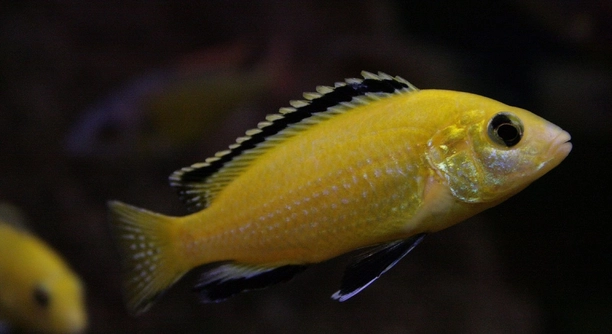
Cichlids are beautiful, lively fish that can brighten any aquarium. However, sometimes they suddenly stop eating, leaving owners concerned and unsure about what might be causing this unusual behavior in their pets.
A cichlid may refuse to eat due to a variety of reasons, including poor water quality, stress, illness, improper diet, sudden environmental changes, territorial disputes, or natural fasting patterns, all of which can affect its appetite and health.
Understanding the causes of appetite loss in cichlids can help you provide better care and maintain a healthy, thriving aquarium environment.
Poor Water Quality
Water quality is one of the most common reasons cichlids stop eating. If ammonia, nitrite, or nitrate levels are high, fish can become stressed and lose their appetite. pH imbalances or sudden temperature changes can also affect their digestive system. Even small amounts of chlorine or heavy metals can irritate gills and make feeding difficult. Regular water testing is essential. Changing only a portion of the water at a time helps prevent shock. Using a reliable water conditioner can remove harmful chemicals. Keeping the tank clean and free of uneaten food prevents bacteria buildup. Proper filtration supports oxygen levels and circulation. Cichlids are sensitive, and any sudden changes in water parameters can trigger refusal to eat. Observing your fish closely after adjustments ensures they recover and start feeding normally. Maintaining a consistent routine is crucial for their health and appetite.
Monitoring water conditions regularly helps prevent most feeding problems and supports overall fish health.
Keeping water clean is not just about appearance; it directly influences a cichlid’s desire to eat. Regular testing and partial water changes are key.
Stress from Tankmates
Aggressive or overly active tankmates can stress cichlids, making them hide or refuse food. Stress reduces energy and can lead to illness, impacting appetite.
Stress in the tank can come from overcrowding, incompatible species, or sudden movements near the aquarium. Even rearranging decorations can unsettle fish. When a cichlid feels threatened, it may retreat to corners or behind rocks, avoiding feeding areas. Consistent feeding times help create a sense of security. Using visual barriers like plants or rocks can reduce direct encounters with aggressive fish. Observing interactions during feeding helps identify which fish cause stress. Removing or separating aggressive tankmates often restores normal eating behavior. A calm, stable environment encourages natural feeding habits and supports overall well-being. Paying attention to behavior cues can prevent long-term stress and health problems. Creating a peaceful, predictable environment is essential for maintaining appetite in cichlids.
Illness or Parasites
Illness or parasites can cause a cichlid to stop eating. Common signs include lethargy, clamped fins, or visible spots. Prompt treatment is necessary to prevent further health decline and restore appetite.
When a cichlid becomes sick, its digestive system may slow down, leading to refusal of food. Bacterial infections, fungal growth, or internal parasites often result from poor water conditions or stress. Observing changes in behavior, swimming patterns, or physical appearance can help identify health issues early. Quarantining a sick fish prevents the spread of disease to other tankmates. Using medications specifically designed for cichlids, following proper dosages, and maintaining water quality supports recovery. Feeding small amounts of easily digestible food can help encourage eating once treatment begins. Regular monitoring after treatment ensures the fish regains strength and appetite.
Parasites often hide in the gut, fins, or gills, disrupting nutrient absorption. Addressing both environmental and medical factors is crucial to restore feeding habits. Consistent observation and intervention can prevent prolonged illness and support recovery in your cichlid.
Improper Diet
A diet that does not meet nutritional needs can lead to appetite loss. Offering the wrong type or size of food may cause disinterest in feeding.
Cichlids require a balanced diet suited to their species. Herbivorous species need more plant-based foods, while carnivorous types require protein-rich options. Feeding only one type of food can cause nutritional deficiencies, reducing energy and appetite. Overfeeding is another common issue, leaving uneaten food to decompose, further degrading water quality and discouraging feeding. Rotating food types and including live, frozen, or high-quality pellets can keep cichlids interested and healthy. Observing which foods your fish prefer helps ensure they receive proper nutrition. Portion control and consistent feeding schedules also promote regular eating habits. Nutritional variety supports growth, vibrant colors, and overall vitality.
Sudden Environmental Changes
Sudden changes in temperature, lighting, or tank setup can stress cichlids, causing them to stop eating. Maintaining consistency helps them feel secure and encourages normal feeding behavior.
Even small adjustments, like moving decorations or changing water temperature too quickly, can disrupt their routine. Gradual changes reduce stress and support appetite.
Territorial Disputes
Cichlids are naturally territorial, and conflicts over space can reduce feeding. Dominant fish may chase others away from food, leaving less aggressive individuals without access.
Providing plenty of hiding spots and separating aggressive fish when necessary helps maintain harmony. Observing interactions during feeding ensures all fish get adequate nutrition.
Natural Fasting Patterns
Some cichlids naturally eat less at certain times or during breeding. This behavior is normal and not always a sign of health issues.
Understanding these patterns helps avoid unnecessary concern. Adjusting feeding schedules to match their natural rhythm supports overall well-being.
FAQ
Why is my cichlid suddenly refusing food?
A sudden refusal to eat can result from stress, illness, poor water quality, or changes in the tank. Observing behavior, water parameters, and tank conditions helps identify the cause. Quick adjustments often restore normal feeding habits.
How can I tell if my cichlid is sick?
Signs of illness include clamped fins, lethargy, unusual swimming, or visible spots and lesions. Changes in appetite are also a key indicator. Early detection and treatment prevent worsening of the condition. Quarantining affected fish helps protect others in the tank.
Can water temperature affect feeding?
Yes, cichlids are sensitive to temperature fluctuations. Water that is too cold or too warm can slow metabolism and reduce appetite. Gradually adjusting the temperature to the species-specific range encourages normal feeding behavior.
How often should I feed my cichlids?
Most cichlids do well with one or two feedings per day. Overfeeding can lead to water quality problems, uneaten food, and appetite loss. Offering small portions encourages consistent eating.
What types of food are best for cichlids?
Diet depends on the species. Carnivorous cichlids need protein-rich foods like pellets, frozen shrimp, or insects. Herbivorous types benefit from vegetables and plant-based pellets. Offering a mix of live, frozen, and high-quality prepared foods keeps them interested and healthy.
Could tankmates be causing feeding problems?
Aggressive or territorial fish can prevent others from accessing food. Observing interactions and providing hiding spaces or separate feeding zones ensures all cichlids get their share.
How do I fix poor water quality issues?
Regular testing for ammonia, nitrite, nitrate, and pH is essential. Partial water changes, proper filtration, and removing uneaten food maintain a healthy environment. Conditioners can neutralize harmful chemicals and stabilize water parameters.
Do cichlids ever fast naturally?
Yes, some cichlids eat less during certain periods, especially during breeding or seasonal changes. Natural fasting is normal and temporary. Adjusting feeding times and quantities can help accommodate these patterns without concern.
What should I do if my cichlid refuses food for several days?
Extended refusal can indicate illness or serious stress. Check water quality, temperature, and tank conditions immediately. Isolate the fish if necessary, offer easily digestible foods, and consult a veterinarian or aquatics specialist for treatment.
Can stress from the environment affect appetite?
Environmental stress, including sudden changes, overcrowding, or excessive noise, can reduce feeding. Maintaining a stable, calm, and predictable environment encourages normal behavior. Use plants, rocks, and hiding spots to create a secure habitat.
How can I encourage a picky cichlid to eat?
Offer a variety of food types and textures, including live or frozen options. Feeding at consistent times and minimizing disturbances helps them feel safe to eat. Patience is key, as some cichlids take time to accept new foods.
Is it normal for cichlids to eat at different times?
Yes, individual fish may have unique feeding habits. Observing patterns and adjusting feeding schedules accordingly ensures all fish receive proper nutrition without overfeeding.
Can breeding affect appetite?
Breeding cichlids may temporarily eat less or refuse food while caring for eggs or fry. Providing a calm environment and monitoring their condition ensures they remain healthy during this period.
How important is observation in maintaining feeding habits?
Regularly watching your cichlids helps detect early signs of illness, stress, or territorial issues. Prompt response to changes in behavior or appetite supports long-term health and prevents more serious problems.
What role does tank size play in feeding behavior?
Overcrowded tanks increase stress and competition for food, reducing appetite. Adequate space, proper stocking levels, and clear territories allow cichlids to feed comfortably and reduce conflicts.
Can I use supplements to encourage eating?
Supplements like vitamins or color-enhancing foods can support nutrition, especially if the fish is picky or recovering from illness. They should complement a balanced diet, not replace it, and be used sparingly.
How long should a cichlid go without food?
Healthy adult cichlids can survive a few days without food, but prolonged refusal is a concern. Younger or sick fish need consistent nutrition. Monitor behavior, health, and water quality closely during any fasting period.
Does lighting affect feeding?
Lighting impacts activity levels. Bright or sudden light changes may stress cichlids, reducing appetite. Gradual adjustments and consistent light cycles help maintain normal feeding behavior.
Can diet variety prevent feeding refusal?
Yes, rotating food types keeps cichlids interested and provides essential nutrients. Including live, frozen, and prepared options encourages natural foraging and supports overall health.
Are there signs that indicate recovery from appetite loss?
Returning interest in food, active swimming, and normal coloration are positive signs. Gradually increasing feeding portions and monitoring for continued improvement helps ensure full recovery.
How can I prevent future feeding problems?
Maintain stable water quality, provide a balanced diet, monitor tankmates, and minimize stress. Consistent care, observation, and attention to environmental needs support long-term appetite and health in cichlids.
What if nothing seems to work?
Consult a veterinarian or aquatics specialist to check for underlying illness or environmental issues. Professional guidance can help restore feeding and prevent further health problems.
Caring for cichlids can be rewarding, but it also comes with responsibilities that directly affect their health and feeding habits. Appetite loss in these fish is usually a sign that something in their environment or care routine needs attention. Factors like water quality, stress, tankmates, diet, or illness can all influence whether a cichlid eats normally. Maintaining clean water through regular testing and partial water changes is essential. Using a reliable filtration system helps keep ammonia, nitrite, and nitrate levels low, while stabilizing pH and temperature ensures the fish feel secure. Even small fluctuations can cause stress and reduce appetite. Observing your cichlids daily for changes in behavior, swimming patterns, or appearance can help catch potential problems early. Quick intervention often prevents minor issues from becoming serious health concerns, supporting overall well-being and maintaining a balanced environment where fish can thrive.
Stress is another major factor affecting feeding habits. Aggression, overcrowding, and sudden environmental changes can make cichlids retreat and ignore food. Providing adequate hiding spots, visual barriers, and consistent routines helps reduce stress. Tankmates should be chosen carefully to avoid territorial disputes that limit access to food. During breeding periods or natural fasting times, cichlids may eat less, which is normal, but it is still important to monitor their condition. Illness and parasites can also prevent feeding, and signs such as lethargy, clamped fins, or visible spots indicate the need for prompt treatment. Quarantining sick fish and using appropriate medications, while maintaining stable water parameters, supports recovery. Balanced nutrition tailored to each species is equally important. Carnivorous cichlids require protein-rich foods, while herbivorous ones benefit from vegetables and plant-based pellets. Offering a variety of live, frozen, and prepared foods encourages natural foraging behavior and keeps the fish interested in eating.
Consistent care and observation are key to maintaining healthy feeding habits in cichlids. Monitoring water parameters, controlling stress factors, and providing a balanced diet prevent most appetite-related problems. Even when a cichlid stops eating temporarily, understanding the potential causes allows for targeted solutions. Adjusting feeding schedules, creating safe spaces, and gradually introducing dietary changes can restore normal appetite. Keeping a calm, predictable environment reduces stress and promotes confidence in feeding areas. Regular observation helps detect early warning signs of illness or discomfort, enabling timely interventions. Preventing future feeding issues is about maintaining stability in the tank and responding promptly to changes. By focusing on water quality, diet, stress reduction, and careful monitoring, cichlid owners can ensure their fish remain healthy, active, and eager to eat. Attentive care and understanding of natural behaviors create an environment where cichlids thrive, supporting long-term health and overall happiness in the aquarium.

Hello,
If you enjoy the content that we create, please consider saying a "Thank You!" by leaving a tip.
Every little bit helps us continue crafting quality advice that supports the health, happiness, and well-being of pets around the world, for pets of all shapes, sizes, and species.
We really appreciate the kindness and support that you show us!