
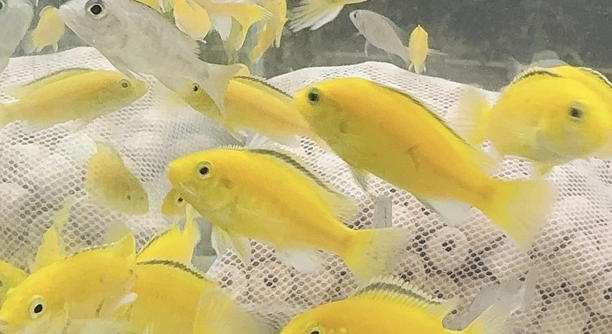
Do you ever notice small shifts in your electric yellow cichlid’s behavior before spawning? These subtle changes can be easy to miss but often signal important developments in your fish’s readiness to breed.
Before an electric yellow cichlid spawns, you may observe increased territorial behavior, slight color intensification, and more frequent cleaning of potential spawning sites. These behaviors indicate hormonal changes and preparation for reproduction, common in healthy and mature cichlids.
Watching these shifts closely can improve your understanding of their breeding habits and help create a supportive environment for successful spawning.
Spotting the Early Behavioral Shifts
Electric yellow cichlids start showing subtle behaviors before spawning. You may notice them becoming more territorial, often chasing tank mates or defending a favorite corner. They might also clean rocks or flat surfaces meticulously, preparing a safe place for eggs. Their swimming patterns can change slightly, moving in short, deliberate bursts. Pair bonding behaviors may appear, such as the male and female spending more time near each other or mirroring each other’s movements. Feeding habits can shift as well; some fish eat more aggressively, while others become picky, indicating hormonal changes. Coloration often becomes brighter, especially in males, signaling readiness to breed. Observing these details requires patience and consistency, but recognizing them helps you anticipate spawning and create the right conditions. Adjusting tank conditions like water flow, temperature, and lighting can further support their natural behaviors, allowing both the male and female to feel secure and encouraged to spawn successfully.
Being aware of these early shifts allows you to plan for breeding and ensures your cichlids feel safe and ready.
Watching the progression of these behaviors is fascinating. Territoriality peaks, cleaning intensifies, and courtship becomes more obvious. The male may display fin flares, and the female might linger near the prepared site. Noting these changes daily can help you determine the ideal time to provide extra care, like adjusting feeding schedules or checking water parameters. Supporting these behaviors is crucial for successful spawning, as stress or disturbances can delay or prevent egg-laying.
Environmental Cues That Trigger Spawning
Temperature, lighting, and water quality all influence spawning. Consistent water parameters help signal the fish that conditions are optimal for reproduction.
Adjusting the tank environment can make a significant difference. Slightly warmer water, stable pH, and gentle filtration mimic natural conditions. Providing flat rocks, caves, or shallow ledges encourages egg laying. Gradually increasing daylight hours or simulating seasonal changes can also prompt breeding behavior. Monitoring these cues ensures the fish feel secure and ready.
Electric yellow cichlids respond strongly to their surroundings. Inadequate conditions can suppress spawning behaviors, while consistent, suitable parameters encourage them. Water temperature slightly higher than usual can trigger hormonal changes, enhancing courtship displays. A clean, stable environment with minimal disturbances supports both the male and female in preparing a nesting site. Lighting that mimics natural daylight cycles helps regulate their internal clocks, further promoting reproductive readiness. Providing adequate hiding spots reduces stress, allowing fish to focus on spawning rather than defending themselves. Careful attention to water chemistry, such as maintaining appropriate pH and hardness, ensures eggs develop properly. Even small environmental adjustments can have a large impact, making it easier to observe natural breeding behaviors. Creating these conditions thoughtfully increases the likelihood of successful spawning and healthier fry, allowing you to support your cichlids effectively without unnecessary interventions.
Recognizing Color Changes
Color changes in electric yellow cichlids are often subtle but meaningful. Males usually become more vivid, while females may show slightly deeper yellow shades. These shifts indicate readiness to spawn and heightened hormonal activity.
Brightening coloration serves as a visual signal to other fish, particularly during courtship. The male’s intense yellow attracts the female and warns rivals to keep their distance. Females may also darken slightly along their fins or body, signaling receptiveness to mating. Observing these changes over time helps identify the precise moment when breeding behavior peaks, allowing for better monitoring of the spawning process.
Color changes are often paired with other behaviors like increased cleaning and pairing. Monitoring them alongside environment adjustments, such as light intensity or water quality, ensures the cichlids remain comfortable. These visual cues provide essential insight into reproductive readiness, guiding caretakers in providing optimal conditions.
Feeding and Appetite Shifts
Feeding behavior changes can signal hormonal shifts before spawning. Some cichlids become more selective, while others eat more aggressively than usual.
Before spawning, appetite may fluctuate noticeably. Females often reduce intake as energy is redirected toward egg development, while males may feed more to sustain increased activity levels. These changes reflect natural reproductive cycles and are important indicators of health and readiness. Paying attention to appetite patterns helps maintain proper nutrition and prevents overfeeding or stress, which could hinder breeding. Adjusting feeding frequency and observing preferences ensures both fish get enough energy without compromising water quality.
Tracking these shifts requires patience. Gradually altering diet types or feeding schedules can support reproductive health. High-quality protein and varied foods boost energy and condition, enhancing spawning readiness. Noting appetite changes alongside behavioral cues like territoriality and color intensification provides a full picture of pre-spawning activity. Observing patterns helps predict optimal breeding timing and improves success rates by maintaining both physical health and environmental comfort for the fish.
Increased Cleaning Behavior
Electric yellow cichlids often spend more time cleaning rocks and surfaces before spawning. This behavior prepares a safe site for eggs and signals readiness.
Both males and females participate, though the female usually focuses on the exact area for laying eggs. Cleaning intensity increases as spawning approaches.
Courtship Displays
Males display more pronounced fin flares and body movements to attract females. These displays include circling, nudging, and synchronized swimming near potential spawning sites. Courtship behavior strengthens pair bonds and establishes the male’s dominance. Observing these actions provides clear signs of imminent spawning, helping caretakers anticipate the next stage.
Subtle Aggression
Minor aggression toward tank mates can appear as the fish defend territory or nesting sites. This behavior is normal and usually short-lived.
How can I tell if my electric yellow cichlid is ready to spawn?
You can usually tell by observing a combination of behaviors. Increased territoriality, intensified color, and constant cleaning of flat surfaces are the most obvious signs. The male may flare his fins and chase other fish, while the female spends more time near the cleaned area. Appetite changes are also common, with females eating less and males sometimes eating more to fuel activity. Paying attention to these cues over several days gives the clearest indication that spawning is imminent.
What environmental changes encourage spawning?
Stable water conditions are essential. Slightly warmer water, consistent pH, and gentle filtration mimic natural habitats and reduce stress. Increasing daylight gradually can also signal seasonal changes that trigger breeding instincts. Providing flat rocks, caves, or ledges gives fish a suitable surface for laying eggs. Keeping the tank quiet and minimizing disturbances supports their natural behavior. These adjustments help the fish feel secure, which increases the chances of successful spawning.
How long does the spawning process usually take?
Once the cichlids begin, the actual spawning can take several hours. The female lays eggs on the chosen surface while the male fertilizes them immediately. Both parents often guard the site closely during this period. After spawning, the eggs typically hatch in 2–4 days, depending on water temperature. Fry remain under parental care for several weeks, with both adults actively defending and guiding them. Monitoring the process ensures you can maintain optimal conditions and intervene only if necessary.
Do all electric yellow cichlids show the same pre-spawning behavior?
Not all individuals behave identically. While territoriality, color change, and cleaning are common, some fish may display certain behaviors more subtly. Males generally show more visible displays, whereas females may show changes mainly in color and site preparation. Environmental factors, tank size, and social dynamics can influence behavior. Observing your fish consistently allows you to recognize your cichlid’s unique patterns and anticipate spawning effectively, even if their signals are less pronounced than others.
Should I separate the pair from other tank mates before spawning?
It is usually beneficial to limit interference from other fish. Other tank mates can stress the pair, disrupt courtship, or damage eggs. While complete separation is not always necessary, giving the breeding pair a quiet, slightly secluded area increases comfort. Providing hiding spots and clear boundaries helps reduce aggression and ensures both the male and female focus on preparing the spawning site. This approach supports both the fish’s health and the success of the spawn.
What do I need to feed my cichlids before spawning?
Feeding high-quality protein is important to boost energy and reproductive health. Offer a mix of pellets, flakes, and occasional live or frozen foods. Avoid overfeeding, as excess food can foul water and cause stress. Monitoring appetite changes helps adjust portions. Providing varied, nutritious meals ensures both male and female are in optimal condition for spawning and reduces the risk of dietary deficiencies that could affect egg quality.
How can I reduce stress during the spawning period?
Minimizing disturbances is key. Avoid frequent tank cleaning, loud noises, or sudden movements near the tank. Ensure water parameters are stable and avoid sudden temperature changes. Providing hiding spots allows both fish to retreat if needed. Stress can delay spawning or harm eggs and fry, so creating a calm, stable environment supports natural behaviors and increases the likelihood of a successful spawn.
When should I intervene if something goes wrong?
Intervention is rarely needed if conditions are optimal, but watch for signs of illness, injury, or excessive aggression. If eggs are being eaten consistently or water quality deteriorates rapidly, you may need to adjust conditions or temporarily remove other tank mates. Observing closely helps you act only when necessary, ensuring natural behaviors continue while protecting the health of both adults and fry.
How can I support the fry after hatching?
Once eggs hatch, both parents often guide and guard the fry. Ensure water is clean and temperature is stable. Avoid introducing aggressive tank mates that could harm fry. Feeding appropriately sized foods like infusoria, newly hatched brine shrimp, or finely crushed flakes helps fry grow. Observing growth and health ensures they thrive under parental care without unnecessary intervention.
Observing electric yellow cichlids before they spawn can be a very rewarding experience. Their subtle changes in behavior, like increased territoriality, color intensification, and cleaning activity, are natural signs of readiness. Paying attention to these cues helps you understand your fish better and ensures that you can provide the right environment for successful spawning. Even small details, such as a slight shift in swimming patterns or changes in appetite, can signal important stages in their reproductive cycle. By noticing these changes early, you can create conditions that allow both the male and female to feel safe and comfortable, which improves the likelihood that they will spawn naturally and successfully.
Environmental factors play a significant role in supporting spawning behavior. Stable water parameters, including temperature, pH, and filtration, are essential for keeping the fish stress-free and healthy. Slight adjustments, like providing flat rocks or caves for egg-laying or gradually increasing daylight hours, can encourage natural reproductive behavior. Feeding high-quality protein and monitoring appetite also contribute to the fish’s overall health and readiness to breed. These practical steps may seem small, but they make a real difference in how the fish behave and interact with each other. Paying attention to these details not only supports spawning but also helps maintain a balanced and healthy aquarium environment for all tank inhabitants.
Finally, patience and careful observation are key. Electric yellow cichlids do not rush the process, and forcing changes or frequent interference can be harmful. Watching their interactions, courtship displays, and other pre-spawning behaviors over time allows you to understand the unique patterns of your fish. Supporting their natural instincts by minimizing stress and providing appropriate conditions will result in healthier adults and more successful spawns. This approach ensures that both the parents and the fry thrive, while also giving you a closer connection to the subtle and fascinating behaviors of these beautiful fish. Observing, supporting, and maintaining a calm, consistent environment will help you enjoy the process fully and allow your electric yellow cichlids to reach their full reproductive potential.

Hello,
If you enjoy the content that we create, please consider saying a "Thank You!" by leaving a tip.
Every little bit helps us continue crafting quality advice that supports the health, happiness, and well-being of pets around the world, for pets of all shapes, sizes, and species.
We really appreciate the kindness and support that you show us!