
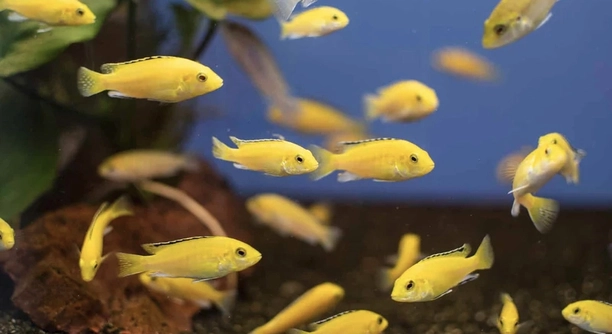
Many aquarists care for electric yellow cichlids and sometimes find that moving them between tanks feels challenging, yet with simple planning the task becomes smoother and helps maintain a calm transition for fish and keeper.
The safest method for moving electric yellow cichlids between tanks involves minimizing stress by matching water parameters, using a transfer container, and ensuring stable temperature conditions while relocating each fish, which protects their health and reduces the likelihood of shock.
These tips provide gentle guidance that supports safer transfers and creates a smoother experience for cichlids, helping you maintain care.
Preparing the New Tank
Preparing a new tank for electric yellow cichlids requires care that supports their comfort and health from the moment you begin. Start by setting up the tank with stable filtration and clean substrate, then allow the water to run long enough to reach safe ammonia and nitrite levels. Keeping the temperature steady is important because sudden changes can unsettle these active fish. Adding hiding spots like rocks or small caves helps them feel secure during the adjustment period. Make sure the lighting is gentle at first, since bright conditions can raise stress when fish are already adapting to new surroundings. Test the water to match pH and hardness with their previous tank so the transfer feels smooth. When everything remains stable for a full day, you can feel confident that the environment is ready. This early preparation makes each step of the move simpler and supports stronger long term care.
Moving fish works best when you keep the process calm and steady by planning each step carefully. Focus on reducing stress through matched water conditions and slow handling, giving your cichlids a smoother shift. Simple attention to timing and stability helps maintain their comfort through the entire transfer process overall.
When the new tank is ready, gather your supplies so the move stays organized. Use a clean container for catching each fish and keep a lid nearby to prevent jumping. Slowly lift the fish with a soft net, then lower it into the container with as little splashing as possible. Allow the container to rest on the water surface of the new tank so temperatures equalize. Add small amounts of tank water over several minutes to help the fish adjust. When the conditions match, guide the fish gently into the tank. This calm approach supports healthier behavior after the transfer.
Handling the Transfer Safely
Careful handling protects electric yellow cichlids from unnecessary stress during the transfer. Keep movements slow and maintain matched water parameters from both tanks. A stable temperature and gentle placement help the fish stay calm, supporting smoother adaptation once they enter their new space without causing strain during the entire process.
Once your cichlids are ready to move, focus on keeping the process steady from start to finish. Begin by turning off bright lights around both tanks to reduce tension. Prepare the transfer container with water that matches the temperature and chemistry of the original tank as closely as possible. When catching each fish, use a soft net and avoid fast movements that might cause jolting. Lower the fish into the container gently, allowing it a moment to settle before proceeding. Carry the container slowly to the new tank, keeping it level to avoid sudden shifts that can unsettle the fish. Float the container at the surface for a short period so the temperature evens out, then add small amounts of new tank water in stages. This method helps the fish adjust to subtle differences without pressure. When the water conditions align, tip the container slightly and guide the fish forward rather than pouring. Give the fish time to explore and rest once inside. Watch its behavior during the first hour to ensure it responds well. Stable surroundings and calm handling support healthier adjustment and reduce the chances of stress reactions later during the critical moments following their careful relocation process.
Reducing Stress During the Move
Keeping stress low starts with quiet surroundings and slow movements. Avoid sudden changes in light or noise, and keep your tools close so the process stays smooth. Steady handling supports calmer behavior and helps your cichlids adjust without unnecessary tension throughout the transfer.
Use matched water parameters to ease the shift between tanks. When differences in temperature or hardness are too large, the fish can react poorly. Allow the transfer container to float long enough for conditions to stabilize. Add small amounts of new tank water in short intervals. This technique keeps the transition gentle and helps your cichlids maintain steady breathing and coloration while they settle in their new space.
Pay attention to each fish during and after the move. Signs like rapid swimming, darkened colors, or hiding for long periods may show stress. Keeping lights dim and avoiding tank rearrangements right away helps them feel secure. Offer food only after they calm down. Simple patience makes a noticeable difference, giving your fish time to regain stability at their own pace.
Monitoring Behavior After Transfer
Watching your cichlids closely after the transfer helps you spot issues early. Look for steady swimming, bright coloring, and normal interactions. These signs show comfort in the new environment. If behavior seems unusual, check water parameters first since small changes can affect their well-being.
Maintain consistent care during the first few days so the fish settle without disruption. Avoid adding new tank mates or making major changes to decorations or filtration. Feed lightly with familiar foods and keep the lighting soft. If you notice signs like clamped fins, hesitation while swimming, or sudden hiding, act quickly by testing the water and adjusting conditions as needed. Stable surroundings encourage healthy recovery, and gentle observation helps you respond before problems escalate. This approach strengthens long term comfort and supports stable behavior as the fish adapt to the new tank.
Maintaining Water Stability
Stable water keeps your cichlids comfortable after the transfer. Test the tank daily for temperature, pH, ammonia, nitrite, and nitrate. Small shifts can affect their behavior, so staying consistent helps them settle and supports steady health in their new environment.
Make adjustments slowly when needed. Sudden changes can unsettle sensitive fish. If you must correct pH or temperature, do it in small steps. Keep filtration running smoothly and avoid overfeeding since leftovers raise ammonia. Gentle stability encourages calmer behavior and helps the fish regain confidence in their new space.
Adjusting Feeding Habits After the Move
Feeding lightly after the transfer helps your cichlids stay comfortable. Their appetite might dip at first, so offer small portions of familiar foods and give them time to respond. Keeping the feeding routine gentle prevents stress and supports steady digestion while they adapt to the new tank.
Avoiding Tank Mate Conflicts
New surroundings can heighten territorial behavior. Keep a close eye on interactions and provide hiding spots so each fish has a safe space. Gentle monitoring and simple layout adjustments help prevent tension and support a calmer environment for all fish involved.
FAQ
How long should I acclimate electric yellow cichlids to a new tank?
Acclimation usually takes about 30 to 60 minutes. Float the transfer container in the new tank to match temperature, then gradually add small amounts of tank water every five to ten minutes. This slow adjustment helps the fish tolerate minor differences in water chemistry without stress, improving their overall comfort. Rushing this process can cause sudden reactions, like rapid swimming or hiding, which indicate distress. Take your time, observe the fish, and proceed only when they seem calm. This careful approach reduces the risk of shock or health issues after the move.
Can I transfer multiple cichlids at once?
It’s best to move one fish at a time. Even if the fish are calm together, individual handling reduces competition, stress, and accidental injury. Crowding in the container can lead to physical contact or aggression, which can damage fins or scales. Moving each fish separately also allows you to monitor their behavior closely and make small adjustments as needed, ensuring each one arrives safely and adapts smoothly. While it may take more time, this method minimizes complications and supports stronger health during and after the transfer.
What should I do if a fish seems stressed after moving?
Observe closely for signs like clamped fins, darkened colors, or frantic swimming. Keep lights dim and avoid rearranging the tank for at least 24 hours. Check water parameters for sudden changes in temperature, pH, or ammonia. Offering small portions of familiar food once they start exploring can help restore normal behavior. Ensure hiding spots are accessible so the fish can retreat when needed. Sometimes stress resolves on its own within a few hours if the environment remains stable. Persistent unusual behavior may require water adjustments or consultation with a specialist.
Is it necessary to match water chemistry exactly between tanks?
Matching temperature, pH, and hardness as closely as possible is very important. Even small differences can cause stress or health issues for electric yellow cichlids. Testing both tanks before the move helps identify gaps. If adjustments are needed, do them gradually over time. Sudden shifts in pH or hardness can weaken immune responses, increasing vulnerability to infections. By preparing the new tank carefully, you create a safer and more predictable environment for the fish. Gradual adaptation ensures a smoother transition and reduces the likelihood of shock or aggressive reactions.
How should I handle the fish physically during the move?
Use a soft, fine-mesh net to reduce injury and handle each fish gently. Avoid grabbing the fish directly with hands, as this can remove protective slime and increase stress. Keep movements slow and deliberate. Lower the fish into the transfer container without splashing, then float the container in the new tank to equalize temperature. Avoid tipping or jostling the container while carrying it. These careful handling practices protect the fish’s health, reduce stress, and improve overall adaptation to the new tank environment.
How long before I can resume normal feeding?
Feed lightly once the fish begin exploring their new tank. Some may take a few hours, others a full day to show interest in food. Start with small portions of familiar items and increase gradually. Overfeeding early can harm water quality and worsen stress. Monitor their behavior and appetite, adjusting feeding amounts to match their activity. Maintaining a predictable feeding schedule helps restore normal routines and supports recovery after the transfer. Consistency in care reinforces comfort and encourages healthy growth during the critical adaptation period.
What are the signs that the transfer was successful?
Successful adaptation shows in active swimming, bright coloration, and normal interaction with tank mates. Fish should explore their new environment calmly, eat regularly, and use hiding spots naturally without prolonged hiding. Regularly checking water quality ensures no hidden problems arise. Absence of frantic or erratic behavior indicates the fish are comfortable. These positive signs reflect effective planning, gentle handling, and gradual acclimation. Observing consistent behavior over several days confirms that the transition was smooth and the new tank environment supports healthy living for electric yellow cichlids.
Can tank layout affect stress after moving?
Yes, providing adequate hiding spots, open swimming areas, and distinct territories reduces tension. Even minor rearrangements can trigger defensive behavior. Rocks, caves, and plants help fish feel secure while settling. Avoid overcrowding decorations or creating sharp corners that may trap or injure them. A well-thought layout encourages natural behavior, reduces conflicts, and fosters a calm atmosphere. Keeping these factors in mind ensures smoother adaptation and supports long-term well-being in the new tank.
This FAQ section provides practical guidance for managing each aspect of moving electric yellow cichlids. Following these steps can prevent stress, promote healthy adaptation, and maintain water stability, resulting in a safe and comfortable environment for your fish.
Final Thoughts
Moving electric yellow cichlids between tanks can feel intimidating at first, but careful preparation and patience make the process manageable. The key is to focus on maintaining stable water conditions, gentle handling, and calm surroundings. By testing and matching water parameters like temperature, pH, and hardness, you reduce the risk of shock and stress. Setting up the new tank ahead of time with proper filtration, substrate, and hiding spots ensures that the fish have a safe space to adjust. Even small details, such as dimming the lights or avoiding loud noises, can have a noticeable effect on how the fish behave during and after the move. Following these steps methodically creates an environment that supports the cichlids’ natural behavior and reduces tension, allowing them to settle more quickly.
Acclimating the fish slowly is equally important. Using a transfer container and floating it in the new tank to equalize temperature allows the fish to adjust to minor differences in water chemistry. Gradually adding small amounts of water from the new tank into the container helps them adapt without sudden changes. Handling the fish carefully, one at a time, with a soft net prevents injuries and reduces stress. Watching their behavior during this process gives you insight into how they are adjusting. Signs of comfort include steady swimming, exploring the new tank, and normal coloration. If any fish show stress, such as clamped fins or hiding for long periods, it is best to maintain a calm environment and check water quality. Small, deliberate steps during the move can prevent problems before they occur, ensuring the cichlids remain healthy and comfortable.
After the transfer, monitoring behavior and maintaining consistent care are essential. Feeding should be light at first, using familiar foods, and overfeeding should be avoided to prevent water quality issues. Providing hiding spots and maintaining a stable layout reduces territorial disputes and supports calm interactions among tank mates. Observing the fish for several days helps you ensure they are adjusting well. Steady water quality checks and minimal disturbances allow the cichlids to regain confidence and display normal behavior. By taking these precautions and focusing on gradual adaptation, the transfer process becomes less stressful for both the fish and the keeper. In the end, careful planning, gentle handling, and consistent care lead to a smoother transition, stronger health, and a more comfortable environment for electric yellow cichlids in their new tank.

Hello,
If you enjoy the content that we create, please consider saying a "Thank You!" by leaving a tip.
Every little bit helps us continue crafting quality advice that supports the health, happiness, and well-being of pets around the world, for pets of all shapes, sizes, and species.
We really appreciate the kindness and support that you show us!