
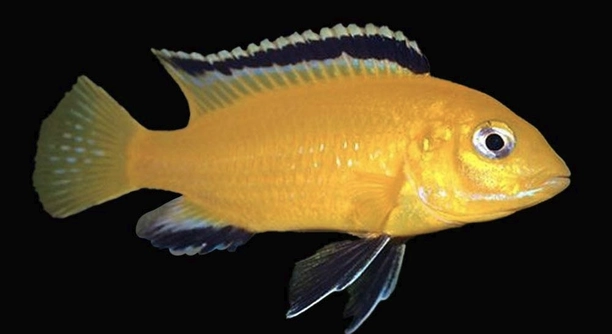
Keeping a cichlid tank balanced can be challenging when some fish dominate while others retreat. Aggression and stress are common issues in group setups, affecting overall health and harmony. Understanding group dynamics is key for a peaceful aquarium.
Balancing cichlid group power requires careful observation, strategic placement, and thoughtful selection of tank mates. Providing hiding spaces, monitoring interactions, and adjusting feeding routines can prevent dominance hierarchies from destabilizing the aquarium, promoting both well-being and equitable resource distribution.
Proper planning and consistent monitoring will help your cichlids thrive while reducing conflicts in their shared environment.
Understanding Cichlid Hierarchies
Cichlids naturally establish hierarchies within their groups, which can affect feeding, breeding, and territory. Dominant individuals often claim the best hiding spots and food, leaving weaker fish stressed or undernourished. Observing your tank daily helps identify aggressive behaviors early, including chasing, nipping, or prolonged territorial displays. Providing multiple hiding spaces, rocks, and plants allows subordinate fish to retreat safely and reduces tension. Adjusting the number of males and females in a tank can prevent a single fish from becoming too dominant. Smaller or less aggressive species may need extra cover or separation during feeding times. Understanding these dynamics lets you anticipate conflicts and design your tank layout for balance. It’s important to introduce new fish gradually, as sudden changes can trigger territorial disputes. Regular maintenance, water quality checks, and monitoring interactions ensure your group remains stable over time. Each cichlid behaves differently, and patience is essential to maintain harmony.
Balancing the hierarchy improves fish health and reduces stress significantly in the aquarium.
Careful observation and habitat management create a more peaceful environment. Adjusting placement, structure, and group composition encourages fair interactions among all cichlids, supporting growth and vitality.
Strategic Tank Layout
A thoughtfully arranged tank reduces stress by creating zones for different fish to claim as territory. Hiding spots, caves, and plants break sightlines, preventing constant confrontations and giving weaker fish confidence to explore and feed.
Providing a mix of vertical and horizontal spaces allows cichlids of all sizes to coexist comfortably. Dense planting along one side and open swimming areas elsewhere creates natural boundaries. Rocks and driftwood help mimic natural environments, making territorial displays more predictable and easier to manage. Rotating or rearranging decor periodically prevents stagnation, keeping dominant fish from establishing fixed territories that can overwhelm others. Feeding zones can also be separated to reduce competition, with slow-drifting or sinking food giving each fish access. Monitoring interactions while adjusting layout helps balance power without overhauling the tank completely. This setup encourages social stability, reduces injuries, and ensures all fish thrive in their shared habitat. Regular attention to layout and structure contributes to long-term success, maintaining a peaceful, balanced cichlid group.
Selecting Compatible Species
Choosing species with similar temperaments prevents chronic aggression and territorial disputes. Avoid mixing overly aggressive cichlids with timid ones, as it can cause constant stress. Consider size, diet, and social behavior when planning your group to ensure smoother interactions and shared tank harmony.
Matching fish requires research and observation. Species that coexist naturally tend to be less aggressive and tolerate close quarters better. Avoid overcrowding and introduce new fish gradually, allowing them to adjust without triggering fights. Understanding the natural behaviors of each species lets you predict potential conflicts. Tank size and decor also influence compatibility, with more space reducing stress. Maintaining water quality and stable conditions further supports peaceful group dynamics, ensuring all fish thrive.
Monitoring interactions after introducing new fish is critical. Subtle signs like chasing or hiding indicate whether adjustments are needed. Rearranging decorations or providing extra hiding spots can reduce tension. Consistency in feeding times and locations ensures dominant fish don’t monopolize resources, allowing weaker individuals access to food. Patience and careful observation maintain balance, preventing long-term health issues caused by stress or aggression. Regularly assessing group dynamics helps maintain stability and promotes a calmer environment for all cichlids.
Managing Feeding and Nutrition
Proper feeding prevents competition and reduces dominance-related stress in cichlid groups. Dividing food across multiple locations allows all fish to eat and discourages aggressive behavior.
Offering a varied diet meets nutritional needs while supporting balanced growth. High-quality pellets, frozen foods, and occasional live treats provide essential proteins, vitamins, and minerals. Feeding smaller portions several times a day helps prevent overeating and ensures weaker fish have a chance to consume enough. Observing feeding behavior highlights which individuals dominate and which may require supplemental feeding. Adjusting portion sizes or using feeding rings can help distribute food evenly. Regular diet rotation keeps fish healthy, vibrant, and less prone to aggression driven by hunger. Maintaining proper nutrition supports immunity, growth, and breeding success while minimizing stress. Consistency in feeding routines reinforces fairness and helps maintain group balance.
Monitoring Behavior
Keeping an eye on your cichlids daily helps spot early signs of stress or aggression. Changes in swimming patterns, hiding, or fin nipping indicate tension. Early intervention prevents escalation and maintains harmony within the group.
Recording behaviors over time highlights recurring conflicts. Noting which fish dominate and which retreat allows adjustments in layout, feeding, or group composition. Tracking patterns ensures proactive management rather than reactive measures, supporting a balanced environment.
Adjusting Group Sizes
Maintaining the right number of cichlids reduces competition and prevents overdominance. Smaller groups can lead to single fish controlling territory, while overcrowding increases stress and aggression. Finding the correct balance ensures a stable, peaceful aquarium.
Using Temporary Separation
Separating aggressive individuals temporarily prevents injuries and allows weaker fish to recover. Quarantine or breeding tanks work well for short-term management.
FAQ
How do I know if my cichlid group is balanced?
A balanced group shows minimal aggression, with all fish accessing food and hiding spaces comfortably. Submissive fish still explore and feed without constant fear, and dominant fish do not monopolize territory or resources. Observing interactions during feeding and over time provides a clear picture of group dynamics.
What is the best tank size for multiple cichlids?
Larger tanks reduce conflicts by providing more swimming space and territorial boundaries. A 55-gallon tank or larger is recommended for medium-sized species, while bigger setups are needed for multiple large cichlids. More space allows weaker fish to retreat safely and prevents dominance hierarchies from escalating.
How can I introduce new cichlids without causing fights?
Introduce new fish gradually using a divider or separate acclimation tank. Allow the group to see and smell newcomers before full integration. Rearranging decorations during introductions prevents existing fish from defending established territories and helps reduce aggressive responses.
What types of hiding spaces work best?
Caves, rocks, driftwood, and dense plants provide essential refuge for subordinate fish. Multiple hiding spots prevent one fish from dominating all safe areas. Vertical structures and layered decor create a natural environment, allowing each fish to claim a personal zone while maintaining balance in the group.
Should I separate aggressive fish permanently?
Permanent separation is only needed for extreme aggression or repeated injuries. Temporary separation often works better, giving dominant fish time to calm and weaker fish a chance to recover. Monitoring behavior after reintroduction determines whether coexistence is feasible or long-term separation is necessary.
How often should I feed cichlids to avoid dominance issues?
Feeding smaller portions multiple times a day helps weaker fish access food. Distributing food across various locations prevents one fish from controlling all feeding areas and reduces competition, supporting equitable growth and health for the entire group.
Can tank decorations affect group dynamics?
Yes, decorations significantly influence territorial behavior. Rearranging rocks, plants, and caves periodically prevents fish from establishing fixed territories. A varied layout with open swimming spaces and secluded areas minimizes conflict while providing opportunities for exploration and natural behavior.
What role does species compatibility play?
Choosing species with similar temperaments reduces chronic aggression. Aggressive and timid species rarely coexist peacefully. Size, diet, and social behavior should be considered when forming a group, ensuring fair interactions and minimizing stress for all individuals.
How do I know if a fish is stressed?
Signs include excessive hiding, loss of appetite, fin damage, and erratic swimming. Subtle behavioral changes, like avoiding certain areas or fleeing from dominant fish, indicate tension. Early detection allows corrective measures, preventing health decline and maintaining harmony within the group.
Is it necessary to track individual behavior?
Tracking behavior helps identify patterns of aggression or submission. Noting which fish dominate, retreat, or consistently lose access to food informs adjustments in layout, feeding routines, or group composition. Regular monitoring ensures proactive management and long-term stability in the tank.
How can I prevent aggression during breeding?
Provide additional hiding spots and separate breeding areas if possible. Dominant pairs may become territorial, and extra cover allows non-breeding fish to retreat safely. Observing interactions closely during breeding ensures weaker fish are not stressed or injured, maintaining overall group balance.
What steps can improve harmony after conflicts?
Rearranging decor, providing additional hiding spots, and temporarily separating aggressive fish help reset territorial boundaries. Feeding adjustments and careful monitoring reinforce fairness in the tank. Patience and consistency in management allow the group to recover and reestablish balance naturally.
Can I rely on tank size alone to prevent fights?
Tank size helps, but it is not the only factor. Species selection, layout, feeding practices, and behavioral monitoring are equally important. Combining all these strategies ensures a peaceful and well-balanced environment where all cichlids can thrive together.
How often should I reassess my tank setup?
Regular reassessment, at least monthly, is important. Fish grow, behavior changes, and social dynamics shift over time. Adjusting layout, group composition, and feeding routines as needed maintains long-term harmony and prevents dominance-related problems from escalating.
What are the long-term benefits of balancing cichlid power?
A balanced group reduces stress, supports healthy growth, minimizes injuries, and promotes natural behavior. Stable social dynamics allow all fish to thrive, improving their lifespan, coloration, and overall well-being while creating a visually appealing and peaceful aquarium environment.
Final Thoughts
Maintaining balance in a cichlid group requires patience, observation, and careful planning. Aggression is a natural part of their behavior, but it can be managed with the right strategies. Monitoring interactions closely allows you to identify dominant or overly aggressive individuals before conflicts escalate. Small adjustments, such as rearranging decorations or adding hiding spots, often prevent problems and help maintain harmony. Over time, these changes allow weaker fish to feel secure and participate in feeding and swimming without constant fear. Paying attention to both visible behavior and subtle signs of stress ensures that all fish receive proper care and can thrive together in the same tank. A peaceful environment benefits both the fish and the overall enjoyment of maintaining the aquarium.
Tank layout and species selection are critical to long-term success. Providing multiple hiding spots, caves, and plants reduces territorial disputes and allows each fish to establish a comfortable zone. Choosing compatible species that have similar temperaments and sizes minimizes conflicts from the start. Larger tanks are generally easier to manage because they offer more space for individual territories and reduce competition. Feeding practices also play a significant role in balancing group power. Distributing food across different areas and offering multiple small meals prevents dominant fish from controlling resources. Attention to diet ensures that every fish receives adequate nutrition, which in turn reduces stress and aggression. A well-thought-out tank layout and careful selection of fish create a more stable social structure, making the aquarium enjoyable and easier to maintain over time.
Consistency and ongoing management are essential for maintaining balance. Regularly observing behavior, making minor adjustments when needed, and responding promptly to signs of aggression or stress prevent long-term problems. Temporary separation of aggressive fish can give the group time to reset and help weaker fish recover without injury. Over time, maintaining these practices allows the social hierarchy to stabilize naturally, and the fish learn to coexist more peacefully. Balancing a cichlid group is not a one-time task; it requires continued attention and adaptability. By staying observant, making thoughtful changes, and providing proper care, you can create an environment where all cichlids can grow, explore, and thrive together. The effort invested in maintaining harmony pays off in healthier, happier fish and a more peaceful and visually appealing aquarium.

Hello,
If you enjoy the content that we create, please consider saying a "Thank You!" by leaving a tip.
Every little bit helps us continue crafting quality advice that supports the health, happiness, and well-being of pets around the world, for pets of all shapes, sizes, and species.
We really appreciate the kindness and support that you show us!