
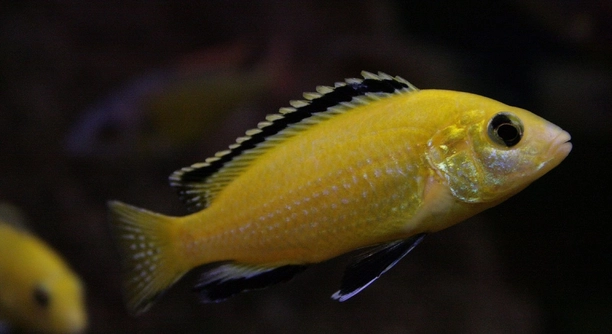
Cichlids grow quickly, and watching them change can be both exciting and confusing. Adolescence is a crucial stage where their appearance and behavior shift, making it important for owners to observe these developments carefully.
During cichlid adolescence, owners can expect physical growth, color changes, fin development, shifts in feeding behavior, social hierarchy adjustments, increased territoriality, and evolving swimming patterns. Monitoring these changes helps ensure healthy development and proper care in aquarium settings.
Recognizing these key transformations early can make a big difference in raising healthy, well-adjusted cichlids in your home aquarium.
Physical Growth
Cichlids can grow rapidly during adolescence, and you will likely notice a significant change in size over a few weeks. Their bodies become more elongated, and fins start to look stronger. Some species may show subtle differences between males and females, making it easier to identify them. Growth is influenced by water quality, diet, and tank size. If the tank is too small, stunted growth may occur, and overcrowding can lead to stress. Proper nutrition is critical at this stage. Feeding a varied diet with protein-rich pellets, live or frozen foods helps support their development. Observation is key because rapid growth can sometimes hide health issues like fin rot or deformities. Keeping a growth chart or taking occasional photos can help track changes and ensure your fish are developing evenly. Monitoring these physical signs helps maintain a healthy environment and prevents potential problems from escalating unnoticed.
Adolescent cichlids need consistent feeding and enough space to grow properly.
Monitoring growth closely ensures timely adjustments in tank conditions, nutrition, and care to support healthy development and long-term wellbeing.
Color Changes
Cichlids begin to display more vivid and distinct coloration during adolescence. Some patterns may appear gradually, while others can change rapidly. Males often develop brighter colors to signal maturity and dominance, while females may retain subtler shades. Color intensity is affected by diet, light, stress, and social interactions. Poor water quality or illness can dull their colors, signaling that something needs attention. Observing these changes helps identify dominant or stressed fish within the tank. It also aids in understanding mating readiness, especially if you plan to breed your cichlids later. Coloration shifts can happen over days or weeks, so keeping track visually is helpful. A well-fed cichlid with a balanced environment will display the richest colors. Introducing hiding spots and plants can reduce stress and allow natural colors to emerge more clearly. Overall, watching color changes gives insight into health, maturity, and tank dynamics, making it an important aspect of care.
Color development during adolescence signals maturity and helps track overall health.
Observing these color changes not only indicates growing maturity but also provides valuable insight into the cichlids’ health, stress levels, and compatibility with tankmates. It encourages better management of feeding, lighting, and environmental adjustments for optimal growth.
Fin Development
Fins grow longer and stronger during adolescence. Some species develop elaborate shapes, especially males. Watching fin changes helps identify maturity and can reveal early signs of damage or disease.
Proper fin development depends on clean water and a balanced diet. Poor nutrition or rough tankmates can cause tearing or stunted growth. It is important to provide smooth surfaces and avoid overcrowding. Long, flowing fins are more prone to injuries, so removing sharp decorations or aggressive fish reduces risks. Regular observation allows early intervention if fins start fraying, preventing infections or permanent deformities.
Fin development also reflects overall health and social standing. Aggressive interactions or dominance disputes can lead to torn fins, while calm, stable environments allow healthy, proportional growth. Observing fin length, shape, and movement provides insight into tank dynamics and individual wellbeing. Supporting development through quality nutrition, consistent water changes, and adequate space ensures adolescent cichlids grow strong, healthy fins that will aid in swimming, courtship displays, and territorial defense in adulthood.
Feeding Behavior
Adolescent cichlids often become more selective and active eaters. They may chase food more aggressively or ignore certain types.
During adolescence, their appetite increases, but their behavior changes. Some fish may dominate feeding areas, leaving others underfed. Introducing varied foods, like pellets, frozen or live options, helps ensure balanced nutrition. Feeding smaller portions multiple times a day can prevent overeating and maintain water quality. Observing eating habits also helps detect early illness, as sudden appetite changes often indicate stress or disease.
Changes in feeding behavior can affect tank dynamics. Aggressive feeders may bully others, creating stress or malnutrition. Providing enough space during feeding, separating food, and monitoring individual intake ensures all cichlids get proper nutrition. This stage also helps owners understand each fish’s preferences and tendencies. Adjusting feeding schedules, offering a mix of protein and plant-based foods, and watching for signs of aggression improves growth, coloration, and overall health during adolescence.
Social Hierarchy
Adolescent cichlids begin to assert dominance within the tank. Males often display stronger territorial behavior, while females may establish subtle pecking orders. Recognizing these patterns helps prevent conflicts and stress among fish.
Observing social interactions allows owners to separate aggressive individuals if necessary. Understanding hierarchy reduces injuries and ensures all fish have access to food and hiding spots.
Increased Territoriality
Territorial behavior becomes more pronounced during adolescence. Cichlids may guard specific areas, chase intruders, or rearrange decorations. This behavior is natural but can lead to disputes if space is limited. Owners should provide plenty of hiding spots, visual barriers, and open swimming areas to manage aggression and maintain harmony.
Evolving Swimming Patterns
Adolescent cichlids start swimming with more confidence and purpose. They explore more actively, chase tankmates, or patrol territories regularly. These patterns indicate growing strength, coordination, and awareness of their environment. Observing swimming behavior helps assess health, comfort, and potential stress in the tank.
FAQ
How quickly do cichlids change during adolescence?
Cichlids can show noticeable changes within a few weeks, depending on species, diet, and tank conditions. Physical growth, color shifts, and fin development happen gradually, but some behaviors, like territorial disputes or feeding changes, can appear almost overnight. Keeping a close eye helps track healthy development.
Why do cichlids suddenly chase each other?
Chasing often occurs as a part of social hierarchy and territorial behavior. Adolescents are establishing dominance and marking space. Some chasing is normal, but excessive aggression may indicate overcrowding or insufficient hiding spots. Separating aggressive individuals or adding visual barriers can reduce stress.
When should I be concerned about color changes?
Color changes are usually natural during adolescence, with males often becoming more vivid. However, sudden dulling or patchy colors can signal stress, poor water quality, or illness. Monitoring water parameters and observing for other signs like lethargy or fin damage is essential for early intervention.
How can I support healthy fin development?
Providing clean water, proper nutrition, and avoiding aggressive tankmates promotes strong fins. Long fins can tear easily, so remove sharp objects or decorations. Regular observation ensures minor frays are addressed early to prevent infections or deformities.
Why do some cichlids eat faster than others?
Feeding behavior varies by species, personality, and social ranking. Dominant fish may monopolize food, while shy ones may eat less. Offering multiple feeding spots, smaller portions, or separating food types ensures all fish receive balanced nutrition. Watching feeding patterns helps detect illness or stress.
What signs show a cichlid is stressed?
Stress can appear as dull colors, hiding constantly, frayed fins, or rapid breathing. Aggression or loss of appetite may also indicate discomfort. Causes include overcrowding, poor water quality, or incompatible tankmates. Addressing these issues quickly supports health and reduces long-term behavioral problems.
Can I predict when cichlids will reach full maturity?
Maturity varies by species, environment, and diet. Most cichlids show adult coloration, established hierarchy, and reproductive behavior within several months. Observing physical development and social interactions helps anticipate when they are ready to breed or assume adult roles in the tank.
How do I manage aggression during adolescence?
Provide plenty of space, hiding spots, and visual barriers. Monitor interactions and separate individuals if aggression is excessive. Adjusting tank layout, introducing neutral decorations, or rearranging territories can reduce disputes while allowing natural social behavior to develop.
Is it normal for cichlids to ignore certain foods?
Yes, preferences may change as they mature. Offering a variety of pellets, frozen foods, or live options ensures balanced nutrition. Gradually introducing new foods helps identify preferences and prevents selective eating that could impact growth.
How do swimming patterns reflect health?
Confident, purposeful swimming indicates strength and well-being. Erratic or lethargic movement may signal illness, stress, or injury. Observing daily swimming behavior helps track development and detect problems early. Ensuring enough open space, hiding spots, and appropriate tank conditions supports healthy activity.
Do all cichlids show the same changes during adolescence?
No, species and individual differences influence timing and intensity of growth, coloration, fin development, and behavior. Understanding your specific cichlid species helps set expectations and manage tank dynamics effectively, ensuring healthier, well-adjusted fish.
How can I track adolescent development effectively?
Regular observation, photos, and notes on size, color, behavior, and social interactions help track progress. Recording feeding habits and territorial behavior provides insight into health and growth patterns. This approach allows early detection of problems and adjustments in care routines.
When should I adjust the tank environment?
Adjustments may be needed if fish show signs of stress, stunted growth, or aggression. Expanding territory, adding hiding spots, or rearranging decorations can reduce conflict. Monitoring water quality and ensuring proper nutrition are equally important to support adolescent development.
What role does diet play in adolescent growth?
Diet directly impacts growth, color, and fin development. High-quality, protein-rich foods support rapid growth, while varied diets maintain coloration and vitality. Poor nutrition can stunt development, dull colors, and weaken the immune system. Balanced feeding schedules and food variety are essential.
Can adolescent cichlids be housed with adults?
It depends on species and tank size. Some adults may bully adolescents, causing stress or injury. Providing ample space, hiding areas, and monitoring interactions allows safe cohabitation. Separating overly aggressive adults or introducing fish gradually helps maintain harmony.
How do I know if a cichlid is ready to breed?
Signs include full coloration, established dominance, active territory defense, and courtship behavior. Females may display readiness by cleaning surfaces for eggs. Observing these behaviors ensures breeding occurs under appropriate conditions, reducing stress and potential conflicts.
What water conditions best support adolescent cichlids?
Stable temperature, pH, and clean water are essential. Regular water changes prevent toxins and promote health. Adolescents are sensitive to sudden fluctuations, so maintaining consistent parameters encourages proper growth, coloration, and immune function.
How often should I monitor adolescent cichlids?
Daily observation is ideal. Noting feeding habits, swimming patterns, social interactions, and physical changes helps detect problems early. Weekly measurements of water quality and tank maintenance support long-term development and reduce the risk of illness or injury.
Can behavioral changes indicate illness?
Yes. Sudden aggression, hiding, reduced appetite, or erratic swimming can signal disease. Early detection through careful observation allows prompt treatment, preventing more serious health issues and supporting overall growth and well-being.
Are hiding spots necessary for adolescent cichlids?
Absolutely. Hiding areas reduce stress, prevent bullying, and allow natural exploration. Providing caves, plants, or decorations ensures safe retreat spaces, helping fish feel secure while establishing territory and hierarchy.
How do I balance multiple adolescent cichlids in one tank?
Providing enough space, hiding spots, and multiple feeding areas minimizes conflict. Observing social interactions and adjusting tank layout helps maintain harmony. Regular monitoring and intervention when aggression arises supports healthy development and prevents long-term behavioral issues.
What is the best way to encourage healthy social behavior?
A balanced environment with space, hiding areas, and visual barriers promotes natural social interactions. Gradual introductions, consistent observation, and limiting aggressive encounters support positive hierarchy formation and reduce stress, helping adolescents grow into well-adjusted adult cichlids.
How important is tank size during adolescence?
Tank size is critical. Overcrowding increases aggression, stunts growth, and causes stress. Providing adequate swimming space and separate territories for each fish ensures proper physical and behavioral development. Adjusting population or upgrading tank size may be necessary for optimal growth and harmony.
Can stress affect coloration or fin growth?
Yes. Chronic stress can dull colors, weaken fins, and slow growth. Reducing aggression, maintaining clean water, and providing hiding spots help minimize stress. Healthy environments support vibrant coloration, proper fin development, and overall well-being during adolescence.
How do I prevent aggression from escalating?
Observing interactions, separating overly aggressive fish, and providing visual barriers or additional hiding spots helps manage conflict. Adjusting tank layout and maintaining balanced feeding reduces competition, keeping adolescents safe while allowing natural social hierarchy to form.
What signs show an adolescent cichlid is thriving?
Vibrant color, steady growth, active swimming, confident feeding, and balanced social interactions indicate good health. Observing these signs confirms proper nutrition, environment, and tank dynamics, reflecting successful care and healthy adolescent development.
How do I handle sudden changes in behavior?
Investigate possible causes like water quality issues, illness, or social stress. Adjust tank conditions, feeding, or separate aggressive individuals. Prompt response helps prevent injury, illness, or long-term behavioral problems, ensuring adolescents continue growing healthily.
What should I do if an adolescent cichlid stops eating?
Check water quality, tankmates, and food type. Isolate if necessary, offer preferred foods, and monitor for illness. Appetite loss is often a first sign of stress or disease, so early action ensures proper recovery and continued growth.
Can environmental enrichment benefit adolescents?
Yes. Plants, rocks, and varied decorations encourage exploration, reduce stress, and allow natural behaviors. Enrichment supports physical activity, mental stimulation, and social development, helping cichlids grow into strong, confident adults.
How do I know when to upgrade their diet?
Adolescents need increased protein and nutrients for rapid growth. Observing size, activity, and coloration helps determine when to adjust portions or introduce higher-quality foods. Gradual dietary changes support healthy development and prevent digestive issues.
Is it normal for adolescent cichlids to hide more than usual?
Temporary hiding can occur during social conflicts or environmental changes. Persistent hiding may indicate stress, illness, or inadequate territory. Providing safe spaces and monitoring interactions ensures fish feel secure while maintaining healthy growth and social learning.
Can I keep multiple species together during adolescence?
Mixed species tanks are possible but require careful planning. Compatibility, aggression levels, and tank size must be considered. Monitoring interactions and providing enough territory reduces conflict while allowing natural social behavior to develop safely.
What role does observation play in adolescent care?
Regular observation identifies growth patterns, behavior changes, and early signs of illness or stress. Tracking these details ensures timely interventions, supports healthy development, and helps maintain a balanced, harmonious tank environment.
How do I prevent injury during adolescence?
Remove sharp decorations, avoid overcrowding, and separate aggressive individuals. Providing adequate hiding spaces and monitoring social interactions reduces the risk of fin damage, bruising, or stress-related injuries. Safe environments support natural growth and healthy behaviors.
Are frequent water changes necessary during adolescence?
Yes. Clean water maintains health, prevents disease, and supports rapid growth. Adolescents are sensitive to toxins and fluctuations, so regular partial water changes stabilize the environment, ensuring proper development and vibrant coloration.
How do I encourage natural behaviors in the tank?
Providing space, hiding spots, and varied decorations promotes exploration, territory defense, and social interactions. Balanced feeding schedules and observing tank dynamics support natural adolescent behavior, helping fish develop confidence and strong social skills.
What is the best way to manage multiple adolescent cichlids?
Monitor social hierarchy, provide adequate space, multiple feeding areas, and hiding spots. Intervene when aggression escalates, and maintain consistent water quality and diet. This approach supports healthy growth, reduces stress, and ensures all fish thrive during adolescence.
Can stress impact long-term health?
Yes. Chronic stress can stunt growth, dull coloration, weaken fins, and increase susceptibility to disease. Minimizing stress through proper tank conditions, hiding spots, and monitoring social interactions is essential for adolescent cichlids to reach adulthood in good health.
How do I know when an adolescent cichlid is healthy?
Signs include steady growth, bright coloration, active swimming, confident feeding, and balanced social behavior. Healthy adolescents respond to changes in their environment, explore their tank, and interact appropriately with tankmates, reflecting successful care and development.
What should I do if fin damage occurs?
Remove aggressive individuals or hazards, maintain clean water, and provide stress-free conditions. Minor tears often heal with proper care, while infection prevention ensures long-term fin health and supports continued growth during adolescence.
How important is consistency in care routines?
Consistency in feeding, water maintenance, and observation ensures stable growth, reduces stress, and prevents health problems. Adolescents rely on predictable conditions to develop properly, establish social structures, and maintain vibrant coloration and strong fins.
How do I manage sudden aggression between adolescents?
Separate overly aggressive fish, adjust tank layout, and add hiding spots or visual barriers. Monitoring interactions closely and providing enough space allows natural social hierarchy to form while preventing injuries and long-term stress.
What daily practices support adolescent cichlids?
Daily observation, feeding multiple portions, and checking water parameters maintain health. Noting behavior, fin condition, and coloration helps identify issues early. Consistent care ensures proper growth, reduces stress, and supports development into healthy adult cichlids.
Can adolescent cichlids be left alone for a few days?
They can, with proper preparation. Ensure the tank is clean, feeders are in place, and hiding spots are sufficient. Avoid leaving aggressive individuals unchecked, as social conflicts can escalate without supervision.
How do I encourage balanced growth in a tank?
Provide varied diet, proper tank size, hiding areas, and monitor social dynamics. Adjust feeding, water changes, and layout as needed to support all adolescents, ensuring uniform growth, healthy behavior, and minimal stress.
Are environmental changes stressful for adolescents?
Sudden changes, like new decorations, water shifts, or added tankmates, can cause stress. Introduce changes gradually, monitor reactions, and provide hiding spots to reduce anxiety and allow smooth adaptation while maintaining health and growth.
What long-term effects can adolescence have on cichlids?
Adolescence shapes social behavior, territorial instincts, and physical development. Proper care during this stage ensures strong fins, vibrant colors, and balanced behavior, reducing stress and aggression in adulthood while supporting reproductive readiness and overall well-being.
How can I track social hierarchy effectively?
Observe interactions, chasing, and feeding patterns daily. Note dominant and submissive behaviors, adjust tank layout if necessary, and provide sufficient hiding spots to prevent bullying. This helps maintain a stable environment and supports healthy adolescent development.
Can feeding schedules affect behavior?
Yes. Consistent feeding times reduce stress and competition. Multiple small meals prevent overeating and aggression. Observing how fish respond to schedules helps maintain harmony, ensures proper nutrition, and supports healthy growth during adolescence.
How do I support fin regeneration?
Provide clean water, reduce stress, and prevent further damage. High-quality diet with protein and vitamins aids healing. Observing regrowth and separating aggressive fish ensures fins return to full health while minimizing future injury risks.
Are hiding spots more important than open swimming areas?
Both are essential. Hiding spots reduce stress and aggression, while open areas allow exercise, exploration, and territorial displays. A balanced tank design supports physical growth, social learning, and natural adolescent behaviors.
What behaviors indicate readiness for adult roles?
Confident swimming, established territory, dominant feeding patterns, and bright coloration indicate readiness. Adolescents displaying these behaviors are preparing to take adult roles in the tank hierarchy, reproductive activity, and territorial defense.
How do I know if aggression is normal?
Moderate chasing, displays of dominance, and minor squabbles are typical. Excessive attacks, injury, or persistent bullying suggest issues with space, social compatibility, or stress. Intervening helps maintain health and balance.
How important is water quality for adolescents?
Extremely important. Stable temperature, pH, and low toxins support growth, fin development, and coloration. Adolescents are sensitive to changes, so maintaining clean water prevents disease and ensures healthy progression to adulthood.
Can adolescents adapt to tankmates?
Yes, with careful monitoring. Gradual introductions, ample hiding spots, and sufficient space allow adaptation. Observing behavior ensures peaceful integration, reduces stress, and helps establish a stable social structure.
How often should I rearrange decorations?
Occasional changes can stimulate exploration and reduce boredom, but frequent rearrangements may stress adolescents. Balance novelty with stability to support healthy behavior, territorial development, and confidence.
Do males and females behave differently during adolescence?
Yes. Males often display more vibrant colors, assert dominance, and patrol territories. Females may be subtler but still establish social ranks. Recognizing differences helps manage aggression and feeding, ensuring all fish thrive.
How can I encourage exploration safely?
Provide varied hiding spots, smooth decorations, and open swimming areas. Monitor interactions and avoid overcrowding. Gradual introduction of new elements encourages confident movement without causing stress or injury.
What are common mistakes during adolescence?
Overcrowding, poor diet, lack of hiding spots, sudden environmental changes, and ignoring aggression are common errors. These issues can stunt growth, cause injury, or stress. Proper observation, nutrition, and environment management prevent long-term problems.
How do I balance multiple feeding areas?
Place food in different spots to reduce competition. Observe feeding patterns and adjust portions to ensure all adolescents eat properly. Balanced feeding prevents dominance-related stress and supports uniform growth.
Can adolescent cichlids recover from stress?
Yes, with proper care. Reducing aggression, improving water quality, and providing hiding spaces helps them regain color, appetite, and normal behavior. Prompt intervention prevents long-term health issues.
Are temperature changes harmful during adolescence?
Sudden shifts can stress fish, slow growth, and weaken immunity. Maintain stable temperatures suited to the species, and avoid rapid fluctuations to support health, coloration, and fin development.
How important is daily observation for growth?
Daily checks help spot behavior changes, injuries, or illness early. Tracking feeding, social interactions, and swimming patterns ensures timely interventions, supporting steady development and reducing long-term stress or health problems.
Can tank mates influence adolescent development?
Yes. Aggressive or dominant tankmates can inhibit growth, stress fish, or affect feeding behavior. Careful selection, monitoring, and intervention allow healthy social development and balanced growth during adolescence.
How do I know if hiding spots are adequate?
Observe if fish retreat without stress, if aggression decreases, and if shy fish gain confidence. Adequate hiding spaces promote natural behavior, reduce conflict, and support healthy adolescent development.
What signs indicate an adolescent cichlid is thriving socially?
Balanced chasing, shared feeding, occasional displays of dominance, and confident swimming indicate healthy social integration. Fish that interact without injury or chronic stress are developing normally.
How do I prevent boredom in the tank?
Introduce varied decorations, plants, and occasional rearrangements. Providing exploration opportunities and visual barriers encourages natural behavior, reduces stress, and promotes activity and mental stimulation.
Can water quality changes affect behavior?
Yes. Poor water can reduce appetite, increase hiding, cause lethargy, or trigger aggression. Maintaining clean, stable conditions supports healthy growth, coloration, and normal adolescent behavior.
How do I know when to separate aggressive fish?
If chasing leads to injury, persistent stress, or food monopolization, intervention is needed. Separating individuals or adding barriers reduces conflict while allowing normal social structure to continue forming.
Are all fin tears serious?
Minor tears often heal if water quality is good and stress is low. Severe or infected damage requires intervention. Observing fins regularly ensures timely action, supporting healthy development.
How important is gradual introduction of new tankmates?
Crucial. Gradual introductions reduce stress, allow hierarchy formation, and prevent injuries. Observing early interactions helps ensure peaceful integration and balanced adolescent development.
Do hiding spots reduce aggression?
Yes. Visual barriers and retreats reduce territorial disputes, allow shy fish to avoid bullying, and support natural social hierarchy development. Properly placed hiding spots improve tank harmony and fish confidence.
How do I monitor growth effectively?
Track size, color,
Final Thoughts
Watching cichlids grow through adolescence can be both rewarding and challenging. This stage is marked by noticeable changes in size, color, fins, behavior, and social interactions. Each cichlid develops at its own pace, so it is important to pay close attention to each individual. Daily observation helps detect early signs of stress, illness, or aggression. Keeping track of changes in appearance, swimming patterns, and feeding behavior provides valuable information about overall health and development. A well-maintained tank with clean water, appropriate temperature, and stable conditions supports natural growth and helps prevent common problems that may arise during this period. Understanding these factors allows owners to make informed decisions about tank setup, feeding routines, and social management, ensuring that adolescent cichlids grow into strong, healthy adults.
Adolescent cichlids often display a variety of behaviors that can be surprising for owners. Territorial disputes, chasing, and changes in feeding patterns are normal, but excessive aggression or prolonged hiding may indicate stress or an inadequate environment. Providing ample space, hiding spots, and visual barriers helps reduce conflict and supports a stable social hierarchy. Diet also plays a critical role in adolescent development. Offering a variety of high-quality foods ensures proper growth, coloration, and fin development. Gradually adjusting feeding routines to meet the needs of rapidly growing fish prevents nutritional deficiencies and reduces competition during meals. Monitoring these elements closely not only promotes healthy development but also gives insight into individual personalities, helping owners understand which fish are dominant, shy, or more active. Observing and responding to these behaviors allows for a more harmonious tank environment while supporting each cichlid’s physical and behavioral growth.
Caring for adolescent cichlids requires patience and consistency. Maintaining proper water quality, monitoring social dynamics, and providing a balanced diet are all essential components of effective care. Minor injuries, fin tears, or dulling colors can be addressed early if the tank is observed regularly. Overcrowding, sudden environmental changes, or poor nutrition can lead to long-term health issues, so proactive management is necessary. While adolescence can bring temporary challenges, it is also a time to witness remarkable development and personality expression in cichlids. Supporting them with stable conditions, appropriate feeding, and a carefully structured environment ensures they mature into healthy, confident adults. Paying attention to the subtle signs of growth, stress, and social interaction helps owners foster a thriving aquarium where adolescent cichlids can reach their full potential in both health and behavior.

Hello,
If you enjoy the content that we create, please consider saying a "Thank You!" by leaving a tip.
Every little bit helps us continue crafting quality advice that supports the health, happiness, and well-being of pets around the world, for pets of all shapes, sizes, and species.
We really appreciate the kindness and support that you show us!