
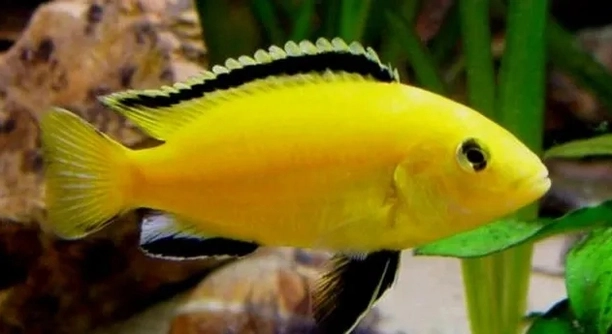
Cichlids are fascinating fish, known for their bright colors and unique behaviors. Observing them can be rewarding, but understanding their moods requires attention. Territorial behavior is common, especially in home aquariums where space is limited.
Cichlids display territorial behavior through specific actions such as defending their space, chasing intruders, flaring fins, and guarding eggs or hiding spots. Recognizing these patterns helps maintain a balanced aquarium and ensures the well-being of all tank inhabitants.
Knowing how to identify territorial signs is essential for a peaceful tank environment. Learning these behaviors can prevent conflicts and support a healthier home for your fish.
Flared Fins and Aggressive Posturing
When a cichlid feels territorial, one of the first things you may notice is its fins flaring. The fish spreads its dorsal and pectoral fins wide to appear larger and more threatening. This is a natural display intended to warn others to stay away. Often, the fish will approach another fish or an object slowly while keeping its fins fully extended. You might also see sudden darting movements or charging at the tank glass. These behaviors are common when the fish is protecting a nesting area or asserting dominance over a part of the aquarium. Watching these actions closely can help you identify which cichlid is taking control of certain spaces. Recognizing these signs early allows you to adjust tank arrangements or separate fish if necessary, preventing injury or stress. Over time, you will learn to distinguish casual swimming from true territorial posturing.
Territorial flaring usually increases during feeding or breeding times.
Consistent observation is key. Fish may flare more often around new tank mates or unfamiliar objects. Some cichlids are naturally more aggressive than others. Environmental factors like tank size, hiding spots, and water conditions also affect behavior. If a fish constantly flares or chases others, it may dominate the tank, creating stress for less aggressive species. Providing visual barriers, rearranging decorations, or adding additional hiding spots can reduce tension. Breeding pairs are particularly defensive, and their aggression is often strongest near their eggs or fry. By monitoring body posture, fin position, and movement patterns, you can gauge when intervention is necessary. Maintaining a balance between active and passive fish helps everyone coexist peacefully.
Chasing and Territory Defense
Chasing is a clear sign that a cichlid is protecting its space. The fish will swim rapidly after others that enter its area, sometimes biting fins or nudging.
Chasing behaviors can escalate quickly if tank space is limited. Fish may repeatedly follow each other, leaving little time for rest or feeding. Recognizing the specific areas a cichlid defends is helpful for rearranging decorations or creating boundaries within the tank. Some cichlids establish multiple zones, including hiding spots and open swimming areas, and may patrol these regions frequently. By observing patterns of pursuit and retreat, you can identify which individuals are dominant and which are more submissive. Adjustments to tank layout, like adding plants or rocks, create natural boundaries that reduce direct confrontations. In extreme cases, separating overly aggressive fish may be necessary to maintain harmony. Tracking chasing frequency and intensity helps gauge stress levels and ensure the well-being of all tank inhabitants. Maintaining a balanced environment with enough space and hiding areas supports healthier social interactions and reduces constant territorial disputes.
Guarding Hiding Spots
Cichlids often guard caves, rocks, or plant clusters they consider theirs. They may sit inside or near these spaces, attacking any intruders that come too close.
The fish will frequently patrol its chosen area, sometimes blocking entrances or nudging other fish away. Even small movements by neighbors can trigger defensive actions. Hiding spots are especially important during breeding, as cichlids feel the need to protect eggs or fry from potential threats. Observing which spaces are defended can help identify dominant individuals and prevent conflicts in the tank. Some cichlids may switch hiding spots depending on changes in the environment or tank layout, showing flexibility in their territorial claims. Understanding this behavior allows you to adjust tank decorations to provide enough safe zones for all fish, reducing stress.
Hiding spot defense can intensify when new fish are added. Providing multiple shelters reduces fights and encourages natural exploration.
Breeding and Nesting Aggression
During breeding, cichlids become more protective of their territory. They aggressively guard the area around eggs or fry, chasing away other fish and guarding nests.
The level of aggression rises as the eggs develop, and parents remain vigilant for days or weeks. Nesting sites are often well-chosen locations like caves, flat rocks, or dense plants, which give the cichlids confidence to defend them. Both males and females may participate in defense, with males often patrolling larger areas and females staying close to eggs or fry. Understanding breeding behavior is essential for minimizing stress on other tank inhabitants and ensuring fry survival. Adjusting tank layout and providing ample hiding spots for non-breeding fish helps maintain a peaceful environment during this intense period. Monitoring interactions can prevent injuries and support healthy social dynamics among cichlids.
Color Changes
Cichlids often change color when feeling territorial. Darker or more intense colors signal aggression or dominance.
These color shifts can be subtle or dramatic, depending on the species and situation. Observing changes helps identify when a fish is stressed or defending its area.
Head-Down Posture
A head-down posture is a defensive stance. The fish points its head toward an intruder while keeping fins spread.
This behavior often precedes chasing or flaring, showing the fish is prepared to defend its territory. Monitoring posture can prevent conflicts from escalating.
Tail-Beating
Tail-beating is a rapid movement used to warn intruders. Cichlids strike the water with their tail to assert dominance.
This behavior is often accompanied by fin flaring and chasing. Recognizing tail-beating allows you to intervene before fights occur, keeping the tank calmer.
How can I tell if my cichlid is becoming territorial?
Territorial behavior in cichlids shows up through specific actions like chasing, flaring fins, guarding hiding spots, and changing color. Frequent patrolling of a certain area or blocking other fish from entering signals dominance. Watching these patterns consistently can help identify which fish is asserting control.
Why do cichlids flare their fins?
Flaring fins is a defensive and aggressive display. It makes the fish look larger and more intimidating to potential intruders. This behavior usually happens near a defended space, during feeding, or around breeding sites. Flaring is a natural instinct, not a sign of illness, and is a common way to communicate dominance in the tank.
Are territorial cichlids dangerous to other fish?
Yes, aggressive territorial behavior can stress or injure other fish. Constant chasing, tail-beating, or nipping can lead to fin damage and reduced feeding opportunities. Monitoring interactions and providing adequate space, hiding spots, or visual barriers helps reduce conflict and prevents injuries.
How does tank size affect territorial behavior?
Smaller tanks increase territorial disputes because fish have limited space to establish boundaries. Larger tanks provide room for separate territories, reducing stress and aggressive interactions. Proper tank size, along with decorations that break lines of sight, can help manage dominant fish and allow weaker individuals to feel safe.
Can adding hiding spots reduce aggression?
Yes, hiding spots allow less dominant fish to escape aggressive encounters. Rocks, caves, and plants give fish areas to rest or hide, reducing stress and injury. Multiple shelters spread across the tank allow all fish to have safe zones, lowering overall tension and improving tank harmony.
Do breeding cichlids become more aggressive?
Absolutely. During breeding, cichlids guard eggs and fry fiercely. Both males and females may show heightened aggression, chasing intruders and defending nests. Providing separate areas for other fish during this time helps prevent injuries and ensures the fry survive without constant stress from tank mates.
How can I safely separate aggressive cichlids?
Using dividers or moving aggressive fish to another tank temporarily is effective. Ensure that each tank has hiding spots and proper water conditions. Separation should minimize stress and allow all fish to continue normal feeding and swimming behaviors while conflicts are reduced.
Is tail-beating a serious threat?
Tail-beating is usually a warning rather than an immediate attack. It communicates dominance and can prevent escalation if other fish back off. Observing these warnings helps you recognize brewing conflicts and adjust the tank environment before physical fights start.
Can color changes indicate stress or aggression?
Yes, darker or more intense colors often signal aggression or stress. Monitoring color changes in combination with behavior, like chasing or fin flaring, helps you identify when a cichlid is feeling territorial and whether intervention may be needed.
What long-term steps can I take to reduce territorial conflicts?
Maintaining proper tank size, providing multiple hiding spots, and monitoring interactions consistently are key. Keeping compatible species together and avoiding overcrowding prevents dominance disputes. Regular observation ensures you notice early signs of aggression, allowing adjustments before injuries occur. Proper care fosters a calmer, healthier aquarium.
This FAQ covers most common concerns about territorial cichlids, helping you understand behavior, prevent conflict, and create a balanced tank environment. Observing patterns over time is essential to maintaining harmony and keeping all fish healthy and comfortable.
Caring for cichlids requires patience and attention, especially when it comes to territorial behavior. These fish have natural instincts to defend their space, and understanding these actions helps you create a calmer, healthier aquarium. Observing patterns like chasing, fin flaring, guarding hiding spots, and color changes is essential. These behaviors are not signs of illness, but rather normal ways for cichlids to communicate and protect their areas. By noticing these signals early, you can make adjustments to your tank layout or the placement of decorations to reduce conflicts. Watching your fish closely over time allows you to distinguish between casual swimming and actual aggression, helping maintain a balanced environment where all fish can thrive.
Providing sufficient space and hiding spots is one of the most effective ways to reduce stress in a cichlid tank. Rocks, caves, plants, and other structures give fish safe areas to retreat and feel secure. Larger tanks allow for multiple territories, minimizing repeated confrontations and giving each fish its own space to explore. During breeding, territorial behavior can become more intense, with parents defending eggs or fry aggressively. Understanding these changes and preparing the tank accordingly can prevent injuries and ensure fry survival. Separating overly aggressive fish or creating visual barriers can also help maintain peace. Consistent observation, combined with careful planning of tank decorations and layout, ensures that both dominant and submissive fish coexist without constant conflict.
It is important to remember that territorial behavior is a natural part of cichlid life and should not be punished or suppressed completely. Instead, adjustments to the environment and careful monitoring will allow fish to express their instincts safely. Recognizing early signs of aggression and providing the right conditions can prevent fights and support the long-term health of your aquarium. Over time, you will become familiar with individual personalities, understanding which fish are more dominant and which prefer to stay in quieter areas. This knowledge allows you to make informed decisions about tank mates and layout, creating a more harmonious setting. With patience and attention, you can enjoy the vibrant colors, unique behaviors, and fascinating interactions of cichlids while keeping the tank a safe and balanced home for all its inhabitants.

Hello,
If you enjoy the content that we create, please consider saying a "Thank You!" by leaving a tip.
Every little bit helps us continue crafting quality advice that supports the health, happiness, and well-being of pets around the world, for pets of all shapes, sizes, and species.
We really appreciate the kindness and support that you show us!