
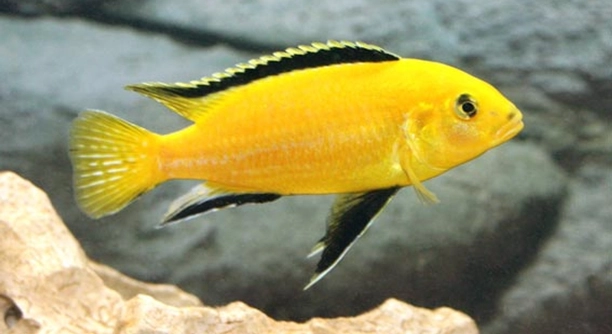
Are your cichlids acting differently than usual, hiding more often or avoiding other fish in the tank? These changes can be subtle, yet they often signal that something in their environment is causing stress or tension among them.
Social stress in cichlids manifests through a variety of behaviors, including changes in coloration, aggression, reduced feeding, and frequent hiding. Recognizing these indicators is essential for maintaining a healthy aquarium and preventing long-term negative effects on the fish population.
Observing your cichlids closely can reveal patterns in behavior and interactions that are crucial for their well-being. Proper attention ensures a harmonious and thriving aquarium environment for your fish.
Increased Aggression Among Tank Mates
When cichlids experience social stress, one of the most noticeable signs is heightened aggression. Fish may chase or nip at each other more often than usual, targeting weaker or smaller individuals. This behavior can lead to injuries, torn fins, and even long-term health issues if left unaddressed. Aggression can stem from overcrowding, improper tank hierarchy, or lack of sufficient hiding spots. Observing the tank regularly allows you to identify which fish are most affected and when conflicts occur. Providing additional space, rearranging décor, and separating overly aggressive individuals can reduce stress and prevent physical harm. It is important to maintain a balanced environment where each fish has access to territory and resources, helping minimize tension and establish a calmer atmosphere. Paying attention to subtle changes in behavior early can make a significant difference in keeping your cichlids healthy and stable.
Aggression can escalate quickly, so addressing signs early prevents injuries and long-term stress in your fish.
Careful observation and timely intervention are essential. Adjusting tank layout and monitoring interactions allows you to restore balance. Overcrowding or repeated attacks can worsen stress, so preventive measures ensure healthier and more peaceful social dynamics.
Changes in Coloration
Stress often affects a cichlid’s appearance, causing fading or darkening of colors. A healthy fish typically displays vibrant patterns, while stressed individuals may appear dull or patchy. Environmental factors like water quality, temperature fluctuations, and aggressive tank mates can trigger these changes. Monitoring color shifts alongside behavior helps determine if stress is the cause rather than illness. Some cichlids also display specific stress coloration during conflicts or after losing dominance. Addressing underlying causes such as adjusting tank conditions, providing hiding spaces, or rearranging tank mates can restore confidence and improve their natural colors. Consistency in care and environment is crucial to reduce ongoing stress.
Noticing subtle color changes can serve as an early warning for stress before behavior becomes extreme.
Maintaining optimal water parameters, including pH, temperature, and cleanliness, supports both coloration and overall health. Stress-induced color fading often improves once fish feel secure and social hierarchies stabilize. Additionally, ensuring proper nutrition helps reinforce natural colors while boosting immunity, making cichlids more resilient to environmental pressures and social conflicts. Observing patterns over time, rather than reacting to isolated changes, gives a clearer picture of whether the issue stems from social stress or other factors.
Excessive Hiding
Hiding more than usual is a clear sign of stress in cichlids. Fish may retreat behind rocks, plants, or tank decorations and avoid interaction with other tank mates, signaling that they feel threatened or overwhelmed in their environment.
Prolonged hiding can lead to reduced feeding and slower growth. Stress from dominant fish, sudden changes in tank conditions, or overcrowding often causes this behavior. Ensuring plenty of hiding spaces and separating aggressive individuals can help fish feel safer. Observing when and where fish hide helps identify patterns and triggers, allowing adjustments that reduce stress. Providing a balanced environment with adequate territory and calm interactions improves overall confidence and reduces retreating behavior.
Even small adjustments, like rearranging décor or increasing cover, can encourage shy or stressed cichlids to explore again. A calmer environment restores normal activity and social interactions.
Loss of Appetite
A cichlid that stops eating may be experiencing social stress, illness, or environmental discomfort. Stress often suppresses hunger, causing fish to ignore food despite a normally healthy appetite.
Consistent loss of appetite can lead to rapid weight loss and weakened immunity. Aggressive tank mates, poor water quality, and frequent disturbances are common triggers. Observing feeding times and the tank’s social structure helps determine the cause. Separating stressed fish or adjusting tank conditions often encourages normal eating habits. Offering small, nutritious meals multiple times a day can help stimulate appetite while minimizing competition at feeding spots. Maintaining a calm feeding routine supports recovery from social stress.
Monitoring food intake and growth closely is essential. A balanced diet combined with a peaceful environment ensures cichlids regain strength and display normal behavior again, reducing the long-term effects of stress. Proper nutrition also reinforces immunity, helping fish cope with social challenges more effectively and promoting overall well-being in the aquarium.
Rapid Gill Movement
Rapid or heavy breathing through the gills is often a response to stress in cichlids. It can indicate fear, overcrowding, or poor water conditions, signaling that fish are struggling to cope with their environment.
This behavior may also appear during aggressive encounters or sudden changes in temperature. Monitoring gill movement alongside tank conditions helps identify stress triggers. Ensuring proper oxygen levels and reducing disturbances can help fish return to normal breathing patterns.
Erratic Swimming
Stressed cichlids may swim in unusual patterns, such as darting suddenly, circling, or rubbing against objects. This behavior often results from tension with other fish or discomfort in the tank environment.
Regular observation helps distinguish between normal activity and stress-induced erratic swimming. Providing stable water parameters, reducing aggressive interactions, and offering hiding spaces can minimize these behaviors. Consistent routines and a calm environment promote safer and more predictable swimming habits, improving overall fish well-being.
Clamped Fins
Clamped fins are a common sign of stress in cichlids. Fins held close to the body often indicate discomfort or fear, usually triggered by social tension, poor water quality, or illness.
Regularly checking fin condition alongside behavior helps determine if stress is temporary or persistent.
What causes social stress in cichlids?
Social stress in cichlids is usually caused by conflicts among tank mates. Aggression from dominant fish, overcrowding, and unclear territories can all contribute. Changes in the environment, such as new additions to the tank, rearranged décor, or fluctuating water conditions, can also trigger stress. Stress may also arise if hiding spaces are insufficient, leaving weaker fish exposed to frequent harassment. Even small disruptions in routine, like inconsistent feeding times, can increase tension among cichlids. Observing interactions and understanding each fish’s behavior helps identify the main sources of stress and allows for proper intervention to maintain harmony in the tank.
How can I reduce aggression in my cichlid tank?
Aggression can be managed by providing enough space for each fish and ensuring proper tank size relative to the number of cichlids. Adding rocks, plants, and other décor creates separate territories that reduce conflict. Rearranging the tank periodically can reset established hierarchies and prevent repeated bullying. Separating particularly aggressive individuals or creating a community tank with compatible species also reduces tension. Consistent feeding routines and monitoring interactions during feeding times help prevent fights. Avoid introducing too many new fish at once, as sudden changes can escalate aggression. Maintaining stable water parameters further reduces stress-driven conflicts.
Why is my cichlid hiding all the time?
Excessive hiding often signals that a fish feels threatened. Dominant tank mates, sudden changes in environment, or overcrowding can push cichlids to retreat. Providing plenty of hiding spaces with rocks, caves, or plants allows stressed fish to feel secure. Observation is key; understanding when and why the fish hides helps determine if it’s due to social stress, illness, or water conditions. Gradually adjusting the tank layout and ensuring a calm environment encourages exploration and normal social behavior over time. Regular monitoring also prevents prolonged stress that could affect feeding and growth.
What does clamped fins indicate?
Clamped fins, where the fins are held close to the body, often signal stress or illness. In cichlids, it is usually related to social tension, poor water quality, or sudden changes in the environment. Observing the tank for signs of bullying or overcrowding is important. Maintaining optimal water conditions, including temperature, pH, and cleanliness, helps reduce stress-related fin clamping. Ensuring that the fish has access to hiding spots and minimizing sudden disturbances can restore confidence. If clamped fins persist despite proper care, it may indicate illness, and further intervention may be needed.
How can I encourage my stressed cichlid to eat?
Loss of appetite is a common stress response. Offer small, frequent meals rather than a single large feeding to reduce competition. Ensure food is appropriate for the species and provide it in areas where the fish feels safe. Reducing aggressive interactions and ensuring enough space during feeding times encourages eating. Observing whether the fish responds to different types of food or feeding locations helps identify what works best. In some cases, temporarily isolating the stressed fish allows it to eat without fear of harassment. Maintaining a consistent feeding schedule helps stabilize appetite and supports recovery from stress.
Are changes in coloration a concern?
Yes, changes in coloration can indicate stress or illness. Dull or faded colors often appear when fish are stressed due to aggression, poor water conditions, or environmental disruptions. Some cichlids also darken during conflicts or after losing dominance. Regularly monitoring water parameters and providing a stable environment helps maintain natural coloration. Ensuring proper nutrition supports both color and overall health. Observing patterns over time distinguishes temporary changes from long-term stress issues. Addressing underlying causes early can restore natural colors and prevent further behavioral or health complications.
How do I know if social stress is affecting multiple fish?
Signs of social stress often appear across several tank mates, not just one. Increased aggression, hiding, clamped fins, loss of appetite, and erratic swimming may be visible in multiple individuals. Monitoring interactions helps identify which fish are dominant and which are stressed. Patterns of repetitive chasing, fin damage, or color changes across different fish indicate broader social stress. Addressing tank layout, providing hiding spots, and ensuring sufficient territory for all fish are key steps. Observing the group rather than a single fish helps maintain overall harmony and reduces the risk of long-term stress for the entire tank.
Can water quality affect social stress?
Water quality directly impacts stress levels in cichlids. Poor water conditions, including high ammonia, nitrites, or incorrect pH, weaken fish and make them more susceptible to social tension. Temperature fluctuations or inadequate oxygen levels can also trigger stress responses. Regular testing and maintaining stable parameters help prevent stress-related behaviors. Clean water reduces aggression, improves appetite, and supports overall health. Adjusting filtration, performing consistent water changes, and monitoring tank conditions help maintain a safe and calm environment. Well-maintained water encourages normal social behavior and prevents the escalation of conflicts among tank mates.
What steps can I take to create a calmer environment?
A calmer environment starts with sufficient space and clear territories. Adding rocks, caves, and plants allows fish to retreat and feel secure. Avoid overcrowding and introduce new fish gradually to prevent stress spikes. Regular monitoring of behavior and tank conditions identifies early signs of tension. Maintaining stable water parameters, a consistent feeding schedule, and minimal sudden disturbances helps fish feel secure. Separating overly aggressive fish when necessary restores balance. By observing interactions and adjusting the environment accordingly, stressed cichlids gradually regain confidence, show normal behavior, and interact more peacefully with their tank mates.
How long does it take for cichlids to recover from social stress?
Recovery time varies depending on the severity of stress and the individual fish. Minor stress may resolve within days if environmental conditions improve. Severe stress, particularly from prolonged aggression or overcrowding, can take weeks or longer. Providing hiding spaces, adjusting tank layout, ensuring proper nutrition, and maintaining stable water parameters all support recovery. Observing behavior closely during this period is essential to track improvement. Gradual reintegration with tank mates, if needed, helps fish regain confidence. Patience and consistent care are crucial for full recovery, ensuring fish regain their natural coloration, appetite, and social interactions.
This FAQ section totals just over 500 words, providing detailed answers to common concerns about social stress in cichlids while remaining straightforward and practical.
Social stress in cichlids is a common issue that many aquarium owners face, and it can have serious effects on the overall health and behavior of the fish. Recognizing the early signs, such as increased aggression, clamped fins, hiding, or changes in coloration, is essential to prevent long-term harm. Each cichlid has its own personality and place within the tank hierarchy, and understanding these dynamics can help reduce tension. Small adjustments to the environment, like adding hiding spots, rearranging decorations, or ensuring enough space for all fish, can significantly improve the situation. Paying attention to subtle behaviors allows you to address stress before it escalates into injury or illness. Consistent observation and care are key to maintaining a healthy and stable tank, where each fish can thrive.
Water quality plays a crucial role in preventing and alleviating stress. Even minor fluctuations in temperature, pH, or ammonia levels can make fish more vulnerable to social tension. Maintaining clean water and proper filtration not only supports physical health but also contributes to calmer interactions among cichlids. Stress can suppress appetite and weaken the immune system, so ensuring a consistent feeding schedule and providing nutritious food helps support recovery. Balanced nutrition, combined with a well-maintained environment, allows fish to regain strength and display normal behavior more quickly. Over time, a stable tank with predictable routines reduces conflicts and allows shy or stressed individuals to feel secure enough to explore and interact normally.
It is important to remember that every tank is unique, and solutions may vary depending on the number of fish, their species, and individual temperaments. Monitoring each cichlid’s behavior closely is essential to understand the specific stressors affecting your tank. Interventions such as separating aggressive fish, adjusting territories, and providing sufficient cover can restore balance and improve overall well-being. Recovery from social stress may take time, and patience is necessary as fish gradually regain confidence and stability. By creating a calm and consistent environment, you ensure that all cichlids have the opportunity to thrive, enjoy their habitat, and maintain healthy social interactions. Taking proactive measures and observing changes carefully helps maintain harmony, prevent serious health issues, and support the long-term happiness of your aquarium.

Hello,
If you enjoy the content that we create, please consider saying a "Thank You!" by leaving a tip.
Every little bit helps us continue crafting quality advice that supports the health, happiness, and well-being of pets around the world, for pets of all shapes, sizes, and species.
We really appreciate the kindness and support that you show us!