
Have you ever noticed how quickly your Electric Yellow Cichlid seems to change over just a few weeks? Watching them grow can be exciting and sometimes a little confusing, especially if you are new to keeping cichlids.
Electric Yellow Cichlids progress through distinct growth stages, starting from fry to juvenile and finally adult fish. Each stage involves specific size, coloration, and behavioral changes that are influenced by diet, tank conditions, and overall health management.
Understanding these stages will help you provide the right care at each phase of your cichlid’s life. Observing their development closely ensures they thrive in your aquarium environment.
Fry Stage
The fry stage of Electric Yellow Cichlids begins immediately after hatching. At this point, the tiny fish are barely visible to the naked eye, often hiding among plants or gravel. Their diet should consist of finely crushed flake food or specialized fry food to support rapid growth. Water quality is especially critical during this stage, as fry are sensitive to changes in temperature, pH, and ammonia levels. Frequent small water changes help maintain a stable environment, reducing stress and preventing disease. Observing their swimming and feeding patterns is important, as active fry generally indicate good health. Some fry may grow faster than others, and separating the larger ones can prevent competition for food. Lighting should be gentle, and the tank should avoid strong currents that could harm the delicate fry. At this early stage, the focus is on survival, steady growth, and building immunity.
Fry require constant monitoring and gentle care to ensure they survive and grow properly during these first critical weeks.
Even though fry are tiny, this stage sets the foundation for their future growth. A well-maintained tank with clean water, proper feeding, and minimal stress allows fry to develop strong bodies and vibrant coloring as they approach the juvenile stage. Their behavior begins to shift slightly, with more active swimming and exploratory movement. Ensuring they receive enough nutrition without overfeeding is key, as overfeeding can pollute the water quickly. Using a mix of dry and live foods often promotes better growth and early development.
Juvenile Stage
Juvenile Electric Yellow Cichlids are noticeably larger and more active than fry, displaying brighter yellow coloration and more defined markings.
During the juvenile stage, fish require a balanced diet rich in protein and essential nutrients to support growth. Tank decorations such as rocks and hiding spots encourage natural behaviors while reducing aggression. Regular water changes and maintaining a stable pH and temperature are crucial. As juveniles grow, they may begin to show territorial behavior, so spacing and monitoring interactions is important. Some juveniles may grow faster, and selectively feeding smaller fish can prevent competition. At this stage, their fins and body structure start to resemble adult fish, and their personalities emerge more clearly. It’s also a time to gradually introduce them to other tankmates, observing how they interact.
This stage is important for developing strong, healthy fish capable of thriving in adult conditions. Proper care and observation now ensure a smooth transition to maturity, promoting vibrant colors, strong bones, and active, confident behavior. Adjusting diet, monitoring water quality, and providing suitable space for growth helps prevent stunted development and stress-related illnesses. Juveniles also respond well to moderate light cycles and stable temperatures, which encourage natural activity levels. Social interaction becomes more apparent, and their feeding habits solidify into patterns that will continue into adulthood. Watching their distinct behaviors emerge can be rewarding and informative for maintaining long-term health.
Adult Stage
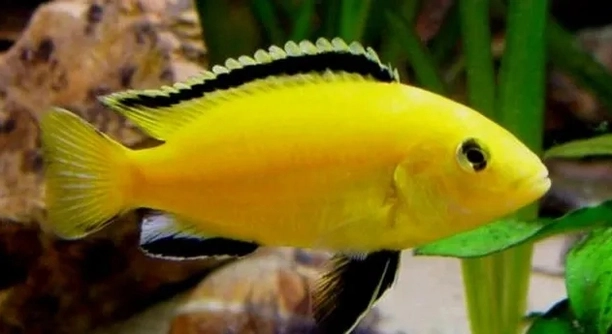
Adult Electric Yellow Cichlids are fully grown, with bright yellow coloration and well-defined body shapes. At this stage, they require a stable diet, proper tank conditions, and enough space to reduce aggression and maintain health.
Maintaining adult cichlids involves a balanced diet, including high-quality flakes, pellets, and occasional live or frozen foods. Tank size and decorations are crucial to prevent territorial disputes, as adults can be more aggressive. Monitoring water quality, including pH, temperature, and ammonia levels, ensures a stable environment that supports health and coloration. Adults are more resilient than juveniles, but stress and poor nutrition can still impact growth, behavior, and lifespan. Regular observation helps identify health issues early, such as fin rot or signs of disease.
Adult Electric Yellow Cichlids also benefit from consistent feeding routines and occasional enrichment through rearranged decorations or new hiding spots. Observing social interactions helps manage aggression and breeding behavior, as adults may form pairs or small groups. Maintaining water cleanliness and monitoring dietary intake keeps their vibrant color and overall fitness. Their behavior becomes predictable, and they often display established hierarchies within the tank, making care more straightforward compared to earlier stages.
Sexual Maturity
Sexual maturity in Electric Yellow Cichlids is usually reached between six and twelve months, depending on growth conditions and diet.
During sexual maturity, males and females develop distinct physical traits, such as brighter coloration in males and slightly rounder bellies in females. This stage requires careful monitoring of tank dynamics, as aggression may increase and territorial behavior becomes more pronounced. Providing sufficient hiding spots and space helps minimize conflicts while supporting natural behaviors. Breeding pairs should be observed to ensure compatibility and prevent stress-related injuries. Maintaining optimal water quality and nutrition supports reproductive health, while a varied diet encourages readiness for spawning.
Managing sexually mature cichlids involves adjusting their environment and diet to accommodate reproductive behavior. Males may become more territorial, and females may exhibit nesting behaviors, often selecting flat surfaces or small caves for egg-laying. Observing interactions helps prevent aggressive encounters and ensures both fish remain healthy. Proper nutrition supports egg development and overall vitality, while maintaining consistent water conditions reduces stress that can hinder reproduction. Adults in this stage require more attention to behavior, as their interactions can affect the entire tank dynamic.
Color Development
Color development in Electric Yellow Cichlids becomes noticeable as juveniles grow, with yellow hues intensifying over time. Proper diet and stable water conditions are key factors that enhance vibrant coloration.
Stress, poor nutrition, or inconsistent water quality can dull their colors. Regular observation and a balanced environment support healthy pigment expression.
Feeding Habits
Electric Yellow Cichlids’ feeding habits evolve with each growth stage. Fry eat finely crushed foods, juveniles prefer high-protein pellets, and adults benefit from a varied diet including flakes, frozen, or live foods. Feeding frequency should decrease as they mature, matching their metabolic needs. Consistent feeding routines help prevent overeating and maintain water quality.
Tank Size Requirements
Tank size impacts growth and behavior. Smaller tanks can stunt growth and increase aggression. A minimum of 30 gallons is recommended for a pair, with larger tanks needed for groups. Adequate space allows natural swimming patterns and reduces stress, promoting overall health.
FAQ
How fast do Electric Yellow Cichlids grow?
Electric Yellow Cichlids grow relatively quickly compared to some other cichlid species. Fry can double in size within a few weeks if they are provided with proper nutrition and stable water conditions. Juveniles continue to grow steadily, reaching near-adult size around six to eight months. Growth can vary depending on diet, tank size, and water quality. Consistently clean water and high-quality foods, including flakes, pellets, and occasional live or frozen foods, support healthy development. Avoid overfeeding, as excess food can pollute the tank and slow growth. Observing your fish regularly helps track progress and identify any issues early.
What should I feed Electric Yellow Cichlids at different stages?
Fry require finely crushed flake food or specialized fry food multiple times a day, ensuring they get enough nutrients without fouling the water. Juveniles need high-protein flakes or pellets, sometimes supplemented with frozen or live foods, fed two to three times daily. Adults thrive on a varied diet, including high-quality flakes, pellets, and occasional live foods such as brine shrimp or bloodworms. Feeding schedules should gradually reduce in frequency as the fish mature, matching their slower metabolism. A balanced diet helps maintain bright coloration, strong bones, and overall health. Overfeeding should be avoided to prevent water quality issues and obesity.
How do I know when my cichlids are sexually mature?
Sexual maturity usually occurs between six and twelve months. Males develop brighter yellow coloration and more pronounced fin shapes, while females may show a rounder belly, especially if carrying eggs. Behavioral changes, such as increased territoriality and nesting behavior, indicate readiness for breeding. Monitoring interactions between males and females is essential to prevent fights or stress-related injuries. Providing adequate space, hiding spots, and stable water conditions supports reproductive health. A varied diet rich in protein encourages successful spawning. Recognizing these signs allows careful management of breeding pairs and prevents unnecessary aggression in a community tank.
What tank conditions are best for growth?
Stable water temperature between 75–82°F, pH levels around 7.5–8.5, and low ammonia and nitrate levels are essential. Frequent small water changes maintain cleanliness, especially during fry and juvenile stages. Adequate tank size reduces stress and aggression, while decorations like rocks, caves, and plants provide hiding spots and encourage natural behavior. Avoid overcrowding, as it can stunt growth and increase fighting. Gentle filtration and moderate lighting help maintain a safe and comfortable environment. Regular monitoring of water parameters ensures that your cichlids remain healthy and vibrant throughout all growth stages.
Can Electric Yellow Cichlids live with other fish?
Yes, but caution is needed. They are semi-aggressive, especially as adults or during breeding. Compatible tankmates include other similarly sized African cichlids or fast-moving species that can tolerate territorial behavior. Avoid small, slow, or overly passive fish that may be harassed. Proper tank size, hiding spots, and monitoring interactions help reduce conflicts. Introducing fish gradually allows everyone to adjust. Maintaining a balanced male-to-female ratio also prevents excessive aggression. Observing behavior closely ensures that all fish remain healthy, stress-free, and able to grow without interference.
How can I enhance their color naturally?
A varied diet rich in carotenoids and high-quality proteins enhances yellow pigmentation. Foods like shrimp, spirulina, and specially formulated color-enhancing pellets support vibrant coloration. Consistent water quality, minimal stress, and adequate lighting also improve color intensity. Avoid sudden environmental changes, as stress can dull their appearance. Over time, with proper nutrition and care, their bright yellow hues develop fully, particularly in males. Regular observation ensures that color changes indicate health rather than stress or illness.
What are common growth problems?
Slow growth or stunted development often results from poor water quality, inadequate tank size, or unbalanced nutrition. Overcrowding increases stress and limits access to food, while inconsistent temperature or pH levels can suppress growth. Disease or parasitic infections may also affect size and health. Monitoring water parameters, providing a spacious tank, and maintaining a balanced diet prevent most issues. Regular observation allows early detection of health problems, ensuring interventions can be made quickly to keep fish growing steadily and maintain their vibrant coloration.
When should I separate fish by size?
Separating fry or juveniles by size prevents competition for food and reduces bullying. Larger fish may dominate smaller ones, limiting growth opportunities. Grouping similarly sized fish ensures all individuals receive adequate nutrition and reduces stress. Adults usually establish stable hierarchies, so separation is less critical unless aggression becomes severe. Observing feeding behavior and interactions helps determine when separation is necessary, ensuring balanced growth and healthy tank dynamics.
How long do Electric Yellow Cichlids live?
With proper care, Electric Yellow Cichlids can live up to 8–10 years. Lifespan depends on diet, water quality, tank size, and disease prevention. Maintaining consistent care and avoiding stress factors supports long-term health. Regular observation of behavior and physical condition helps detect early signs of illness, maximizing their lifespan.
What signs indicate health problems during growth?
Indicators include dull coloration, reduced activity, loss of appetite, clamped fins, or erratic swimming. Fry may fail to grow if stressed or underfed. Juveniles and adults may show aggression spikes or fin damage. Monitoring water quality, feeding, and interactions helps prevent and address these issues early.
Final Thoughts
Electric Yellow Cichlids are fascinating fish to watch as they progress through their growth stages. From tiny fry to vibrant adults, each stage has its own requirements and challenges. Fry are delicate and need careful attention to water quality, gentle feeding, and a safe environment. They grow quickly when these needs are met, and small adjustments in diet or tank conditions can make a noticeable difference. Observing fry closely is important because early growth sets the foundation for a healthy, strong adult fish. Even minor stressors, like sudden temperature changes or overcrowding, can slow their development. Providing clean water, a balanced diet, and a calm environment allows them to thrive and develop their bright yellow coloration as they grow.
Juveniles are more active and require different care compared to fry. Their diet shifts to higher protein foods, and they begin to establish social hierarchies within the tank. Aggression may appear, especially among males, so it is important to provide hiding spots and sufficient space. Tank decorations like rocks and caves not only reduce stress but also allow the fish to express natural behaviors. Regular monitoring of water parameters remains crucial, as juveniles are still sensitive to changes in pH, temperature, or ammonia levels. Observing feeding habits helps ensure that each fish receives adequate nutrition without overfeeding, which can lead to poor water quality. During this stage, their personalities start to show, and they become easier to understand in terms of behavior and interaction. Paying attention to their needs during the juvenile stage ensures they reach adulthood in good health.
Adult Electric Yellow Cichlids are fully grown, but they still require consistent care to maintain health and coloration. Adults are more resilient than fry or juveniles, yet stress, poor water quality, or improper nutrition can still affect their growth, behavior, and lifespan. Proper tank size, stable water conditions, and a balanced diet are key for maintaining vibrant color and strong immune systems. Sexually mature adults may show territorial or breeding behaviors, which require careful observation and management to prevent conflicts. Feeding schedules should be adjusted to match their slower metabolism, and occasional enrichment such as rearranged decorations helps keep them active and engaged. With attention to diet, water quality, and social interactions, Electric Yellow Cichlids can thrive for many years, providing a colorful and lively addition to the aquarium. Their development from fry to adult is rewarding to witness, and consistent care ensures they remain healthy and vibrant throughout each stage of life.

Hello,
If you enjoy the content that we create, please consider saying a "Thank You!" by leaving a tip.
Every little bit helps us continue crafting quality advice that supports the health, happiness, and well-being of pets around the world, for pets of all shapes, sizes, and species.
We really appreciate the kindness and support that you show us!