
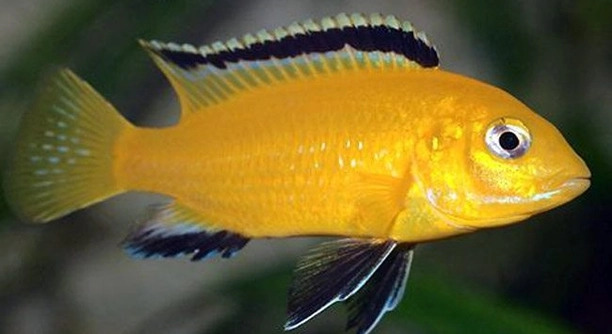
Keeping an Electric Yellow Cichlid can be rewarding, but many aquarists find their tankmates don’t always get along. These bright fish are lively and bold, which sometimes causes unexpected tension in community aquariums.
Electric Yellow Cichlids often display aggression toward certain tankmates due to territorial behavior and dominance instincts. Fish that are slower, less assertive, or similar in color can trigger stress, reducing overall health and harmony within the aquarium environment.
Knowing which fish may not mix well helps you maintain a balanced tank, ensuring your cichlids and other fish coexist without constant conflict.
Aggressive Tankmates
Electric Yellow Cichlids are naturally territorial, and pairing them with equally aggressive fish can quickly lead to constant fighting. Fish like Red Devil Cichlids or Jack Dempseys may challenge them for space and resources. Conflicts are often more than minor squabbles; they can result in injuries, stress, and a weakened immune system. Even when there seems to be enough space, these fish will defend every inch of territory. Aggression usually increases during feeding times or when hiding spots are limited. It’s not just about who is bigger; cichlids remember past confrontations and may hold grudges. Smaller or slower-moving fish are often targets of bullying, but similar-sized aggressive fish can escalate the tension. Proper tank management, including adequate decorations and visual barriers, can reduce stress but may not fully prevent conflicts. Observing behavior regularly helps you identify issues early and adjust tankmates before serious problems arise.
Maintaining aggressive fish with Electric Yellow Cichlids often leads to persistent stress and possible injury. Careful planning of tankmates is essential.
Aggressive interactions affect not only the targeted fish but also the cichlids themselves. Constant fighting uses up energy, making them less active and more prone to disease. Tankmates may hide or refuse food, which impacts growth and overall health. Choosing more peaceful species or providing separate areas in the tank helps maintain balance. Monitoring fish behavior daily can catch early signs of dominance struggles before serious harm occurs. Over time, proper selection and tank arrangement allow Electric Yellow Cichlids to thrive without constant tension, creating a calmer environment for everyone.
Slow-Moving Fish
Electric Yellow Cichlids may unintentionally stress slower fish in the tank. Their speed and curiosity often overwhelm these tankmates.
Slower species, such as some catfish or bottom-dwelling fish, can become stressed or harassed. Their inability to compete for food or escape rapid movements makes them easy targets. This stress can manifest as hiding, loss of appetite, or faded coloration. Even with peaceful intentions, Electric Yellow Cichlids’ natural behavior can create tension for these fish. Ensuring ample hiding spaces and feeding stations can help reduce pressure. Separating slow-moving species or providing a larger tank with distinct zones allows all fish to coexist with less conflict. Observation and intervention are important to maintain a healthy, calm environment. Over time, careful planning prevents chronic stress and helps each fish thrive in its designated space.
Other Brightly Colored Cichlids
Brightly colored cichlids like Yellow Labs or African Cichlids can trigger rivalry. Similar colors often make Electric Yellow Cichlids perceive them as competitors, increasing aggression and tension in the tank.
Color similarity creates visual competition. Electric Yellow Cichlids may attack or chase tankmates that resemble them, seeing them as threats to territory or mating opportunities. This behavior can lead to constant stress, injuries, and interrupted feeding for both parties. Even in large tanks, visual dominance plays a role, and these conflicts are not always easy to prevent. Tank design, including hiding spots and dividers, helps, but careful pairing is still the best approach.
Brightly colored cichlids also compete for attention during feeding. They tend to eat quickly and assertively, often outcompeting slower or less confident fish. Over time, this can cause smaller fish to lose weight or become withdrawn. Managing feeding schedules and using multiple feeding spots can reduce food-related tension. Observing interactions closely allows you to intervene if aggression becomes excessive. Even with precautions, pairing similar-colored cichlids should be done carefully to maintain harmony in the tank.
Tiny or Timid Fish
Small or timid fish are often stressed by Electric Yellow Cichlids’ bold behavior. They may hide constantly or avoid feeding areas.
Timid species like tetras or rasboras can suffer when housed with Electric Yellow Cichlids. The larger, more assertive cichlids dominate swimming space, feeding zones, and hiding areas. This constant pressure leads to stress, reduced activity, and weakened immune systems in the smaller fish. Timid fish may become withdrawn, losing their natural behaviors and color vibrancy over time. Adding sufficient decorations, hiding spots, and visual barriers can provide temporary relief, but these measures may not fully prevent ongoing stress. Selecting peaceful tankmates that can tolerate more assertive neighbors is essential to maintain a balanced aquarium environment.
Bottom Dwellers
Bottom-dwelling fish like loaches or corydoras often face harassment from Electric Yellow Cichlids. Their slower movements and constant presence on the substrate make them easy targets for chasing or nipping.
Even when peaceful, bottom dwellers can’t escape the persistent activity of cichlids. This leads to stress, hiding, and uneven feeding. Tank layout and hiding areas help but don’t completely eliminate tension.
Slow-Growing Fish
Slow-growing species struggle to compete for food and space. Electric Yellow Cichlids’ fast, assertive feeding habits often leave these fish undernourished, affecting health and growth over time. Regular monitoring and supplemental feeding can reduce risk, but pairing should be done cautiously to prevent ongoing competition.
Similar-Sized Aggressors
Cichlids of a similar size can spark dominance battles. Equal strength and size often lead to repeated chasing and territorial fights, which stress all involved fish and can result in injuries if not carefully managed.
What tankmates should I avoid with Electric Yellow Cichlids?
Avoid pairing Electric Yellow Cichlids with aggressive cichlids like Red Devils or Jack Dempseys. Slow-moving or timid fish, including small tetras and rasboras, are also poor choices. Brightly colored cichlids of similar size can spark rivalry, while bottom dwellers such as loaches and corydoras often face harassment. Tank planning is crucial to reduce stress and injuries.
Can smaller fish survive with Electric Yellow Cichlids?
Smaller fish may survive but often experience high stress. Electric Yellow Cichlids are bold and assertive, frequently dominating swimming space and feeding areas. Timid or slow species can become withdrawn, refuse food, or fade in color. Providing ample hiding spots and multiple feeding zones helps, but some stress is unavoidable. Choosing peaceful, similarly sized tankmates is safer for long-term health.
Why do Electric Yellow Cichlids attack fish of similar color?
Electric Yellow Cichlids rely on visual cues to establish dominance and territory. Fish with similar colors are perceived as rivals, prompting chasing or nipping. Even without direct aggression, constant proximity to visually similar fish increases tension. Using dividers, decorations, and proper tank spacing can reduce incidents, but careful pairing is still the best approach.
Do hiding spots prevent aggression?
Hiding spots reduce stress but do not fully prevent aggression. Cichlids may patrol the tank or chase rivals near cover. Decorations, caves, and plants offer temporary refuge, giving smaller or timid fish places to retreat. Multiple feeding stations also reduce competition and tension, though consistent monitoring is essential to maintain a calm environment.
How do I know if my tankmates are stressed?
Stressed fish may hide constantly, refuse food, or lose color vibrancy. Unusual aggression or passive behavior often signals imbalance in the tank. Smaller or timid fish are most affected, while similarly sized cichlids may show repetitive chasing. Observing interactions daily allows early intervention and prevents long-term health issues.
Is tank size important for reducing conflict?
Tank size plays a major role in reducing conflict. Larger tanks provide more swimming space, separate zones, and visual barriers. Crowded tanks increase stress and aggression, while well-planned environments allow natural behaviors. Even with sufficient space, careful selection of compatible species remains necessary to avoid dominance disputes.
Can feeding strategies help manage aggression?
Feeding strategies are effective in reducing food-related aggression. Using multiple feeding spots and evenly distributing food prevents dominance by faster or bolder fish. Feeding smaller portions more frequently ensures all fish get proper nutrition and minimizes chasing or bullying during meals.
Are Electric Yellow Cichlids compatible with community tanks?
Compatibility depends on species selection and tank setup. Peaceful, similarly sized fish with strong swimming skills and plenty of hiding areas can coexist with cichlids. Aggressive, timid, or slow-moving fish often experience stress or injury. Observing behavior and adjusting tankmates is essential to maintain harmony.
How can I safely introduce new fish to a cichlid tank?
Introduce new fish carefully using quarantine procedures to prevent disease. Add fish slowly, ideally in neutral zones or with visual barriers. Monitor interactions closely for aggression. Temporary partitions or rearranged decorations help new tankmates establish territory while reducing immediate conflict. Early intervention prevents injuries and stress.
Do cichlids always remember past fights?
Yes, Electric Yellow Cichlids have strong memory for territorial disputes. They may hold grudges and repeatedly target previous rivals, increasing stress and aggression. This behavior reinforces the importance of compatible tankmates, careful introductions, and ongoing observation to maintain a peaceful environment.
Can stress affect breeding success?
Stress from incompatible tankmates can reduce breeding success. Aggression, constant chasing, or inadequate hiding spots can weaken fish, suppress mating behaviors, and lower fertility. Providing sufficient space, compatible companions, and a calm environment supports healthier reproduction and reduces negative interactions.
Is it possible to reverse bad tankmate decisions?
Yes, but it requires careful planning. Aggressive or incompatible fish may need relocation to prevent injury. Adding visual barriers, rearranging the tank, or increasing hiding spots can reduce tension temporarily. Long-term solutions often involve pairing more compatible species to maintain a stable, healthy aquarium.
What are signs that a fish is no longer compatible?
Signs include chronic hiding, constant chasing, faded color, refusal to eat, or visible injuries. Even if the fish survives, prolonged stress can weaken the immune system and reduce lifespan. Identifying these signs early allows corrective action before serious harm occurs.
How important is observation in maintaining harmony?
Observation is critical. Daily monitoring helps catch early aggression, feeding imbalances, or stress. Adjusting tankmates, feeding strategies, and tank layout based on behavior ensures long-term health and stability. Without observation, small issues can escalate into serious conflicts that are difficult to reverse.
Electric Yellow Cichlids are beautiful and lively fish that bring a lot of energy to an aquarium. Their bright color and active behavior make them enjoyable to watch, but they are not always easy to pair with other fish. Many aquarists underestimate the impact of aggression, size differences, and territorial instincts when choosing tankmates. Even fish that are generally peaceful can become stressed or injured when housed with Electric Yellow Cichlids if the environment is not carefully planned. Understanding the types of fish that do not get along with these cichlids helps prevent problems before they start, ensuring a healthier and calmer tank for all the inhabitants. Proper research and observation are key to creating a balanced environment where both cichlids and other fish can thrive without constant conflict.
Maintaining a harmonious tank requires attention to several factors. Aggressive or similarly sized cichlids often lead to repeated chasing and fights, while timid or slow-moving fish may hide constantly and refuse to eat. Brightly colored fish can trigger rivalry due to visual competition, and bottom dwellers are particularly vulnerable to harassment. Tank size, decorations, and hiding spaces can reduce tension, but they cannot fully replace careful species selection. Feeding strategies also play an important role; using multiple feeding spots and distributing food evenly ensures that no fish is left out or bullied during meals. Regular observation is essential to identify early signs of stress, aggression, or injury. Taking action quickly—whether it’s rearranging the tank, separating incompatible fish, or adjusting the environment—prevents long-term problems and keeps all fish healthier and more comfortable.
Choosing the right tankmates for Electric Yellow Cichlids is not always simple, but the effort is worth it. A well-planned tank allows fish to display natural behaviors, feed properly, and live in a stable environment with minimal stress. Even with compatible species, constant monitoring is necessary to make sure interactions remain peaceful and that no fish is suffering from hidden stress. Understanding their behavior, territorial instincts, and social dynamics makes it easier to manage the aquarium effectively. By avoiding aggressive, timid, slow-moving, or visually similar fish, and by providing sufficient space and hiding places, aquarists can enjoy the bright, lively presence of Electric Yellow Cichlids without causing harm to other tankmates. In the end, thoughtful planning and consistent care create an environment where all fish can flourish, making the aquarium a more enjoyable and balanced space for everyone involved.

Hello,
If you enjoy the content that we create, please consider saying a "Thank You!" by leaving a tip.
Every little bit helps us continue crafting quality advice that supports the health, happiness, and well-being of pets around the world, for pets of all shapes, sizes, and species.
We really appreciate the kindness and support that you show us!