
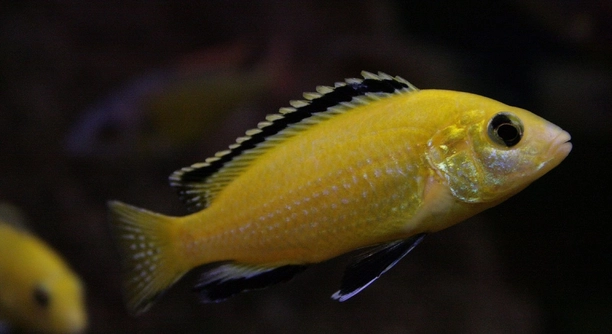
Are your cichlids acting restless or showing unusual signs in the tank? Keeping these colorful fish healthy requires more than clean water and proper food. Observing their behavior closely can help prevent serious problems.
Overcrowding in a cichlid tank can lead to increased aggression, stress, and abnormal behaviors. Fish may chase each other, hide excessively, or exhibit erratic swimming patterns. Maintaining appropriate tank size and population density is crucial for their well-being.
Monitoring these early signs can protect your fish from long-term stress. Recognizing patterns now ensures a calmer, healthier environment for your cichlids.
Increased Aggression
When cichlids are overcrowded, aggression becomes obvious very quickly. Fish may constantly chase each other or nip at fins. Territorial disputes increase, even among species that usually coexist peacefully. You might notice dominant fish taking over certain areas of the tank, preventing others from accessing hiding spots or food. This stress can weaken their immune systems and make them more prone to disease. Overcrowding forces fish into smaller spaces than they naturally prefer, triggering instinctive defense behaviors. Signs include rapid lunging, tail biting, or constant squabbling near decorations or plants. Even minor skirmishes can escalate because fish have little room to escape. Providing more space or reducing the number of fish can calm these interactions. It’s important to act before injuries occur, as damaged fins and scales can lead to infections. Observation and quick adjustments in tank population help maintain a more balanced and peaceful environment for all cichlids.
Aggressive behaviors often indicate too many fish in a tank. Reducing population or rearranging decorations can lessen conflicts effectively.
Keeping aggression in check not only protects weaker fish but also preserves harmony. Small changes in the tank setup can make a big difference.
Constant Hiding
Overcrowded cichlids often retreat into hiding spots. They may stay under rocks or decorations for most of the day, avoiding other fish completely.
Hiding continuously is a sign of stress and discomfort caused by limited space. Fish that cannot escape aggressive tank mates will spend more time concealed.
Watching your cichlids hide more than usual can help identify overcrowding early. While some species are naturally shy, persistent avoidance of open areas signals that the environment is too cramped. Overcrowding reduces available territory, forcing fish into defensive behavior. This constant stress affects feeding, as hidden fish may miss meals, leading to malnutrition or slower growth. Adjusting the tank by removing excess fish or expanding hiding areas can help. Using plants, rocks, or other structures strategically can create separate territories, reducing tension. Over time, less stressed fish will explore more, feed regularly, and display natural behaviors. Recognizing and responding to hiding patterns protects both physical health and social balance, ensuring a stable and comfortable environment for all species present.
Erratic Swimming
Erratic swimming is common when cichlids are overcrowded. Fish may dart quickly, swim in circles, or bump into tank decorations frequently. These behaviors indicate stress and lack of personal space.
Cichlids need room to move naturally, and overcrowding limits their ability to swim calmly. Rapid or unusual movements often result from constant pressure from other fish. They might try to escape perceived threats, leading to exhaustion or injury. Over time, this stress can affect their overall health, making them more susceptible to disease and reducing their lifespan. Observing swimming patterns carefully helps identify overcrowding before it becomes critical.
Erratic swimming also disrupts feeding habits. Fish may miss food, swallow it too quickly, or compete aggressively for limited portions. Adjusting tank population or layout can restore normal swimming behavior, helping cichlids regain energy and confidence in their environment.
Loss of Appetite
Loss of appetite can appear suddenly when tanks become crowded. Fish may ignore food, even during regular feeding times.
Stress from overcrowding affects digestion and appetite. Fish under constant pressure may hide while others eat or fail to compete effectively for food. This can lead to malnutrition, slower growth, and weakened immunity. It is essential to monitor feeding closely and separate or reduce overcrowded populations if needed.
Feeding behavior is a strong indicator of tank health. Healthy cichlids are usually eager during feeding, displaying natural foraging behaviors. Overcrowding can force submissive fish to miss meals repeatedly, weakening them over time. Addressing the tank setup, ensuring enough space, and offering multiple feeding points helps restore normal eating patterns. Regular observation allows you to spot subtle changes early, preventing long-term health problems and improving overall tank harmony. Ensuring each fish receives enough food keeps the population balanced and reduces stress-induced competition.
Frequent Color Changes
Cichlids may show dull or faded colors when overcrowded. Stress causes their natural vibrancy to disappear, making them look less healthy.
Color changes can signal long-term stress. Fish under constant pressure often struggle to maintain energy for normal coloration, which is an early warning of overcrowding issues.
Increased Territorial Behavior
Overcrowded tanks make cichlids fiercely defend small areas. Rocks, plants, and decorations become contested zones, leading to frequent confrontations. Fish may chase others aggressively or block access to hiding spots. Constant territorial disputes reduce rest, increase stress, and can cause injuries. Creating more space or dividing territories helps restore calm and balance.
Constant Darting
Darting across the tank repeatedly is a clear sign of stress. Fish rarely swim calmly and seem unsettled.
How can I tell if my cichlid tank is overcrowded?
Overcrowding in a cichlid tank often shows through behavior first. Look for constant chasing, hiding, or erratic swimming. Fish may display faded colors or lose interest in food. Territorial disputes around decorations or plants are also signs. Counting your fish and comparing it to the recommended stocking levels for your tank size gives a clearer picture. Observing behavior over time helps confirm whether the issue is overcrowding or temporary stress.
What is the ideal number of cichlids per gallon?
The number depends on the species, size, and temperament of the cichlids. Generally, a guideline of one inch of adult fish per gallon works for smaller species, but larger or aggressive cichlids need more space. Overcrowding increases stress, aggression, and disease risk. It is better to understock slightly than overcrowd. Tank layout, hiding spots, and filtration also affect how many fish a tank can support comfortably.
Why do cichlids hide so much in crowded tanks?
Hiding is a stress response. When fish cannot escape aggressors or have limited territory, they retreat to safe spaces. Constant hiding may lead to missed meals, slower growth, and weaker immunity. Providing more hiding spots can help temporarily, but reducing population or increasing tank size is often the only long-term solution.
Can overcrowding affect my cichlids’ health?
Yes, overcrowding causes chronic stress, which weakens the immune system. Fish may develop infections, fin rot, or internal diseases. Aggression leads to injuries, and limited space reduces natural behaviors. Over time, poor health can shorten lifespans. Monitoring behavior and adjusting stocking levels helps maintain healthier, more active fish.
How do I reduce aggression in an overcrowded tank?
Aggression can be reduced by rearranging decorations to break up territory lines, adding hiding spots, or increasing tank size. Separating highly aggressive individuals into a different tank is sometimes necessary. Feeding multiple areas simultaneously also reduces competition and helps calmer fish access food.
What changes in behavior indicate stress from overcrowding?
Key signs include darting, circling, chasing, hiding, loss of appetite, and color fading. Fish may also show frequent territorial disputes and unusual swimming patterns. Early detection allows for adjustments in population, tank layout, or feeding methods to reduce stress and prevent illness.
Is tank filtration important for preventing overcrowding issues?
Yes, strong filtration helps manage waste, but it does not replace space. Even with excellent water quality, overcrowded fish remain stressed, aggressive, and prone to illness. Filtration supports overall health but should be combined with proper stocking levels and environmental adjustments.
Can I mix different cichlid species in the same tank?
Mixing species is possible, but overcrowding increases the risk of aggression between incompatible fish. Territory sizes and temperament must be considered. Providing enough space, hiding areas, and monitoring behavior closely reduces conflicts. Avoid overstocking when combining species, as stress multiplies.
How quickly should I act if I notice overcrowding signs?
Immediate action is important. Stress and aggression can escalate rapidly, causing injuries and illness. Rearrange decorations, increase hiding spots, or remove excess fish as soon as unusual behaviors appear. The sooner the environment is balanced, the faster fish can return to normal activity.
Are there long-term effects if I ignore overcrowding?
Yes, ignoring overcrowding can result in chronic stress, stunted growth, persistent injuries, disease outbreaks, and shorter lifespans. Fish may also develop permanent behavioral issues, such as constant hiding or aggression. Maintaining proper stocking levels and observing fish regularly prevents long-term problems and ensures a healthier tank ecosystem.
What is the easiest way to prevent overcrowding in the first place?
Plan your tank before adding fish. Research adult sizes, temperament, and territorial needs. Start with fewer fish than maximum capacity, and allow for growth. Regularly monitor tank population and behavior to catch early signs of stress. Proactive planning avoids most overcrowding issues.
How can I give stressed cichlids a calmer environment?
Provide enough space, rearrange decorations to create territories, and add hiding spots. Feed food in multiple areas and maintain excellent water quality. Reducing aggressive individuals or splitting the population into separate tanks helps calm stressed fish and restores natural behaviors.
How do I know if hiding spots are enough?
If multiple fish constantly compete for the same spots or some fish still hide excessively, there are not enough. The tank should allow each fish to claim territory without constant confrontation. Additional decorations, plants, or caves can improve access and reduce stress.
Can diet help cichlids cope with overcrowding stress?
Proper nutrition supports the immune system, but it cannot eliminate stress caused by overcrowding. Feeding high-quality food in smaller, frequent portions helps weaker fish get their share and maintain health, even under temporary crowding conditions.
Overcrowding is one of the most common issues in cichlid tanks, yet it is often overlooked. Many fish owners focus on water quality, diet, and decorations, but forget that space is just as important for their fish’s health. When too many cichlids are kept in a small tank, behaviors like aggression, hiding, and erratic swimming can appear quickly. These behaviors are not random; they are signs that the fish are stressed and struggling to maintain normal patterns. Understanding what overcrowding looks like can help prevent injuries and illness. It also allows fish to grow and behave naturally. Every cichlid species has its own territorial needs, swimming habits, and social interactions. Some are more aggressive than others, which means tank size and layout must be adjusted to give each fish enough room. Providing proper space reduces stress and improves overall health, helping your cichlids look vibrant and active.
Adjusting the tank environment is a key step in managing overcrowding. Rearranging decorations, adding more hiding spots, or dividing territories can reduce stress and aggression temporarily, but these solutions work best when combined with controlling population. Overcrowding can affect feeding behavior, and weaker fish often struggle to get enough food. Using multiple feeding areas and ensuring each fish can eat without constant competition helps maintain proper nutrition. Tank filtration and water quality are also essential, as stressed fish are more prone to disease. Even the cleanest water will not prevent stress caused by limited space. Observing your fish daily and noting changes in behavior can help you catch problems early. The sooner you identify overcrowding signs, the faster you can take action to protect the fish. Over time, a balanced tank population leads to calmer, healthier fish that display natural behaviors without constant conflict.
Maintaining a healthy tank is a combination of planning, observation, and adjustments. Preventing overcrowding starts with knowing the adult size of your cichlids and their temperament. Starting with fewer fish than the tank can hold gives them room to grow and reduces competition. Regularly monitoring behavior, feeding, and health helps detect early stress signs. Addressing overcrowding quickly improves the lives of the fish and reduces long-term problems like injuries, disease, and stunted growth. Cichlids thrive when they have space to swim, territories to claim, and a calm environment. By providing proper population management, ample hiding spots, and attentive care, you can create a balanced tank that keeps fish active, healthy, and vibrant. Small changes in tank management can have a big impact on overall fish well-being, ensuring a stable and comfortable environment for all species in your care.

Hello,
If you enjoy the content that we create, please consider saying a "Thank You!" by leaving a tip.
Every little bit helps us continue crafting quality advice that supports the health, happiness, and well-being of pets around the world, for pets of all shapes, sizes, and species.
We really appreciate the kindness and support that you show us!