
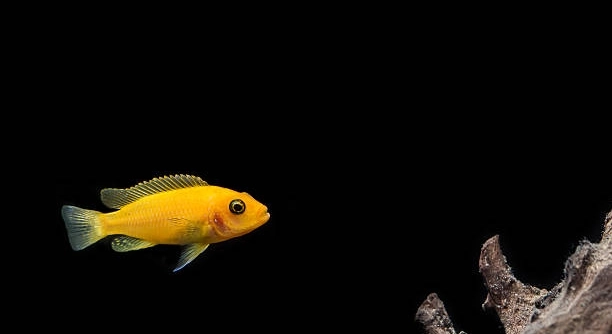
Are your electric yellow cichlids constantly darting around the tank, chasing other fish without pause? This behavior can be puzzling for new aquarium owners. Understanding the reasons behind their actions can help create a calmer environment for your fish.
Electric yellow cichlids exhibit chasing behavior primarily due to territorial instincts and social hierarchy establishment. Maintaining proper tank size, providing adequate hiding spots, and monitoring stocking density can reduce aggression and promote balanced interactions among all tank inhabitants.
Observing your cichlids closely can reveal patterns in their behavior. Knowing why they act this way allows you to manage their environment effectively and ensure a healthier aquarium dynamic.
Understanding Territorial Behavior
Electric yellow cichlids are naturally territorial fish. In a confined tank, they often stake out specific areas as their own and defend them aggressively. This behavior is more pronounced in males, who want to establish dominance over other fish. When territories overlap, chasing and nipping can occur, which can stress both the aggressor and the other fish. Providing sufficient space in the tank reduces conflicts. Adding rocks, caves, and plants gives each fish a place to claim, which lowers tension. Tank layout directly affects how these fish interact, as open spaces without hiding spots increase the likelihood of aggressive behavior. Observing their interactions helps identify which areas cause disputes. Regular monitoring and rearranging decorations can prevent long-term stress. Fish that feel safe and have their own space are less likely to chase others constantly. Proper feeding schedules also reduce competition over food and minimize aggressive encounters.
Territorial disputes are often worsened by overcrowding. Ensuring enough space prevents stress and excessive chasing.
Creating a structured environment for your cichlids improves social dynamics. By designing separate territories and providing hiding spots, aggression naturally decreases, helping all fish coexist more peacefully in the tank.
Social Hierarchy and Aggression
Electric yellow cichlids establish social hierarchies to determine which fish dominate others. These hierarchies are formed through displays of aggression, chasing, and sometimes minor nipping.
Dominance behavior is a key aspect of cichlid interaction. In a community tank, the strongest fish often chase weaker ones to assert control. Social hierarchy influences feeding order, preferred hiding spots, and breeding opportunities. Introducing new fish can disrupt established hierarchies, leading to increased chasing until roles are redefined. Males are typically more aggressive than females, and younger fish may be repeatedly targeted until they learn their place. Observing these patterns helps manage aggression by identifying which fish need extra space or separation. Adjusting tank size, adding barriers, and providing multiple feeding points can reduce conflicts. A balanced ratio of males to females also minimizes aggression. Understanding these social structures allows you to predict behavior and make interventions before injuries occur, ensuring a calmer, healthier aquarium environment.
Feeding Competition
Feeding time can trigger chasing behavior in electric yellow cichlids. They compete for food, often chasing others away to secure their share, especially in smaller tanks with limited feeding space.
Uneven distribution of food can exacerbate aggression. When some fish eat faster, others are left hungry and may be chased repeatedly while trying to access remaining food. Providing multiple feeding points and spreading flakes or pellets evenly across the tank reduces competition. Using sinking pellets also helps bottom-dwelling fish get their share. Consistent feeding schedules prevent anxiety-driven chasing because the fish learn when to expect food. Observing which fish are consistently stressed during feeding can guide adjustments to feeding methods and quantities, ensuring that all fish are nourished and less prone to aggressive encounters.
Feeding competition is not solely about hunger. Dominant fish often chase others to reinforce their status. Even when all fish are well-fed, chasing may persist unless environmental adjustments, like barriers and hiding spots, are made to reduce constant visual confrontation.
Tank Size and Environment
A small or overcrowded tank increases chasing incidents among electric yellow cichlids. Limited space leaves little room for retreat or personal territory, escalating stress and aggression.
Tank dimensions directly impact fish behavior. Electric yellow cichlids thrive in spacious aquariums where each fish can establish its own territory without frequent confrontation. Insufficient space forces overlapping territories, leading to constant chasing and stress. Adding vertical structures, caves, and dense planting provides visual barriers that break lines of sight, reducing conflict. Regularly rearranging decorations can prevent certain areas from becoming dominated by aggressive fish. Proper filtration and water quality also play a role, as poor conditions can intensify stress-related chasing. Understanding how tank layout affects social dynamics allows for proactive adjustments that promote a calmer, healthier environment for all fish.
Stress and Environmental Factors
Stress significantly increases chasing behavior in electric yellow cichlids. Sudden changes in water temperature, poor water quality, or loud disturbances can trigger aggression and persistent chasing.
Maintaining stable water conditions and minimizing sudden disturbances help reduce stress. Consistent cleaning routines, proper filtration, and gentle handling create a calmer environment, lowering the likelihood of aggressive interactions.
Gender Differences in Aggression
Male electric yellow cichlids are generally more aggressive than females. Their chasing behavior is often linked to establishing dominance and attracting mates. Males will chase both other males and sometimes females to assert control. Understanding these differences helps in managing tank dynamics and balancing social interactions.
Separating Aggressive Individuals
When aggression becomes severe, separating particularly aggressive fish is sometimes necessary. Isolation allows stressed fish to recover and reduces the overall tension in the tank.
Creating temporary or permanent separation zones using dividers or separate tanks ensures the safety and health of all fish. Monitoring interactions after reintroduction is important to prevent renewed conflicts.
Why is my electric yellow cichlid always chasing other fish?
Chasing behavior is primarily a result of territorial instincts and social hierarchy. Males are naturally more aggressive, establishing dominance over other fish. Limited space, overlapping territories, or a lack of hiding spots can amplify this behavior. Stress and competition for food also increase chasing.
How can I reduce aggression in my tank?
Providing a larger tank with clear territories helps. Adding rocks, caves, and plants creates visual barriers and hiding spots. Multiple feeding points and consistent feeding schedules reduce competition. Maintaining stable water conditions and proper filtration minimizes stress-related aggression. Rearranging decorations occasionally prevents a single fish from dominating a favored area.
Is this behavior harmful to other fish?
Persistent chasing can cause stress, injuries, and weakened immune systems in less dominant fish. Fin nipping and repeated harassment may also lead to illness. Ensuring each fish has space to retreat and monitoring interactions helps prevent long-term harm and creates a healthier environment.
Do females also chase other fish?
Females are usually less aggressive, but they may chase during breeding periods or when defending small territories. Most chasing is less intense than male behavior. Providing hiding spaces and monitoring feeding interactions ensures females are not stressed or injured by more dominant fish.
Can adding more fish reduce chasing?
Adding more fish can sometimes spread aggression, but it may also dilute attention from a single target if done carefully. Balancing the male-to-female ratio, avoiding overcrowding, and providing adequate space are essential to prevent escalating aggression. Careful observation is needed to ensure harmony.
Does tank size affect chasing?
Yes. Smaller tanks increase territory overlap and visual confrontation, leading to more chasing. Larger tanks with at least 55 gallons for a small group allow each fish to claim space, reducing conflicts. Vertical structures and hiding areas further prevent constant visual contact that triggers aggression.
Can stress cause chasing even in a well-maintained tank?
Yes. Sudden changes in water temperature, poor water quality, or loud disturbances can increase chasing. Stress heightens territorial and dominance behaviors. Maintaining stable water parameters and minimizing disruptions keeps fish calmer and reduces unnecessary aggressive encounters.
How can I feed my cichlids without causing fights?
Feed at multiple points and spread food evenly across the tank. Using sinking pellets allows bottom dwellers to eat safely. Consistent feeding times reduce anxiety-driven chasing. Observing which fish are stressed during feeding helps adjust feeding strategies for calmer interactions.
Should aggressive fish be removed from the tank?
If aggression persists despite adjustments, temporarily separating aggressive fish can protect others. Using dividers or separate tanks allows stressed fish to recover. After reintroduction, monitor interactions closely. Sometimes permanent separation is necessary for the health and safety of all tank inhabitants.
Will chasing behavior stop over time?
Chasing may decrease as social hierarchies stabilize, but it rarely disappears completely. Dominant fish will occasionally assert control. Providing proper space, environmental enrichment, and consistent care ensures aggression remains manageable and the tank remains balanced.
Can breeding increase chasing?
Yes. During breeding, males become more aggressive to defend territory and protect females. Females may also chase smaller fish away from nesting areas. Providing separate breeding zones or extra hiding spots minimizes stress on non-breeding fish and keeps aggression contained.
Are there signs that chasing is becoming dangerous?
Look for torn fins, visible injuries, stress behavior like hiding or refusal to eat, and lethargy in targeted fish. These signs indicate aggression is harming tank inhabitants. Immediate action, such as adding hiding spaces or separating aggressive fish, is necessary to prevent serious injuries.
Can rearranging the tank reduce chasing?
Reorganizing rocks, plants, and decorations can break up territories and reduce visual dominance. Changing the layout prevents aggressive fish from controlling favored areas. Frequent observation and minor adjustments maintain a calmer environment and allow less dominant fish to feel secure.
How many hiding spots are enough?
Provide multiple hiding spots proportional to the number of fish. Each fish should have access to at least one area to retreat. This reduces stress, prevents constant chasing, and allows all fish to establish their own space without direct confrontation.
Do water conditions affect aggression?
Poor water quality, fluctuating temperatures, or inadequate filtration increases stress and promotes chasing. Stable, clean water helps fish remain calm. Regular testing, consistent maintenance, and proper filtration are essential to minimize stress-related aggression and maintain a healthy tank environment.
Is chasing normal behavior for electric yellow cichlids?
Yes. Some chasing is natural due to their territorial and social instincts. Occasional chasing is expected, but excessive or injurious behavior indicates environmental issues or overcrowding that need attention. Managing space, enrichment, and social dynamics keeps chasing at a manageable level.
Can tank mates influence chasing?
Yes. Aggressive or slow-moving species may provoke chasing. Choosing compatible species with similar temperaments reduces stress and unnecessary aggression. Providing visual barriers and hiding spots helps all fish coexist more peacefully. Observation is key to maintaining a balanced community tank.
How long does it take for chasing to settle?
It varies. Hierarchies can establish within days to weeks, depending on tank size, fish number, and aggression levels. Monitoring behavior and making environmental adjustments ensures quicker stabilization and minimizes stress during this period.
What is the role of decorations in reducing chasing?
Decorations provide territory markers and hiding spots. Rocks, caves, and plants reduce line-of-sight conflicts and give less dominant fish spaces to retreat. Rearranging decorations occasionally prevents territorial monopolization and helps maintain a calmer, balanced environment for all fish.
Managing the behavior of electric yellow cichlids requires understanding their natural instincts and providing a well-structured environment. These fish are inherently territorial and social, which means chasing is a normal part of how they interact. However, constant or excessive chasing can be a sign that their environment needs adjustment. Tank size, decoration layout, hiding spots, and water quality all play significant roles in influencing their behavior. When each fish has enough space and access to its own territory, aggression tends to decrease naturally. Observing their interactions closely helps identify areas in the tank where conflicts are most likely to occur and allows timely adjustments before stress becomes a serious issue.
Feeding routines and social dynamics are closely linked to chasing behavior. Dominant fish may chase others during feeding, even when everyone is adequately nourished, as a way to reinforce hierarchy. Providing multiple feeding points and spreading food evenly throughout the tank helps reduce competition. Water quality and stability are also crucial. Stress from sudden changes, poor filtration, or inappropriate temperatures can increase aggression. Maintaining stable water conditions, regular cleaning schedules, and careful handling ensures the fish remain calmer. Environmental enrichment, such as rocks, caves, and plants, not only provides hiding spots but also allows fish to establish territories without constant confrontation. Over time, these adjustments contribute to a more peaceful tank and healthier fish.
While some chasing is natural, balancing the tank’s population and carefully monitoring social interactions can prevent chronic stress and injuries. Separating particularly aggressive individuals or introducing dividers when necessary can help maintain harmony. Recognizing signs of stress, such as torn fins, hiding, or reduced appetite, allows intervention before problems escalate. Over time, creating a structured and enriched environment helps establish stable social hierarchies and reduces persistent chasing. Understanding these factors is key to keeping electric yellow cichlids healthy, minimizing aggression, and promoting a more enjoyable aquarium experience.

Hello,
If you enjoy the content that we create, please consider saying a "Thank You!" by leaving a tip.
Every little bit helps us continue crafting quality advice that supports the health, happiness, and well-being of pets around the world, for pets of all shapes, sizes, and species.
We really appreciate the kindness and support that you show us!