
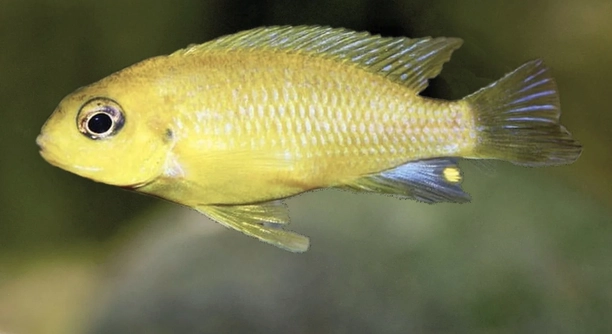
Cichlids are fascinating fish that bring color and life to any aquarium. Their behavior changes as they grow, and this includes the way they eat. Watching these changes can be both enjoyable and informative.
Cichlids experience notable shifts in feeding habits as they age. Juveniles require frequent, small meals with high protein, while adults need larger, varied portions, including plant matter. Understanding these changes ensures proper nutrition and promotes long-term health.
Learning how feeding habits evolve can help you care for your cichlids more effectively. Observing these changes closely can improve their diet and overall well-being.
Juvenile Feeding Patterns
Young cichlids eat almost constantly. Their small bodies burn energy quickly, so they need frequent feedings throughout the day. At this stage, high-protein foods like brine shrimp, daphnia, and finely crushed flakes help them grow strong. Overfeeding can cause water quality issues, so portion control is important. Many aquarists notice that juveniles often pick at food repeatedly, and they tend to compete for the fastest bites. It is important to observe each fish, as some may need more than others. Juveniles also start experimenting with different food textures. They can be picky, sometimes ignoring certain flakes or pellets until they become accustomed. Feeding at consistent times helps them adapt and thrive. Proper nutrition at this stage sets the foundation for healthy growth and reduces susceptibility to disease later. Small changes in diet now can have lasting effects on their health.
Juveniles grow rapidly, requiring multiple small meals a day to support energy and development, and to prevent malnutrition or slowed growth.
At this stage, feeding is not just about nutrition but also about building routines. Juveniles learn to recognize food, explore textures, and develop preferences. Consistent feeding helps establish strong digestive systems and reduces stress during growth. Observing their behavior closely can reveal which foods they tolerate best. Gradually introducing new foods prepares them for adult diets and ensures a smooth transition later. Overfeeding must be avoided to maintain water clarity, as poor water quality can harm delicate juvenile cichlids. Balancing protein-rich foods with occasional plant matter promotes healthy development. Early attention to feeding patterns often prevents aggression and competition for food, especially in community tanks. Timing, portion size, and variety together create the ideal conditions for strong, healthy young cichlids that will thrive as they mature.
Adult Feeding Adjustments
Adult cichlids require fewer meals, but the portions are larger. Their metabolism slows compared to juveniles, so overfeeding can lead to obesity and health problems. Adults benefit from a mix of pellets, flakes, and occasional live or frozen food.
As cichlids mature, their dietary needs shift to include more plant matter and less constant protein, ensuring balanced nutrition and optimal health.
Adult cichlids are less active eaters but more selective. They can handle larger food pieces, and their diet should reflect their natural feeding habits. Herbivorous species require more vegetable matter, while omnivorous types need a balanced mix. Feeding routines should be predictable to reduce stress, and portion sizes should prevent leftover food from fouling the tank. Observing which foods they prefer helps in maintaining their weight and overall health. Seasonal changes can affect appetite, and adults may eat less during breeding or molting periods. Monitoring water quality is essential, as adults produce more waste, and uneaten food can quickly degrade the environment. Properly adjusting adult diets promotes longevity, vibrant colors, and active behavior, ensuring the fish remain healthy companions for years.
Feeding Frequency Changes
As cichlids age, they need fewer feedings each day. Juveniles eat constantly, but adults do well with two to three meals, depending on size and species.
Reducing feeding frequency helps prevent overfeeding and maintains water quality. Adults have slower metabolisms, so smaller, consistent meals provide necessary nutrients without overwhelming their digestive systems. Overfeeding can cause bloating, stress, and water pollution, which may lead to disease. Observing how much each fish consumes at every meal is important to adjust portions. Some cichlids eat quickly, while others take longer, so patience ensures everyone gets proper nutrition. Feeding schedules should match natural habits as closely as possible, with occasional variation to keep them interested in their food. This also helps them maintain ideal body weight and energy levels. Proper monitoring prevents long-term health problems.
Feeding frequency impacts adult health, weight, and water conditions. Adjusting meal timing carefully supports digestion and overall well-being.
Feeding routines can be adapted based on the cichlid species and tank environment. Herbivores may require smaller but more frequent feedings of plant matter, while carnivorous types need larger protein portions less often. Seasonal changes, breeding periods, and growth spurts may also affect appetite, requiring temporary adjustments. Consistency is key, but slight variations in timing or food type can encourage natural behaviors and prevent boredom. Watching how each fish responds helps fine-tune schedules for optimal nutrition and vitality. Adults thrive when meals are balanced, predictable, and aligned with their natural instincts, leading to healthier, more active fish over time.
Texture and Food Preferences
Cichlids’ food preferences evolve with age, and texture plays a big role. Juveniles often prefer soft, easily digestible foods, while adults handle harder pellets or flakes.
Introducing varied textures supports healthy jaws and digestion. Adults may favor crunchy pellets or occasional frozen foods, while soft foods help younger fish transition between growth stages. Texture variety also keeps meals interesting and encourages natural foraging behavior. Some species develop strong preferences early, so offering multiple options helps identify what they accept best. Gradual changes prevent stress and ensure smooth dietary transitions. Understanding these preferences allows better portion planning and helps maintain optimal nutrition, supporting long-term health and activity.
Texture affects feeding success and digestion, guiding portion size and meal types. Proper variation keeps cichlids engaged.
Offering a mix of textures ensures adult cichlids receive balanced nutrition while promoting natural behavior. Harder foods strengthen jaws and teeth, while soft foods aid digestion and accommodate more delicate species. Observing their eating habits helps determine which textures each fish prefers, preventing food waste and ensuring everyone is well-fed. Occasional live or frozen foods mimic natural hunting instincts, adding enrichment. Texture variety also reduces mealtime competition and stress in community tanks. Maintaining this balance encourages vibrant colors, proper growth, and overall vitality. Adjusting texture according to age and species helps create a stable, healthy feeding routine that aligns with natural instincts and long-term well-being.
Appetite Fluctuations
Cichlids’ appetites can change with age. Younger fish eat almost constantly, while adults may eat less frequently or show reduced interest in certain foods.
Seasonal changes, breeding, or stress can also affect appetite. Monitoring feeding closely helps adjust portions and maintain health.
Nutrient Requirements
As cichlids mature, their nutritional needs shift. Juveniles require high-protein diets to support rapid growth, while adults need a more balanced mix of protein, fats, and plant matter. Ensuring the right nutrients helps prevent deficiencies, supports immunity, and maintains vibrant coloration. Some adults may require supplemental vitamins, especially if their diet lacks variety. Feeding diverse foods promotes natural behavior and overall well-being. Over time, adjusting protein levels while introducing vegetable matter ensures proper digestion and reduces the risk of obesity. Observing preferences and tolerance for different food types allows for fine-tuning diets to match each cichlid’s age and species-specific needs.
Feeding Aggression
Older cichlids may show more aggression during meals. Establishing routines and portioning food carefully helps minimize competition and stress.
What is the best feeding schedule for juvenile cichlids?
Juvenile cichlids need frequent meals to support their rapid growth. Feeding them small portions four to six times a day helps maintain energy and prevents malnutrition. Soft, high-protein foods like brine shrimp, finely crushed flakes, or daphnia are ideal. Observing each fish ensures everyone is eating enough. Avoid overfeeding to maintain water quality, as uneaten food can quickly decompose. Consistent feeding times help juveniles develop a routine and improve digestion. Feeding in small amounts also reduces competition, as faster eaters won’t take too much from slower ones. Gradually, juveniles can be transitioned to larger meals as they approach adulthood, while still receiving balanced nutrition.
How often should adult cichlids be fed?
Adult cichlids require fewer feedings than juveniles due to their slower metabolism. Most adults do well with two to three meals per day, depending on size and species. Portion control is important to prevent obesity and maintain water quality. Adults benefit from a varied diet including pellets, flakes, and occasional frozen or live food. Monitoring appetite helps determine the proper portion size. Some species naturally eat less often, while others may require slightly more frequent feeding. Adjusting the feeding routine during breeding or seasonal changes ensures that adults remain healthy. Maintaining consistency also reduces stress and helps prevent aggression at feeding time.
What foods are best for different ages of cichlids?
Juvenile cichlids thrive on protein-rich foods like brine shrimp, daphnia, or finely crushed flakes, which support rapid growth and development. Adults need a more balanced diet with protein, vegetable matter, and occasional live or frozen foods. Herbivorous species require more plant matter, while omnivores need a mix of protein and vegetables. Offering a variety of textures encourages natural foraging behavior and keeps meals interesting. Some adults may develop strong preferences, so providing multiple options helps ensure proper nutrition. Adjusting diets according to species, age, and activity level helps maintain ideal weight, vibrant colors, and overall health. Observation is key to identifying preferences and tolerances for different foods.
Do feeding habits affect cichlid behavior?
Yes, feeding habits can influence behavior significantly. Juveniles often compete aggressively for food due to their rapid growth and constant appetite. Adults may show territorial behavior or selective feeding habits, especially during breeding periods. Feeding schedules, portion size, and food type all affect mood, activity level, and aggression. Providing proper portions at predictable times reduces stress and minimizes competition. Texture variety can encourage natural foraging and reduce boredom. Overfeeding may cause lethargy, while underfeeding can lead to aggression or stress-related illnesses. Adjusting feeding habits to match age and species requirements supports healthier, calmer fish and encourages natural social interactions within the tank environment.
How can I tell if my cichlids are getting the right nutrition?
Healthy cichlids display bright colors, active swimming, and consistent appetite. Juveniles should grow steadily without bloating, while adults maintain a healthy body shape without excess fat. Uneaten food, sluggish behavior, or faded colors may indicate dietary imbalances. Monitoring both growth and activity provides clear feedback on nutritional adequacy. Providing a mix of protein, vegetable matter, and occasional supplements ensures balanced nutrition. Observing each fish individually is important, as some may need slightly more food than others. Adjustments based on age, species, and activity levels prevent deficiencies and long-term health issues. Regular observation helps maintain overall vitality and prevents disease.
Can feeding changes prevent health issues in cichlids?
Proper feeding habits play a key role in preventing common health issues. Overfeeding can cause obesity, bloating, and poor water quality, while underfeeding leads to malnutrition and stress. Providing age-appropriate diets reduces the risk of digestive problems, weak immunity, and growth delays. Offering a variety of textures and nutrients supports healthy teeth, jaws, and coloration. Observing how cichlids respond to their food helps detect early signs of illness. Adjusting portions, frequency, and food type according to age and species can prevent many long-term health problems. Maintaining consistent routines also minimizes stress, keeping fish active and resilient.
What should I do if my cichlid refuses certain foods?
Refusal of food is common, especially when transitioning between juvenile and adult diets. Introducing new foods gradually alongside familiar favorites encourages acceptance. Trying different textures or freezing foods first can make them more appealing. Observing preferences helps identify what each fish will eat reliably. Avoid forcing food, as this can cause stress and harm digestion. Slowly rotating ingredients ensures a balanced diet while accommodating picky eaters. Patience is key, and small adjustments over time usually result in successful dietary changes. Monitoring health and behavior ensures the fish remain nourished while gradually adapting to new foods.
Are there special considerations for breeding cichlids?
During breeding, cichlids often require increased protein and slightly more frequent feedings. Providing high-quality live or frozen foods encourages reproductive behavior and supports energy needs. Adults may become territorial, so feeding in multiple locations reduces aggression. Ensuring water quality remains high during this time is crucial, as breeding pairs produce more waste. Adjusting diet according to age, species, and breeding status helps maintain health and encourages successful spawning. Observing appetite and feeding behavior closely allows for timely intervention if nutrition is insufficient. Proper feeding during breeding strengthens offspring survival and supports adult vitality.
How do I balance plant and protein-based foods for omnivorous cichlids?
Omnivorous cichlids benefit from a mix of protein and plant matter. Protein supports growth and muscle development, while plant foods aid digestion and provide essential vitamins. Offering both types daily, in appropriate portions for age and activity level, ensures balanced nutrition. Rotating ingredients and textures keeps meals interesting and promotes natural feeding behaviors. Monitoring each fish helps adjust the balance, as some may favor one type over the other. Avoid overfeeding protein to prevent bloating and water quality issues. Gradually increasing plant matter for adults supports digestive health and prevents obesity. Proper balance maintains vibrant colors, energy, and long-term health.
How important is portion control for different ages?
Portion control is critical for maintaining health at all stages. Juveniles need frequent, smaller meals, while adults require fewer, larger portions. Overfeeding can cause obesity, digestive problems, and water pollution, while underfeeding can stunt growth or weaken immunity. Observing consumption helps adjust amounts for each fish. Accurate portioning supports digestion, weight management, and overall vitality. For community tanks, distributing food evenly prevents aggressive competition. Adjustments based on age, species, and activity ensure each fish receives adequate nutrition. Consistent portion control reduces stress and promotes long-term health, supporting vibrant colors and active behavior.
How can I encourage natural foraging behavior?
Providing a variety of textures and types of food encourages natural foraging. Scatter feeding, using frozen or live options, or offering small pieces of vegetables promotes exploration and hunting instincts. Feeding in different areas reduces competition and engages fish in mental stimulation. Gradual changes in food type or placement mimic natural conditions, keeping cichlids active and curious. Observing preferences allows you to refine strategies to match individual species and age needs. Encouraging foraging behavior also helps prevent boredom, supports digestion, and strengthens social interactions. This approach leads to healthier, more active, and confident fish.
Caring for cichlids means paying attention to how their feeding habits change over time. Juveniles need frequent meals and high-protein foods to support growth, while adults require fewer meals with a more balanced diet. Observing these changes helps maintain their health and prevents common problems like bloating, obesity, or poor water quality. Adjusting portion sizes and meal frequency according to age ensures each fish receives proper nutrition without overfeeding. It is important to monitor how individual fish respond to their food, as some may eat faster or slower, and some may prefer certain textures or ingredients. By paying attention to these details, you can provide a stable and healthy environment that supports both physical growth and natural behavior.
Feeding routines also affect behavior and social interactions in cichlids. Younger fish tend to compete more aggressively for food, while adults may become selective or territorial, especially during breeding periods. Offering food in multiple locations or varying textures can reduce stress and prevent competition. Introducing plant matter gradually for omnivorous or herbivorous species encourages proper digestion and balanced nutrition. Adjusting the diet to suit seasonal changes, activity levels, or breeding periods helps maintain appetite and energy levels. Over time, providing a consistent but adaptable feeding routine promotes calm behavior, vibrant colors, and stronger immune systems. Healthy feeding practices support the overall well-being of cichlids, ensuring that both juveniles and adults thrive in the aquarium.
Long-term attention to feeding habits has lasting benefits. Ensuring the right balance of protein, vegetables, and occasional live or frozen foods promotes digestion, proper growth, and longevity. Observing preferences and tolerances allows for gradual adjustments that prevent stress or illness. Maintaining water quality by avoiding overfeeding protects the fish and the aquarium ecosystem. Encouraging natural foraging and varying textures keeps fish mentally stimulated while supporting jaw and digestive health. With careful planning and observation, feeding can become a structured and beneficial part of caring for cichlids. These small but consistent efforts help maintain a healthy, active, and vibrant community of fish that continue to grow and thrive throughout their lives.

Hello,
If you enjoy the content that we create, please consider saying a "Thank You!" by leaving a tip.
Every little bit helps us continue crafting quality advice that supports the health, happiness, and well-being of pets around the world, for pets of all shapes, sizes, and species.
We really appreciate the kindness and support that you show us!