
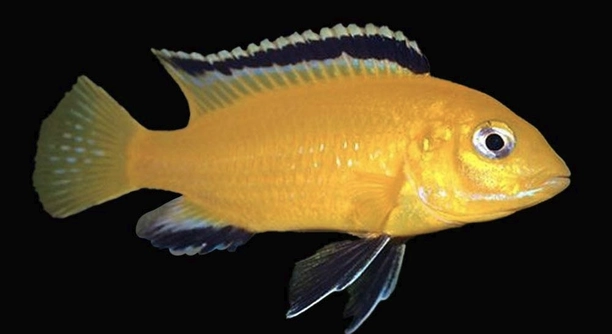
Do your electric yellow cichlids seem less lively than usual, with colors fading or swimming patterns changing unexpectedly? These vibrant fish often show subtle signs when their environment or health is compromised. Observing closely helps prevent long-term issues.
Electric yellow cichlids may not be thriving due to poor water quality, inadequate diet, overcrowding, disease, stress from tankmates, insufficient hiding spaces, or improper lighting conditions. Monitoring these factors is essential to maintain their health and wellbeing.
Recognizing these warning signs early allows you to take action and restore your cichlids’ environment for optimal health and vibrant appearance.
Faded Colors
When electric yellow cichlids are not thriving, one of the first things you may notice is their colors fading. Healthy cichlids display vibrant, bright yellow tones, but stress, poor nutrition, or illness can dull these colors. Water quality plays a major role; high nitrate levels, low oxygen, or inconsistent pH can cause noticeable changes. Lighting also affects how their colors appear, as dim or harsh lighting may make them seem less vivid. Diet directly impacts pigmentation, and a lack of carotenoids or vitamins can lead to paler shades. Even social stress, such as aggressive tankmates, can trigger a loss of color as the fish withdraws or hides more frequently. Observing changes in hue can give early warnings before more serious health issues develop. Regular monitoring of tank conditions, diet, and behavior helps ensure the cichlids retain their natural, bright yellow appearance over time.
Color changes are often a reliable indicator of stress or health issues, so prompt attention is important.
Maintaining vibrant colors requires consistent care. Proper water filtration, regular water changes, and balanced nutrition can prevent fading. Avoid sudden changes in temperature or lighting, as cichlids react strongly to environmental shifts. Providing sufficient hiding spaces reduces stress from tankmates. Monitoring behavior alongside color changes gives a more complete picture of their wellbeing. With attention to these details, electric yellow cichlids can thrive, showing off their characteristic brilliance while remaining active and healthy in the aquarium.
Loss of Appetite
A noticeable loss of appetite is often an early sign that electric yellow cichlids are struggling.
Reduced feeding can result from poor water conditions, disease, stress, or improper diet. Fish may refuse food entirely or eat only sporadically. Even minor environmental stressors, such as sudden temperature changes or aggressive neighbors, can discourage normal eating patterns.
When cichlids stop eating, their energy levels drop, making them more vulnerable to infections and slow recovery from minor injuries. Ensuring the tank environment is stable, with optimal water parameters, proper filtration, and safe tankmates, is critical. Feeding a varied, nutrient-rich diet encourages regular eating and supports coloration and overall health. Sometimes, supplementing with high-quality pellets, frozen foods, or live food can stimulate appetite, especially if the fish show signs of lethargy. Consistency in feeding schedules also reinforces their natural routine. Observing the fish during feeding helps detect early behavioral changes. Prompt action can prevent serious weight loss or illness, keeping electric yellow cichlids healthy and active in their habitat.
Lethargic Behavior
Electric yellow cichlids that are lethargic often rest at the bottom of the tank or hide more than usual. This behavior can indicate stress, poor water quality, illness, or inadequate nutrition. Monitoring their movement helps identify problems early.
Lethargy in cichlids may result from low oxygen levels, high nitrates, or sudden changes in water temperature. Fish that are normally active and social may become withdrawn, swimming slowly or barely interacting with tankmates. Stress from overcrowding or aggressive neighbors can also contribute. Nutritional deficiencies or digestive issues further reduce energy levels. Observing patterns in activity allows you to correlate lethargy with specific environmental or dietary factors, helping you intervene before the condition worsens. Regular tank maintenance and consistent feeding can prevent prolonged inactivity.
Addressing lethargy involves improving water conditions, stabilizing temperature, and offering a balanced diet. Providing hiding spots and reducing stress from aggressive fish can restore activity levels. In some cases, quarantining sick or injured fish helps prevent further health issues. Tracking behavior daily ensures prompt action if lethargy reappears, keeping the cichlids more active, alert, and healthy.
Erratic Swimming
Erratic swimming often signals stress or health problems in electric yellow cichlids. Fish may dart around suddenly, spin, or collide with objects in the tank. These movements are typically linked to discomfort or poor conditions.
Causes of erratic swimming include sudden water parameter changes, such as pH swings, temperature fluctuations, or chemical imbalances. Parasites, infections, or injuries can also trigger unusual swimming patterns. Aggressive tankmates may stress the fish, causing frantic movement or frequent hiding. Inadequate oxygen or overcrowding further exacerbates the problem. Observing these behaviors alongside other signs like color fading or loss of appetite helps identify the underlying cause. Regular monitoring of water quality, along with careful observation of interactions, reduces the chances of prolonged stress.
Correcting erratic swimming involves stabilizing water conditions, ensuring proper oxygenation, and maintaining a clean environment. Providing ample space and hiding areas minimizes stress from tankmates. Treating diseases or parasites promptly helps restore normal movement. Consistent feeding and maintaining a calm environment encourage fish to swim naturally again. Monitoring their behavior over time confirms improvements and ensures electric yellow cichlids regain stable, healthy activity patterns in the aquarium.
Clamped Fins
Clamped fins are a clear sign that electric yellow cichlids are stressed or unwell. The fins remain close to the body instead of fanning out, often accompanied by reduced movement and hiding. Immediate attention to water quality and tank conditions is necessary.
This behavior can result from poor water parameters, disease, or prolonged stress. Monitoring temperature, pH, and nitrate levels helps prevent recurring fin clamping. Providing clean water, a balanced diet, and safe tankmates encourages recovery and reduces stress in the fish.
Rapid Gill Movement
Rapid gill movement indicates that electric yellow cichlids are struggling to breathe properly. It is often a response to low oxygen levels, poor water quality, or disease.
Hiding Constantly
Electric yellow cichlids that hide constantly may feel threatened or stressed. This behavior reduces their activity and can indicate underlying health or environmental issues.
FAQ
How can I tell if my electric yellow cichlids are stressed?
Stress in electric yellow cichlids can appear through several behaviors. Common signs include faded colors, clamped fins, hiding more than usual, erratic swimming, and loss of appetite. Monitoring their daily activity and observing subtle changes in appearance helps detect stress early before it escalates into serious health issues.
What water conditions are best for electric yellow cichlids?
Maintaining stable water parameters is crucial. The ideal temperature ranges from 74 to 82°F, with a pH between 7.8 and 8.6. Ammonia and nitrite should remain at 0 ppm, while nitrates should be under 20 ppm. Consistent water changes and a reliable filtration system prevent sudden fluctuations that can stress the fish.
Why are my cichlids’ colors fading?
Faded colors often result from stress, poor water quality, inadequate diet, or illness. Lack of essential nutrients like carotenoids can dull their natural yellow. Providing a varied diet rich in vitamins and maintaining a clean, stable environment helps restore and maintain vibrant coloration.
What should I feed electric yellow cichlids?
A balanced diet is essential for health and color. High-quality cichlid pellets form the base of their diet, supplemented with frozen or live foods like brine shrimp, bloodworms, and daphnia. Occasional vegetables such as spinach or peas add nutrients and fiber. Feeding in small portions multiple times daily prevents overfeeding.
How can I reduce aggression in the tank?
Aggression often arises from overcrowding, territorial disputes, or incompatible tankmates. Providing plenty of hiding spots, visual barriers, and adequate space helps. Avoid mixing overly aggressive fish with timid individuals. Maintaining a structured feeding routine can also reduce competition and stress-related aggression.
Why are my cichlids swimming erratically?
Erratic swimming can indicate poor water quality, parasites, infections, or stress from tankmates. Sudden changes in temperature, pH, or oxygen levels often trigger this behavior. Observing swimming patterns alongside other signs, like faded colors or rapid gill movement, helps identify the underlying cause. Prompt intervention improves recovery.
How do I treat fin clamping?
Fin clamping is usually a response to stress, disease, or poor water conditions. First, correct water parameters and ensure cleanliness. Check for signs of bacterial or parasitic infections and treat accordingly. Reducing environmental stressors, including aggressive neighbors and overcrowding, helps the fins return to normal over time.
Is hiding behavior always a sign of illness?
Not always. While hiding can indicate stress or illness, some cichlids are naturally shy or territorial. Persistent hiding combined with loss of appetite, faded colors, or lethargy usually signals a problem. Providing hiding spaces and monitoring their behavior helps determine if intervention is necessary.
What should I do if my cichlids stop eating?
Loss of appetite often accompanies stress or illness. Check water quality and tank conditions first. Offer high-quality, varied foods and observe their response. If the fish continue refusing food, consider isolating them in a quarantine tank and consult treatment options for potential diseases.
How often should I check water parameters?
Frequent monitoring is key to maintaining healthy cichlids. Testing water weekly for ammonia, nitrites, nitrates, pH, and temperature helps prevent sudden changes. Adjustments should be made promptly to keep the environment stable, which supports overall health, behavior, and coloration.
Can diet alone restore faded colors?
Diet is important but not the only factor. While carotenoid-rich foods improve pigmentation, water quality, stress levels, and overall health must also be addressed. A combined approach of proper nutrition, clean water, and low-stress conditions ensures cichlids regain and maintain their vibrant appearance.
How do I prevent my cichlids from getting sick?
Prevention focuses on stable water conditions, balanced nutrition, clean tanks, and minimizing stress from tankmates. Quarantining new fish before introducing them to the main tank reduces the risk of disease. Regular observation of behavior and appearance allows early detection of potential issues before they become severe.
What are the signs of serious illness in electric yellow cichlids?
Serious illness may present as extreme lethargy, constant hiding, rapid gill movement, faded colors, clamped fins, bloating, or visible lesions. Early detection and prompt treatment, along with correcting environmental factors, are essential to prevent mortality and ensure recovery.
Can I mix electric yellow cichlids with other species?
Compatibility depends on temperament and tank size. They are territorial, so avoid keeping them with overly aggressive or very small, timid species. Providing space, hiding areas, and monitoring interactions can allow some mixed setups, but careful planning is necessary to minimize stress and aggression.
How long does it take for cichlids to recover from stress?
Recovery varies depending on the cause. Minor stress may improve within a few days after adjusting water conditions and reducing aggression. Illness-related stress may take weeks, requiring treatment and consistent care. Monitoring daily behavior and gradual reintroduction to the normal routine supports full recovery.
Electric yellow cichlids are striking fish that bring color and activity to any aquarium, but they require careful attention to thrive. Observing their behavior, appearance, and interactions is essential for maintaining their health. Faded colors, clamped fins, erratic swimming, hiding, or loss of appetite are clear signals that something in their environment needs adjustment. Each of these signs often points to common issues such as water quality, stress, diet, or illness. Regular monitoring and consistent maintenance allow problems to be addressed early, preventing more serious health concerns. Understanding these warning signs and responding quickly ensures that your cichlids remain active and vibrant.
Maintaining water quality is one of the most important factors in keeping electric yellow cichlids healthy. They are sensitive to fluctuations in pH, temperature, and ammonia or nitrate levels, which can quickly cause stress and affect their overall wellbeing. Using a reliable filtration system, performing regular water changes, and testing water parameters frequently are practical steps to create a stable environment. Providing sufficient space, hiding spots, and compatible tankmates also reduces stress and supports natural behaviors. Diet plays a key role as well. A varied diet rich in high-quality pellets, frozen or live foods, and occasional vegetables helps maintain energy, coloration, and overall health. Consistency in feeding schedules and portion sizes contributes to a stable routine that the fish can rely on.
In addition to proper water care and nutrition, paying attention to subtle behavioral changes is critical. Lethargy, rapid gill movement, or unusual swimming patterns can indicate underlying issues that require immediate intervention. Some behaviors, like hiding, may be normal occasionally, but persistent changes should not be ignored. Early detection and correction of problems often prevent long-term damage and support recovery. By observing, adjusting, and maintaining the tank environment thoughtfully, electric yellow cichlids can thrive and display their natural vibrancy and energy. A proactive approach to care ensures that these fish remain healthy and active, allowing them to fully enjoy the conditions of a well-maintained aquarium.

Hello,
If you enjoy the content that we create, please consider saying a "Thank You!" by leaving a tip.
Every little bit helps us continue crafting quality advice that supports the health, happiness, and well-being of pets around the world, for pets of all shapes, sizes, and species.
We really appreciate the kindness and support that you show us!