
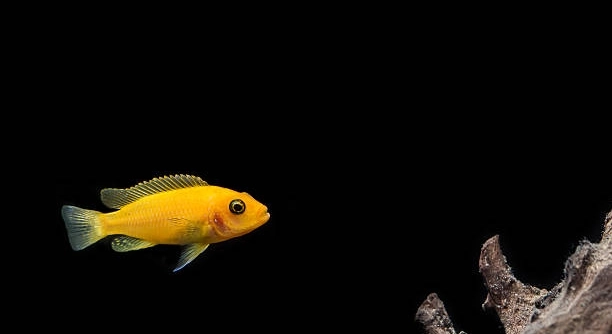
Are your cichlids acting differently during feeding times, leaving you unsure about their needs and habits? This gentle introduction helps you reflect on whether your current routine supports their well-being in a simple, friendly way.
Reconsidering your cichlid feeding routine becomes essential when changes in behavior, growth, or water quality appear. Adjusting portion sizes, frequency, or food type ensures balanced nutrition, reduces stress, and maintains a stable environment, supporting long-term health and consistent development overall.
As you explore each situation, you will find practical guidance that helps you create a smoother feeding routine for cichlids.
Sudden Changes in Appetite
A sudden drop or spike in your cichlid’s appetite can signal that it’s time to rethink feeding. I noticed my own fish eating less over a few days, which made me adjust the portions carefully. Sometimes, reduced feeding is due to stress, water temperature, or illness. Other times, overfeeding leads to bloating and lethargy, creating confusion about their actual needs. Watching closely helps identify patterns, such as certain times of day when appetite changes or how aggressive fish compete for food. Paying attention to these subtle shifts prevents long-term issues, including poor growth or digestive problems. Even small adjustments, like feeding in smaller amounts multiple times a day, can restore normal eating habits. Using a mix of flakes, pellets, and occasional live foods keeps meals interesting while meeting nutritional requirements. It’s helpful to keep a log of feeding habits, ensuring consistency and spotting irregularities early. Your cichlids rely on you to notice when something is off.
Adjusting feeding when appetite changes protects their health and encourages steady growth, preventing future complications.
Consistency in meals, variety in food, and observing behavior daily helps maintain appetite balance and supports overall fish wellness.
Water Quality Concerns
Poor water quality often impacts feeding, making fish hesitant or overeager at mealtime.
Dirty water, high ammonia, or imbalanced pH can upset digestion and reduce nutrient absorption. Fish may refuse food, or suddenly eat more, showing stress rather than hunger. Cleaning the tank regularly and testing water parameters ensures a healthier feeding environment. When I started monitoring my tank weekly, I noticed clearer behavior and better feeding patterns. Temperature changes, leftover food, and filter issues also play a role, often unnoticed at first. Adjusting water flow, performing partial water changes, and checking chemical levels prevent nutritional issues linked to poor water conditions. Over time, cichlids fed in stable conditions grow steadily, display natural colors, and show active swimming behavior. Feeding after water changes often improves appetite, as fish feel comfortable and stress-free. A simple routine of testing and minor adjustments keeps feeding smooth, avoiding sudden behavior changes or nutrient deficiencies. Regular observation of both water and fish ensures a balanced, long-term feeding strategy.
Overfeeding and Portion Control
Overfeeding is easy to do, especially when fish beg for more. Too much food leads to waste, water issues, and unhealthy weight gain.
I learned the hard way that feeding more doesn’t mean happier fish. My cichlids started ignoring food, and the tank became cloudy quickly. Reducing portions to what they can eat in a few minutes improved water clarity and fish activity. Feeding small, measured amounts two to three times a day ensures each fish gets nutrition without leftovers. Observing how quickly food disappears helps fine-tune portions. Over time, consistent, controlled feeding promotes better digestion, brighter colors, and calmer behavior, making the tank healthier and more pleasant to maintain.
Balancing portions takes patience, but it prevents digestive issues and water problems. Regularly observing consumption helps maintain a stable feeding schedule.
Seasonal Changes and Temperature
Temperature affects appetite, metabolism, and digestion. Warmer water increases hunger, while cooler water slows it down, making feeding adjustments necessary.
When winter arrived, I noticed my cichlids became slower and less interested in food. Lower temperatures reduced metabolism, meaning they required smaller meals. In summer, higher water temperatures made them more active, and I had to increase portions slightly. Ignoring seasonal changes can lead to overfeeding in cold months or underfeeding in warm months. Observing fish behavior, appetite, and energy levels is essential for adjusting feeding routines. Using a thermometer regularly ensures water remains in an ideal range for your specific cichlid species. Gradual changes in feeding frequency and amount prevent stress or digestive issues, allowing fish to stay healthy year-round. Seasonal attention helps maintain natural rhythms, reduces disease risk, and keeps your fish thriving.
Adjusting feeding with the seasons prevents health issues and keeps activity levels consistent.
Illness and Stress
Illness often changes feeding habits quickly. Sick cichlids may refuse food or act restless.
Stress from overcrowding, new tank mates, or sudden environment changes can also affect appetite. Noticing these signs early helps prevent serious health problems.
Food Quality
Poor-quality or expired food can reduce interest in eating and harm digestion. I switched brands when my cichlids started leaving flakes uneaten, and appetite improved quickly. High-quality pellets, frozen foods, or occasional live food support balanced nutrition and maintain energy levels.
Breeding Periods
During breeding, cichlids may eat more or less depending on species and parental roles. Adjusting feeding amounts ensures adults maintain strength while protecting fry. Offering softer or protein-rich foods can support breeding behavior and reduce stress, helping both parents and young thrive.
Aging Fish
Older cichlids often slow down and may eat less frequently. Adjusting meal size and type helps accommodate their metabolism, keeping them healthy without overfeeding or causing digestive issues.
How often should I feed my cichlids?
Most adult cichlids do well with two meals per day, given in small amounts they can finish in a few minutes. Juveniles may need three to four feedings because they grow quickly and have higher energy needs. I learned early on that overfeeding more often caused leftover food to foul the tank. Measuring portions carefully prevents water quality problems while ensuring every fish receives enough nutrition. Consistent timing helps fish recognize feeding patterns, reducing stress and competition.
What types of food are best for cichlids?
A varied diet keeps cichlids healthy. Pellets or flakes are convenient for daily feeding, but frozen or live foods add protein and interest. I like offering small amounts of brine shrimp or bloodworms occasionally. Some species, like herbivorous cichlids, benefit from vegetable-based foods or algae wafers. Mixing food types ensures balanced nutrition, supports digestion, and encourages natural foraging behaviors. Avoid foods that float too long and deteriorate quickly, as these can pollute the water. Rotating brands or food forms prevents picky habits and keeps the fish active and engaged during mealtime.
Why do my cichlids sometimes ignore food?
Refusal to eat often signals a change in health, water quality, or environment. I once noticed my cichlids ignoring food after a sudden temperature drop, which slowed their metabolism. Overcrowding, aggressive tank mates, or illness can also reduce appetite. Checking water parameters, observing behavior, and offering smaller portions or different food types usually helps. Feeding after a partial water change often encourages activity and interest. Slow introduction of food and avoiding sudden diet changes reduces stress and helps restore regular eating habits.
How can I prevent overfeeding?
Overfeeding is common and leads to water pollution and digestive problems. I use a small cup to measure the exact amount each fish can consume in 3-5 minutes. Feeding in multiple small portions rather than one large meal helps avoid leftover food. Watching how quickly fish finish each portion guides adjustments. Removing uneaten food after a few minutes prevents decay and ammonia spikes. Regular observation of appetite and growth ensures the feeding routine stays balanced, preventing bloating, obesity, and health issues.
Should feeding routines change during breeding?
Yes, breeding increases energy demands. Parents may need more protein-rich foods like live or frozen insects. Fry require very small, frequent feedings of finely crushed food or specialized fry food. I noticed adjusting amounts helped adults stay strong while caring for eggs and fry. Overfeeding adults can still be harmful, so careful portioning is important. Feeding at the same times each day maintains stability and reduces stress. Monitoring both parents and young ensures nutrition is adequate for growth and survival.
How do seasonal changes affect feeding?
Temperature impacts metabolism. Warmer water generally increases appetite, while colder water slows it down. I adjust feeding amounts based on activity levels rather than sticking to strict schedules. Fish may need smaller meals in winter and slightly larger portions in summer. Sudden environmental changes should be avoided, and water conditions monitored closely. Gradual adjustment of food types and frequency helps maintain health. Seasonal awareness prevents digestive issues, overfeeding, or malnutrition, and keeps cichlids active throughout the year.
Is it necessary to supplement with vitamins?
Supplementing can help if diet lacks variety. I occasionally add liquid vitamins to meals when feeding primarily pellets. Over-supplementing isn’t needed and can harm water quality. Providing a balanced mix of high-quality flakes, pellets, and occasional live or frozen foods usually meets all nutritional needs. Observing color, activity, and growth helps determine if supplements are needed. Vitamins are most helpful during stress, breeding, or illness recovery.
How can I tell if my feeding routine is working?
Healthy cichlids are active, brightly colored, and finish meals quickly without leftover food polluting the tank. I track appetite, behavior, and growth to evaluate success. Clear water and minimal waste are also signs of a balanced routine. Adjustments are made based on observation, species needs, and seasonal changes to maintain health and vitality.
Feeding cichlids properly requires attention, observation, and small adjustments over time. Every fish has its own personality and needs, so what works for one tank might not work for another. I’ve learned that keeping track of how much and how often I feed my cichlids prevents many common problems, from overfeeding to poor water quality. Simple changes, like reducing portions slightly or splitting meals into smaller servings, have made a noticeable difference in their behavior and overall health. Watching them eat and noting when they seem less active or disinterested helps me catch potential issues early, before they become serious. The key is consistency and being mindful of the environment in which they live, rather than just focusing on the type of food provided.
Another important aspect is variety in the diet. I make sure my cichlids receive a combination of pellets, flakes, and occasional frozen or live foods. This keeps their nutrition balanced while also preventing them from becoming bored with meals. Some species respond well to vegetable-based options, while others need more protein, so it is helpful to understand the specific needs of each type. Over time, I’ve noticed that mixing foods not only supports growth but also encourages natural foraging behavior. Monitoring their reactions to different foods has guided me in adjusting portions and feeding frequency, especially during seasonal changes or when breeding occurs. Providing food that is appropriate for the fish’s age and health condition helps maintain vitality and reduces stress. Even small changes, like switching to slightly smaller pellets or breaking up larger pieces, can make feeding more efficient and comfortable for the fish.
Finally, the overall tank environment plays a huge role in feeding success. Clean water, stable temperature, and low stress levels make cichlids more willing to eat and maintain proper digestion. I learned that feeding after a partial water change often encourages activity, while ignoring water quality leads to reduced appetite and potential illness. Observing behavior daily allows me to adjust the feeding routine when necessary, ensuring each fish receives enough nutrition without harming the tank. Feeding cichlids may seem simple, but attention to portions, food type, and environmental conditions makes a significant difference in their long-term health. By staying consistent, watching closely, and being flexible with adjustments, I’ve created a routine that keeps my cichlids healthy, active, and thriving in a stable, well-maintained tank.

Hello,
If you enjoy the content that we create, please consider saying a "Thank You!" by leaving a tip.
Every little bit helps us continue crafting quality advice that supports the health, happiness, and well-being of pets around the world, for pets of all shapes, sizes, and species.
We really appreciate the kindness and support that you show us!