
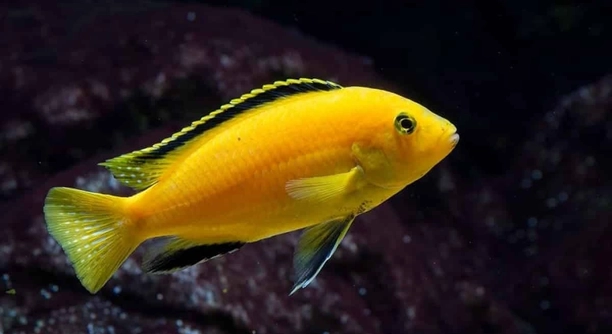
Do you ever find yourself watching your electric yellow cichlids and wondering what subtle environmental changes encourage them to start spawning in their tank, especially when everything seems calm and predictable in their aquatic setup.
Electric yellow cichlids typically spawn when consistent water parameters, mild temperature increases, stable lighting, ample shelter, and minimized stress coincide, since these environmental factors create favorable reproductive conditions and reliably stimulate their natural spawning responses within an aquarium environment setting.
These environmental hints shape their behavior in subtle ways, offering a path to understanding how spawning unfolds in your aquarium.
Water Stability and Subtle Shifts
Stable water conditions play a major role in encouraging electric yellow cichlids to spawn, and I always notice how quickly they respond when everything feels balanced in their tank. When the water remains clean, clear, and steady, they move through their space with more confidence, which sets the tone for healthy reproductive behavior. A gentle rise in temperature often gives them that extra push, especially when new shelter or rearranged décor creates safe corners for them to claim. Consistent lighting also helps them maintain a natural rhythm without feeling pressured or startled. Together, these details form a comfortable environment that feels predictable to them, allowing their instincts to activate. When these elements come together, their colors brighten, their movements become more focused, and their interactions start to shift in calmer, more deliberate ways. These changes are subtle, yet they strongly influence the moments that lead up to spawning.
A slight increase in warmth often supports these reactions, especially when the tank setup encourages calm behavior without sudden disturbances.
Watching these patterns makes it easier to recognize when their environment is helping them feel secure enough to begin pairing and preparing for breeding activity.
Shelter, Territory, and Behavioral Shifts
Safe hiding places encourage cichlids to explore, interact, and claim comfortable territory where spawning behaviors can develop more naturally.
When the tank offers well-placed rocks, caves, or sturdy plants, electric yellow cichlids begin forming subtle territorial habits that point toward reproductive readiness. I notice how they glide through these spaces more slowly, checking each corner before committing to one area. This shift usually appears after other environmental factors are already balanced, making shelter feel like the final step that brings their behavior into focus. Their gentle chasing becomes less chaotic and more intentional, showing a clear interest in bonding rather than stress. Stable surroundings allow both fish to feel confident enough to stay close, communicate with body movement, and test out possible spawning spots. When the layout supports these behaviors, the fish easily settle into a pattern that leads to egg laying and mouthbrooding. Over time, these safe areas become predictable and comfortable places where natural instincts can take over in a calm and steady way.
Lighting Patterns and Daily Rhythms
Consistent lighting helps electric yellow cichlids stay calm, and I notice how their behavior shifts when the tank follows a steady day and night pattern that keeps them relaxed and receptive to spawning cues.
Stable light cycles support their natural rhythm, allowing them to move through the tank with ease and confidence. When the lights turn on and off at predictable times, they settle into a routine that feels familiar to them. Sudden brightness or long periods of darkness can make them restless, so keeping everything steady helps them feel secure. Over time, their interactions become smoother, and their focus shifts toward choosing safe areas and bonding more closely. This simple structure gently guides them toward behaviors linked to breeding.
When the lighting remains consistent for several days, I start noticing subtle signs like brighter colors or lingering near preferred spots. These habits often strengthen when combined with calm surroundings and low stress. A reliable pattern helps them trust their environment, which supports gentle pairing and early reproductive preparation. Their movements become slower and more meaningful, showing they are comfortable enough to explore spaces that could eventually become spawning locations.
Temperature Adjustments and Seasonal Signals
A small temperature rise often encourages electric yellow cichlids to shift into spawning behavior, especially when the rest of the tank conditions are already balanced and supportive.
Gradual warming mimics the mild seasonal changes they experience in nature, and they respond to it with noticeable interest. I usually see them become more active, moving with more purpose around the tank. The slight increase does not need to be dramatic, just steady enough to suggest a safe moment for reproduction. When paired with predictable light cycles and clean water, this temperature change becomes a strong signal that conditions are right. It also helps reduce tension and encourages gentle interactions, which supports calm pairing. As the warmth settles in, their behavior evens out, and they start focusing on areas that feel safe and sheltered. This simple adjustment plays a meaningful role in guiding their natural instincts.
Water Cleanliness and Low Stress
Clean water keeps electric yellow cichlids comfortable, and I always notice how quickly they relax when the tank stays clear. Stable filtration and gentle maintenance help them feel safe, which encourages the calm behavior linked to spawning.
When stress stays low, their movements become smoother and more predictable, creating an atmosphere that supports steady bonding.
Territorial Comfort and Space Awareness
A well-organized tank layout gives them enough room to move without feeling crowded, and this space helps them settle into natural patterns. When each fish can claim a comfortable area, they interact more confidently, which supports early reproductive behaviors.
Feeding Patterns and Nutritional Support
Regular feeding with balanced portions helps maintain their energy and stability, and I watch how they become more focused when meals are predictable. Nutritious food strengthens their color, boosts their overall condition, and supports the subtle shifts in behavior associated with spawning readiness. Consistency makes them feel secure enough to interact more calmly.
Subtle Social Behavior Changes
Gentle chasing and closer swimming often appear when conditions feel just right, showing their comfort and growing readiness to move toward bonding.
How do I know if my electric yellow cichlids are ready to spawn?
I usually notice small changes in behavior before they actually start. They swim closer together, chase each other gently, and linger near rocks or caves. Colors often brighten, and their movements become more deliberate. These signs usually appear when water quality is good, lighting is consistent, and the temperature is slightly warmer. The male often guards a chosen spot, while the female inspects it carefully. Watching these interactions closely can help you identify readiness before eggs are laid. Paying attention to these subtle cues helps prevent unnecessary stress and supports natural spawning behaviors.
What water parameters are ideal for spawning?
Electric yellow cichlids prefer stable water with a pH between 7.5 and 8.5, temperature around 26–28°C, and soft to moderately hard water. I make sure ammonia and nitrites are at zero, and nitrates are low. Frequent water changes help maintain these conditions without shocking the fish. Filtration should provide gentle flow, avoiding turbulence that could stress them. Keeping these parameters steady allows them to feel secure and triggers reproductive instincts naturally. Sudden changes in any of these factors often cause hesitation, aggression, or retreat, so I monitor them carefully.
How important is tank layout for spawning?
Tank layout is very important. I always include rocks, caves, or other hiding spots, which give fish a sense of security and territorial boundaries. Open swimming areas let them move freely without constant stress, while secluded corners provide privacy for egg laying and brooding. Rearranging decorations too often can disrupt their routine, causing confusion and aggression. Proper layout supports natural pairing, reduces stress, and encourages gentle interactions. I also observe where they spend most of their time, which often indicates preferred spawning spots. A comfortable environment like this increases the chances of successful breeding.
What diet supports spawning behavior?
A balanced diet is key. I feed high-quality flakes or pellets, supplemented with live or frozen foods like brine shrimp and bloodworms. These provide protein that boosts health and coloration. Feeding smaller, more frequent portions keeps energy levels stable, preventing stress and aggression. I notice that fish with consistent nutrition display more confident, calm behavior, which is essential during courtship and egg laying. Avoiding overfeeding helps maintain water quality, which also supports reproductive readiness. Nutritional support works together with other environmental factors to create optimal conditions for spawning success.
How do lighting and temperature affect spawning?
Lighting and temperature act as natural signals. I keep the lights on a steady cycle, usually 10–12 hours a day, to mimic natural day and night rhythms. Gradual temperature increases by one or two degrees over several days can trigger spawning behavior without shocking the fish. Sudden changes often cause hiding, aggression, or refusal to interact. Consistency in these factors keeps fish relaxed, encourages regular movement, and helps them establish territories. Temperature and lighting adjustments work best when combined with clean water, low stress, and proper shelter, creating an environment that naturally promotes reproductive activity.
What signs show eggs have been laid?
After spawning, I usually see the female carefully cleaning a flat surface or inside a cave before laying eggs. The eggs appear as small, bright clusters attached to rocks or decorations. The female often guards them closely, while the male stays nearby, keeping potential threats away. I watch how both parents take turns fanning the eggs with their fins to provide oxygen and prevent fungus. These behaviors are strong indicators that the breeding process has started. Observing egg care helps ensure the environment remains calm and safe, giving the fry the best chance to develop successfully.
How do I reduce stress during the spawning process?
Minimizing stress is essential. I avoid sudden water changes, loud noises, or tapping on the glass. Keeping the tank environment stable, providing enough hiding spots, and limiting disturbances helps them feel secure. I also ensure compatible tank mates are separated to prevent aggression. Observing quietly from a distance allows natural behaviors to occur without interference. Stress reduction supports courtship, egg care, and fry survival. Gentle monitoring helps maintain a calm environment, which is often the most important factor in successful breeding.
Can I encourage multiple spawning events in the same tank?
Yes, with proper conditions. Once the first batch of eggs has hatched and fry are moved or protected, I maintain water quality, stable temperature, and regular feeding. Reintroducing slightly warmer water and keeping consistent lighting can encourage another round. I also make sure the fish have enough space and shelter to feel secure. Over time, I’ve seen pairs respond quickly when conditions remain optimal, often repeating the spawning cycle multiple times. Patience and steady care are key, as forcing changes too quickly can stress the fish and reduce success.
Final Thoughts
Electric yellow cichlids are fascinating fish, and observing their behavior can be very rewarding. They have clear signs that show when they are ready to spawn, but those signs are often subtle. Paying attention to how they swim, interact, and explore their environment is key. When the water is clean and stable, the lighting is consistent, and the temperature is slightly higher, you start to notice changes. The males often stake out a spot, while females inspect it carefully before laying eggs. These small behaviors tell you a lot about their readiness without needing to interfere. Keeping the tank calm and predictable helps them feel safe, which is critical for successful breeding. Even tiny details, like a few rocks or a small cave, can make a big difference in encouraging natural behavior and creating a comfortable environment for spawning. Observing these fish closely over time gives you a better understanding of what they need to feel secure and motivated to reproduce.
Consistent care and attention to their environment are essential when trying to encourage spawning. Water quality must be maintained at all times, with pH, temperature, and hardness kept within ideal ranges. Regular feeding with high-quality, protein-rich foods keeps them healthy and supports reproductive behavior. Even slight variations in their diet can influence their energy levels and interactions. Lighting cycles also play a role in keeping their internal rhythm aligned with natural patterns, which supports readiness. When all these elements work together, the fish move confidently through the tank, interact more calmly, and exhibit behaviors like fanning eggs and guarding territory. Stability is not just convenient—it directly impacts their comfort, which in turn influences whether they will spawn successfully. Watching them in a stable, well-maintained tank allows you to recognize and understand these patterns in a way that makes caring for them feel more intuitive.
Finally, patience and careful observation are essential. Electric yellow cichlids may not spawn immediately, even when conditions seem perfect, and forcing changes can create stress that sets back progress. Allowing them time to adjust to the tank, establish territories, and interact naturally leads to better results. Providing consistent care, clean water, proper shelter, balanced feeding, and gentle observation ensures that they are comfortable and ready when the time comes. By focusing on these details, you can support their natural instincts without unnecessary interference, making the breeding process smoother and more successful. Over time, learning to read their subtle behaviors gives a deeper appreciation for how these fish thrive in a well-maintained aquarium, and it helps create an environment where spawning can happen naturally and with minimal stress. This approach not only supports the health and well-being of the fish but also makes caring for them a more enjoyable and satisfying experience.

Hello,
If you enjoy the content that we create, please consider saying a "Thank You!" by leaving a tip.
Every little bit helps us continue crafting quality advice that supports the health, happiness, and well-being of pets around the world, for pets of all shapes, sizes, and species.
We really appreciate the kindness and support that you show us!