
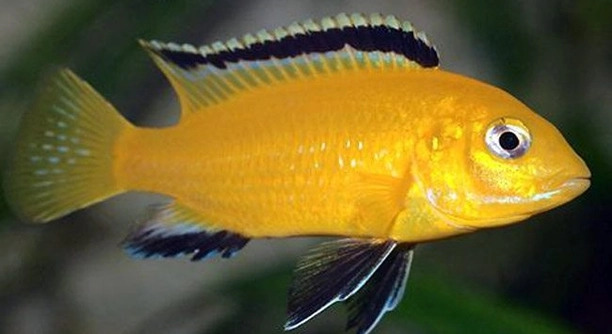
Have you ever watched your electric yellow cichlids winding down as the day comes to a close, noticing the small habits they repeat as the tank grows dim and the environment begins to gently settle.
Electric yellow cichlids follow several behaviors before lights-out, including reduced activity, gentle hovering near preferred areas, subtle color shifts, territorial awareness, and calm interactions, which help them regulate stress, maintain stability, and prepare their bodies for the nightly rest period.
Their quiet preparations reveal more about their natural instincts, offering simple clues that shape the rest of their nighttime routine.
They Slow Their Movement
As the tank begins to dim, electric yellow cichlids often slow their swimming pace in a calm and steady way that feels easy to notice when you pay attention to their rhythm. I like watching how their movements soften, giving the tank a peaceful tone before nighttime settles in. This change is not random because it reflects how they protect their stored energy and avoid unnecessary stress as they prepare for rest. Their gentle pace also gives other fish in the tank a signal that the day is wrapping up, which helps maintain stable interactions among them. When their activity decreases, it usually means they feel comfortable in their space and secure enough to let their guard down slightly. This slower movement is one of the clearest signs that they are easing into the quiet period that follows lights-out. It all comes together in a soothing way each evening naturally.
This slower pace marks an important shift in their daily routine, helping them create a calm atmosphere that supports stable behavior and lowers stress as the lighting changes. It is a simple pattern that shows they are preparing for the quieter period ahead in their usual gentle evening tank environment.
Noticing this pattern can help you understand your cichlids a little better, especially when you want to support a calm tank at the end of the day. Their slower movement is more than a habit because it reflects how they balance energy and comfort in their environment. When you recognize this signal, it becomes easier to shape the lighting schedule and feeding routine in a way that suits their needs. By observing this simple shift, you can create a smoother transition toward nighttime, giving your fish a stable space that feels safe and predictable as the lights begin to fade.
They Guard Their Territory
Before lights-out, electric yellow cichlids often show stronger awareness of their territory, keeping an eye on familiar zones and adjusting their position to maintain comfort. This behavior helps them reduce tension with other fish and ensures they settle into a stable spot as the tank becomes dimmer for the night.
Territorial awareness becomes more noticeable as the environment starts to darken, and you may see your electric yellow cichlids choosing specific areas that bring them comfort and predictability. This behavior is rooted in how they structure their social interactions, keeping a gentle balance between confidence and caution. When the lighting softens, they take time to secure a preferred resting zone, usually a spot they have claimed earlier in the day. Their ability to recognize and return to these areas helps them avoid conflict and maintain a peaceful atmosphere in the tank. By giving them stable hiding places or clearly defined spaces, you support their natural need for structure during the shift toward nighttime. It also helps reduce unnecessary tension, which is especially important in a tank with multiple active personalities. Observing this pattern can guide you in arranging the tank layout so they can move smoothly without unwanted stress. A thoughtful setup encourages calmer behavior, allowing them to settle with confidence and ease. When they feel safe in their chosen territory, the entire tank benefits from a more predictable evening routine that supports their long-term comfort and stability. This gentle pattern repeats every evening and helps them remain steady throughout.
They Adjust Their Color
Electric yellow cichlids often soften their color tones as the tank darkens, creating a calmer appearance that reflects their shift toward rest. This gentle change usually shows they feel settled, allowing them to prepare for the quieter hours without drawing unnecessary attention from other fish in the tank at night.
This color adjustment is a natural response to the softer lighting and helps them conserve energy while keeping interactions calm. When their shades become slightly muted, it signals that they are easing away from daytime activity. I often notice how this subtle shift brings a sense of balance to the tank. It helps reduce unnecessary displays of dominance and keeps the environment steady as the evening settles in. Providing consistent lighting cues supports this pattern and allows your cichlids to move into a relaxed state without stress building up around them during their normal nightly routine which feels very natural.
Watching their color soften can also help you understand how comfortable they feel in their space. When the transition happens smoothly, it often means the tank layout and lighting schedule suit their needs well. If the change appears tense or uneven, it may indicate that something in the environment feels off for them. A stable routine encourages calm behavior and helps them settle without difficulty. By noticing these small details, you can make simple adjustments that create a gentler shift into nighttime. Over time this awareness supports a steady pattern that keeps your cichlids feeling secure in their familiar space.
They Reduce Feeding Interest
As darkness approaches, electric yellow cichlids naturally lose interest in food, focusing more on settling into calmer behavior. Their feeding response becomes slower, and they tend to ignore leftover pieces drifting around them. I see this shift almost every evening, and it usually means their bodies are preparing for rest. This softer approach toward food also keeps the tank cleaner by preventing unnecessary snacking right before nighttime begins which helps maintain a calm nightly routine.
This decrease in feeding interest is tied to their internal rhythm, which follows the lighting pattern of the tank. As their bodies slow down, their digestion rate shifts, making food less appealing. Offering meals earlier in the day supports this natural behavior and prevents uneaten food from building up. I have noticed that when feeding aligns with their active hours, the fish appear calmer and more balanced as night approaches. It also helps maintain better water quality since fewer leftovers remain to break down. Creating a steady schedule allows your cichlids to understand what to expect, reducing tension across the group. Over time this routine supports healthier habits and keeps your tank running smoothly with predictable behavior each evening, giving them comfort in their space.
They Settle Near Their Preferred Spots
Electric yellow cichlids often begin settling near familiar areas as the tank darkens, choosing spots that feel stable and safe. I see this pattern almost every evening, and it helps them ease into a calmer state as nighttime slowly approaches in their usual routine.
They return to these same areas because it gives them a sense of structure and reduces unnecessary movement. When they find a comfortable location, they stay close and avoid sudden shifts. This simple behavior keeps the tank peaceful and helps other fish adjust to the quiet period that follows.
They Interact More Gently
Their interactions become softer as the lighting fades, shifting away from daytime confidence toward calmer exchanges. This gentle behavior helps maintain balance in the tank and reduces any risk of tension among the group. I notice how they move with more caution, giving each other space in a way that feels natural and steady. Their ability to sense the change in lighting guides their behavior, allowing them to move toward nighttime without conflict. These small adjustments encourage a predictable flow, creating an environment that supports peaceful rest.
They Hover Quietly
In the final moments before lights-out, electric yellow cichlids often hover quietly in place, showing minimal movement and focusing on staying relaxed. This stillness reflects their comfort within the tank and signals that they have settled fully into their nighttime rhythm.
Why do electric yellow cichlids become less active before lights-out?
Electric yellow cichlids slow down as the tank begins to dim because their internal rhythm shifts toward rest. I notice this almost every evening, and the change feels smooth and predictable once you understand their natural pattern. Their bodies prepare for lower energy use, and their movements naturally soften. This decrease in activity helps reduce tension, especially in a tank that holds more than one assertive fish. When the lighting fades, their instinct tells them to conserve energy rather than continue exploring or defending their space. This calmer behavior also lets them avoid unnecessary conflict right before bedtime. When their environment feels stable, they ease into this routine without hesitation. If you ever see one staying active too long into the evening, it may signal something in the tank feels off for them, such as bright lighting, constant movement around the tank, or unsettled territory. A predictable light schedule helps them settle into this transition naturally.
Why do they hover in place when the tank gets darker?
Hovering quietly is one of the clearest signs that your cichlids feel safe and ready to rest. I see this almost every night, and it always gives the tank a calm tone. This stillness allows them to stay aware of their surroundings without using extra energy. It also helps them maintain their position in the water without stirring up sand or disrupting other fish nearby. Hovering supports their instinct to stay alert enough to react if something changes but relaxed enough to wind down. If one of them keeps darting around instead, it may mean the tank feels stressful, too bright, or too noisy during the evening. A peaceful setup helps this behavior appear naturally. When they feel secure, this hovering looks steady and gentle.
Why does their color soften before nighttime?
Their color fades slightly because their bodies adapt to the lower light and calmer environment. This softer tone helps them avoid drawing attention from dominant fish and signals that they are shifting away from daytime behavior. I’ve noticed that when the tank lighting is stable and predictable, their color transition looks smooth and even. When the lighting is too harsh or inconsistent, their color changes can appear more abrupt. A steady dimming effect helps them move comfortably into their evening mode.
Why do they stick to the same spots every night?
Electric yellow cichlids are creatures of habit, so they return to the same places because it gives them security. These spots act like small resting zones. They pick areas that feel stable, such as behind rocks, near low plants, or close to a quiet corner. I always see mine returning to their usual locations, and it tells me they feel comfortable in the setup. When the tank has enough hiding places and evenly spaced structures, each fish finds a preferred area without arguing over it. If they struggle to settle, it often means the tank layout needs more separation or additional hiding zones.
Why do they show less interest in food as the lights dim?
As their bodies prepare for rest, appetite naturally decreases. They turn their attention away from food because digestion slows and their energy shifts toward relaxation. Feeding them earlier in the day keeps the tank cleaner and matches their natural rhythm. I’ve found that when food is offered too late, leftovers drift around and disrupt the calm environment. A steady feeding routine helps them settle comfortably each night.
Why do their interactions soften before bedtime?
Electric yellow cichlids ease into gentler interactions because strong displays are unnecessary as nighttime approaches. Their instincts guide them toward calmer behavior, helping maintain balance in the group. When they feel secure, these softer exchanges help them prepare for rest without conflict.
Final Thoughts
Watching electric yellow cichlids settle into their evening routine can teach you a lot about how they respond to their environment. Their behavior becomes quieter, smoother, and more predictable as the lights dim, and each small change reflects what they need to feel safe. When you pay attention to these details, the tank begins to feel more connected and peaceful. I often notice how their gentle shifts help the whole setup feel calmer, almost like the tank follows its own rhythm. Every small movement or pause tells you something about their comfort. When their space feels balanced, their evening habits unfold naturally without tension. This makes it easier for you to step in only when needed, adjusting small elements like lighting, layout, or feeding time to support their natural patterns. Over time you begin noticing how their responses change depending on the stability of the tank and the consistency of their routine.
Creating an environment that supports their nightly behavior is not difficult once you understand what matters most to them. They rely on predictable cues, and when those cues stay steady, they show calmer patterns every evening. I find that soft lighting transitions, stable hiding places, and a clear tank layout make a noticeable difference. These simple choices allow the fish to settle in without confusion or stress. When the tank remains consistent, you see fewer sudden movements and fewer conflicts as nighttime arrives. Their reduced activity, softened color, and gentle interactions all point to a sense of ease. Paying attention to these behaviors helps you decide whether something in the tank needs improvement. If their movement seems rushed, their color shifts seem uneven, or they can’t settle into one spot, it may be a sign that something is disrupting their comfort. Making small adjustments can help restore their balance and bring back that peaceful rhythm you expect during evenings.
It feels rewarding to recognize these patterns and see how much influence a stable environment can have on their well-being. Electric yellow cichlids show their needs in subtle ways, and the more you observe them, the easier it becomes to support them. Evening behavior is a clear reflection of how comfortable they feel throughout the day. When their nighttime routine unfolds smoothly, it usually means the tank is meeting their needs. With calm colors, steady movement, and gentle interactions, they show you that they feel secure. The more consistent the surroundings, the more natural their habits become. Giving them a reliable space helps build harmony in the tank and encourages healthier long-term behavior. Every evening feels like a reminder that small details truly matter when caring for fish that rely so much on stability.

Hello,
If you enjoy the content that we create, please consider saying a "Thank You!" by leaving a tip.
Every little bit helps us continue crafting quality advice that supports the health, happiness, and well-being of pets around the world, for pets of all shapes, sizes, and species.
We really appreciate the kindness and support that you show us!