
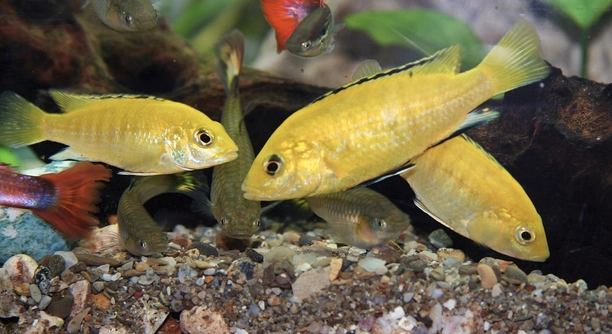
Electric Yellow Cichlids are bright, lively fish that add color to any freshwater tank. Many hobbyists enjoy decorating with live plants, hoping to create a natural environment for these energetic cichlids. Observing their interactions can be surprising.
Electric Yellow Cichlids display a variety of unexpected reactions to tank plants, ranging from gentle nibbling and rearranging leaves to aggressive digging and territorial guarding. These behaviors reflect their natural instincts, environmental preferences, and individual personalities within the aquarium setting.
Understanding how these cichlids interact with plants can improve tank setup and care. Watching their behavior reveals patterns that support healthier and more engaging aquarium life.
Gentle Nibbling on Leaves
Many Electric Yellow Cichlids begin by gently nibbling on soft plant leaves. This behavior often starts when they explore new plants in the tank. They may test the texture or taste, which helps them feel more comfortable in their environment. Some fish nibble occasionally, while others develop a habit of repeated light bites. Nibbling is usually harmless to hardy plants but can damage delicate species. Observing this behavior allows you to determine which plants are suitable for long-term placement. Sometimes, nibbling also indicates curiosity or mild hunger. Providing occasional vegetable supplements like zucchini or spinach can redirect their attention from sensitive plants. These small adjustments maintain the balance between healthy plants and active fish.
Gentle nibbling is a natural exploratory action that does not typically harm robust plants. It reflects the fish’s need to interact with their surroundings and sometimes test edible options.
Keeping an eye on nibbling behavior helps prevent plant loss while allowing your cichlids to display natural exploration. Choosing sturdy plant varieties or introducing floating plants can reduce repeated leaf damage. It’s also helpful to observe if nibbling escalates to more aggressive plant interaction. By understanding these subtle cues, you can maintain a lively and healthy aquarium where both plants and fish thrive. Offering proper nutrition and enrichment ensures the fish stay engaged without stressing delicate vegetation. Balancing plant placement, nutrition, and observation creates a stable, attractive environment that supports long-term tank health.
Rearranging and Uprooting
Some cichlids move plants to create paths or clear spaces in the tank.
Electric Yellow Cichlids often rearrange plants as part of their instinct to claim territory or create hiding spots. They dig at the substrate around plant roots, sometimes uprooting smaller or loosely planted species. This behavior can seem destructive, but it is a natural expression of their need for structure in the tank. Heavier pots or secure plant anchors can reduce uprooting. Additionally, placing rocks or decorations around sensitive plants discourages digging near roots. Observing these behaviors gives insight into tank dynamics and social hierarchies. Even when plants are disturbed, cichlids gain enrichment and comfort from shaping their environment. Adjusting plant placement, substrate type, and adding protective barriers can help maintain plant stability. Over time, the fish learn where they can interact safely without causing extensive damage. Providing a mix of sturdy and delicate plants ensures that visual appeal is maintained while supporting the cichlids’ instinctual behaviors.
Would you like me to continue with the next headers in the same style?
Aggressive Territorial Guarding
Electric Yellow Cichlids often guard plants as part of their territory. This behavior can include chasing other fish away or patrolling areas around roots. Plant placement influences their comfort and sense of control in the tank.
Territorial guarding usually appears when cichlids establish a favorite area with dense plants. They may hover near chosen spots, chase intruders, or dig at nearby substrate to reinforce boundaries. These actions are instinctive and help reduce stress, providing a sense of security. Fish may guard certain plant clusters more aggressively, especially if the area offers cover or a prime vantage point. Understanding this behavior allows adjustments to tank layout, ensuring multiple fish can coexist without excessive conflict. Planting thick, robust plants or creating multiple zones can minimize competition while allowing cichlids to express natural instincts. Observing interactions over time helps identify which plants are focal points for territorial behavior.
Over time, aggressive guarding can influence plant health if roots are disturbed repeatedly. Using heavier pots, protective barriers, or thicker substrates helps prevent uprooting during territorial displays. Splitting plants into clusters and spacing them across the tank reduces concentrated competition, allowing fish to spread their attention. Additionally, pairing plants that withstand digging with sturdier decorations helps maintain an attractive and functional tank environment. By anticipating cichlid behavior, aquarists can create a balanced habitat that supports both plant growth and fish security. Maintaining this equilibrium improves the overall harmony and reduces stress-related behaviors in the aquarium.
Curiosity-Driven Inspection
Cichlids often explore new plants carefully before interacting further. They touch and circle leaves to understand their environment.
Electric Yellow Cichlids use a combination of sight, touch, and taste to inspect unfamiliar plants. They swim slowly around new additions, nibble edges lightly, or use fins to feel textures. This behavior is more common when plants are freshly introduced or relocated. Inspection helps fish assess safety and potential food sources. Sometimes they leave marks on leaves, which can indicate interest rather than aggression. Monitoring these interactions provides insight into plant compatibility and fish comfort. Frequent inspection is normal, especially with delicate species or unusual shapes.
Allowing cichlids to inspect plants reduces stress and encourages natural behaviors. Gradually introducing plants in small sections helps fish acclimate without overwhelming them. Floating or anchored plants create vertical and horizontal zones, offering multiple areas to explore safely. Observing patterns of inspection shows preferences for certain textures or positions, guiding future plant placement. Providing varied substrates and hiding spots encourages exploration while protecting fragile leaves. Over time, cichlids develop routines around familiar plants, creating a more predictable and harmonious aquarium environment. Supporting inspection behavior ensures the fish remain active, curious, and engaged without compromising plant health.
Selective Plant Preference
Electric Yellow Cichlids often favor certain plants over others. They may spend more time near dense, leafy varieties.
They tend to ignore thin or delicate plants, focusing on robust species that offer hiding spots. Preferences can change as fish mature or new plants are added. Observing which plants they choose helps plan tank layout effectively.
Leaf Rubbing Behavior
Cichlids sometimes rub their bodies or mouths on plant leaves. This action can clean the fish or stimulate the plant surface. Rubbing is usually gentle and does not damage sturdy leaves, but delicate plants may show minor wear over time.
Shelter Creation
Electric Yellow Cichlids rearrange plants to make shelters. They dig, move leaves, and sometimes uproot smaller plants to form hiding areas. Shelter creation is an instinctive behavior, providing security for resting or breeding. Proper substrate and anchored plants reduce damage while allowing this natural activity.
Plant Shyness
Some cichlids avoid certain plants entirely. Shyness can result from unfamiliar shapes, textures, or positions. This cautious behavior affects interaction patterns and tank dynamics, influencing both plant health and fish comfort.
Why do Electric Yellow Cichlids nibble on plants?
Electric Yellow Cichlids nibble on plants as part of their natural exploration. They use their mouths to test texture, taste, and safety of new leaves. This behavior is instinctive, helping them identify edible material and understand their environment. Nibbling is often more frequent when plants are freshly added.
Providing occasional vegetables like zucchini or spinach can satisfy their need to nibble, protecting delicate leaves from constant attention. Hardier plants usually withstand light nibbling without significant damage. Observing which plants they target most can guide placement and selection, ensuring both fish and plants remain healthy.
How can I prevent my cichlids from uprooting plants?
Cichlids uproot plants when they dig around roots to create territory or hiding spots. Using heavier pots, anchoring plants with rocks, or choosing plants with strong root systems reduces uprooting. Spacing plants strategically and adding decorations can distract fish from repeated digging in one area.
Multiple plant zones allow cichlids to spread activity and prevent concentrated stress on any single plant. Floating plants or sturdier decorations can absorb digging attention. Consistent observation helps identify which species are vulnerable. Adjusting substrate type or introducing denser plant clusters can protect delicate leaves while maintaining natural behavior.
Why do my cichlids guard certain plants aggressively?
Aggressive guarding is a territorial instinct. Electric Yellow Cichlids identify favorite areas, often dense plant clusters, and defend them from other fish. This behavior reduces stress by establishing a controlled space. Chasing, patrolling, and substrate digging are common signs of territorial guarding.
Creating multiple zones with thick or anchored plants reduces conflicts. Understanding which plants become focal points allows better tank layout planning. Heavier plants or decorations prevent damage while supporting natural behavior. Monitoring fish interactions ensures territorial disputes do not harm other tank inhabitants. Over time, cichlids may calm once territories are established.
Do Electric Yellow Cichlids prefer certain types of plants?
Yes, they tend to favor robust, leafy plants that provide cover and hiding spots. Thin, delicate, or floating plants are often ignored. Preferences can change as fish mature, or new plants are introduced. Observing fish interactions with plants helps determine suitable species for long-term placement.
Arranging plants to accommodate these preferences encourages exploration while reducing stress. Dense clusters allow fish to claim personal zones, while varied textures and heights stimulate natural behavior. Hardier plants act as buffers for more delicate species. Over time, preferred plants may require additional care to withstand attention from active cichlids.
What does it mean when my cichlids rub on leaves?
Leaf rubbing is usually harmless. Cichlids rub their bodies or mouths to clean themselves or stimulate plant surfaces. It is a gentle behavior, mostly affecting delicate leaves slightly but rarely causing serious damage. This activity also allows fish to investigate textures and maintain comfort in their environment.
Monitoring rubbing behavior helps assess plant suitability. Delicate plants may need additional protection, while hardier species can absorb this interaction. Providing alternative surfaces for rubbing, like rocks or driftwood, can reduce plant wear. Recognizing this as natural behavior supports a balanced tank setup that meets both fish and plant needs.
Why do some cichlids avoid certain plants?
Plant shyness occurs when cichlids find shapes, textures, or positions unfamiliar or uncomfortable. These cautious fish may completely ignore certain species, affecting how they interact with the tank. Shyness can influence territorial boundaries and overall tank dynamics.
Gradual introduction of new plants and creating multiple exploration zones encourages interaction. Floating plants or gentle plant rearrangement may reduce avoidance. Observing preferences ensures plant health while allowing fish to adjust naturally. Patience and careful placement help shy cichlids feel safe and engaged without forcing interaction.
How can I encourage healthy interaction between cichlids and plants?
Providing a mix of sturdy and delicate plants, multiple hiding zones, and enrichment like rocks or driftwood encourages balanced behavior. Occasional vegetable supplements redirect nibbling. Anchoring plants and spacing clusters reduce uprooting. Observation helps identify patterns and preferences, allowing adjustments for harmony.
Over time, cichlids learn which areas are safe for activity and which plants can withstand attention. Consistent maintenance, attention to substrate stability, and appropriate plant selection create a lively, healthy tank. Supporting natural behaviors while protecting vulnerable plants ensures both the fish and plants thrive together, minimizing stress and maximizing enjoyment of the aquarium.
How do plant interactions affect breeding behavior?
Electric Yellow Cichlids often use dense plants for shelter and spawning sites. Interaction with plants provides security, encourages pair bonding, and supports natural reproductive behavior. Proper plant placement and substrate stability are essential to maintain these breeding zones.
Providing multiple plants and robust species allows fish to select preferred sites without conflict. Avoiding frequent relocation or disturbance ensures eggs and fry remain safe. Observation of plant use during breeding reveals fish preferences, guiding future tank arrangements. Well-placed plants enhance breeding success while maintaining overall aquarium health and stability.
What are the signs of plant stress caused by cichlids?
Signs include uprooted plants, torn leaves, bite marks, or disturbed roots. Hardy plants tolerate light nibbling and movement, but delicate species show visible damage quickly. Tracking these signs helps identify behavioral patterns and vulnerable plants in the tank.
Adjusting plant placement, using protective barriers, or introducing substitute enrichment surfaces reduces stress. Monitoring fish activity and observing interactions ensures plants remain healthy while allowing cichlids to display natural behaviors. Proper substrate choice, spacing, and selection of resilient species maintain plant longevity despite active fish behavior.
How often should I monitor cichlid-plant interactions?
Regular observation, at least a few times per week, helps identify behavior patterns, aggressive tendencies, and plant vulnerability. Tracking interactions allows adjustments in plant layout, enrichment placement, and feeding routines to maintain balance.
Noticing changes in activity, nibbling, or territorial behavior early prevents damage escalation. Maintaining logs or mental notes on interactions supports long-term planning and ensures both fish and plants remain healthy. Observation also builds understanding of individual fish preferences, helping anticipate future issues before they become significant.
What adjustments can help both plants and cichlids thrive?
Using heavy pots, thick substrates, multiple hiding zones, and robust plant species creates stability. Rotating vegetables or enrichment options reduces nibbling pressure on delicate plants. Observation guides layout and plant selection for long-term success.
Strategically placing floating plants, rocks, or anchored decorations reduces stress, protects roots, and encourages natural behaviors. Balancing plant and fish needs maintains harmony in the aquarium, ensuring both thrive together. Over time, these adjustments minimize plant damage while allowing cichlids to express instinctive behaviors naturally.
Electric Yellow Cichlids are fascinating fish with bright colors and lively personalities. Their interactions with plants in the aquarium show how active and instinctive they can be. From nibbling leaves and rearranging plants to guarding their favorite spots, each fish expresses its behavior differently. Observing these reactions helps understand their needs and preferences, which is important for creating a balanced and healthy tank environment. Some behaviors may seem unusual at first, like rubbing against leaves or avoiding certain plants, but these actions are natural and part of how they explore and feel secure in their surroundings. By paying attention to these behaviors, you can make adjustments to plant placement, substrate choice, and tank layout to support both the fish and the plants. Over time, this creates a harmonious space where the cichlids feel comfortable and the plants can thrive.
Maintaining the right balance between active fish and delicate plants requires planning and care. Sturdy plants with strong roots handle nibbling and digging better, while lighter or fragile species may need protection through heavier pots or barriers. Providing multiple zones in the tank, with clusters of plants and hiding spaces, allows fish to spread out and reduces competition or stress. Adding vegetables or other safe foods can redirect attention from plants, preventing unnecessary damage. Observation is key to understanding how each fish interacts with its environment. By watching which plants are preferred, avoided, or disturbed, aquarists can plan better placements and make small changes that improve long-term health for both plants and cichlids. Over time, these adjustments help maintain a visually pleasing tank that also meets the behavioral and nutritional needs of the fish.
Understanding Electric Yellow Cichlids and their interactions with tank plants is not only about preventing damage but also about supporting natural behaviors. Fish that can explore, create shelters, and establish territories feel more secure and display healthier activity patterns. Providing a mix of robust and delicate plants, along with enrichment such as rocks, driftwood, and multiple hiding spots, encourages a dynamic environment. Careful observation, regular maintenance, and attention to plant and fish needs ensure both flourish together. By supporting these instincts and creating a thoughtful layout, the aquarium becomes more than just a decorative display—it becomes a balanced ecosystem where plants grow and cichlids express their natural behaviors safely. Watching these interactions unfold is rewarding, and with the right care, both plants and Electric Yellow Cichlids can thrive together in a vibrant, harmonious tank.

Hello,
If you enjoy the content that we create, please consider saying a "Thank You!" by leaving a tip.
Every little bit helps us continue crafting quality advice that supports the health, happiness, and well-being of pets around the world, for pets of all shapes, sizes, and species.
We really appreciate the kindness and support that you show us!