
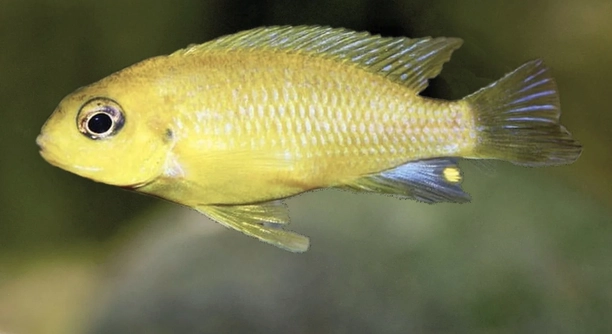
Are your cichlids thriving in their tank, or do you notice some struggling with water quality? Maintaining a healthy environment starts with choosing the right filtration system. Each filter type affects water flow and cleanliness differently.
The seven filter choices ranked for cichlid compatibility include sponge filters, hang-on-back filters, canister filters, power filters, internal filters, undergravel filters, and wet/dry filters. Each option offers varying levels of mechanical, biological, and chemical filtration suited to cichlid behavior and tank size.
Understanding which filters work best for your cichlids can improve their health and tank longevity. These rankings will help simplify the selection process for your aquarium setup.
Sponge Filters
Sponge filters are a gentle and reliable option for cichlid tanks. They provide excellent biological filtration while also offering mechanical filtration to trap debris. Because they operate with low water flow, they are ideal for young or delicate cichlids that may struggle with strong currents. The air-driven design ensures oxygenation, which is essential for maintaining healthy tank conditions. Sponge filters are also easy to clean and maintain. Simply rinse the sponge in tank water to preserve beneficial bacteria. They are quiet, cost-effective, and versatile, making them a popular choice for both small and medium-sized aquariums. Many aquarists favor sponge filters for breeding tanks, as they protect fry from being sucked into more powerful filters. Despite their simple design, they remain highly efficient and capable of supporting a thriving cichlid environment. Choosing a sponge filter can prevent common water quality issues and reduce stress for sensitive fish.
Sponge filters are particularly suited for tanks with smaller or less aggressive cichlids. They require minimal maintenance and are energy-efficient.
The gentle filtration from sponge filters promotes stable water conditions while preventing sudden fluctuations in ammonia or nitrate levels. Unlike stronger filters, they avoid creating currents that can disturb territorial cichlids. These filters can be combined with other systems in larger tanks for enhanced efficiency. Their affordability and long lifespan make them practical for most aquarists, and the ability to easily remove and clean the sponge ensures that beneficial bacteria are preserved. They also offer an added benefit for breeding tanks, as fry and small fish are protected from being sucked into the filter intake. Overall, sponge filters balance efficiency, safety, and simplicity, making them a reliable choice for cichlid owners focused on maintaining healthy, low-stress environments.
Canister Filters
Canister filters offer high filtration capacity and are ideal for larger cichlid tanks where water quality must be maintained efficiently. They provide mechanical, biological, and chemical filtration in one system.
Canister filters are closed units, allowing powerful filtration without disturbing fish. Their flexibility makes them suitable for tanks with aggressive cichlids or heavy bio-loads.
These filters can handle large volumes of water and multiple types of media, ensuring consistent cleanliness and stability. Unlike other filter types, canisters can be placed out of sight, keeping the aquarium visually appealing while maintaining powerful circulation. They are versatile and allow for customization, such as adding carbon, phosphate removers, or specialized resins depending on tank needs. While canisters require more effort to set up and occasional deep cleaning, they significantly reduce long-term maintenance by keeping water conditions stable. Their strong flow supports oxygenation and keeps detritus suspended for removal, benefiting cichlids prone to territorial aggression that may stir substrate. Investing in a canister filter is practical for larger setups where both efficiency and high-quality filtration are essential.
Hang-On-Back Filters
Hang-on-back (HOB) filters are easy to install and maintain. They provide moderate water flow and combine mechanical, biological, and chemical filtration. These filters are convenient for small to medium cichlid tanks and do not take up floor space.
HOB filters are ideal for aquariums where accessibility matters. The cartridge system allows for simple media replacement, making maintenance less stressful. They offer sufficient circulation for oxygenation without creating overly strong currents, which can unsettle territorial cichlids. While not as powerful as canister filters, HOB units are effective in maintaining stable water quality. They are compact, visually unobtrusive, and provide consistent filtration. Some models include adjustable flow settings, allowing customization for tank size and fish behavior. HOB filters also allow aquarists to add chemical media for targeted water treatment, giving additional control over water parameters.
The moderate flow of HOB filters ensures waste is collected without disturbing delicate or juvenile cichlids. Their versatility makes them a practical choice for routine aquarium maintenance and effective filtration management.
Power Filters
Power filters are designed to handle higher water volumes efficiently, supporting medium to large cichlid tanks. They provide strong mechanical, biological, and chemical filtration while enhancing circulation.
These filters are robust and suitable for tanks with aggressive or territorial cichlids. They can move water efficiently, reducing dead spots and helping prevent algae buildup. The units often allow customization of filtration media to target specific water quality issues, making them highly adaptable. Power filters require regular maintenance to avoid clogging, but their performance ensures cleaner water over time. The strong flow also promotes oxygenation, which is beneficial for active cichlids. Their ease of installation and ability to maintain water clarity make them a reliable choice.
Power filters balance strength and efficiency while keeping maintenance manageable. They are ideal for cichlid owners who prioritize consistent water quality and healthy tank conditions.
Internal Filters
Internal filters sit directly inside the aquarium and provide steady mechanical and biological filtration. They are useful for small to medium cichlid tanks where external space is limited. Their compact design keeps them discreet while still supporting acceptable water quality and oxygenation.
These filters are simple to install and maintain, making them suitable for quick cleaning routines. They offer moderate flow that works well for less aggressive cichlids. Internal filters can also be combined with other filtration systems to strengthen overall water stability and reduce debris buildup.
Undergravel Filters
Undergravel filters pull water through the substrate, encouraging beneficial bacteria growth while offering continuous biological filtration. They keep the tank visually uncluttered and operate quietly. This setup works best with smaller cichlids that do not disturb substrate deeply, allowing the filter to function efficiently.
Wet/Dry Filters
Wet/dry filters provide strong biological filtration by exposing filter media to air and water. This oxygen-rich environment supports beneficial bacteria that help maintain stable water conditions in larger cichlid tanks.
FAQ
What filter type is best for most cichlid tanks?
Canister filters tend to work well for most cichlid tanks because they offer strong mechanical, biological, and chemical filtration. Their ability to handle heavy waste levels makes them suitable for active or aggressive cichlids that demand stable and clean water. Many aquarists prefer them for larger tanks due to their efficiency and customizable media. While they require more effort during maintenance, the overall improvement in water quality often offsets the extra work. Their placement outside the tank also helps maintain a clean look inside the aquarium, which some people find appealing.
Are sponge filters enough for cichlid tanks?
Sponge filters can be enough for small tanks or breeding setups, especially when dealing with juvenile or delicate cichlids that benefit from gentle flow. They offer strong biological filtration and help keep the water oxygenated. However, they may not provide the level of mechanical filtration needed in larger or heavily stocked tanks. Many aquarists use them as a supplemental option to another filter. They are reliable and easy to maintain, which makes them useful, but they may not always handle the waste produced by bigger cichlids.
Do cichlids need strong water flow?
Cichlids generally benefit from moderate water flow, especially species that come from environments with noticeable movement. A strong flow helps distribute oxygen and keep debris suspended so the filter can remove it. However, constant excessive flow can stress some cichlids, particularly those that prefer calmer zones. Using adjustable filters or directing flow with spray bars can create a balanced environment. Each tank should have areas of calmer water to give fish a place to rest.
How often should filters be cleaned in a cichlid tank?
Filters should usually be cleaned every two to four weeks, depending on tank size, stocking level, and filter type. Mechanical components like sponges or pads can clog quickly in cichlid tanks because these fish produce more waste than many other species. Biological media should always be rinsed gently in tank water to preserve beneficial bacteria. Over-cleaning or using tap water can disrupt the nitrogen cycle. Keeping a consistent cleaning schedule helps maintain healthy water conditions and reduces ammonia spikes.
Can I combine multiple filters in one cichlid tank?
Combining filters is often beneficial for cichlid tanks, especially larger setups or tanks with aggressive species. Using two different filter types can provide stronger filtration, better water movement, and improved stability. For example, pairing a sponge filter with a canister filter can boost biological filtration and ensure gentle backup filtration if one unit fails. This setup is also helpful during breeding or when housing messy eaters. Many aquarists find that using multiple systems reduces maintenance stress and improves long-term water clarity.
Are undergravel filters good for cichlids?
Undergravel filters can work in certain cichlid tanks, but they are not always ideal. Many cichlids dig in the substrate, which can disrupt the filter’s function. If the substrate is moved too much, water cannot flow evenly through the plate. These filters are better suited for calm species that do not disturb the bottom layer heavily. They offer good biological filtration and keep equipment out of sight, but they require regular gravel cleaning to prevent buildup.
How do wet/dry filters help cichlid tanks?
Wet/dry filters offer strong biological filtration by allowing high oxygen exposure to beneficial bacteria. This makes them effective in large tanks or setups with heavy bio-loads. They can handle significant waste levels and support stable water parameters. Many aquarists prefer them for big cichlid species that require consistent water quality.
Final Thoughts
Keeping cichlids healthy depends on consistent filtration that supports both their activity levels and their higher waste output. Each filter type offers its own strengths, and understanding these differences helps create a balanced environment where your fish can thrive without unnecessary stress. Paying attention to water movement, oxygenation, and debris control plays a major role in shaping a stable tank. When filtration is chosen carefully, cichlids benefit from clear water, predictable conditions, and enough space to carry out their natural behavior. A well-planned system also reduces the likelihood of sudden water quality issues that may be difficult to fix once they start. Many cichlid keepers find that taking the time to match the filter to the size of the tank and the species housed makes daily care easier and more enjoyable. Taking these steps also supports long-term stability and helps prevent fluctuations that can disrupt the health of the fish.
Strong filtration becomes even more important as the tank grows or as more cichlids are added. Larger species and more active fish often need systems that can handle increased waste while still keeping the environment calm and comfortable. Some cichlids dislike harsh currents and may become territorial or stressed if the flow is too strong, so choosing a filter that allows control over water movement is helpful. Combining different filters can also improve balance, especially in tanks that need both strong mechanical filtration and gentle biological support. This approach helps reduce debris, maintain beneficial bacteria, and minimize the risk of harmful spikes in ammonia and nitrate levels. Regular filter maintenance remains key to keeping all parts of the system functioning well, and staying consistent with cleaning routines ensures the filtration remains effective. When everything works together, the tank becomes a stable space that supports healthy and active fish.
As you continue caring for your cichlids, the filtration system you choose will shape much of their overall environment. Selecting the right filter is not only about removing waste, but about creating a dependable foundation that stays steady over time. The right setup helps maintain clear water, promotes steady oxygen levels, and supports the growth of healthy bacteria that keep the tank balanced. Cichlid behavior, tank size, and stocking levels should all guide the choice, whether you choose a simple sponge filter, a strong canister filter, or a combination of systems. Taking a thoughtful approach makes the care routine smoother and helps create a home where the fish feel secure. When filtration is matched well to the needs of the tank, your cichlids can live comfortably and display their natural behavior with confidence, leading to a healthier and more enjoyable aquarium.

Hello,
If you enjoy the content that we create, please consider saying a "Thank You!" by leaving a tip.
Every little bit helps us continue crafting quality advice that supports the health, happiness, and well-being of pets around the world, for pets of all shapes, sizes, and species.
We really appreciate the kindness and support that you show us!