
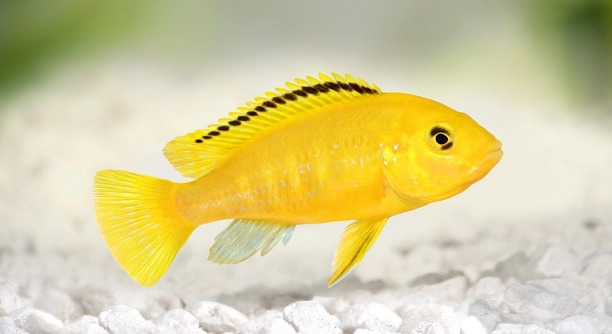
Are your cichlids turning away from the high quality food you offer each day, leaving you wondering why their behavior has shifted and what might be influencing their feeding habits in your maintained aquarium environment.
The primary reason a cichlid ignores high quality food relates to stress, environmental imbalance, or dietary mismatch. These factors can alter feeding behavior by disrupting normal patterns, reducing appetite, or encouraging selective eating habits that arise from needs in environment.
Understanding these influences helps you support healthier feeding responses and encourages balanced habits that improve your cichlids well being daily.
Stress and Environmental Factors
Stress plays a significant role in how a cichlid responds to food, and even small disruptions can change its behavior. When lighting shifts too quickly, tank mates behave aggressively, or water parameters fall outside the ideal range, your cichlid may become uneasy and less responsive during feeding time. This tension affects how confidently it approaches new or premium foods, leading to hesitation that can seem confusing when you are offering something nutritious. Maintaining a calm environment helps your fish feel secure enough to accept high quality options. Stable temperature, clean water, and predictable routines reduce pressure on your cichlid and support steady appetite patterns. A structured feeding schedule also helps reinforce familiarity and comfort. By keeping conditions consistent, you allow your fish to adjust at a pace. Over time, this steady environment encourages healthier eating responses and reduces the chances of your cichlid ignoring food that would otherwise be beneficial.
Consistency in tank care supports a more reliable feeding response. When your cichlid feels secure in its surroundings, it becomes more willing to explore nutritious options. Reducing stress creates a stable rhythm that encourages steady eating habits and helps your fish accept high quality food with greater confidence each day.
A calm environment improves feeding acceptance, but it also supports your cichlids long term stability. When your fish adapts to predictable conditions, it shows fewer signs of hesitation during meals and becomes more responsive to nutrient rich choices. Reduced pressure in the tank helps prevent behavior shifts that might cause skipped meals. Over time, these steady conditions support stronger feeding patterns and contribute to better overall health. Creating a space where your cichlid feels comfortable allows it to interact with food more confidently and consistently, especially when presented with high quality options that support balanced growth and daily vitality overall.
Diet Composition and Feeding Behavior
Diet plays a central role in how your cichlid reacts to different foods. When ingredients do not match its natural preferences, it may refuse even high quality options. Matching nutritional content to species needs helps encourage a stronger feeding response and improves overall eating consistency in your aquarium each day.
Understanding how diet influences feeding behavior helps you offer foods that match your cichlids natural needs. Many cichlids prefer specific textures, plant content, or protein levels, and ignoring these preferences can lead to refusal even when the food is considered high quality. When a formula does not align with their instincts, your fish may sample it briefly before turning away. Offering a variety of foods that reflect natural patterns can encourage better acceptance and reduce selective habits. Some species respond well to pellets with moderate firmness, while others favor softer blends that mimic the materials they would encounter in their habitat. Balancing protein, fiber, and plant matter ensures your fish receives nutrients that support steady growth and regular appetite. Introducing new foods slowly allows your cichlid to adjust without feeling pressured. This gradual approach helps build familiarity and reduces the chance of immediate refusal. Over time, aligning diet composition with species tendencies promotes stronger feeding responses and supports long term well being. Creating a thoughtful feeding plan helps your fish interact with food comfortably and consistently, especially when the ingredients reflect what your cichlid naturally prefers in its daily routine. This balance promotes healthier feeding patterns and supports ongoing stability.
Food Presentation and Texture Preferences
Presentation affects how quickly a cichlid accepts food. When pieces sink too fast or float too long, your fish may hesitate. Texture also matters, since some cichlids prefer firm pellets while others react better to softer pieces that feel more familiar.
A cichlid responds strongly to how food behaves in the water. When pellets scatter unpredictably or fall into strong currents, your fish may ignore them instead of chasing. Slower sinking options often support better acceptance in tanks where mid level feeding feels safer. Matching pellet size to your cichlids mouth structure also helps reduce avoidance. When food feels manageable, your fish reacts with more confidence. Offering a small mixture of textures lets you observe preferences without overwhelming your cichlid. Over time, these adjustments help improve feeding behavior and reduce the chances of refusal in daily care.
Texture plays a larger role than many expect. Foods that swell too quickly or break apart mid water can make feeding feel uncertain for your cichlid. Choosing stable pellets creates a more predictable response and encourages calmer interactions with meals. Introducing new textures slowly helps your fish adjust at a steady pace. When your cichlid becomes comfortable with the feel of its food, acceptance increases. These careful adjustments improve feeding reliability and create a smoother routine that supports your cichlids comfort during meals.
Feeding Schedule and Routine Consistency
A steady feeding schedule influences how your cichlid responds to each meal. When timing shifts too often, your fish may ignore even high quality food due to unpredictable patterns that interrupt natural appetite rhythms and create unnecessary hesitation during daily care in your aquarium.
A consistent routine creates a sense of security for your cichlid. When meals occur at the same times each day, appetite stabilizes and responses become more predictable. Sudden changes, skipped feedings, or overly frequent offerings can disrupt this rhythm and encourage selective behavior. Feeding too often can cause your cichlid to feel full and uninterested, while long gaps may create stress that suppresses appetite. Maintaining regular intervals supports healthier digestion and steadier eating patterns. Using small, measured portions helps reinforce familiarity without overwhelming your fish. Over time, this structure encourages your cichlid to approach each meal with more confidence and reduces the likelihood of rejecting nutritious food that supports balanced growth and daily well being.
Water Quality and Parameter Stability
Stable water conditions influence feeding behavior, and even minor shifts can cause your cichlid to ignore meals. When temperature, pH, or hardness fluctuates, your fish may feel unsettled and less willing to accept food, even when it is high quality.
Maintaining balanced parameters supports steady appetite rhythms. Clean water reduces stress and helps your cichlid respond more comfortably during feeding. Regular testing, gentle adjustments, and consistent maintenance prevent sudden changes that might affect feeding habits. These simple steps help your fish feel more secure and willing to eat.
Illness and Physical Discomfort
Illness can suppress appetite, making high quality food less appealing. When a cichlid experiences internal parasites, infections, or digestive discomfort, feeding becomes difficult. Monitoring behavior and physical changes helps you identify concerns early and address them. Providing proper treatment and supportive care helps restore normal feeding patterns.
Behavioral or Territorial Disputes
Aggression can influence feeding routines when dominant cichlids intimidate others. Creating balanced territories reduces conflict and supports calmer meals.
FAQ
Why does my cichlid ignore food even when it seems healthy?
A cichlid may ignore food when it feels stressed, uneasy, or unsure of its surroundings. Even a healthy fish can experience hesitation when something in the tank changes. Lighting shifts, noise, or disruptions near the aquarium can affect feeding behavior. When your cichlid feels uncertain, it may wait before approaching food or avoid it entirely. Keeping the environment calm supports a more stable response and helps your fish feel comfortable enough to eat. Over time, a secure setting encourages reliable feeding habits and reduces moments of hesitation.
Can a change in food brand cause refusal?
A change in food can create uncertainty for your cichlid, since fish often rely on familiarity. Texture, size, and scent play important roles in acceptance. When a new food feels different, your fish may take time to adjust. Transitioning slowly helps build familiarity without creating stress. Mixing small amounts of the new food with the old helps your cichlid recognize it over time. This gentle adjustment encourages better acceptance and reduces the chance of complete refusal.
Why does my cichlid spit food out before eating it?
Cichlids often test food before fully accepting it. Spitting can be a way of exploring texture, softness, or taste. It does not always indicate dislike. When pellets swell quickly or feel too firm, your cichlid may release them while deciding. Offering textures that match natural feeding habits helps reduce this behavior. Allowing your fish time to explore food without pressure creates a calmer routine and supports more consistent eating.
How do tank mates affect feeding responses?
Aggressive or dominant fish can discourage others from approaching food. When a cichlid feels intimidated, it may retreat instead of joining feeding time. This can lead to refusal even when food is ideal. Creating balanced territories and observing group behavior helps reduce pressure during meals. When your fish feels safe, feeding becomes smoother and more consistent. A peaceful group dynamic supports healthier routines and prevents unnecessary food “competition.”
What signs show that illness might be affecting feeding?
A cichlid that ignores food may also show slow movements, unusual positioning, pale coloration, or rapid breathing. These signals can indicate internal concerns that affect appetite. Illness often makes feeding uncomfortable, causing your fish to stay distant from food. Monitoring early signs helps you respond quickly. When you address the issue with proper care, appetite usually improves as your cichlid recovers. Consistent observation supports long term stability and keeps feeding habits on track.
How important is stable water for feeding behavior?
Water quality influences appetite more than many expect. Even small shifts in pH, temperature, or hardness can cause a cichlid to ignore meals. Clean, stable water supports comfort and encourages a steady feeding rhythm. Regular testing, gradual changes, and calm conditions help your fish stay confident during mealtime. When the environment remains steady, feeding behavior becomes more reliable.
Why does my cichlid only eat certain foods?
Selective eating often comes from natural tendencies. Some cichlids prefer plant based blends, while others respond better to protein rich options. Texture also shapes preference, since certain species favor firm pellets while others choose softer foods. Offering a small mix helps you learn what your fish accepts most readily. Adjusting to these preferences supports steady feeding and creates a routine your cichlid feels comfortable with.
Can overfeeding cause my cichlid to ignore food?
Overfeeding can reduce appetite and create refusal. When your cichlid receives food too frequently, it may not feel hungry enough to show interest. Excess food can also affect water quality, which further influences feeding behavior. Using small portions at regular intervals keeps appetite balanced. This structure encourages your fish to approach meals with more interest and reduces wasted food.
How long does it take for a cichlid to adjust to new feeding routines?
Adjustment varies from fish to fish. Some respond quickly, while others take several days before accepting new foods or schedules. Consistency helps ease the process. Keeping routines predictable supports confidence and lets your cichlid learn the pattern without stress. With time, steady habits create smoother feeding responses and promote long term comfort.
Final Thoughts
Caring for cichlids becomes easier when you understand how small details influence their feeding behavior. These fish respond strongly to the conditions around them, and they express their needs through subtle changes that may not seem obvious at first. When food is ignored, it is often a sign that something in their environment or routine needs attention. Stable water conditions, predictable schedules, and familiar textures help your cichlid feel comfortable enough to eat with confidence. High quality food alone is not always enough because comfort, security, and stability shape how your fish behaves during meals each day. By watching for small signals and responding with calm adjustments, you create an environment where your cichlid feels safe enough to accept nutritious options without hesitation. This steady approach not only improves feeding habits but also supports overall health. A cichlid that feels secure shows more natural behavior, stronger appetite patterns, and a more relaxed presence in the tank, which leads to a healthier and more balanced aquarium.
Understanding these patterns also helps reduce stress for both you and your fish. When you maintain a clean and stable environment, your cichlid becomes more predictable in how it reacts to daily care. Strong currents, sudden noise, or shifting parameters can interrupt feeding routines, but gentle consistency helps your fish respond with steady interest. Every cichlid has its own preferences, and learning them takes time. Whether your fish prefers soft foods, firm pellets, slow sinking options, or plant rich blends, observing these habits helps you tailor meals to match natural instincts. A patient and thoughtful approach helps your cichlid build trust in its surroundings. This steady trust encourages stronger feeding responses and reduces selective behavior that might seem confusing. Over time, the effort you put into maintaining a calm environment translates into clearer feeding patterns, steadier appetite, and healthier daily routines that support your cichlids long term well being.
Supporting your cichlid in this way helps create a peaceful atmosphere where feeding becomes easier and more consistent. When aggression is managed, territories are balanced, and illness is addressed early, your fish feels safe enough to explore new foods without hesitation. Even small improvements can make a noticeable difference in how your cichlid approaches meals. A clear schedule, clean water, stable lighting, and minimal disruption help your fish relax during feeding time. This relaxed state encourages stronger acceptance of nutrient rich options and helps your cichlid maintain healthy energy levels. Over time, these habits shape a stable and predictable routine. By focusing on comfort and consistency, you create an environment where your cichlid thrives, accepts high quality food more readily, and maintains a stronger sense of balance.

Hello,
If you enjoy the content that we create, please consider saying a "Thank You!" by leaving a tip.
Every little bit helps us continue crafting quality advice that supports the health, happiness, and well-being of pets around the world, for pets of all shapes, sizes, and species.
We really appreciate the kindness and support that you show us!