
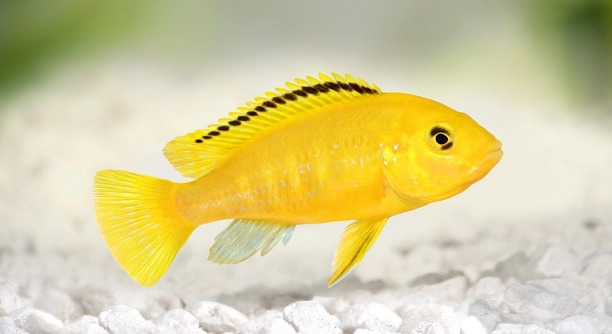
Do you love keeping vibrant fish but find yourself wondering how adding more Electric Yellow Cichlids might affect your tank’s balance and harmony? Managing multiple cichlids requires careful attention to their behavior and environment.
Before adding more Electric Yellow Cichlids, it is essential to consider tank size, social hierarchy, water parameters, and feeding routines. These factors directly influence aggression levels, health stability, and overall compatibility within the aquarium ecosystem.
Ensuring your cichlids thrive involves more than just space; understanding their social dynamics and tank conditions is key to long-term success.
Understanding Tank Size Requirements
Electric Yellow Cichlids are active fish that need ample space to swim and establish territories. A crowded tank can increase stress, aggression, and disease risk. For a small group, a minimum of 55 gallons is recommended, with additional space added for each new cichlid. Hiding spots, rocks, and decorations help break line-of-sight, reducing fights and promoting natural behavior. Regular water changes are necessary to maintain quality, as more fish increase waste production. Overcrowding also complicates feeding, with dominant cichlids often consuming most of the food, leaving weaker fish undernourished. Observing behavior after adding new cichlids allows you to identify tension early. Separation or rearrangement may be required if aggression escalates. Temperature, pH, and hardness must remain stable, as fluctuations can worsen stress. Planning ahead for tank size prevents common issues and helps maintain a harmonious environment, making care more manageable and ensuring all fish thrive comfortably.
Maintaining adequate space reduces stress and supports healthier interactions, allowing each cichlid to establish its territory peacefully.
Proper tank planning also includes considering filtration, water circulation, and layout. Rocks and caves are not just decorations—they are essential for hiding and spawning. A well-planned tank reduces aggression, encourages natural behavior, and helps keep water quality high. By providing enough room and thoughtful structure, you create a stable environment where cichlids can flourish without constant intervention.
Managing Aggression and Social Hierarchy
Aggression is common among Electric Yellow Cichlids, especially when establishing a pecking order. Dominant fish may harass or chase others. Proper tank arrangement and hiding spots help reduce conflict.
Understanding cichlid behavior allows for strategic management. Each fish has a rank, which influences feeding, movement, and interactions. Observing behavior helps detect bullying early. If aggression persists, separating individuals or adjusting decorations can restore balance. Introducing new fish gradually and monitoring compatibility is essential. Aggressive behavior often spikes during breeding periods, so extra precautions may be necessary to protect less dominant fish. Maintaining consistent routines, such as feeding times and water care, supports stability.
Providing enough territory and visual barriers minimizes fights. Rearranging rocks or adding caves can disrupt established hierarchies temporarily, reducing constant stress. Monitoring interactions ensures all fish have access to food and space, preventing injuries. A balanced social environment encourages natural behavior, reduces stress-related illness, and keeps the aquarium peaceful. By carefully managing hierarchy, you create a more enjoyable and sustainable tank for all Electric Yellow Cichlids.
Feeding and Nutrition
Electric Yellow Cichlids require a balanced diet to maintain health, vibrant coloration, and energy levels. Overfeeding can cause poor water quality and obesity, while underfeeding leads to weakness and aggression. High-quality pellets or flakes, supplemented with occasional vegetables or protein treats, work best for their dietary needs.
A proper feeding routine includes small portions two to three times daily. Foods rich in carotenoids enhance yellow coloration, while protein supports growth and activity. Avoid feeding large amounts at once, as cichlids tend to overeat quickly, which can lead to bloating and digestive issues. Including occasional live or frozen foods like brine shrimp or bloodworms adds variety, encourages natural hunting behavior, and supports overall health. Monitoring each fish’s appetite helps identify dominant individuals who may be monopolizing food. Proper nutrition contributes to strong immune systems, reduces disease risk, and ensures a balanced temperament within the tank.
Maintaining clean water is crucial alongside feeding. Uneaten food can quickly decay, affecting water quality. Regularly remove leftovers and adjust portions as needed. Observing your cichlids’ behavior during feeding helps track their health and social dynamics. By keeping a consistent feeding schedule and providing variety, you promote long-term vitality and a harmonious tank environment, benefiting all Electric Yellow Cichlids.
Water Parameters and Maintenance
Consistent water parameters are essential for cichlids’ health, including temperature, pH, and hardness. Sudden changes can stress fish and increase susceptibility to illness. Regular testing ensures stable conditions.
Electric Yellow Cichlids thrive in water with a temperature of 74–82°F, pH around 7.8–8.6, and moderate hardness. Ammonia, nitrite, and nitrate levels must remain low to prevent stress or toxicity. Frequent water changes, typically 20–30% weekly, help maintain quality and remove excess waste. Using a reliable filtration system is necessary to handle bioload and keep water clear. Adjusting water parameters gradually when needed avoids shock, which can lead to disease or aggressive behavior. Proper maintenance also includes cleaning substrate and monitoring for debris or algae growth, which can impact water chemistry and fish health.
Regular observation is critical. Watch for signs of stress such as color fading, lethargy, or hiding. Timely intervention ensures problems are corrected before they escalate. Stability in water conditions reduces aggression and promotes breeding behavior. Maintaining equipment like filters and heaters ensures consistent performance. A clean, balanced aquatic environment supports long-term health, vibrant coloration, and active behavior, creating a thriving habitat for all Electric Yellow Cichlids.
Introducing New Cichlids
Adding new Electric Yellow Cichlids requires careful acclimation to prevent stress and aggression. Quarantining new fish for two weeks ensures they are healthy before joining the main tank.
Gradually adjusting water temperature and chemistry during acclimation helps new cichlids adapt smoothly. Drip acclimation or floating the bag in the tank allows them to slowly get used to their new environment. Observing behavior during this period helps detect illness or aggression tendencies early, minimizing risks to existing fish. Proper introduction promotes harmony and reduces the chance of immediate territorial disputes.
Breeding Considerations
Electric Yellow Cichlids may breed readily in a well-maintained tank. Providing flat rocks or caves supports spawning behavior.
During breeding, pairs become territorial and aggressive. Separating fry from adults ensures survival. Maintaining stable water parameters and a consistent feeding schedule encourages healthy development and prevents stress-related mortality.
Disease Prevention
Preventing disease is easier than treating it. Regular water changes, proper nutrition, and observing behavior reduce illness risks.
Tank Decorations and Layout
Caves, rocks, and plants create hiding spots and break sightlines, reducing aggression. Proper layout supports natural behavior and helps fish feel secure.
FAQ
How many Electric Yellow Cichlids can I keep in one tank?
Tank size and social dynamics determine the number you can safely keep. For a 55-gallon tank, a small group of three to five is recommended. Adding more requires increasing tank size to prevent overcrowding and reduce aggression. Overcrowding can lead to stress, injuries, and poor water quality, so careful planning is essential before introducing additional fish. Providing ample hiding spots and visual barriers helps distribute territories, allowing each cichlid to establish its own space without constant conflict. Observing behavior after adding fish ensures the group remains balanced.
What is the ideal water temperature and pH for Electric Yellow Cichlids?
These cichlids thrive in water between 74–82°F with a pH of 7.8–8.6. Maintaining stable conditions prevents stress, disease, and aggression. Rapid changes in temperature or pH can shock fish, lowering immunity and making them vulnerable to infections. A reliable heater and frequent water testing help maintain stability. Water hardness should be moderate to replicate their natural environment. Proper filtration supports consistent chemical balance by removing waste and controlling ammonia, nitrite, and nitrate levels. Gradual adjustments to water parameters prevent sudden stress, which is critical when introducing new fish or performing water changes.
How often should I feed Electric Yellow Cichlids?
Feeding two to three times daily in small portions works best. Overfeeding causes water quality issues and health problems, while underfeeding leads to malnutrition and aggression over food. High-quality cichlid pellets or flakes form the staple diet, supplemented with occasional vegetables, live, or frozen protein treats. Carotenoid-rich foods enhance their bright yellow coloration, and protein supports growth and energy. Observing individual eating habits ensures no fish is left out, especially weaker or more submissive ones. Removing uneaten food after a few minutes prevents decay and helps maintain clean water. Consistency in feeding routines reduces stress and promotes stable social behavior.
Can Electric Yellow Cichlids live with other cichlid species?
They can coexist with other African cichlids of similar size and temperament but may show aggression toward smaller or less dominant species. Matching water requirements and behavior patterns is crucial for compatibility. Careful observation and gradual introduction prevent unnecessary conflicts. Territory boundaries and hiding spots reduce confrontations. Mixing too many aggressive species in one tank often leads to injuries or stress. Using visual barriers like rocks and plants can help manage interactions. Avoid introducing species with vastly different diets or water preferences, as this complicates care and can stress all tank inhabitants. Proper planning ensures a harmonious mixed community tank.
How do I prevent aggression when adding new cichlids?
Acclimation and careful introduction reduce aggression. Quarantining new fish for two weeks prevents disease spread. Floating the bag in the tank or using drip acclimation allows gradual adjustment to water parameters. Rearranging rocks and decorations temporarily disrupts established territories, giving all fish a fresh start. Introducing new fish during feeding time can distract dominant individuals, reducing early conflicts. Monitoring interactions closely during the first few days ensures aggressive behavior does not escalate. If fights occur, separating individuals or adjusting hiding spots restores balance. Maintaining consistent water quality, feeding routines, and tank layout supports stable social dynamics.
What signs of illness should I watch for?
Watch for faded colors, lethargy, clamped fins, or unusual swimming patterns. Loss of appetite, rapid breathing, or white spots can indicate disease. Early detection allows treatment before problems spread. Maintaining clean water, proper nutrition, and minimal stress lowers illness risk. Quarantining new fish prevents introducing pathogens. Observing interactions ensures aggressive behavior does not cause injuries that could become infected. Promptly addressing symptoms and adjusting care routines improves recovery chances. Keeping equipment functioning correctly, including heaters and filters, also supports fish health.
Do Electric Yellow Cichlids require special breeding care?
Breeding pairs become territorial and aggressive. Providing flat rocks or caves encourages spawning while protecting fry from adults. Separating eggs or fry increases survival rates. Maintaining stable water parameters and a consistent feeding schedule supports healthy development. Observing parental behavior ensures fry are not harmed, and adjusting decorations or tank layout can reduce conflicts. Proper preparation, including water quality and hiding spots, improves breeding success. Regular monitoring and careful management of the group prevent injury and stress, creating optimal conditions for natural reproductive behavior.
How often should I perform water changes?
Weekly changes of 20–30% are recommended to maintain water quality. More frequent changes may be needed in heavily stocked tanks. Removing debris, uneaten food, and monitoring chemical levels prevents ammonia or nitrate buildup. Stable water conditions reduce stress, aggression, and disease susceptibility. Using a siphon cleans the substrate while preserving beneficial bacteria. Regular maintenance keeps tanks clean and ensures healthier, more vibrant fish. Adjusting water change frequency based on observation and tank conditions helps maintain optimal habitat for all Electric Yellow Cichlids.
What tank decorations are best for Electric Yellow Cichlids?
Rocks, caves, and sturdy plants provide hiding spots, reduce aggression, and create natural territories. Breaks in line-of-sight prevent constant fighting. Decorations should be securely placed to avoid collapse during digging or rearranging. Using neutral-colored materials highlights the cichlids’ vibrant yellow, while avoiding sharp edges prevents injury. Arranging caves at multiple locations allows subordinate fish to find safe spaces. Including open swimming areas balances activity and territorial needs. Proper layout enhances natural behavior, reduces stress, and supports breeding activities. Observing fish interactions helps refine placement for optimal harmony and security.
Adding more Electric Yellow Cichlids to your tank requires careful planning and consideration. These fish are active and territorial, so it is important to provide sufficient space and resources for all inhabitants. Tank size directly affects their behavior, with overcrowding often leading to stress, aggression, and even injury. Providing hiding spots, caves, and visual barriers helps reduce conflict and allows each cichlid to establish its own territory. Stable water parameters, including temperature, pH, and hardness, are essential to maintain their health and prevent illness. Monitoring these conditions consistently ensures that your tank remains a safe and stable environment for every fish, especially when introducing new members.
Feeding and nutrition are equally important in maintaining a balanced and healthy aquarium. Electric Yellow Cichlids need a diet that supports growth, energy, and coloration. Overfeeding or underfeeding can create problems, including poor water quality, obesity, or nutritional deficiencies. Offering high-quality pellets or flakes as a staple, supplemented with occasional live or frozen foods, provides variety and encourages natural behavior. Observing individual feeding habits ensures that all fish, including less dominant ones, receive adequate nutrition. Regular removal of uneaten food helps maintain water quality, which is critical in preventing disease and stress. Maintaining a consistent feeding schedule also contributes to stable social interactions and a peaceful tank environment.
Finally, introducing new cichlids and managing aggression requires attention and patience. Quarantining new fish before adding them to the main tank prevents disease and allows for a gradual acclimation to water conditions. Rearranging rocks and decorations temporarily can reduce territorial disputes by giving all fish a fresh start. Monitoring interactions closely during the first few days helps identify potential conflicts before they escalate. Providing multiple hiding spots and open swimming areas allows subordinate fish to find safe spaces while encouraging natural behavior. Maintaining a structured routine, stable water conditions, and thoughtful tank layout supports harmony within the community. By addressing these factors carefully, you can create a thriving and vibrant tank where all Electric Yellow Cichlids remain healthy, active, and visually striking.

Hello,
If you enjoy the content that we create, please consider saying a "Thank You!" by leaving a tip.
Every little bit helps us continue crafting quality advice that supports the health, happiness, and well-being of pets around the world, for pets of all shapes, sizes, and species.
We really appreciate the kindness and support that you show us!