
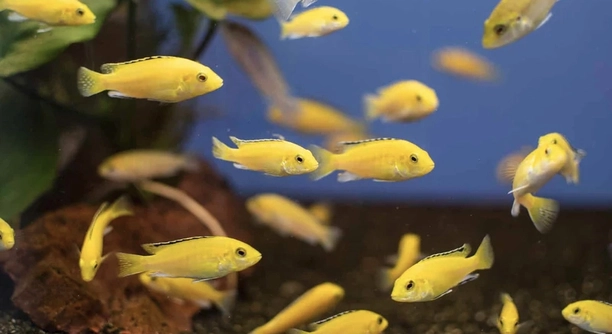
Cichlids are fascinating fish, well-known for their bright colors and complex behaviors. Many owners notice changes in their personalities after they spawn, making these shifts an intriguing aspect of their care and observation.
After spawning, cichlids often exhibit heightened aggression, increased territoriality, altered social interactions, and intensified parental behaviors. These personality changes are linked to hormonal fluctuations and reproductive priorities, reflecting adaptive strategies that enhance offspring survival and ensure species continuity.
Observing these transformations can help you better understand your cichlid’s behavior and maintain a harmonious aquarium environment.
Increased Aggression
After spawning, cichlids often become noticeably more aggressive toward other fish in the tank. They may chase, nip, or corner tank mates, especially when guarding eggs or fry. This aggression is a natural response to protect their offspring from potential threats. Even species that are normally calm can display sudden hostility. Owners may notice changes in feeding times, as aggressive cichlids may dominate food distribution, preventing other fish from eating properly. Tank setup can influence aggression levels. Providing hiding spots and separate territories helps reduce conflict. Observation is key, as aggression can escalate if not managed. Separating highly aggressive individuals temporarily may be necessary. Hormonal changes after spawning trigger these behaviors, and most fish gradually return to their normal temperament once the fry are more independent. Understanding the reasons behind aggression helps in maintaining balance in a community tank and ensuring the safety of all inhabitants.
Careful observation and timely intervention help manage aggression effectively.
Providing additional shelters and rearranging tank decorations can prevent constant stress and reduce aggressive encounters among tank mates.
Heightened Territoriality
Territorial behavior becomes more pronounced after spawning. Fish establish clear boundaries around nesting sites, often claiming larger areas than usual. This behavior ensures that eggs and fry remain safe from other fish. Tank mates may be chased away more frequently, and territories can shift as cichlids adjust to protect their young. Proper tank arrangement with rocks, plants, and hiding spots helps reduce stress caused by territorial disputes. Owners may need to monitor interactions closely, as some fish can become so territorial that they neglect feeding or damage plants while defending their area. Over time, territorial behavior tends to lessen as fry grow and become more independent, but during early stages, heightened awareness is crucial. Observing and understanding these patterns allows for better tank management and supports healthy reproduction and growth in cichlids.
Maintaining a balanced environment is key to minimizing conflicts and supporting natural territorial instincts.
Adjusting tank layout and ensuring enough space helps cichlids express territorial behaviors without endangering other fish.
Altered Social Interactions
Cichlids often change how they interact with other fish after spawning. Some become more withdrawn, while others may be more dominant or assertive. These changes are influenced by their focus on protecting eggs or fry, and social hierarchies within the tank may shift.
During the post-spawning period, cichlids may avoid usual social activities or assert themselves more frequently to maintain control of their environment. Fish that were once cooperative may act independently or aggressively, particularly around feeding times or shared spaces. Social behavior can also change depending on the number of fry present, the size of the tank, and the mix of species. Observing interactions closely helps prevent injuries and ensures all fish receive adequate nutrition. Temporary separation or rearrangement of the tank may be needed for particularly aggressive or stressed individuals.
These social changes can last until the fry become more independent, though some cichlids may retain subtle adjustments in behavior long-term. Understanding these patterns is essential for maintaining harmony and reducing stress in the tank.
Intensified Parental Care
Parental instincts peak after spawning, with cichlids dedicating significant time to guarding eggs and fry. They may move their offspring, clean the nesting area, or chase away intruders. This focused care is crucial for fry survival in a competitive environment.
During this period, both parents, depending on the species, may share responsibilities. They monitor fry constantly, adjusting positions and movements to provide protection and guide them to safe zones. Feeding behavior may be affected as they prioritize fry over themselves, sometimes even skipping meals. Observing these behaviors is important to ensure the parents remain healthy while caring for offspring. Tank adjustments, like providing extra hiding spaces or ensuring adequate water quality, support these efforts.
Parental care diminishes gradually as fry grow and become more self-sufficient, though some species maintain protective behaviors for an extended time. Consistent observation helps balance parental activity with overall tank well-being.
Reduced Activity
After spawning, cichlids sometimes show lower activity levels, spending more time near their nest or hiding spots. This behavior helps them conserve energy while monitoring eggs or fry and reduces exposure to potential threats from other fish.
Reduced movement also lowers stress and allows parents to focus on protecting their offspring. They may move only when necessary, such as feeding or adjusting fry positions. This temporary slowdown is normal and usually returns to typical activity levels once fry are more independent. Observing these patterns helps ensure the fish remain healthy during this critical period.
Selective Feeding
Cichlids may become selective with their diet after spawning. They often prioritize feeding near their territory or alongside their fry, avoiding areas that feel unsafe.
Selective feeding ensures energy is directed toward parental responsibilities while minimizing risk. Maintaining a balanced diet during this period supports recovery from spawning and sustains the energy needed for guarding young. Owners may need to offer food in multiple locations or provide softer, easily accessible options to accommodate these temporary changes.
Increased Hiding
Some cichlids spend more time hiding after spawning, retreating to caves, plants, or decorations. This behavior offers protection and minimizes stress from other tank inhabitants.
Hiding allows them to conserve energy and monitor their environment safely. It is a temporary behavior linked to post-spawning instincts and usually decreases as fry grow.
FAQ
Why do cichlids become aggressive after spawning?
Aggression after spawning is a natural instinct. Cichlids prioritize protecting their eggs and fry, which can make them chase or nip at other fish. This behavior ensures the young have a safer environment and reduces the risk of predation within the tank.
How long does post-spawning aggression last?
The duration varies depending on the species and number of fry. Some cichlids return to normal behavior within a few weeks, while others remain protective longer. Monitoring interactions and providing adequate space helps reduce stress during this period.
Do all cichlids show increased territorial behavior?
Not all, but most species display heightened territorial instincts. They mark and defend areas around nests or fry, often claiming more space than usual. Tank layout with hiding spots helps reduce conflicts among inhabitants.
Why do some cichlids become withdrawn after spawning?
Withdrawal is linked to energy conservation and risk avoidance. Fish may stay near their nest, avoiding unnecessary movement. This behavior ensures they can focus on offspring protection without exposing themselves to potential threats.
Is selective feeding normal in post-spawning cichlids?
Yes, selective feeding is common. Parents may feed only near their fry or in familiar areas. Providing easily accessible, nutritious food helps maintain their health while they continue parental duties.
Do cichlids change their social interactions permanently?
Some changes may persist, but most adjustments are temporary. Post-spawning social shifts usually decrease once fry become independent, though subtle dominance or cautious behaviors can remain.
How can I reduce aggression in my tank?
Rearranging decorations, adding hiding spots, or temporarily separating overly aggressive fish can help. Observing interactions and ensuring enough space prevents injuries and promotes a balanced environment.
Why do some cichlids hide more after spawning?
Hiding is a protective measure. Fish stay in safe spots to monitor the environment and conserve energy. This behavior decreases as fry grow and parental attention is less critical.
Can post-spawning behaviors affect tank mates’ health?
Yes, aggression and territorial disputes can stress other fish, leading to reduced feeding or injury. Proper tank management, like providing multiple hiding spots and monitoring behavior, helps maintain overall tank health.
Are there long-term personality changes after spawning?
Some cichlids retain subtle personality shifts, such as increased caution or territorial awareness. Most return to normal behavior, but these experiences shape their instincts and interactions in the aquarium.
Should I intervene during parental care?
Minimal intervention is best unless aggression threatens other fish or health is at risk. Providing extra shelters and monitoring feeding ensures parents and fry thrive without unnecessary stress.
How does tank setup influence post-spawning behavior?
Tank size, decorations, and hiding spaces directly affect aggression, territoriality, and social interactions. A well-structured environment allows cichlids to express natural behaviors safely while reducing stress for all fish.
Do both parents care for fry?
This depends on the species. Some cichlids share parental duties, while others leave most responsibilities to one parent. Observing behaviors helps ensure both parents are healthy and able to provide care.
Can stress impact post-spawning behaviors?
High stress can worsen aggression, hiding, or feeding issues. Stable water conditions, proper diet, and adequate space help minimize stress and support normal post-spawning behavior.
Is it normal for activity levels to drop after spawning?
Yes, lower activity is common. Parents conserve energy and focus on monitoring fry. This slowdown is temporary and usually returns to normal as offspring grow.
How do I know if my cichlids are ready to spawn again?
Signs include increased courtship behaviors, color changes, and nest preparation. Observing these cues helps manage tank dynamics and anticipate shifts in personality and social behavior.
Do environmental changes affect post-spawning personalities?
Yes, adjustments in tank layout, lighting, or water quality can influence aggression, hiding, and territorial behavior. Consistency supports stable post-spawning habits and reduces stress for both parents and tank mates.
Can post-spawning behaviors vary between individual cichlids?
Absolutely. Even within the same species, individual temperament and past experiences influence how fish respond after spawning. Observing each fish helps manage interactions effectively and maintain harmony.
Are there ways to encourage healthy parental care?
Providing a stress-free environment, adequate hiding spots, and easily accessible food supports attentive and effective parental care, ensuring fry survival without overburdening the parents.
What should I watch for during post-spawning behavior?
Monitor aggression, feeding habits, hiding tendencies, and parental attention. Intervene if conflicts threaten other fish or if parents appear weak, ensuring a balanced and safe environment for the entire tank.
How do hormonal changes affect behavior?
Hormonal fluctuations drive aggression, territoriality, and parental care. These changes are natural, temporary, and critical for reproductive success, shaping how cichlids interact with each other and their environment.
Is it normal for cichlids to retain some personality changes long-term?
Yes, subtle traits such as cautiousness or territorial awareness may persist. These long-term adaptations reflect the experience of spawning and caring for offspring, influencing interactions even after fry independence.
Can multiple spawning events affect behavior more dramatically?
Repeated spawning can amplify aggression, territoriality, and parental investment. Each cycle reinforces instincts and may temporarily intensify personality changes until the fish fully recover between events.
How can I maintain balance in a tank with post-spawning cichlids?
Ensure adequate space, multiple hiding spots, and consistent feeding areas. Observe interactions carefully and adjust tank layout as needed to minimize conflicts while supporting natural behaviors.
Do environmental stressors influence post-spawning personalities?
Yes, factors like poor water quality, overcrowding, or sudden changes can increase aggression, hiding, and selective feeding. Maintaining stable conditions helps ensure normal behavior and healthy offspring development.
What are the signs of stress in post-spawning cichlids?
Signs include excessive hiding, refusal to eat, erratic swimming, and overly aggressive behavior. Recognizing stress early allows for adjustments to reduce tension and support the fish’s health.
How important is observation during post-spawning?
Careful observation is crucial. It allows you to notice aggression, feeding issues, and parental care patterns, ensuring interventions are timely and maintaining a safe, balanced environment for all fish.
Can diet influence post-spawning behavior?
A proper diet supports energy needs for parental care and recovery. High-quality, protein-rich food helps sustain aggression and territorial defense while keeping the fish healthy during this demanding period.
Is temporary separation ever necessary?
In extreme cases of aggression or stress, temporary separation can protect other fish and reduce tension. This should be a short-term solution while providing adequate hiding spots and monitoring interactions.
How do I know when post-spawning behaviors are normal?
Normal behaviors include heightened aggression, territoriality, selective feeding, hiding, and focused parental care. These should gradually decrease as fry grow and parents regain typical activity levels.
Are personality changes consistent across species?
While patterns are similar, the intensity and duration vary by species. Observing species-specific traits helps predict behavior and plan tank management accordingly.
What’s the best way to support cichlids after spawning?
Provide a stable, enriched environment with hiding spots, consistent feeding, and careful observation. Supporting natural behaviors ensures both parents and fry remain healthy while reducing stress and conflicts.
How do I handle fry once they grow?
As fry grow, parental care decreases naturally. Offering more space, proper nutrition, and monitoring interactions helps integrate fry safely into the tank without disrupting established social structures.
Can post-spawning stress affect long-term health?
Extended stress can weaken immunity and increase susceptibility to disease. Maintaining stable conditions, observing behaviors, and providing proper nutrition minimizes negative effects and supports overall long-term health.
Are there behavioral signs that a cichlid is ready for a new spawning cycle?
Signs include increased activity around nesting areas, enhanced coloration, and courtship behaviors. Recognizing these indicators helps manage tank dynamics and anticipate shifts in personality and social interactions.
Does parental care affect the personality of the offspring?
Yes, attentive parental care can influence fry confidence, social behavior, and survival instincts. Observing how parents interact with fry provides insight into the next generation’s temperament.
Can cichlids revert completely to pre-spawning behavior?
Most cichlids gradually return to baseline personality traits after fry independence, though some subtle changes like territorial awareness or caution may remain long-term.
Is it necessary to change tank setup after spawning?
Adjusting the layout temporarily can reduce aggression and stress. Adding hiding spots or creating separate areas helps parents protect fry while keeping the tank safe and balanced.
Do environmental conditions impact the timing of post-spawning behavior changes?
Yes, stable water parameters, adequate space, and minimal disturbances ensure behaviors develop naturally, supporting parental care and reducing unnecessary stress on both adults and fry.
How can I tell if a cichlid is stressed or just displaying normal post-spawning behavior?
Normal behaviors include guarding, hiding, aggression, and selective feeding. Signs of stress include extreme hiding, refusal to eat, erratic movements, or excessive aggression affecting tank mates. Differentiating between the two helps manage care effectively.
Are all post-spawning behaviors beneficial for offspring survival?
Yes, behaviors like aggression, territoriality, and attentive parental care increase fry survival by minimizing threats and ensuring a protected environment during early development stages.
What should I do if aggression becomes extreme?
Provide additional hiding spaces, temporarily separate aggressive individuals, and observe interactions closely. Ensuring sufficient resources and space helps reduce tension while supporting natural behaviors.
Do hormonal changes fully explain post-spawning behaviors?
Hormones play a major role, but environmental factors, tank setup, and individual temperament also influence how cichlids behave after spawning. A combination of these elements shapes personality changes and social interactions.
Can post-spawning behaviors differ between males and females?
Yes, males often show increased territoriality and aggression, while females may focus more on direct fry care. Roles vary by species, and observing both parents ensures proper management.
Is it normal for some behaviors to overlap, like aggression and hiding?
Yes, cichlids may alternate between defending territory and retreating to protect themselves or fry. These overlapping behaviors reflect flexible strategies for survival and parental care.
How important is tank size during post-spawning behavior?
Larger tanks reduce conflicts and allow parents to guard fry without excessive stress. Adequate space supports natural behaviors, minimizes aggression, and promotes healthier social interactions.
What role do decorations play in post-spawning behavior?
Rocks, plants, and caves provide territory boundaries, hiding spots, and safe zones for fry. Well-placed decorations help manage aggression, support parental care, and reduce stress for all fish.
Can post-spawning behaviors affect feeding schedules?
Yes, parents may feed less or only in specific areas to stay near fry. Offering multiple feeding spots or softer food ensures nutrition without compromising protection.
Are there signs that parental care is declining naturally?
Decreased aggression, less constant guarding, and more independent fry indicate parental care is tapering off. Observing these cues helps gauge when fish are returning to normal routines.
How do I balance fry safety with adult fish needs?
Provide hiding spots, maintain water quality, monitor aggression, and ensure adequate food. This balance protects fry while keeping adults healthy and reducing stress across the tank.
Does repeated spawning alter behavior more significantly?
Multiple cycles can intensify territoriality, aggression, and parental investment temporarily. Each cycle reinforces instincts but typically returns to baseline between spawning events with proper care.
What are the best practices for observing post-spawning behavior?
Watch feeding, aggression, hiding, and parental care. Take notes, adjust tank layout as needed, and intervene minimally to maintain natural behaviors while ensuring safety and health.
Can stress from other tank mates influence parental behavior?
Yes, overly active or aggressive fish can disrupt guarding and fry care. Separating or rearranging tank mates may be necessary to support focused parental behavior.
Is it normal for some cichlids to resume normal activity faster than others?
Individual temperament and species differences influence recovery. Some fish quickly return to baseline activity, while others retain cautious or territorial behaviors longer.
How can I support both parents if only one is caring for fry?
Ensure the caregiving parent has access to food, shelter, and minimal disturbances. Monitoring for signs of fatigue or stress allows intervention if needed.
Are post-spawning personality changes reversible?
Most changes gradually revert, though some subtle adjustments may remain. Understanding natural behaviors helps manage expectations and maintain a harmonious tank environment.
How does observing these behaviors help in the future?
Careful observation provides insight into personality, social dynamics, and parental strategies, allowing better planning for future spawning and overall tank management.
Can fry behavior affect parental behavior?
Yes, active or dispersed fry may trigger increased guarding, movement, or aggression. Monitoring both parents and fry ensures safety and reduces unnecessary stress.
Do all cichlids exhibit parental care?
No, parental strategies vary. Some species are highly attentive, while others leave fry to fend for themselves. Knowing species-specific traits helps anticipate behavior and adjust tank management.
How do water conditions affect post-spawning behavior?
Stable water parameters reduce stress, support parental care, and minimize aggression. Sudden changes can disrupt behavior, compromise fry safety, and increase conflict among adults.
Are there signs of overstressed parents?
Signs include excessive hiding, refusal to feed, erratic swimming, or uncontrolled aggression. Early recognition allows corrective measures to support health and fry survival.
Can post-spawning behaviors be predicted?
Patterns are generally predictable based on species and individual temperament, but tank conditions, number of fry, and environmental factors influence intensity and duration. Observation is key.
How do I prevent conflicts among tank mates?
Provide adequate space, multiple hiding spots, and monitor interactions. Rearranging decorations or temporarily separating fish reduces aggression while allowing natural behaviors.
Does parental care affect fry growth?
Yes, attentive care improves survival rates, reduces stress, and supports healthy development. Fry that receive consistent guidance and protection are more likely to thrive.
How long should I monitor post-spawning behaviors?
Observation should continue until fry become independent and parents return to baseline behavior. This ensures all fish remain healthy and tank dynamics are stable.
Can environmental enrichment influence post-spawning personalities?
Yes, hiding spots, plants, and territorial markers help fish express natural behaviors while minimizing stress. Proper enrichment supports both parental care and social balance in the tank.
Are there species-specific differences in post-spawning behaviors?
Absolutely. Some cichlids are more aggressive or protective, while others are more withdrawn. Understanding species tendencies aids in predicting behavior and managing the tank effectively.
What’s the most important factor for healthy post-spawning behavior?
Stable water conditions, adequate space, proper nutrition, and observation are essential. Supporting natural instincts ensures both parents and fry thrive while reducing stress and conflicts.
Can post-spawning stress lead to illness?
Extended stress can compromise the immune system, making fish more susceptible to disease. Maintaining proper care reduces risk and promotes overall health.
Do all fry require parental care to survive?
Survival depends on species. Some cichlids provide extensive care, while others have fry that are independent from hatching. Knowing species behavior helps ensure proper management.
Can rearranging the tank improve post-spawning behavior?
Yes, adding hiding spots and creating separate territories can reduce aggression and stress. Thoughtful layout adjustments support natural behaviors while keeping the tank safe.
Do hormonal changes fully explain behavioral shifts?
Hormones play a major role, but environment, tank setup, and individual temperament also influence post-spawning behaviors. Multiple factors together shape these changes.
Are there signs that parents are not coping well?
Signs include refusal to feed, excessive hiding, or uncontrolled aggression. Early intervention, like adding shelters or temporary separation, supports both parents and fry.
Can post-spawning behaviors affect long-term tank dynamics?
Yes, changes in social hierarchy, territorial boundaries, and caution levels may persist. Observing and managing these shifts helps maintain balance over time.
Is temporary stress normal after spawning?
Yes, short-term stress is part of natural behavioral adjustments. Maintaining stable conditions and monitoring interactions minimizes negative effects.
How do I know when aggression is excessive?
Excessive aggression causes injuries, prevents feeding, or stresses other fish. Intervening with shelters, separation, or layout adjustments helps restore balance.
Can repeated spawning cycles impact personality?
Yes, multiple cycles may reinforce protective instincts, aggression, or caution temporarily. Proper recovery time between cycles prevents long-term stress or health issues.
How do I encourage natural parental care?
Provide a safe environment, consistent feeding, and hiding spots. Minimizing disturbances allows parents to focus on fry without unnecessary stress.
Can stress from other fish disrupt parental care?
Yes, overly active or aggressive tank mates can interfere. Separating or rearranging the tank may be necessary to protect fry and maintain natural behaviors.
Do all post-spawning behaviors return to normal?
Most do, though subtle traits like caution or territorial awareness may remain. Understanding these adjustments helps manage expectations and maintain tank harmony.
Are there signs of successful parental care?
Healthy, well-fed fry, minimal injuries, and gradual independence indicate effective parental care. Observing these outcomes confirms that post-spawning behaviors are fulfilling their purpose.
How do I handle multiple spawning pairs in one tank?
Ensure sufficient space, hiding spots, and monitoring. Separation or careful arrangement may be necessary to prevent conflicts and allow each pair to care for offspring effectively.
Can post-spawning personalities affect feeding routines long-term?
Temporary changes like selective feeding may occur, but most cichlids return to normal routines once parental responsibilities decrease. Providing consistent, accessible food supports recovery.
Is it normal for some behaviors to overlap?
Yes, cichlids may guard territory, hide, and feed selectively at the same time. These overlapping behaviors reflect natural strategies for protecting offspring and conserving energy.
Can tank size influence post-spawning stress?
Yes, larger tanks reduce conflicts, provide hiding spots, and allow parents to guard fry effectively. Adequate space supports healthier behavior and lowers stress levels.
What’s the best way to observe without causing stress?
Watch from a distance, limit sudden movements or disturbances, and take notes. This approach allows monitoring natural behaviors while minimizing stress for both parents and fry.
How do I support fry without disrupting parental care?
Provide multiple feeding spots, maintain water quality, and ensure hiding spaces. Interventions should be minimal, allowing parents to continue protective behaviors naturally.
Can environmental changes trigger aggressive post-spawning behaviors?
Yes, sudden changes in water, decorations, or tankmates can increase aggression or hiding. Gradual adjustments and a stable environment help maintain balanced behavior.
Caring for cichlids after spawning requires observation, patience, and understanding. Their behaviors change in ways that may seem unusual or extreme, but most of these shifts are natural and temporary. Aggression, territoriality, selective feeding, and hiding are all instincts aimed at protecting their eggs and fry. Recognizing these behaviors allows owners to anticipate needs and prevent unnecessary stress or injury within the tank. Adjusting tank layout, providing adequate hiding spots, and monitoring interactions can help maintain balance and safety for all fish. These measures also support the parents’ health, ensuring they have the energy and focus to care for their young.
Post-spawning behaviors can vary between individual cichlids and between species. Some fish become more dominant or territorial, while others may appear withdrawn or cautious. The intensity and duration of these behaviors depend on factors like the number of fry, tank size, water quality, and social dynamics within the aquarium. Observation is crucial during this period, as it helps identify when behaviors are normal versus when intervention is needed. Interventions might include temporary separation, adjusting feeding practices, or rearranging tank decorations to provide additional hiding spaces. Understanding that these behaviors are driven by hormonal changes and reproductive instincts helps frame them as part of the natural lifecycle of cichlids rather than a problem to be corrected.
Supporting cichlids during the post-spawning period ensures both the parents and fry thrive. Maintaining stable water conditions, a proper diet, and a thoughtfully arranged environment minimizes stress and encourages healthy development. Over time, most fish return to their normal activity and social patterns, though some subtle changes, such as cautiousness or territorial awareness, may remain. Paying close attention to the fish’s behavior and responding appropriately strengthens the overall health of the tank and improves the survival rate of fry. By respecting these natural instincts and providing proper care, owners can enjoy observing the fascinating personality shifts of cichlids after spawning while ensuring a harmonious and thriving aquarium environment.

Hello,
If you enjoy the content that we create, please consider saying a "Thank You!" by leaving a tip.
Every little bit helps us continue crafting quality advice that supports the health, happiness, and well-being of pets around the world, for pets of all shapes, sizes, and species.
We really appreciate the kindness and support that you show us!