
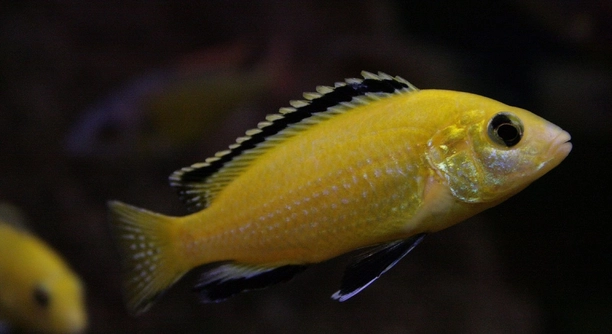
Are your electric yellow cichlids showing unusual behavior or appearing stressed in their tank? Many aquarists overlook the importance of hiding spots, which are crucial for maintaining a calm and healthy environment for these fish.
Electric yellow cichlids require adequate hiding spaces to reduce stress and prevent territorial aggression. Insufficient shelters can lead to anxiety, reduced feeding, and increased susceptibility to disease, making it essential to provide multiple caves, rocks, or décor for a stable habitat.
Providing the right balance of hiding spots can improve both behavior and overall health, making your aquarium a more comfortable space for your fish.
Restlessness and Constant Swimming
When electric yellow cichlids do not have enough hiding spots, they often appear restless. You may notice them swimming back and forth or moving constantly along the tank walls. This behavior is a response to feeling exposed or threatened. Fish that feel unsafe can show this type of increased activity because they lack places to retreat. Providing caves, plants, or rock formations allows them to reduce stress and feel secure. Without these shelters, their natural instincts to find cover are unfulfilled. Over time, this constant motion can lead to exhaustion and even impact their immune system, making them more susceptible to illness. Observing your cichlid’s swimming patterns can give you clues about their comfort level and the adequacy of the tank setup. It is important to remember that even subtle signs of stress indicate a need for more hiding spots to ensure their overall well-being and reduce behavioral issues in a confined space.
Electric yellow cichlids need hiding spaces to feel safe. Restless swimming is a clear sign that their habitat lacks sufficient cover.
Adding appropriate shelters in the tank allows your fish to explore safely and reduces aggressive encounters. They feel more at ease when they can retreat and rest.
Sudden Aggression Towards Tank Mates
Aggression in electric yellow cichlids can often arise from insufficient hiding places. When fish feel they have nowhere to escape, they may start chasing or nipping at other tank mates. This behavior is not unusual, as cichlids are naturally territorial. In a tank with limited shelters, their instinct is to assert dominance over available space. Multiple hiding spots, such as caves and dense plant clusters, can help reduce conflicts. Each fish having access to at least one or two retreats prevents constant confrontations. Stress-induced aggression not only affects their behavior but also compromises the health of both the aggressor and the targeted fish. Signs of this include fin nipping, chasing, and territorial displays around specific tank areas. Regular observation and strategic placement of hiding spaces create a calmer environment and allow your cichlids to establish territories without harming each other. Proper tank design is key to maintaining peace in a community or species-specific aquarium.
Providing enough shelters ensures less stress and healthier interactions among all tank inhabitants.
Hiding Spots Reduce Stress
Electric yellow cichlids rely on shelters to feel secure. Without enough hiding spots, they often appear tense, hover near tank edges, or dart suddenly when startled by movement or light changes.
Stress from inadequate shelter can lower their immune response and affect growth. Fish may stop exploring the tank or reduce feeding. Hiding places such as caves, rock crevices, or dense plants give them a sense of control over their environment. When they have a retreat, they feel safer, which encourages normal behavior like grazing, resting, and interacting calmly with other fish. Observing your cichlid’s behavior can reveal whether the current tank setup meets their security needs or if additional shelters are required. Ensuring multiple locations for retreat prevents chronic stress and promotes long-term health and vitality in the aquarium.
Regularly monitoring behavior and adjusting tank décor as the fish grow helps maintain a stress-free environment.
Providing varied hiding spots supports both physical and psychological well-being, making your aquarium more balanced and harmonious.
Loss of Appetite
Electric yellow cichlids may eat less if they lack places to hide. Stress from constant exposure can suppress feeding and cause weight loss.
Stress-induced appetite loss can occur because fish feel unsafe while eating in open areas. When hiding spots are limited, cichlids may linger near shelters rather than venture out for food. Over time, this behavior can lead to nutritional deficiencies and slower growth. Providing secure spaces allows fish to eat confidently without fear of aggression or perceived threats. Properly distributed caves and plants help even the most timid fish access food while retreating when necessary. Monitoring feeding patterns alongside tank layout can prevent long-term health issues and ensures all fish maintain healthy body condition and energy levels.
Adjusting tank décor to add multiple shelters can restore normal feeding behavior and improve overall health.
Hiding Spots Encourage Exploration
Electric yellow cichlids explore more when they have safe retreats. Limited hiding places make them cautious and hesitant to swim through open areas, restricting natural activity.
Providing multiple shelters allows them to move freely, investigate new parts of the tank, and interact with the environment confidently.
Increased Territorial Behavior
Without adequate hiding spots, cichlids defend open areas aggressively. Territorial disputes rise, leading to chasing, nipping, and stress among tank mates. Regularly spaced caves and plants reduce conflicts by offering private spaces for each fish. Observing interactions can indicate whether more hiding spots are needed to prevent continuous territorial fights.
Lethargy or Hiding Too Much
When hiding spots are insufficient, cichlids may become lethargic or retreat constantly. They appear inactive or stay close to the few available shelters, showing clear signs of discomfort and insecurity.
How many hiding spots does an electric yellow cichlid need?
Electric yellow cichlids benefit from at least two to three hiding spots per fish in the tank. Providing multiple shelters reduces stress, allows each fish to establish a personal territory, and prevents constant aggression. These hiding spots can include caves, rock crevices, or dense plant clusters, ensuring that both dominant and shy individuals have a place to retreat. Observing their behavior can help determine if more spaces are necessary, as fish that hover near open areas or show signs of stress often need additional shelters.
What types of hiding spots work best for electric yellow cichlids?
Durable materials like ceramic caves, slate rocks, and PVC tubes work well because they are safe, non-toxic, and easy to clean. Live or artificial plants can also provide cover and create visual barriers. It is important to arrange these hiding spots in ways that allow multiple retreat areas without overcrowding the tank. Overlapping territories or poorly spaced shelters can actually increase stress rather than reduce it. Combining different types of structures gives cichlids options, letting them choose where they feel most comfortable depending on their mood or interactions with other fish.
Can hiding spots reduce aggression between tank mates?
Yes. Cichlids are naturally territorial, and limited shelter can trigger frequent chasing and fin-nipping. When fish have access to sufficient hiding spots, they can retreat and establish boundaries without constant conflict. Proper placement of shelters, especially near the corners or edges of the tank, can help separate dominant and shy fish. Observing their interactions will indicate whether aggression decreases after adding new shelters. Shelters also help during feeding times, as timid fish can eat safely without being chased, which promotes healthier behavior and prevents stress-related health problems.
How can I tell if my cichlid is stressed due to lack of hiding spots?
Signs of stress include constant swimming along tank walls, frequent hiding in the same spot, lethargy, loss of appetite, and aggressive behavior toward tank mates. Fish may also appear pale or show rapid gill movement. Monitoring behavior daily helps detect these early warning signs. Adding additional caves, rocks, or plants can immediately reduce stress, while careful observation ensures the tank remains balanced. Stress from insufficient hiding spaces can affect immunity and overall health, so timely adjustments are essential to maintain both comfort and vitality for all tank inhabitants.
Is there a risk of adding too many hiding spots?
Adding too many hiding spots can reduce swimming space and make the tank feel cluttered, potentially increasing stress rather than alleviating it. It is important to strike a balance between security and open swimming areas. Shelters should be strategically placed to allow free movement while offering retreat points. A combination of small caves, plant clusters, and rock formations spaced throughout the tank usually provides the ideal environment. Regularly reassessing tank layout as fish grow ensures they always have enough room to swim freely while still accessing adequate cover.
Do hiding spots affect breeding behavior?
Yes. Breeding electric yellow cichlids benefit from secure retreats. Cichlids use caves or secluded areas to lay eggs and protect fry. Lack of shelters may discourage spawning or increase egg predation among tank mates. Providing multiple protected areas allows the pair to choose a safe spot and reduces stress, which improves breeding success. Properly designed shelters also give young fish a place to hide from adults or more aggressive tank mates, increasing their survival rate. Observing breeding behavior can guide adjustments to the number and placement of hiding spots to support natural reproductive habits.
How often should hiding spots be rearranged or cleaned?
Hiding spots should be cleaned regularly to remove algae, debris, and waste, but avoid disturbing the tank too frequently, as constant changes can stress cichlids. Rearranging can be done occasionally to encourage exploration, but maintaining some familiar shelters is important to give fish a sense of security. Cleaning with aquarium-safe methods ensures the environment remains healthy while keeping retreats usable. Monitoring how fish respond after adjustments can help determine the best schedule for maintenance, balancing hygiene with stability to maintain both comfort and well-being for your electric yellow cichlids.
Can hiding spots improve overall health?
Yes. Adequate hiding spots reduce stress, prevent injuries from aggressive interactions, and support natural behaviors like resting, feeding, and exploring. Fish that feel secure are less prone to disease and grow more consistently. Proper tank décor, combined with regular observation, ensures a healthy environment. Stress-free fish display brighter colors, better appetite, and more consistent activity, which reflects their overall well-being. The simple addition of well-placed shelters can have a profound impact on health, behavior, and tank harmony. Monitoring interactions and adjusting hiding spots as needed creates a supportive environment for long-term care and vitality.
Do hiding spots help shy or timid fish?
Absolutely. Shy or lower-ranking cichlids need retreat areas to avoid constant harassment from dominant individuals. Shelters give timid fish confidence to feed, explore, and interact at their own pace. Providing multiple, accessible hiding spots ensures they are not trapped or stressed by more aggressive tank mates, improving survival and overall behavior. Fish with reliable retreats display more natural activity and stronger coloration, signaling comfort in their environment. Properly designed hiding areas give shy fish opportunities to thrive alongside more assertive individuals, balancing social interactions and reducing chronic stress.
Can plants act as hiding spots?
Yes. Both live and artificial plants provide visual barriers, cover, and retreat areas. Dense plant clusters allow fish to hide partially while remaining in open swimming areas, offering a sense of security without overcrowding the tank. Using plants alongside caves and rocks creates a varied environment, giving cichlids multiple options depending on mood or interactions. Plants also improve water quality and aesthetics, making them a functional and decorative choice. Careful placement ensures they do not block swimming routes but still provide accessible retreats for fish, supporting both behavior and overall tank harmony.
Are certain tank sizes better for providing hiding spots?
Larger tanks naturally allow more room for multiple shelters while leaving open swimming space. In smaller tanks, hiding spots must be carefully chosen and spaced to prevent overcrowding. Adequate volume is important so cichlids can retreat without feeling trapped. Adjusting the number and type of shelters based on tank size ensures both security and freedom of movement. Observing fish behavior will indicate whether the current setup provides sufficient hiding areas. Even in compact aquariums, clever placement of caves, rocks, and plants can create multiple safe zones for all inhabitants, balancing territory and swimming space.
Providing adequate hiding spots for electric yellow cichlids is one of the most important steps to maintain a healthy and balanced tank. These fish rely on shelters to feel secure, reduce stress, and interact naturally with their environment. Without enough hiding spaces, cichlids can show signs of constant restlessness, aggression, or lethargy. Even subtle signs like hovering near tank edges or avoiding open areas indicate that they need more places to retreat. By including caves, rock formations, and plant clusters, you create a safer environment that meets their instinctual needs. A tank that offers multiple hiding options allows all fish, including the more timid ones, to feel protected and confident while exploring, feeding, and establishing territories. This directly improves their overall well-being and behavior in the tank.
Stress from a lack of hiding spots can also affect health. Fish under constant stress may eat less, lose weight, or become more vulnerable to disease. Aggression between tank mates can further compromise their health and disrupt the balance of the aquarium. Providing sufficient shelters allows fish to retreat when needed, giving them control over their surroundings and reducing tension. Regularly observing behavior helps identify areas where additional hiding spots are required. Different types of shelters, such as ceramic caves, PVC tubes, and dense plants, serve different purposes and offer variety for the fish. A well-thought-out combination of these options ensures each cichlid can find a comfortable retreat, whether for resting, hiding from a dominant fish, or spawning. Over time, a tank with adequate hiding places becomes more peaceful and healthier for all inhabitants.
Finally, creating a tank with enough hiding spots is not just about preventing problems—it is about promoting natural behavior and long-term health. Fish with access to retreats show more confident swimming, normal feeding, and even stronger coloration, which reflects overall comfort. Proper placement of shelters ensures open swimming space while providing areas to feel secure. Monitoring interactions, adjusting the number of hiding spots, and maintaining cleanliness help maintain a balanced environment. By paying attention to their behavioral cues and responding with the right shelters, you are supporting their physical and psychological well-being. In the end, a well-planned tank with plenty of hiding options creates a more harmonious habitat, allowing electric yellow cichlids to thrive and display their natural, vibrant behavior consistently.

Hello,
If you enjoy the content that we create, please consider saying a "Thank You!" by leaving a tip.
Every little bit helps us continue crafting quality advice that supports the health, happiness, and well-being of pets around the world, for pets of all shapes, sizes, and species.
We really appreciate the kindness and support that you show us!