
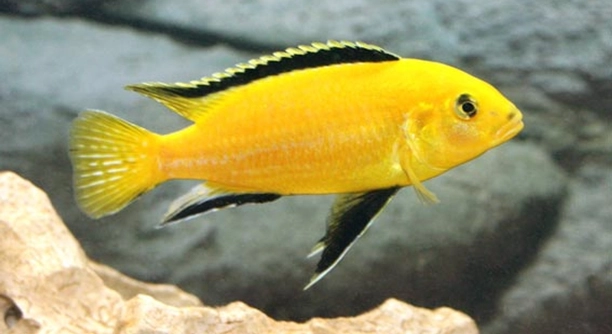
Do you ever watch your cichlids swim together and wonder how they seem to know each other’s place in the tank? Observing their interactions can be fascinating, especially when subtle behaviors reveal a hidden social structure.
Cichlids follow a set of unspoken rules that govern hierarchy, territory, and social interaction. Recognizing these behaviors is crucial for maintaining a balanced tank environment, reducing aggression, and promoting the overall well-being of each fish in the group.
Knowing these rules can help prevent conflicts and create harmony in your tank, making your cichlid community healthier and more stable.
Establishing the Hierarchy
When I first added a group of cichlids to my tank, I noticed how quickly they began to establish a pecking order. Within a few days, dominant fish would claim prime spots near decorations or rocks, while others kept their distance. Observing this hierarchy can be surprising, as it affects feeding patterns, resting areas, and even breeding behavior. Each cichlid seems to know its place, and disruption of this order often leads to stress or aggression. It’s important to provide enough space and hiding spots so lower-ranking fish can retreat without constant confrontation. Adding too many new fish at once can upset this delicate balance. Watching how they settle teaches patience and attention to detail, showing how subtle behaviors—like chasing, nudging, or fin displays—signal dominance or submission. Over time, the group stabilizes, creating a peaceful, functional social system. This natural order keeps interactions predictable and reduces the risk of injuries among the fish.
Recognizing which fish is dominant helps maintain a stable tank environment and prevents unnecessary stress.
I found that arranging rocks and caves thoughtfully encourages peaceful coexistence. Lower-ranking fish often hide in shaded areas or behind ornaments, reducing confrontations. Providing multiple feeding spots also ensures that everyone gets food without fear. By respecting the hierarchy, your cichlids can interact safely, and the tank becomes easier to manage. This setup promotes healthier growth, less stress, and a calmer environment. Observing their behavior daily also helps spot early signs of illness or aggression, making it easier to intervene when needed. Creating this balance is subtle but crucial for a thriving cichlid community, and it makes watching them much more enjoyable.
Territory Matters
Cichlids naturally claim specific areas in the tank, marking them with displays or minor aggression.
Providing enough space is essential, as overlapping territories often lead to constant fighting, injury, or stress.
When I organized my tank, I noticed that each fish gravitated to a specific rock or plant cluster. Territorial disputes usually occurred near these spots, but adding extra hiding areas allowed subordinate fish to escape without confrontation. Decorations, caves, and plants should be arranged to create multiple zones, giving each fish a sense of ownership while reducing overlap. Some species are more aggressive and need larger territories, while others are calmer and can coexist in smaller spaces. Even subtle movements, like swimming close to another fish’s area, can provoke displays of dominance. Watching these behaviors closely helps identify when territory is respected or challenged. Over time, a well-structured tank encourages predictable interactions, reduces stress, and allows all cichlids to thrive. Adjusting the layout gradually when introducing new fish also helps maintain stability without disrupting established boundaries.
Feeding Order
Feeding time can reveal the social ranking in a cichlid group. Dominant fish often eat first, while others wait their turn or retreat to avoid confrontation.
I noticed that when I scatter food across the tank, lower-ranking fish get more opportunities to eat safely. Dominant fish tend to focus on one spot, claiming it aggressively, which can stress smaller fish. Providing multiple feeding areas and hiding spots reduces tension and ensures all fish get adequate nutrition. Over time, this approach helped my tank feel calmer during meals, with less chasing and fewer injuries. Watching them adjust their positions during feeding also shows how the hierarchy influences daily behavior. It became clear that feeding order is not just about food—it reflects their social structure and need for security.
Feeding multiple times a day in smaller amounts also helps prevent conflicts. Subordinate fish gradually gain confidence, learning when it is safe to approach the food.
Color Display and Communication
Cichlids use colors to show mood, dominance, and readiness to breed. Bright, bold colors usually indicate health and confidence, while faded colors signal stress or submission.
In my tank, dominant males display the brightest hues, especially when near territory or potential mates. Subordinate fish often darken in response, staying out of the way to avoid confrontations. During breeding periods, females may also show enhanced colors to signal readiness, while other fish respect this visual cue and maintain distance. Observing these color changes provides insight into their social interactions and emotional state. Aggressive interactions are often preceded by color flashes, helping predict potential conflicts. Maintaining good water quality, proper diet, and adequate space enhances their natural coloration. Over time, I realized that paying attention to these subtle shifts not only helps in managing aggression but also strengthens understanding of each fish’s status and mood within the group.
Personal Space
Cichlids need personal space to feel secure. Crowding can lead to aggression, stress, and health issues, especially in smaller tanks.
I noticed that giving each fish its own corner or hiding spot greatly reduced chasing. Even a small rock or plant can create a sense of safety.
Social Grooming
Cichlids sometimes nip or clean each other, which is part of their social interaction. This behavior helps establish bonds and reduces tension within the group. Observing grooming patterns also helps identify the dominant and subordinate fish, as stronger individuals often initiate these interactions. Over time, this practice promotes harmony and cooperation.
Breeding Signals
Cichlids display specific behaviors when preparing to breed. These include digging pits, guarding territory, and increased color intensity. Watching these signals helps anticipate their needs and prevent conflict with other tank mates.
FAQ
How can I tell which cichlid is dominant?
Dominant cichlids usually display bold colors, assertive movements, and occupy central or prime areas in the tank. They often eat first, chase other fish lightly, and claim the best hiding spots or decorations. Watching them over a few days helps identify their position without causing stress.
Why do some cichlids change color suddenly?
Color changes often signal mood, health, or social status. Darkening can indicate submission or stress, while bright colors show confidence or readiness to breed. Poor water quality, illness, or sudden tank changes can also trigger temporary color shifts. Regular observation helps differentiate natural behavior from health issues.
Is it normal for cichlids to chase each other?
Yes, chasing is a natural behavior to establish hierarchy or defend territory. Short bursts are normal, but prolonged aggression indicates overcrowding, insufficient hiding spots, or an imbalance in the tank. Providing multiple zones and decorations reduces constant chasing.
How many cichlids can I keep in one tank?
The number depends on species, tank size, and temperament. Aggressive species need more space, while calmer ones can tolerate smaller groups. Overcrowding increases stress, aggression, and health problems, so always research species requirements and observe behavior closely.
Why does my cichlid hide most of the time?
Hiding often signals stress, illness, or submission. Subordinate fish retreat to avoid dominant fish or establish personal space. Adequate hiding spots and gentle feeding routines encourage them to become more active over time.
Can cichlids live with other fish?
It depends on species compatibility and tank size. Some cichlids are aggressive and require species-only tanks, while others can coexist with peaceful fish. Introducing new fish gradually and providing separate zones helps minimize conflicts. Observation is key to safe cohabitation.
How do I reduce aggression during feeding?
Scatter food in multiple areas and feed smaller amounts more frequently. This prevents dominant fish from monopolizing meals. Adding hiding spaces allows subordinate fish to eat without being chased, which reduces stress and promotes healthier growth for all fish.
Do cichlids form bonds with each other?
Cichlids often form social relationships within a group, recognizing allies and rivals. Grooming, synchronized swimming, and following certain individuals indicate social bonds. Respecting their hierarchy supports these connections and helps maintain a stable, peaceful tank environment.
Why is territory so important for cichlids?
Territory gives fish a sense of safety, reduces stress, and organizes social interactions. Conflicts usually occur when spaces overlap. Providing multiple areas with rocks, plants, or caves ensures each fish has a safe zone, which reduces fights and supports natural behavior.
What are the signs of stress in cichlids?
Stress shows through faded colors, hiding, rapid breathing, or erratic swimming. Overcrowding, poor water quality, aggressive tank mates, or lack of hiding spots are common causes. Regular observation, clean water, and thoughtful tank setup help minimize stress and keep fish healthy.
How can I tell if my cichlids are ready to breed?
Signs include color intensification, digging pits, and increased territory guarding. Males display brighter hues, and females may become rounder or show specific mating behaviors. Observing these changes early helps prepare the tank and protect eggs from aggressive or curious tank mates.
Why do some cichlids act more aggressive than others?
Aggression levels depend on species, individual temperament, and social rank. Dominant fish naturally assert control, while stressed or overcrowded fish become more reactive. Observing interactions and providing adequate space reduces conflict and supports a balanced social environment.
Can I mix different cichlid species in one tank?
Yes, but careful selection is needed. Species with similar size, temperament, and territory needs are more likely to coexist. Introduce new fish gradually, offer multiple hiding spots, and monitor interactions to prevent persistent aggression or stress.
How often should I rearrange decorations?
Frequent changes can stress fish and disrupt hierarchy. Minor adjustments occasionally are fine, especially when adding new fish, but generally, stability supports predictable behavior and reduces conflicts over territory or hiding spots.
Why do cichlids flare their fins?
Fin flaring communicates dominance, territorial claims, or readiness to breed. It’s a warning signal rather than immediate aggression. Watching these displays helps understand social dynamics and predict potential conflicts before they escalate.
What should I do if one fish is bullied constantly?
Ensure enough hiding spots, scattered food, and sufficient space. If bullying continues, separating the aggressive fish temporarily or permanently may be necessary. Observing interactions helps prevent injuries and maintains a balanced tank.
How do I keep a peaceful cichlid tank?
Provide enough space, hiding spots, multiple feeding areas, and monitor hierarchy. Choose compatible species and introduce new fish gradually. Observing behavior regularly and adjusting the tank setup ensures harmony and reduces stress-related health issues.
Can water quality affect social behavior?
Yes, poor water quality increases stress, triggers aggression, and can cause illness. Regular water changes, proper filtration, and testing parameters like pH and ammonia levels keep fish healthy and maintain natural social behaviors.
How long does it take for a new cichlid group to settle?
Settlement usually occurs within a few days to weeks, depending on species and tank setup. Dominance, territory, and feeding order stabilize over time, reducing chasing and stress as the group establishes its natural hierarchy.
What signs show cichlids are comfortable in their tank?
Active swimming, bright colors, regular feeding, and minimal chasing indicate comfort. Fish explore territory, interact without constant aggression, and maintain predictable social order, reflecting a well-balanced and healthy environment.
How can I monitor subtle behavior changes?
Observe daily, noting color shifts, fin displays, chasing, or retreating. Recording patterns helps detect stress, illness, or hierarchy shifts early. Subtle changes often indicate environmental or social issues, allowing timely adjustments for a stable tank.
What is the best way to introduce new cichlids?
Quarantine new fish first, then introduce them gradually using a divider or neutral area. Rearranging decorations slightly can reduce territorial conflicts. Close observation ensures they adapt without triggering prolonged aggression, helping the group maintain balance.
How do cichlids communicate with each other?
They use colors, fin displays, chasing, and grooming. Each behavior signals dominance, submission, readiness to breed, or territorial claims. Understanding these signals helps maintain harmony, manage conflicts, and support a stable social environment.
Why do some cichlids hide even in a well-set tank?
Individual temperament, low rank, or recent disturbances can cause prolonged hiding. Providing multiple hiding spots, gentle feeding, and stable surroundings encourages them to explore and gain confidence over time.
Can stress affect breeding success?
Yes, stressed cichlids may delay or abandon breeding. Maintaining good water quality, adequate space, and a calm environment supports reproductive behaviors and increases the likelihood of successful spawning.
What’s the best way to identify stress early?
Look for faded colors, rapid gill movement, hiding, or erratic swimming. Early detection allows adjustments in tank setup, social structure, or feeding practices to reduce stress and prevent health problems.
How important is observing daily behavior?
Daily observation reveals subtle changes in hierarchy, mood, or health. Consistent monitoring allows proactive adjustments, preventing aggression, stress, and injuries while ensuring a balanced, thriving cichlid community.
Can diet influence social behavior?
Yes, poor nutrition can increase irritability and weaken fish. Providing a balanced diet supports health, coloration, and natural social behavior, making interactions less aggressive and more predictable.
What should I do if two dominant cichlids fight constantly?
Consider separating them temporarily, increasing hiding spots, or enlarging the tank. Allowing time for the hierarchy to stabilize and monitoring interactions reduces stress and prevents injuries among other fish.
How do I know when a tank is balanced?
A balanced tank shows minimal chasing, stable hierarchy, healthy colors, and regular feeding behavior. Fish occupy their territories, interact predictably, and subordinate individuals can eat and hide without constant harassment, reflecting a well-organized social structure.
How long should I observe before intervening in conflicts?
Short displays of dominance are normal. If aggression lasts more than a few minutes or results in injury, intervention is needed. Providing escape routes, extra hiding spots, or temporary separation helps maintain safety without disrupting natural hierarchy.
Can tank size alone prevent aggression?
Tank size helps, but it’s not the only factor. Adequate hiding spots, decorations, compatible species, and careful monitoring are equally important. Large tanks reduce overlap, but proper setup and social management ensure a calmer environment.
Do cichlids recognize individual fish?
Yes, cichlids can distinguish group members, recognizing allies and rivals. This recognition influences interactions, feeding order, and territory disputes, highlighting the importance of understanding individual behavior patterns in a community tank.
How do I encourage natural behavior in my cichlids?
Provide territory, hiding spots, proper diet, and compatible group sizes. Minimal disturbances and stable water conditions allow fish to express hierarchy, color displays, and breeding behaviors naturally, supporting overall health and social stability.
Can environmental changes stress cichlids?
Yes, sudden lighting, decoration rearrangement, or temperature changes trigger stress and aggression. Gradual adjustments, consistent routines, and stable water conditions help cichlids adapt without disrupting social structure.
What’s the role of hiding spots in behavior management?
Hiding spots reduce aggression, provide security for subordinate fish, and allow recovery from stress. Multiple shelters encourage exploration, maintain social balance, and prevent injuries during territorial disputes.
How do I handle aggressive newcomers?
Quarantine first, then introduce slowly. Rearranging decorations creates neutral zones. If aggression persists, separating the new fish temporarily protects the established group and allows time for hierarchy adjustments.
How can I tell if hierarchy is stable?
Stable hierarchy shows consistent feeding order, minimal chasing, predictable territory occupation, and calm interactions. Dominant and subordinate roles are respected, reducing stress and injuries while supporting a harmonious tank environment.
Is observation more important than intervention?
Yes, careful observation helps distinguish normal behavior from harmful aggression. Timely intervention based on patterns ensures safety without unnecessarily disturbing natural social structures, maintaining a healthy tank dynamic.
How often should I check water parameters?
Regularly, at least weekly. pH, ammonia, nitrite, and nitrate levels affect health, coloration, and social behavior. Maintaining consistent water quality supports hierarchy, reduces stress, and encourages natural interactions.
Can adding decorations calm aggressive cichlids?
Yes, decorations create zones, reduce line-of-sight conflicts, and offer hiding spots. Proper arrangement minimizes overlap, allows fish to establish territory, and decreases constant chasing, contributing to a more peaceful tank.
Why do subordinate cichlids sometimes act bold?
Temporary boldness occurs when food is scattered or territory is unoccupied. Subordinates explore when dominant fish are distracted, demonstrating adaptability within hierarchy. Observing these moments provides insight into social flexibility and balance.
How important is tank size versus group composition?
Both are crucial. Adequate space prevents overlap, while compatible species and temperament ensure reduced aggression. Even large tanks can experience conflicts without careful group planning and monitoring.
Can environmental enrichment reduce stress?
Yes, plants, rocks, and caves encourage natural behavior, reduce boredom, and provide security. Enrichment supports hierarchy, prevents constant chasing, and promotes healthier, calmer interactions.
What is the impact of sudden changes in the group?
Introducing or removing fish abruptly disrupts hierarchy, triggers aggression, and increases stress. Gradual adjustments and thoughtful observation allow the group to reestablish balance without excessive conflict.
How do I know if a cichlid is sick versus stressed?
Sick fish show physical signs like clamped fins, lesions, or labored breathing. Stressed fish may hide, darken in color, or show mild chasing behavior. Observing both behavior and appearance helps differentiate causes and take appropriate action.
Can dominant cichlids bully more than one subordinate at a time?
Yes, dominant fish may chase multiple subordinates, especially during feeding or territorial disputes. Providing hiding spaces and scattered food reduces repeated targeting and maintains a safer environment for all fish.
How do cichlids communicate breeding readiness?
Males display bright colors, guard territories, and flare fins. Females show changes in body shape, coloration, or digging behavior. Recognizing these cues allows careful monitoring to protect eggs and prevent conflicts from other tank members.
Does lighting affect behavior?
Lighting influences mood, coloration, and activity levels. Bright or harsh lighting may increase aggression or stress, while dimmed or natural light patterns promote calmer, more natural interactions. Adjusting lighting gradually supports comfort and stable behavior.
How long should new tankmates be observed closely?
New additions require at least a week of careful monitoring. Watch feeding, chasing, and territory interactions to ensure they integrate without triggering constant aggression or stress among established fish.
What are warning signs before a fight?
Color flashes, fin flaring, circling, and brief chasing indicate potential conflict. Observing these behaviors allows preventive measures, such as providing hiding spots or distractions, to reduce aggression.
Can diet variety influence coloration and behavior?
Yes, nutrient-rich food enhances natural colors and supports health. Strong, healthy fish display normal social behaviors, reducing stress-related aggression and helping maintain hierarchy and breeding readiness.
How do I maintain harmony during breeding?
Provide extra hiding spaces, monitor dominant behavior, and separate overly aggressive fish if necessary. Maintaining territory boundaries and minimizing disturbances ensures successful breeding without harming other tank members.
Why do cichlids sometimes act differently in a new tank?
They adjust to unfamiliar territory, establish hierarchy, and claim territory. Initial stress or hiding is normal, and behavior stabilizes as they settle into their new environment.
Can frequent rearrangement improve social structure?
Occasional rearrangement helps reduce entrenched bullying, but too much disrupts territory and increases stress. Minimal, thoughtful changes maintain balance while preventing repetitive conflicts.
How do I balance multiple dominant fish?
Provide enough territory, hiding spots, and scattered food. If aggression persists, consider separating one temporarily or permanently. Observing interactions helps maintain hierarchy without constant stress for other fish.
What role do caves play in reducing conflict?
Caves provide private spaces, reduce line-of-sight confrontations, and allow subordinate fish to escape. Multiple shelters ensure each fish has a secure area, lowering aggression and promoting peaceful coexistence.
Can temperature changes affect social behavior?
Yes, sudden temperature shifts increase stress, triggering aggression or hiding. Maintaining stable, species-appropriate temperatures supports normal hierarchy, feeding, and breeding behavior.
How do I prevent bullying during feeding?
Scatter food in multiple spots, provide hiding areas, and feed smaller amounts frequently. This ensures all fish eat safely and reduces stress from dominant individuals controlling access to food.
How long does it take for a tank to stabilize after adding new fish?
It can take days to weeks. Dominance, feeding order, and territory boundaries adjust gradually. Monitoring interactions and providing adequate space ensures smoother integration and minimal stress.
Why do some fish never challenge the dominant one?
Subordinate fish recognize hierarchy and avoid conflict to reduce injury risk. Even in a calm tank, lower-ranking individuals naturally yield to dominant ones, reflecting a stable social order.
Can observing subtle behaviors prevent injury?
Yes, noticing fin displays, chasing patterns, and color changes allows early intervention before aggression escalates. Proactive observation reduces stress and ensures a safer, balanced environment for all fish.
How do I know if hiding fish are gaining confidence?
They gradually spend more time in open areas, approach food, and interact lightly with other fish. Increased activity shows comfort, indicating they are adapting to the tank’s social structure.
Can rearranging feeding spots reduce dominance stress?
Yes, multiple feeding points prevent monopolization and allow subordinates to eat safely. Over time, this reduces chasing, stress, and tension, supporting a more balanced social hierarchy.
How important is observing natural behaviors daily?
Daily observation reveals subtle social dynamics, stress signs, and health issues. Early detection allows adjustments in feeding, territory, or tank setup, maintaining harmony and supporting the cichlids’ well-being.
Why do cichlids sometimes ignore each other?
Ignoring occurs when hierarchy is established, territory is respected, or fish are occupied with feeding or resting. This indicates a stable and low-stress environment, reflecting healthy social behavior.
Can stress affect coloration permanently?
Prolonged stress may dull colors temporarily, but with proper care, adequate space, and stable environment, cichlids usually regain vibrant hues as they feel secure and healthy.
How do I manage multiple breeding pairs?
Provide separate territories, hiding spots, and monitor interactions closely. If aggression rises, temporary separation ensures safety while allowing multiple pairs to breed without conflict.
Do subordinate fish ever become dominant?
Yes, hierarchy can shift if dominant fish weaken, are removed, or a subordinate gains strength. Observing changes helps anticipate conflicts and adjust tank conditions to maintain balance.
What’s the best way to introduce juveniles into an established tank?
Quarantine first, then place juveniles in neutral zones with ample hiding spots. Gradual introduction minimizes aggression and allows them to learn the hierarchy without risking injury.
How do I prevent over-bullying in small tanks?
Limit fish numbers, provide multiple hiding spots, scatter food, and monitor aggression. Overcrowding intensifies conflicts, while careful tank management keeps interactions safe and predictable.
Can tank plants reduce aggression?
Yes, plants provide cover, break line-of-sight, and create natural territories. Dense planting allows fish to establish zones safely, reducing stress and supporting peaceful social behavior.
How do I know when a fish is adapting to the group?
Signs include exploring territory, feeding confidently, interacting lightly, and responding to hierarchy without fear. Gradual participation reflects growing comfort and integration into the social structure.
Can dominant fish calm down over time?
Yes, once hierarchy stabilizes and all fish understand their roles, even dominant individuals reduce constant chasing, focusing only on territory or breeding needs, creating a calmer tank environment.
How often should I observe interactions for changes?
Daily monitoring is ideal, especially during feeding, breeding, or after adding new fish. Consistent observation detects stress, aggression, or social shifts early, allowing timely adjustments to maintain balance.
Do cichlids respond differently to males versus females?
Yes, males often dominate territory and display brighter colors, while females may be more submissive or selectively assertive. Understanding these differences aids in managing hierarchy, breeding, and tank harmony.
Can overcrowding affect breeding success?
Yes, limited space increases stress, reduces egg survival, and triggers aggression. Providing adequate territory and hiding spots improves breeding conditions and overall reproductive success.
Managing a cichlid tank can feel overwhelming at first, but observing their behavior carefully makes it much easier. Each fish has a unique personality, and understanding how they interact helps maintain balance. Dominant fish establish territories, while subordinate ones learn to respect those areas and find safe spots. Feeding order, personal space, and color displays all reveal important information about social hierarchy. Paying attention to these behaviors allows you to adjust the tank environment, decorations, and feeding routine to suit the needs of the group. Over time, you start noticing subtle cues, like fin displays or chasing patterns, that indicate when a fish is stressed or comfortable. This awareness helps prevent conflicts before they escalate and ensures all fish can thrive. Simple adjustments like adding hiding spots or scattering food in multiple areas make a big difference in reducing aggression and promoting harmony.
Cichlids are naturally social animals, and their interactions are often complex, even in a small tank. They communicate through colors, postures, chasing, and occasional grooming, which may seem subtle at first but carry significant meaning within the group. For example, bright colors usually signal confidence or readiness to breed, while dull colors often show stress or submission. Understanding these signals helps in recognizing when a fish feels threatened, when hierarchy is being challenged, or when breeding behavior is beginning. Territory is another critical factor. Each fish needs a space it can claim without constant intrusion. Providing rocks, caves, and plants allows fish to maintain their zones and reduces tension. Even small tanks can support multiple cichlids if territory is respected and hiding spots are sufficient. Observing how fish claim, defend, or share these spaces teaches patience and reinforces the importance of planning the tank layout carefully.
Consistency is key in maintaining a healthy cichlid community. Regular observation, stable water conditions, and thoughtful feeding routines all contribute to a calm and balanced environment. Changes, whether in decorations, lighting, or adding new fish, should be made gradually to avoid disrupting established hierarchies. Every cichlid tank is different, and what works for one group may not work for another, so flexibility and attention to behavior are essential. Encouraging natural behaviors like territory establishment, feeding patterns, and color displays allows the fish to live in a stress-free environment. Over time, you learn to read their signals, anticipate problems, and take steps to prevent aggression. This careful management creates a tank where all fish can eat, rest, and interact safely. Observing your cichlids daily not only helps maintain stability but also makes watching them a rewarding and engaging experience. A well-managed tank ensures that each fish’s needs are met, promoting long-term health and a peaceful, thriving aquatic community.

Hello,
If you enjoy the content that we create, please consider saying a "Thank You!" by leaving a tip.
Every little bit helps us continue crafting quality advice that supports the health, happiness, and well-being of pets around the world, for pets of all shapes, sizes, and species.
We really appreciate the kindness and support that you show us!