
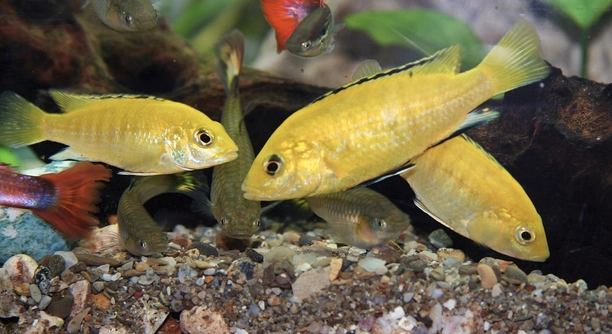
Cichlids are active and curious fish that enjoy exploring their surroundings. Providing hiding spots in your aquarium can reduce stress and encourage natural behavior, creating a more balanced and comfortable environment for your fish to thrive.
The best hiding spots for cichlids include caves, rock formations, driftwood, and dense plant clusters. These shelters mimic natural habitats, provide security, reduce territorial conflicts, and encourage healthier behavior by giving fish accessible and comfortable areas to retreat when needed.
Choosing the right spots will improve both the health and happiness of your cichlids while keeping your aquarium visually appealing and functional.
Caves and Hollow Decorations
Caves are a natural choice for cichlids because they provide a safe space where fish can rest and hide when they feel stressed. These hiding spots reduce aggression between territorial fish and give shy individuals a place to retreat. You can use ceramic, resin, or even natural stones arranged to form small caves. Some cichlids prefer tighter spaces, while others enjoy larger, open areas. Position caves near plants or rocks for extra security. Observing your fish will help determine which cave types they prefer. Overcrowding the tank with caves is not necessary; a few well-placed spots are enough. Keeping caves clean is important, as leftover food and algae can accumulate inside. Rotating their locations occasionally encourages exploration and keeps the environment interesting. By adding caves that suit your cichlids’ size and temperament, you can promote a calmer, more natural behavior. It also gives you the chance to watch them feel comfortable and secure.
Caves reduce stress and aggression in cichlids. Providing one or two well-placed caves supports natural hiding behavior, making fish calmer and healthier in the aquarium.
Caves also add visual interest to the tank. They can be matched with rocks or plants to create a realistic scene. Fish often use caves to spawn, especially if the cave walls are smooth and sheltered. Adding multiple caves of different shapes allows each fish to claim its own space. Avoid placing caves where water flow is too strong, as some fish prefer calmer areas. Over time, you will notice certain cichlids favoring specific caves, showing their personality and territorial instincts. A simple cave can become a centerpiece of activity, giving shy fish confidence while keeping dominant fish occupied. Watching them interact with these spaces can be very rewarding, showing how much safer and comfortable they feel.
Driftwood Hiding Spots
Driftwood provides both cover and natural aesthetic appeal. Its nooks and curves create hiding spaces that cichlids enjoy exploring.
Driftwood helps mimic natural habitats, offering shade and shelter while encouraging fish to swim through and around it.
Driftwood pieces vary in size and shape, which can influence how fish use them. Larger pieces create broad shaded areas, while smaller branches and twisted shapes offer tight spots for timid fish. Placing driftwood near rocks or plants enhances its effectiveness by creating layered hiding zones. Some types of driftwood may slightly lower pH, which can be beneficial depending on your cichlids’ needs. Before placing driftwood, soak it to remove tannins and ensure it sinks properly. Over time, algae may grow on driftwood surfaces, providing a natural grazing area for fish and contributing to tank cleanliness. Driftwood also encourages natural behaviors like territorial marking and exploration. Combining driftwood with caves or plants creates a diverse environment, promoting both physical and mental health in your cichlids. Watching your fish weave through and around driftwood can make the tank feel alive and active, enhancing their overall wellbeing.
Rock Formations
Rocks provide stable hiding spots and vertical territory for cichlids. Stacking them carefully creates crevices and caves where fish can feel secure. Choose smooth stones to prevent injury, and avoid unstable piles that could collapse under movement.
Arranging rocks in layers offers both open spaces and tight crevices for cichlids to explore. Fish will use these spaces to establish territories, reducing conflicts with tank mates. Rocks also create natural boundaries, giving shy fish areas to escape from more aggressive individuals. Mixing different sizes and shapes encourages exploration and keeps the environment dynamic. Make sure the rocks are aquarium-safe and won’t alter water chemistry drastically. Regularly inspect the formations to ensure stability and prevent accidents. By combining rocks with other hiding spots like driftwood or plants, you can provide a richer, more interactive environment that supports natural behaviors and promotes overall fish health.
Some cichlids prefer taller rock formations for perching, while others favor horizontal crevices. Observing your fish’s preferences helps in adjusting the layout. Adding small gaps between rocks allows water flow, preventing stagnant areas and helping maintain clean water. Rock formations also serve as visual barriers, reducing direct aggression between dominant fish. A well-planned rock arrangement balances open swimming zones with secure hiding spots, giving every fish a sense of control over its surroundings. Over time, you may notice specific fish claiming their favorite nooks, showing their comfort and territorial instincts within the tank.
Dense Plant Clusters
Dense plants give cichlids cover and comfort, creating natural hiding zones. They reduce stress by providing shade and a sense of security.
Plants can be arranged in clusters to form tunnels and sheltered areas. Floating plants add overhead cover, while rooted plants create vertical spaces. Fish will weave through stems, using them as escape routes from aggressive tank mates. Plants also improve water quality by absorbing nitrates and offering oxygen. Choosing hardy species ensures they withstand nibbling and digging behaviors. Mixing tall and short plants creates layers of protection, catering to different fish sizes and personalities. Over time, plants grow into thicker thickets, enhancing the hiding options and making the aquarium more natural and calming for cichlids.
Dense clusters encourage natural behavior, like foraging and exploring small spaces. Some fish use plants for spawning, wrapping around leaves or stems for eggs. Positioning plants near rocks or driftwood increases the variety of hiding spots and adds depth to the tank. Fast-growing species provide immediate cover, while slow growers develop long-term shelter over months. Observing how your cichlids interact with plants can help you adjust placement, ensuring shy individuals have enough protection. Maintaining healthy plants requires trimming dead leaves and monitoring water conditions, but the effort rewards you with happier, more secure fish. The combination of plants with other shelters creates a balanced environment that reduces stress, limits aggression, and supports natural behaviors throughout the tank.
PVC Pipes and Tubes
PVC pipes provide safe, inexpensive hiding spots. Fish can swim through or rest inside, reducing stress and offering a sense of security.
Different lengths and diameters accommodate various cichlid sizes. Arranging them horizontally or at slight angles creates multiple pathways, making exploration more interesting and functional for shy or territorial fish.
Broken Pottery Pieces
Broken pots make excellent caves and shelters. Placing them on their sides or slightly buried in substrate allows fish to enter safely.
Sharp edges should be smoothed or avoided. Combining multiple pieces forms complex hiding areas. Pots also add visual variety while giving fish small, secure spaces to claim, which helps reduce aggression and encourages natural behavior in the tank.
Leaf Litter
Adding leaf litter to the substrate creates natural cover and hiding spots. Fish can rest among the leaves or forage in the soft substrate.
Leaf litter slowly decomposes, providing organic material and encouraging beneficial bacteria growth, which supports tank health. It also mimics the natural environment of many cichlid species, giving them comfort and security.
How many hiding spots does a cichlid tank need?
The number of hiding spots depends on the size of the tank and the number of fish. Generally, having at least one hiding spot per fish helps reduce stress and aggression. For smaller tanks, two to three well-placed spots may suffice, while larger tanks benefit from multiple areas spread throughout. Variety in hiding types, like caves, driftwood, and plant clusters, ensures all fish feel secure. Overcrowding the tank with too many decorations can limit swimming space, so balance is key. Observing fish behavior will indicate if additional shelters are needed.
Can all cichlid species use the same types of hiding spots?
Not all cichlids have the same preferences. Some prefer tight caves, while others enjoy open crevices or plant cover. Aggressive or territorial species may favor vertical structures like rocks or driftwood to claim as their own, while shy species often hide in dense plants or leaf litter. Adjust hiding spots based on the species’ natural habitat. African cichlids from rocky lakes prefer caves and rock formations, while South American species often benefit from driftwood and plant clusters. Paying attention to how each species interacts with shelters ensures they all feel safe and reduces stress-related behaviors.
How should I place caves and rocks to prevent accidents?
Caves and rocks must be stable to avoid collapsing, which can injure fish. Stack rocks carefully, using flat surfaces for stability, and consider silicone or aquarium-safe glue for larger structures. Avoid creating tall, narrow towers that could topple. Position caves near the substrate so fish can enter easily. Leaving small gaps allows water to flow and prevents stagnant areas. Observing the setup after placement ensures that nothing shifts when fish swim or dig. Stable arrangements promote natural behaviors without risk, and a secure structure encourages shy fish to explore without fear.
Is it necessary to clean hiding spots regularly?
Yes, cleaning hiding spots is important to prevent algae buildup, leftover food, and debris from accumulating. Algae and detritus can affect water quality and create unhealthy conditions. Remove decorations periodically and rinse them with tank water. Avoid using soap or harsh chemicals, as residues can harm fish. For rocks and PVC, scrubbing gently with a soft brush is sufficient. Plants may need trimming to prevent overcrowding or decay. Consistent maintenance ensures hiding spots remain safe, functional, and appealing, while also supporting a clean, healthy environment for cichlids.
Do cichlids prefer natural or artificial hiding spots?
Preferences vary, but many cichlids feel more comfortable with natural materials like rocks, driftwood, and plants. These mimic their natural environment and provide textures and scents familiar to them. Artificial caves or PVC tubes are effective too, especially if smooth and appropriately sized. A mix of both natural and artificial elements can cater to different species’ needs. Observing fish will reveal which spots are most used, allowing adjustments. Natural materials often enhance water quality slightly, while artificial ones are easier to clean. Combining both ensures a practical and engaging habitat.
Can hiding spots reduce aggression between cichlids?
Yes, well-placed hiding spots significantly reduce aggression. Territorial fish have spaces to claim, while shy or submissive fish can retreat safely. This separation prevents constant chasing and fighting. Offering multiple hiding spots, including vertical and horizontal options, allows fish to establish personal territories. Dense plant clusters, caves, and driftwood help break sightlines, reducing stress and confrontation. Over time, cichlids feel secure, leading to calmer behavior. Monitoring fish interactions helps identify areas needing extra cover, ensuring that all individuals have access to protective spaces.
How do hiding spots affect breeding behavior?
Hiding spots play a major role in breeding. Cichlids often use caves or secluded areas to lay eggs and protect fry. Dense plants or leaf litter also provide safe zones for offspring. Providing multiple options allows pairs to choose locations suited to their preference, reducing stress during reproduction. Stable and clean hiding spots encourage natural spawning behaviors. Without adequate shelters, fish may become hesitant to breed or eggs may be exposed to aggression. Observing preferred sites allows adjustments to increase breeding success and ensures fry have initial safety during their vulnerable early stages.
Are there risks to using certain materials for hiding spots?
Some materials can harm fish or affect water chemistry. Sharp rocks, untreated wood, or decorations with paint can injure or poison cichlids. Certain stones may raise pH or hardness beyond desired levels. PVC and ceramic are safe if smooth and free of chemicals. Always rinse and, if necessary, soak new materials before placing them in the tank. Observing fish interaction helps detect potential hazards. Choosing durable, aquarium-safe materials ensures fish safety while maintaining functional and attractive hiding spots. Avoid materials that can degrade quickly or leach harmful substances into the water.
Can hiding spots improve overall fish health?
Yes, hiding spots reduce stress, which directly impacts fish health. Stress can weaken the immune system and increase susceptibility to disease. Secure shelters allow fish to rest and feel safe, promoting natural behavior and better appetite. Properly arranged spots minimize aggression, reducing injuries and associated infections. Hiding spots also support mental stimulation, encouraging exploration and interaction with the environment. Combined with clean water and proper nutrition, a well-decorated tank with adequate hiding spaces contributes to longer, healthier, and more active lives for cichlids.
How often should I rearrange hiding spots?
Rearranging hiding spots occasionally keeps the tank interesting and stimulates natural behavior. Minor adjustments every few weeks can encourage exploration without causing excessive stress. Avoid moving shelters too frequently, as territorial fish may become unsettled. Observing reactions helps determine safe timing for changes. Gradual rearrangement keeps the environment dynamic, allowing fish to adapt while maintaining a sense of security. Combining small shifts with plant trimming or decoration maintenance ensures the tank remains engaging, functional, and visually appealing, supporting both the health and happiness of your cichlids.
Providing proper hiding spots for cichlids is one of the most important steps in creating a healthy aquarium environment. Fish feel safer when they have access to shelters, which reduces stress and helps them behave naturally. Stress in fish can lead to health issues, weaker immune systems, and increased aggression, so having secure places for them to retreat is essential. By offering caves, driftwood, rocks, dense plant clusters, or even simple PVC tubes, you give your cichlids areas to rest, explore, and establish their own territories. Each type of hiding spot serves a purpose, whether it is for protection, breeding, or simply creating comfort. Observing how your fish use these spots allows you to understand their personalities and adjust the setup to meet their needs.
When arranging hiding spots, balance is key. Too few shelters can lead to constant stress and conflicts, while overcrowding the tank can limit swimming space and make maintenance difficult. Positioning rocks and caves securely prevents accidents, and careful placement of plants ensures both cover and open swimming areas. Variety is also helpful because different cichlids have different preferences. Some species favor tight, enclosed spaces, while others prefer larger, open shelters. Providing a mix of hiding options allows all fish in the tank to feel secure. In addition, natural materials like driftwood, rocks, and plants can create a realistic environment, while artificial items like PVC tubes or ceramic caves can be cleaned easily and add structure to the tank. A thoughtful combination of hiding spots supports both the mental and physical well-being of your cichlids.
Maintenance and observation are ongoing parts of keeping hiding spots effective. Over time, algae may grow on decorations, plants may overgrow, and debris can accumulate, so regular cleaning is necessary. Watching how your fish interact with their environment can help you identify areas that need adjustment, whether it is adding more shelters, trimming plants, or rearranging rocks for stability. Hiding spots also play a role in breeding behavior, giving fish safe places to lay eggs and protect fry. By paying attention to your cichlids’ behavior and providing secure, well-planned hiding spaces, you create a calmer, healthier aquarium. A tank with properly placed hiding spots not only supports the fish’s natural behavior but also becomes a more enjoyable and visually appealing environment to observe.

Hello,
If you enjoy the content that we create, please consider saying a "Thank You!" by leaving a tip.
Every little bit helps us continue crafting quality advice that supports the health, happiness, and well-being of pets around the world, for pets of all shapes, sizes, and species.
We really appreciate the kindness and support that you show us!