
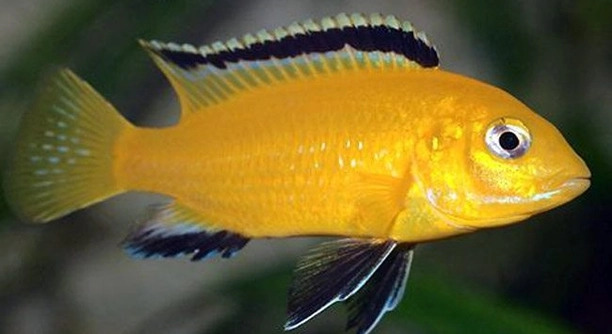
Raising fry can be a rewarding experience, but it is common to notice some fish growing faster than others. Uneven growth can happen even in well-maintained tanks, and recognizing the signs early is important for their health.
Uneven growth in fry groups often results from competition for food, genetic differences, and environmental factors. Monitoring feeding behavior, tank conditions, and physical development helps identify fry that are lagging, allowing for timely interventions to promote balanced growth.
Observing these small differences can make a big impact on your fry’s overall development and well-being. Proper attention now will help maintain a healthier, more uniform group.
Uneven Size Among Fry
It is common to see some fry much smaller than others even in a healthy tank. Differences in size often appear early, and they can affect how well each fish competes for food. Fry that grow slower may be overshadowed by faster eaters. They might hide more often, staying near the bottom or corners of the tank. Uneven growth can also affect their immune systems, making them more vulnerable to illness. Observing the group daily helps spot these smaller fry before problems worsen. By separating very small fry or offering targeted feeding, you can give them a chance to catch up. Water quality and temperature consistency also play a role in growth. Even small fluctuations can impact metabolism. Overcrowding can increase stress and slow development. Tracking growth over time helps you understand which fry need more attention. Adjusting feeding frequency or tank setup can make a significant difference.
Smaller fry often benefit from extra care, such as gentle feeding and less crowded spaces, to support healthy growth.
Keeping a close eye on feeding behavior and swimming patterns reveals how competition affects smaller fry. Offering finely crushed food and spreading it across the tank ensures everyone gets nourishment. Some fry prefer certain areas of the tank and may be slower to find food. Targeted observation allows early interventions, like temporary separation for slower growers. Temperature stability and clean water are essential to prevent stress. Uneven growth can sometimes be genetic, but consistent care and monitoring reduce its impact. Recognizing the signs early and responding appropriately gives the fry a better chance to develop uniformly, reducing stress and maintaining a healthy group overall.
Uneven Coloration in Fry
Fry may display different colors even if they are the same species, which can indicate growth differences.
Color differences often show stress, poor diet, or uneven health. Fry that appear dull or faded usually need more care and attention.
Uneven coloration is not just cosmetic. It can signal nutritional deficiencies or uneven exposure to light. Fry that are overshadowed by larger siblings may receive less food, which impacts their coloration over time. Stress from overcrowding or aggressive tank mates can also cause fading. Maintaining consistent water conditions, including temperature and cleanliness, supports brighter, healthier coloration. Observing behavior alongside color changes helps identify fry that may need extra feeding or temporary separation. Some species naturally show color variations, but sudden changes are a warning sign. By addressing these factors early, you can improve overall tank harmony and ensure that each fry develops normally. Balanced nutrition, stable conditions, and attention to slower-growing fry can help even out both size and color, leading to a healthier and more vibrant group.
Unequal Feeding
Fry often compete aggressively for food, leaving some smaller fish behind. Spreading food evenly and offering frequent, small portions helps all fry get enough nutrition and reduces the stress caused by competition.
Unequal feeding can stunt growth and affect overall health. Larger fry tend to dominate the feeding area, pushing smaller or weaker fry aside. This can cause slower-growing fish to miss meals and develop nutrient deficiencies. Observing feeding behavior allows you to identify which fry are not eating enough. Using a shallow dish or targeting smaller fry with a pipette can ensure they receive sufficient food. Maintaining consistent feeding schedules and breaking food into tiny portions helps reduce competition and promotes balanced growth.
Some fry respond better to specific types of food, like finely crushed flakes or baby brine shrimp. Rotating food types and adjusting feeding techniques for smaller fry helps them catch up to their faster-growing siblings. Providing multiple feeding points and avoiding overfeeding prevents waste and maintains water quality, which also supports healthier, more uniform growth across the entire fry group.
Tank Environment Imbalances
Temperature, light, and water flow can affect fry development. Small differences in these conditions may lead to uneven growth and stress in weaker fry.
Fry thrive in stable environments with consistent temperature and gentle water movement. Uneven heating or strong currents can favor certain areas of the tank, causing some fry to grow faster while others struggle. Light exposure also affects feeding behavior and activity. Fry in shaded or less active areas may eat less and develop slower. Maintaining balanced water parameters, including pH, ammonia, and nitrate levels, is essential. Regular testing and monitoring of the tank environment ensures conditions remain consistent for all fry.
Arranging the tank to reduce strong currents and providing hiding spaces helps smaller fry avoid stress from more aggressive siblings. Consistent temperature across the tank supports uniform metabolism and growth. Light schedules should mimic natural cycles to encourage activity and feeding throughout the day. Frequent observation of fry behavior and position in the tank allows you to detect environmental imbalances early. Adjusting flow, temperature, and placement of decorations can improve access to food and space for smaller fry, helping them grow alongside their larger siblings more evenly.
Genetic Differences
Some fry naturally grow at different rates due to genetics. Even in ideal conditions, variations in size and strength are normal among siblings.
Genetic factors influence metabolism, feeding efficiency, and overall growth potential. Recognizing these differences helps in managing expectations and providing targeted care for slower-growing fry.
Illness or Infection
Fry that appear lethargic or have faded colors may be affected by disease. Early detection and isolation prevent the spread and support recovery. Maintaining clean water and monitoring behavior reduces the risk of illness.
Overcrowding
Too many fry in one tank increases competition for food and space. Overcrowding can stunt growth and cause stress, making smaller fry more vulnerable to disease and slower development.
FAQ
How can I tell if my fry are growing unevenly?
Uneven growth is noticeable when some fry appear smaller, slower, or less colorful than others. Observing feeding habits and swimming patterns helps identify fry that may be lagging. Regular measurements and comparing sizes over time give a clearer picture of growth disparities.
What should I do if some fry are not eating enough?
Offer food in smaller, frequent portions and spread it across the tank. Using a pipette or small dish can target smaller fry. Rotating food types like finely crushed flakes or live baby brine shrimp ensures weaker fry get sufficient nutrition. Temporary separation of smaller fry can also help them catch up.
Does tank size affect fry growth?
Yes, overcrowded tanks increase stress and competition, slowing growth. Fry need enough space to swim freely and access food without being bullied by larger siblings. Maintaining proper stocking density and providing hiding spaces reduces stress and promotes more uniform growth.
Can water conditions influence growth rates?
Stable water temperature, pH, and cleanliness are crucial. Even small fluctuations can slow metabolism and affect feeding. Gentle water flow and consistent lighting support healthy activity. Regular testing and maintenance prevent imbalances that could favor certain fry over others.
How do I prevent aggressive behavior among fry?
Aggression often comes from competition for food or space. Providing multiple feeding points, spreading food, and creating hiding spots reduces fights. Keeping fry numbers manageable and separating very aggressive individuals helps maintain a calmer environment.
Are some fry naturally slower growers?
Genetics play a role in growth differences. Some fry are naturally smaller or slower due to inherited traits. While care can improve their chances, expecting identical growth in every fry is unrealistic. Targeted feeding and careful monitoring still help them thrive.
How can I help smaller fry catch up?
Feeding smaller portions more frequently, offering softer or more digestible food, and reducing competition by temporarily separating them allows slower fry to gain weight and strength. Maintaining clean water and stable conditions further supports their development.
What are the signs of illness in fry?
Lethargy, faded coloration, loss of appetite, erratic swimming, and visible spots or fin damage indicate potential disease. Prompt isolation, careful observation, and maintaining clean, stable water help protect both sick and healthy fry.
Should I change the tank setup for uneven fry?
Minor adjustments, like reducing water flow, adding hiding spaces, or rearranging decorations, can improve access to food and reduce stress for smaller fry. Ensuring even lighting and consistent temperature across the tank also supports uniform growth.
How long does it take for fry to even out in growth?
The timeframe varies depending on genetics, feeding, and environment. With proper care, smaller fry can catch up over several weeks to months. Continuous monitoring and adjusting care practices ensure the best chance for uniform growth.
Can diet alone fix uneven growth?
Diet is critical but not the only factor. Feeding properly and ensuring all fry get enough food helps, but water quality, tank conditions, and genetics also influence growth. Combining diet with a stable environment and reduced stress produces the best results.
Is separating fry always necessary?
Not always. Separation is helpful when smaller fry are consistently outcompeted or stressed. If competition is minimal and food is evenly distributed, fry can often grow together without intervention. Monitor behavior closely to decide if separation is needed.
How often should I check on fry growth?
Daily observation is ideal for feeding, swimming, and behavior. Weekly size comparisons help track uneven growth over time. Consistent monitoring allows early detection of issues and timely adjustments to care routines.
Can uneven growth affect long-term health?
Yes, persistent lagging in growth can weaken the immune system, reduce survival rates, and impact development. Providing proper care and addressing factors causing uneven growth early helps ensure all fry remain healthy and strong.
Is it normal for fry to have temporary slow growth?
Yes, occasional slower growth can occur due to minor stress, temperature shifts, or competition. Temporary slowdowns are usually not a problem if conditions remain stable and feeding is consistent. Continuous observation ensures fry stay on track.
How do I balance feeding when some fry are much smaller?
Offer small, frequent feedings across the tank. Target weaker fry with pipettes or separate dishes. Mixing food types and crushing flakes finely ensures everyone gets enough nutrition without overfeeding or causing water quality issues.
Can light exposure affect fry growth?
Yes, fry in poorly lit areas may be less active and feed less. Maintaining consistent lighting schedules and ensuring even coverage across the tank helps all fry develop at similar rates.
What role does stress play in uneven growth?
Stress slows metabolism, reduces appetite, and weakens immunity. Causes include overcrowding, aggressive siblings, or poor water conditions. Reducing stress through tank management, hiding spaces, and gentle feeding supports more uniform growth.
Is there a way to predict which fry will grow slower?
Observing early behavior, size, and feeding response can indicate potential slower growers. Smaller, shy, or less active fry often need extra care. Identifying them early allows interventions that improve their chances of catching up.
How often should water be changed to support even growth?
Frequent water changes maintain clean, stable conditions, reducing stress and promoting healthy development. For fry, changing 20-30% of water weekly is common, but adjustments may be needed based on tank size, stocking density, and filtration efficiency.
Can tank decorations influence fry growth?
Yes, decorations can create hiding spots or areas with less flow, helping smaller fry avoid stress. Placement affects access to food and activity levels, influencing growth. Adjusting decor can improve tank balance for all fry.
Are live foods better for even growth?
Live foods encourage natural feeding behavior and are often easier for smaller fry to catch. They provide high nutrition and stimulate activity, helping fry of all sizes grow more uniformly. Rotating with prepared foods ensures a balanced diet.
What is the most important factor for uniform fry growth?
Consistent feeding, stable water conditions, minimal stress, and careful observation work together. No single factor guarantees uniform growth, but addressing each area creates an environment where all fry have the best chance to develop evenly.
How long should I monitor fry for uneven growth?
Monitoring should continue until fry reach juvenile stage and differences in size stabilize. Daily observation and weekly measurements during early development ensure timely interventions and healthier overall growth for the group.
Raising fry can be both rewarding and challenging. Uneven growth is a common issue that many aquarists face, even when water conditions, diet, and tank management seem ideal. It is important to remember that differences in size, color, and activity are not always a sign of neglect. Genetics, competition, and small variations in environmental conditions naturally lead to growth differences. Observing your fry carefully and noting patterns in behavior and feeding helps you understand which individuals may need extra attention. By identifying fry that lag behind, you can provide targeted care to support their growth.
Providing consistent care is essential for managing uneven fry development. This includes maintaining stable water parameters, offering appropriate and frequent feedings, and monitoring for signs of illness or stress. Some fry may require temporary separation from the group to ensure they get enough food and space. Gentle water flow, hiding spaces, and balanced lighting can also reduce stress for smaller or weaker fry. Addressing these factors early prevents long-term health problems and allows all fry to develop at a healthier rate. Even small adjustments in tank setup or feeding routine can make a significant difference over time, allowing slower-growing fry to catch up with their siblings.
It is also important to be patient and realistic about expectations. Not all fry will grow at the same pace, and some natural variation is unavoidable. While care and monitoring can improve growth consistency, genetics will always play a role. Observing fry over weeks or months allows you to track progress and adjust care as needed. By focusing on stable water conditions, proper nutrition, and reducing stress, you create the best environment for all fry to thrive. Understanding and responding to uneven growth helps maintain a healthy tank and gives each fry the opportunity to reach its potential, resulting in a stronger, more balanced group overall.

Hello,
If you enjoy the content that we create, please consider saying a "Thank You!" by leaving a tip.
Every little bit helps us continue crafting quality advice that supports the health, happiness, and well-being of pets around the world, for pets of all shapes, sizes, and species.
We really appreciate the kindness and support that you show us!