
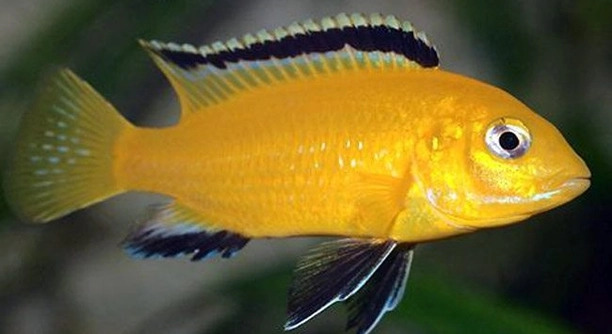
Are your electric yellow cichlids showing signs of stress or unusual behavior in your aquarium? Maintaining the right water conditions can make a big difference in their health and overall vibrancy in your tank.
The optimal pH for electric yellow cichlids ranges between 7.8 and 8.6. Keeping water within this alkaline range supports their digestive health, coloration, and natural behavior while reducing the risk of disease and environmental stress.
Ensuring proper pH is essential for a thriving cichlid tank and will help maintain your fish’s long-term health and vivid colors.
Understanding pH and Its Impact on Electric Yellow Cichlids
Maintaining the proper pH is crucial for the health of electric yellow cichlids. These fish naturally thrive in alkaline water, and keeping their environment stable helps prevent stress, disease, and poor coloration. Sudden pH changes can affect their metabolism and behavior, making them more susceptible to illness. Even small fluctuations can cause them to hide more, eat less, or display aggression toward tank mates. Regular testing using a reliable pH meter or test kit is necessary to monitor conditions. Adjusting pH gradually using natural methods, like adding crushed coral or using alkaline buffers, ensures fish are not shocked by rapid changes. Water temperature, hardness, and filtration all work together with pH to create a stable habitat. Proper maintenance of these factors not only supports their physical health but also encourages vibrant coloration, active swimming, and natural social behavior. This makes daily observation and consistent care critical for long-term success.
Consistently monitoring and adjusting pH ensures your cichlids remain healthy and active, creating a stable and balanced tank environment.
Balancing pH also improves tank harmony. Fish feed better, grow steadily, and interact naturally. Stable water conditions prevent stress-induced behavior and strengthen immunity, helping them resist common infections. Over time, the aquarium environment becomes predictable, reducing surprises and the need for emergency adjustments. Your cichlids will appear more colorful and lively, reflecting the stability of their home.
Methods to Maintain Optimal pH
Using natural substrates like crushed coral can gently raise pH and stabilize water over time. This method avoids harsh chemicals while creating a more authentic habitat for your fish.
Frequent water testing is essential to catch shifts early. Aim for small, gradual changes rather than drastic adjustments. Adjustments can be done through buffers or partial water changes. Consistency prevents stress and supports healthy behavior.
Gradual pH management ensures long-term stability. Introducing buffered water in small amounts prevents shocking the fish. Avoid combining untreated tap water with highly alkaline additives suddenly. Regular monitoring, combined with proper filtration, maintains ideal hardness and alkalinity. Keeping decorations and substrate compatible with water chemistry further supports stable conditions. Observing your fish daily allows early detection of stress or discomfort, signaling when adjustments are necessary. Over weeks, consistent pH management reduces aggression and supports vibrant coloration, natural feeding habits, and overall well-being. A stable environment also allows other aspects of water quality, like ammonia and nitrate levels, to remain balanced, creating a safe, thriving home for your cichlids.
Signs Your Cichlids Are Experiencing pH Stress
Changes in behavior can indicate that your electric yellow cichlids are stressed by improper pH. Watch for hiding, loss of appetite, or sudden aggression toward tank mates. Color fading is another clear sign of discomfort.
Behavioral changes often show before physical symptoms. Fish may stop swimming actively, linger at the bottom, or avoid certain areas of the tank. Appetite loss is common, and even regular feeding may not encourage normal eating. Aggression between previously peaceful fish can occur as stress rises. Color may dull slightly, or patterns may appear less vibrant. These signs indicate the water chemistry is not ideal, and immediate testing and correction are necessary. Early detection prevents long-term health problems and supports natural behaviors. Regular observation is critical for timely adjustments and maintaining a stable environment.
If signs of stress persist, check pH, water hardness, and temperature immediately. Gradual corrections help restore normal behavior and prevent further issues. Consistency is key to keeping your fish healthy and vibrant over time.
Adjusting pH Safely
Small, incremental adjustments are the safest method for correcting pH in your tank. Rapid changes can shock your fish and cause lasting damage.
Start by testing your water to determine the current pH level. Use buffers, crushed coral, or peat cautiously to shift levels gradually. Adding too much at once can create extreme fluctuations, which are harmful. Partial water changes with conditioned water are effective, but the new water should closely match the desired pH. Track changes daily to ensure stability. Consistency over several days allows fish to adapt naturally. Avoid frequent large-scale adjustments, as these can stress your cichlids more than minor variations in pH. Patience is crucial, and small steps yield the best long-term results.
Gradual adjustment combined with ongoing monitoring ensures a safe and stable environment. This approach protects fish health, supports natural behavior, and maintains bright coloration. Observing the cichlids closely after each change allows immediate action if they show discomfort. Over time, consistent care and careful pH management create a thriving tank where fish remain active and display natural interactions. Supporting overall water quality alongside pH adjustments further strengthens their immune system and helps prevent secondary problems related to stress or improper chemistry.
Common Mistakes to Avoid
Overcorrecting pH too quickly is a frequent mistake. Rapid changes can stress electric yellow cichlids and cause health issues.
Using incompatible decorations or substrates can also affect water chemistry. Always choose materials that support stable, alkaline conditions suitable for these fish.
Monitoring Tools for pH
Reliable testing tools are essential for maintaining stable pH levels. Digital meters and liquid test kits provide accurate readings, allowing timely adjustments. Regular testing prevents unnoticed fluctuations that can harm fish. Consistent monitoring supports long-term tank stability and keeps your cichlids healthy and active.
Importance of Tank Stability
Maintaining stable pH and water conditions prevents stress and promotes natural behavior in electric yellow cichlids. A balanced environment supports growth, coloration, and overall health.
FAQ
What is the ideal pH range for electric yellow cichlids?
The ideal pH for electric yellow cichlids is between 7.8 and 8.6. Keeping water within this range supports their natural behavior, digestion, and coloration. Deviating from this range can cause stress, reduce appetite, and increase susceptibility to disease. Regular monitoring helps maintain this balance.
How often should I test the pH in my tank?
Testing pH at least once a week is recommended, but more frequent checks may be needed after water changes or adjustments. Daily observation of fish behavior can also indicate when testing is necessary. Consistent monitoring prevents sudden changes that could harm your cichlids.
What causes pH fluctuations in a cichlid tank?
pH can fluctuate due to decaying food, waste buildup, changes in water source, or the introduction of incompatible decorations and substrates. Poor filtration or infrequent water changes can worsen fluctuations. Stable care routines and proper substrate selection help minimize these swings.
Can I use chemicals to adjust pH quickly?
Rapid chemical adjustments are risky and can shock your fish. Gradual changes are safer, using buffers or small water changes. Chemicals should be added cautiously, and monitoring should continue until levels stabilize. Patience ensures fish adapt without stress or harm.
Why does my electric yellow cichlid’s color fade?
Color fading is often linked to stress from poor water conditions, including improper pH. Maintaining the ideal alkaline range, along with stable temperature and hardness, helps restore vibrant coloration and supports overall health.
How do I raise pH safely?
To raise pH safely, use natural methods such as adding crushed coral or limestone. Gradual adjustments over days are better than sudden changes. Monitor daily to ensure the water chemistry remains stable and fish remain active and healthy.
Can low pH cause disease in cichlids?
Yes, low pH weakens the immune system and makes cichlids more susceptible to bacterial and parasitic infections. Keeping pH within the ideal range reduces stress and supports their natural defenses against illness.
Is water hardness related to pH?
Yes, general and carbonate hardness influence pH stability. Harder water helps maintain an alkaline environment, while soft water can cause pH swings. Using substrates and minerals compatible with your fish helps keep both hardness and pH balanced.
What should I do if my pH is too high?
If pH exceeds 8.6, perform partial water changes with conditioned water closer to the ideal range. Avoid rapid corrections. Adding peat moss or driftwood can gradually lower pH, but changes should be slow to prevent stress. Daily monitoring ensures adjustments remain safe.
Can temperature affect pH levels?
Temperature changes can slightly influence pH and oxygen levels. Consistent heating and proper filtration help maintain stable water chemistry. Avoid sudden temperature swings, which can amplify pH instability and stress your cichlids.
How do I maintain pH long-term?
Regular testing, careful water changes, and compatible substrate choices are key. Consistency in feeding, cleaning, and monitoring prevents fluctuations. Observing fish behavior daily ensures early detection of potential problems before they impact health. A steady routine keeps your cichlids thriving.
What signs indicate pH-related stress?
Signs include hiding, reduced appetite, aggression, and dull coloration. Fish may swim erratically or cling to surfaces. Observing these behaviors alongside water testing helps determine if pH adjustments are needed. Early response prevents long-term health issues.
Are there natural ways to buffer pH?
Yes, adding crushed coral, limestone, or aragonite sand slowly increases alkalinity. These materials gradually stabilize pH without harsh chemicals, supporting long-term health. Monitor levels daily to avoid overcorrection and ensure fish adapt comfortably.
How do I balance pH after a water change?
Check the pH of both new and existing water before adding it to the tank. Perform partial changes slowly, adding small amounts over time. Gradual integration helps maintain stability and prevents shocking your electric yellow cichlids.
Can other tank inhabitants affect pH?
Yes, certain plants, snails, or decorations can alter water chemistry. Choose compatible additions that support alkaline conditions. Avoid materials that release acids or lower pH rapidly, as this can destabilize the environment.
Why is stable pH more important than perfect pH?
Sudden changes are more harmful than slightly off-range pH. Fish tolerate minor variations if adjustments are slow. Stability reduces stress, encourages natural behavior, and ensures long-term health, making consistency more critical than achieving exact numbers.
How does pH interact with other water parameters?
pH works alongside hardness, temperature, and ammonia/nitrate levels. Proper balance ensures metabolism, immunity, and activity remain optimal. Neglecting one factor can create compounding stress, highlighting the importance of holistic water management.
What is the easiest way to track pH changes?
Use a reliable test kit or digital meter, and record results consistently. Keeping a simple log helps spot trends and prevents surprises, making adjustments safer and more effective for maintaining healthy cichlids.
How long does it take for fish to adapt to pH changes?
Adaptation depends on the degree of change. Gradual adjustments over several days allow fish to acclimate without stress. Sudden shifts can cause immediate behavioral and health issues, so patience is key for long-term stability.
Are there visual cues in the tank that indicate pH problems?
Yes, faded coloration, algae growth patterns, and substrate changes can signal pH imbalance. Coupled with fish behavior, these cues help identify issues early, allowing corrective measures before problems escalate.
What is the most common mistake with pH management?
The most frequent error is overcorrecting too quickly or using incompatible materials. Slow, incremental adjustments combined with regular monitoring prevent stress and promote consistent, healthy conditions. Consistency is more effective than repeated large corrections.
How often should I adjust pH if it drifts slightly?
Adjust only when necessary and in small increments. Minor deviations may not require immediate action. Monitoring over several days ensures adjustments are needed and helps maintain a stable environment for your electric yellow cichlids.
Can diet influence pH in the tank?
Yes, excessive feeding or certain foods can slightly alter water chemistry through waste decomposition. Maintaining balanced feeding practices reduces unnecessary fluctuations and supports overall tank stability.
Is it necessary to use a pH buffer daily?
Daily use is usually unnecessary if water conditions are stable. Buffers should be applied cautiously and only when gradual correction is needed. Overuse can cause rapid changes, stressing your fish instead of helping them.
How do I recover from prolonged pH imbalance?
Slow, controlled adjustments, frequent testing, and observing fish closely are essential. Address related factors like hardness, filtration, and water changes. Recovery may take weeks, but patience ensures fish regain normal behavior and vibrant coloration.
Can stress from pH affect breeding?
Yes, unstable pH can reduce mating behavior, egg viability, and fry survival. Keeping consistent, optimal water chemistry encourages natural breeding patterns and supports healthy offspring development.
What are the long-term effects of poor pH management?
Chronic stress from improper pH can weaken immunity, reduce lifespan, and cause persistent behavior and health problems. Maintaining consistent, ideal pH supports vibrant coloration, active swimming, and overall well-being throughout the life of your cichlids.
How do I combine pH management with other tank care routines?
Incorporate pH checks into regular water changes, feeding schedules, and filtration maintenance. Consistency in all aspects of tank care ensures stability and reduces stress, creating a healthy, thriving environment for your electric yellow cichlids.
Maintaining the proper pH for electric yellow cichlids is essential for keeping them healthy, active, and colorful. These fish thrive in alkaline water, and even small deviations from the ideal pH range of 7.8 to 8.6 can cause stress or affect their behavior. Consistent monitoring and careful adjustments help prevent sudden changes that could harm your fish. Regular testing using a reliable pH meter or liquid test kit ensures that you can track water chemistry accurately and catch any fluctuations early. Gradual corrections are far safer than rapid changes, as electric yellow cichlids are sensitive to sudden shifts in their environment. Over time, establishing a routine for monitoring water parameters, performing partial water changes, and observing your fish closely will help maintain a stable and healthy tank environment.
In addition to pH, other water parameters play a key role in your cichlids’ overall health. Water hardness, temperature, and filtration all contribute to maintaining a balanced aquarium environment. Harder water can support stable pH levels, while proper filtration helps remove waste and prevents harmful compounds from building up. Temperature stability ensures that your cichlids remain active and continue to feed normally, while also reducing stress. Decorations, substrates, and other tank materials should also be chosen carefully, as some items can alter water chemistry over time. By paying attention to these factors and maintaining consistency, you can create a tank environment that mimics the natural conditions electric yellow cichlids would experience in the wild, supporting their growth, coloration, and behavior. A stable and balanced aquarium reduces the likelihood of disease and allows your fish to thrive for many years.
Finally, observing your electric yellow cichlids daily can provide valuable insight into their well-being. Changes in behavior, appetite, or coloration often indicate that adjustments may be needed, whether it’s correcting pH or addressing other environmental factors. Gradual, thoughtful management ensures that your fish adapt comfortably and remain healthy over the long term. Patience and consistency are key; electric yellow cichlids respond well to steady care rather than frequent or drastic interventions. By combining careful pH management, stable water conditions, and regular observation, you provide an environment that supports their natural behaviors and enhances their vibrant colors. With ongoing attention and a simple, consistent routine, you can enjoy a thriving, lively tank where your electric yellow cichlids flourish, bringing both beauty and life to your aquarium.

Hello,
If you enjoy the content that we create, please consider saying a "Thank You!" by leaving a tip.
Every little bit helps us continue crafting quality advice that supports the health, happiness, and well-being of pets around the world, for pets of all shapes, sizes, and species.
We really appreciate the kindness and support that you show us!