
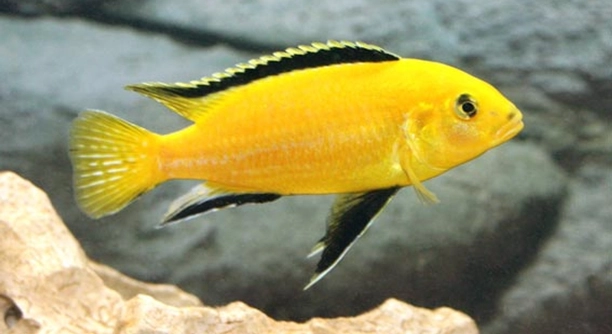
Cichlids are colorful and active fish that often show unique behaviors in their tanks. Observing them can be both entertaining and informative, especially when they start to display signs of aggression toward other fish. Their actions are sometimes subtle but meaningful.
Before attacking, cichlids exhibit several behaviors such as flaring their fins, chasing, staring, and territory guarding. These actions serve as warnings or assessments of threats, allowing the fish to communicate dominance and avoid unnecessary conflict while protecting resources.
Learning about these behaviors can help you better manage your aquarium. Recognizing early signs of aggression ensures a safer environment for all your fish companions.
Flaring Fins
When a cichlid flares its fins, it is usually sending a clear message to other fish. This behavior can appear dramatic, as their dorsal and pectoral fins spread wide, making the fish look larger and more imposing. Flaring is often a sign of territorial defense. In shared tanks, a cichlid may flare when newcomers enter its space or when it perceives a threat from a more dominant fish. This display allows the fish to establish hierarchy without immediately resorting to physical attacks. Watching fin flaring over time can reveal which fish are more dominant and which prefer to avoid confrontation. Consistent observation can also help in rearranging tank decorations or hiding spaces to reduce conflict. Providing adequate space and visual barriers can lessen the need for such displays and create a calmer environment. Flared fins are normal behavior, but repeated intense displays may signal stress or overcrowding.
Flaring fins are primarily a non-aggressive warning signal. It communicates dominance, territorial boundaries, and readiness to defend resources without direct contact.
Noticing when a cichlid flares its fins can help you prevent fights before they start. Paying attention to these signs makes tank management smoother.
Chasing Other Fish
Chasing is one of the more obvious behaviors displayed by cichlids before any attack. A fish may swim quickly toward another, often nudging or blocking its path. This action can escalate if the other fish does not retreat.
Chasing serves to test reactions, assert dominance, and reinforce territory. In a tank, cichlids may chase several times a day. Observing these interactions is crucial to ensure that weaker fish are not stressed or injured. Providing hiding spaces and adequate separation can reduce persistent chasing. Chasing can also be a form of social learning, allowing younger cichlids to understand boundaries. It is important to note that not all chases end in aggression; sometimes, it is purely a behavioral test. Understanding chasing patterns helps maintain balance and prevents tank overcrowding. Adjusting tank layout or introducing visual breaks can lower tension and minimize stress-driven chases.
Staring
Cichlids often stare at other fish as a way to assess threats or establish dominance. This behavior is silent but powerful, signaling intent without physical confrontation. The intensity of the gaze can indicate how serious the fish is about defending its territory.
Staring allows cichlids to evaluate potential risks in their environment. A fish that holds eye contact for extended periods may be preparing to assert control over a space or resource. This behavior is common when new fish are introduced to a tank or when territory boundaries are unclear. Observing which fish stare and which avoid eye contact helps identify dominant individuals. Tank layout can influence staring behaviors, as open spaces encourage direct displays while hiding spots reduce confrontations. Consistent staring without action usually ends once the subordinate fish moves away, maintaining balance without injury.
Repeated staring may stress weaker fish, leading to reduced feeding or hiding. Providing adequate space, plants, or decorations can help minimize prolonged stares and maintain harmony among tank mates.
Tail Flicking
Tail flicking is a subtle but clear warning behavior in cichlids. A quick flick signals agitation, irritation, or readiness to act against another fish. It is often overlooked but important in understanding fish interactions.
This movement is a preparatory action, allowing cichlids to gauge reactions and communicate discomfort or territorial claims. Tail flicking often precedes more aggressive behaviors, such as chasing or biting, but it is usually non-violent on its own. Fish may flick tails during feeding, when defending nests, or when a perceived intruder approaches. It also serves as a way to release tension and assert presence. In some cases, repeated flicking indicates stress or overcrowding, signaling the need for environmental adjustments. Recognizing these subtle cues can prevent conflicts before they escalate. By paying attention to tail flicking, tank owners can better predict which fish may become aggressive.
Adjusting tank conditions, adding plants, or creating visual barriers can reduce frequent tail flicking and improve overall tank harmony.
Nudging
Cichlids often nudge other fish to test boundaries or assert presence. This gentle push can escalate if ignored but is usually the first form of contact before more aggressive behavior occurs.
Nudging helps cichlids communicate without causing serious harm. It allows them to establish dominance and gauge reactions from other fish.
Color Changes
Cichlids can change their colors to signal mood or intent. Darker or more intense colors often indicate stress, aggression, or readiness to defend territory. Watching these changes helps anticipate behavior and manage interactions in the tank.
Circling
Cichlids may circle one another before a potential attack. This behavior is a combination of assessment and intimidation, helping fish decide whether to escalate or retreat.
FAQ
Why do cichlids flare their fins?
Flaring fins is a primary way for cichlids to communicate dominance and defend territory. It makes them look larger and more intimidating to other fish. This behavior usually occurs when a fish feels threatened or wants to establish control over a space. Flaring is mostly a warning, not a direct attack, but repeated displays can stress other tank mates. Providing hiding spots and enough space can help reduce excessive flaring. Observing which fish flare most often helps identify dominant individuals and prevent potential conflicts.
What does chasing mean in cichlid behavior?
Chasing is a method for cichlids to assert dominance and test reactions. It often happens when fish are determining hierarchy or defending territory. While chasing can look aggressive, it is usually exploratory rather than harmful. Persistent chasing may indicate overcrowding, lack of hiding spaces, or an overly aggressive fish. Rearranging tank decorations or adding visual barriers can reduce chasing and prevent stress for weaker fish. Watching patterns of chasing can also help predict which fish might escalate to attacks if boundaries are crossed.
Why do cichlids stare at other fish?
Staring is a way to evaluate threats and maintain dominance. The intensity of a gaze can indicate the seriousness of territorial claims. Fish that stare for long periods are often preparing to defend space or assert control. Providing visual breaks, plants, or decorations can help reduce prolonged staring and maintain harmony. Not all staring leads to aggression, but it signals which fish are confident and which are more submissive. Recognizing staring patterns is useful for predicting possible conflicts in the tank.
What does tail flicking indicate?
Tail flicking is a subtle signal that a cichlid is irritated or preparing to act. It often occurs during territorial disputes, feeding, or when a fish feels threatened. Repeated flicking can indicate stress or overcrowding, signaling a need to adjust tank conditions. While usually non-violent, tail flicking often precedes chasing or more aggressive behaviors. Observing these small movements helps prevent serious conflicts and keeps the tank environment stable.
Why do cichlids nudge other fish?
Nudging is an early form of contact to test boundaries or communicate dominance. It is generally gentle but can escalate if ignored. Fish use nudging to assert presence and see how others react. This behavior is a key part of social interactions in cichlid tanks. By recognizing nudging, you can intervene before it turns into aggression. Adjusting tank layout or adding hiding spots can minimize frequent nudging and help maintain balance among fish.
How do color changes affect cichlid behavior?
Cichlids change colors to signal mood, stress, or aggression. Darker or more intense colors usually indicate readiness to defend territory or frustration. Color changes are important cues for predicting potential conflicts. Monitoring these signals allows tank owners to respond early, prevent fights, and ensure a safer environment for all fish.
Why do cichlids circle each other?
Circling is a mix of assessment and intimidation. Fish use it to gauge strength, assert dominance, and decide whether to attack or retreat. This behavior is common before aggressive actions and helps cichlids determine social hierarchy without immediately fighting. Creating enough space and visual barriers can reduce tension during circling and prevent unnecessary stress.
Can these behaviors be prevented?
While you cannot stop natural behaviors, proper tank management reduces aggression. Adequate space, hiding spots, compatible tank mates, and environmental enrichment minimize stress. Observing early warning signs like flaring, chasing, or color changes helps intervene before escalation. Proper feeding routines and avoiding overcrowding also play a major role in keeping cichlids calm.
How do I manage aggressive cichlids?
Identify dominant fish and understand their behaviors. Rearrange the tank, provide hiding places, and separate overly aggressive individuals if necessary. Monitoring interactions and adjusting conditions proactively prevents fights. Recognizing early warning signs like fin flaring, tail flicking, and chasing allows timely intervention, reducing injuries and maintaining a balanced tank.
Do cichlids ever fight without warning?
Fights without warning are rare. Most cichlid aggression is preceded by signals such as flaring, chasing, staring, or tail flicking. Observing these behaviors allows for prediction and management. Intervening early by rearranging territory or providing visual barriers can prevent these rare sudden attacks. Proper observation is key to minimizing risk.
Are some cichlids more aggressive than others?
Yes, species and individual temperament affect aggression. African cichlids tend to be more territorial, while some South American species are calmer. Within species, dominant individuals show more intense behaviors. Understanding your specific cichlids’ tendencies helps in planning tank layout and selecting compatible companions. This knowledge reduces conflict and promotes peaceful cohabitation.
What role does tank size play in aggression?
Smaller tanks increase competition and stress, leading to more aggressive behaviors. Larger tanks allow fish to establish territories and avoid each other. Providing ample swimming space and visual barriers reduces flaring, chasing, and other warning behaviors. Tank size is a critical factor in managing cichlid interactions effectively.
How can I tell if a fish is stressed by aggression?
Signs include hiding, loss of appetite, color fading, or excessive swimming near barriers. Prolonged exposure to dominant or aggressive fish causes stress-related behaviors. Observing these signs early allows you to adjust the environment, provide more hiding spots, or separate fish to improve overall health.
Is it normal for aggression to continue even with proper care?
Yes, some level of aggression is natural. It usually follows warning behaviors and rarely escalates to serious harm if the environment is managed well. Recognizing patterns, providing space, and monitoring interactions keeps aggression within normal limits while allowing fish to express natural behaviors.
What should I do if aggression escalates?
Separate the aggressive fish or temporarily isolate the stressed fish. Rearrange the tank to break visual contact and add barriers. Ensure feeding and water conditions are optimal. Persistent monitoring and proactive adjustments prevent injuries and maintain a balanced tank ecosystem.
Can environmental enrichment reduce aggression?
Yes, adding plants, rocks, caves, and hiding spots reduces tension. Enrichment allows fish to retreat, establish territories, and display natural behaviors without escalating conflicts. A well-structured tank balances social interactions and keeps aggressive tendencies manageable.
How do breeding behaviors affect aggression?
During breeding, aggression intensifies as fish protect nests or mates. Expect more chasing, tail flicking, and color changes. Providing separate breeding spaces or additional hiding spots minimizes stress for non-breeding fish and helps manage natural reproductive aggression.
Does feeding schedule impact aggression?
Yes, irregular feeding can increase stress and competition, leading to chasing and fin flaring. Consistent feeding routines, with adequate portions, reduce conflict and support calmer interactions. Observing feeding behavior also highlights dominant or aggressive individuals in the tank.
Are warning behaviors always a sign of aggression?
Not always. Flaring, staring, or tail flicking can also indicate curiosity, social assessment, or excitement. Context and frequency help distinguish normal behavior from genuine aggression. Understanding these nuances allows for better management and reduces unnecessary interventions.
How long do warning behaviors last before an attack?
Duration varies by species and situation. Some fish escalate quickly, while others maintain prolonged displays without physical contact. Observing patterns over time provides insight into tank dynamics and helps prevent unnecessary escalation. Monitoring consistently is key to managing interactions effectively.
Can aggressive behavior be redirected?
Yes, adding enrichment, rearranging the tank, or introducing distractions like feeding areas or toys can redirect attention. Providing alternative outlets for energy reduces stress and aggression, keeping the tank balanced and peaceful.
How do I choose compatible cichlids?
Research species temperament, size, and habitat needs. Pairing calm species with aggressive ones can increase stress, while matching territorial tendencies reduces conflict. Understanding compatibility prevents repeated warning behaviors and promotes harmonious tank conditions.
What are signs a tank is too small for aggressive species?
Frequent chasing, constant flaring, hiding, and injuries are indicators. Limited space amplifies competition and stress. Expanding tank size, adding hiding spots, or reducing the number of fish helps manage aggression and improves overall health.
Is aggression more common in male cichlids?
Yes, males often display stronger territorial and dominance behaviors, especially during breeding. Monitoring males closely and providing sufficient territory reduces stress for other fish and prevents escalation of attacks.
Can water quality affect aggression?
Poor water quality increases stress, leading to heightened aggression. Maintaining clean, stable conditions with proper filtration and regular water changes helps reduce tension and keeps warning behaviors at normal levels.
Do juvenile cichlids show the same warning behaviors as adults?
Juveniles display similar behaviors but less intensely. They practice social interactions, establish minor hierarchies, and learn boundaries. Early observation helps predict adult behavior and manage tank dynamics effectively.
How does overcrowding influence behavior?
Overcrowding increases competition, stress, and aggression. Warning behaviors like flaring, chasing, and tail flicking become more frequent. Providing adequate space and visual barriers reduces stress and maintains social order among cichlids.
Can aggression cause long-term health issues?
Yes, prolonged stress from aggressive tank mates can weaken immune systems, reduce appetite, and cause injuries. Early recognition and intervention help prevent health problems and support overall fish well-being.
What’s the best way to monitor tank dynamics?
Regular observation, noting patterns of chasing, flaring, staring, and tail flicking, helps anticipate conflicts. Adjusting environment, separating aggressive individuals, and maintaining proper conditions ensures a balanced and healthy tank.
Are some warning behaviors unique to specific species?
Yes, certain species show unique signals, like specialized fin displays or color changes. Understanding species-specific behaviors allows for tailored tank management and better prediction of aggression.
How important is tank layout for reducing aggression?
Critical. Rocks, plants, and caves provide territories and hiding spots. Breaking visual contact prevents prolonged staring and chasing, creating a calmer environment and reducing overall stress. Proper layout directly impacts social interactions and aggression levels.
Can behavior improve over time?
Yes, fish often adjust to tank mates and environment. Warning behaviors may decrease as social hierarchies stabilize. Patience, observation, and thoughtful tank management lead to calmer, more predictable interactions.
How do I know when to intervene?
Intervene when chasing, fin damage, or hiding behaviors become persistent. Early action prevents injuries, reduces stress, and ensures a stable social hierarchy within the tank. Consistent monitoring is key to timely intervention.
Do warning behaviors stop completely in peaceful tanks?
No, some level of assessment and signaling is normal. Even in well-managed tanks, occasional flaring, staring, or tail flicking occurs as fish maintain social structures. These behaviors are part of natural interactions and rarely lead to serious aggression if managed properly.
Can multiple interventions be combined?
Yes, combining environmental adjustments, hiding spots, enrichment, and careful selection of compatible fish creates the most effective reduction in aggression. Multi-layered management ensures a calmer and healthier aquarium for all cichlids.
Are warning behaviors always visible?
Not always. Subtle signals, like slight color shifts or minor tail flicks, can be missed. Careful, regular observation is necessary to catch early signs and prevent escalation.
What’s the most common mistake tank owners make?
Ignoring early warning signs or overcrowding the tank. Failing to recognize flaring, chasing, or tail flicking can lead to stress, injuries, and imbalanced hierarchies. Proactive observation and management prevent most problems.
How do I balance aggressive and peaceful species?
Provide separate territories, hiding spots, and visual breaks. Match sizes and temperaments carefully. Monitor behavior closely and adjust the environment to prevent chronic stress or conflict. Balancing species requires ongoing attention.
Can aggression be reduced naturally over time?
Yes, as hierarchies form and fish acclimate, aggression often diminishes. Providing space, enrichment, and consistent care encourages natural social stability and reduces the frequency of warning behaviors.
Is it safe to add new fish to a tank with aggressive cichlids?
Yes, but introduce them carefully. Use visual barriers, rearrange territory, and monitor interactions closely. Gradual acclimation reduces stress and allows new fish to integrate without triggering excessive aggression.
How can I tell if a fish is too stressed to stay in the tank?
Signs include constant hiding, refusal to eat, rapid breathing, or injuries. Persistent stress indicates the need for separation, additional hiding spaces, or adjustments in tank dynamics to protect the fish.
Does aggression affect breeding success?
Yes, high-stress environments reduce reproductive success. Aggressive interactions can prevent proper mating or harm eggs and fry. Providing safe breeding spaces and minimizing conflict improves outcomes.
Can diet influence aggression?
Proper nutrition reduces irritability and competition. Unequal feeding can increase chasing and flaring. Balanced meals given consistently help maintain calm interactions and reduce tension.
What’s the best approach to long-term management?
Observe behavior, maintain clean water, provide adequate space, and adjust tank layout as needed. Early intervention and consistent monitoring ensure balanced, healthy, and predictable interactions among cichlids.
How often should I observe my cichlids?
Daily observation, even for a few minutes, helps catch early warning signs. Frequent checks allow timely interventions and maintain a peaceful, healthy tank environment.
Are some warning behaviors harmless?
Yes, occasional flaring, staring, or nudging is part of normal social interactions. These behaviors only become problematic if persistent or escalating, signaling stress or territorial disputes.
Can tank mates influence warning behaviors?
Yes, aggressive or overly dominant tank mates can trigger repeated displays. Choosing compatible companions and monitoring interactions helps prevent chronic stress and excessive signaling.
Do warning behaviors change with age?
Yes, juveniles are less intense, while adults display stronger signals. Social experience and hierarchy development influence the frequency and intensity of behaviors.
Is isolation ever necessary?
Occasionally, separating aggressive fish or stressed individuals is necessary. Temporary isolation prevents injury, allows recovery, and helps restore balance in the tank.
Can warning behaviors indicate health issues?
Sometimes. Excessive flaring, lethargy after chasing, or unusual color changes can be linked to illness or poor water conditions. Monitoring behavior alongside health ensures early detection of problems.
Are warning behaviors the same in community tanks?
They are similar but influenced by tank mates. Mixed-species environments may amplify or reduce certain behaviors depending on species compatibility and territorial overlap. Proper observation and layout are crucial.
How do I keep long-term peace in a cichlid tank?
Maintain hierarchy, provide space, observe interactions, and manage environmental enrichment. Prevent overcrowding, feed consistently, and adjust layout as needed. Balance and vigilance are key to minimizing aggression.
Can warning behaviors ever be ignored?
Occasional displays are normal, but repeated patterns or escalation should not be ignored. Early attention prevents injuries and stress, ensuring a healthier tank.
Does gender affect behavior?
Yes, males tend to be more aggressive, especially during breeding. Monitoring male interactions and providing adequate territory reduces stress on other fish.
How do I know if a tank setup encourages aggression?
Frequent chasing, flaring, hiding, or injuries indicate layout issues, overcrowding, or insufficient hiding spots. Adjusting tank environment reduces stress and aggressive displays.
Are some species more prone to color-based signaling?
Yes, African cichlids and certain South American species rely heavily on color changes for communication. Recognizing these cues helps predict potential conflicts and manage behavior effectively.
Can enrichment completely stop aggression?
No, but it reduces it significantly. Providing plants, rocks, caves, and hiding spots gives fish options to express natural behaviors without escalating conflict.
How long does it take for a stable hierarchy to form?
It depends on species, tank size, and number of fish. Hierarchies can stabilize in weeks or months. Once established, warning behaviors decrease, and interactions become more predictable.
Are warning behaviors affected by lighting?
Yes, bright or harsh lighting can increase stress and trigger flaring or chasing. Adjusting lighting intensity and providing shaded areas reduces tension.
How do I track individual fish behavior?
Observe each fish regularly, noting flaring, chasing, tail flicking, and color changes. Keeping a simple log helps identify patterns, dominant individuals, and fish that may need intervention.
Can aggression affect growth?
Yes, stressed or bullied fish may eat less, grow slower, or develop weaker immune systems. Maintaining a calm environment supports healthy development.
Do all cichlids display every warning behavior?
No, behaviors vary by species, individual temperament, and environment. Some may flare and chase often, while others rely more on staring or color changes. Recognizing species-specific tendencies aids management.
Can early socialization reduce aggression later?
Yes, allowing juveniles to interact in a well-structured environment helps them learn boundaries, reducing severe conflicts as adults. Controlled exposure and proper space encourage healthy social development.
How do I prevent territorial disputes?
Provide multiple hiding spots, visual breaks, and adequate space. Avoid overcrowding and match compatible species to reduce conflict over territory. Observation and proactive adjustments prevent frequent aggression.
Are some behaviors more intense during feeding?
Yes, competition for food increases chasing, flaring, and tail flicking. Feeding in multiple locations or spreading food helps reduce conflict and stress.
What’s the role of personality in cichlid aggression?
Individual temperament affects frequency and intensity of warning behaviors. Some fish are naturally dominant, while others are more submissive. Recognizing personality differences allows better management and pairing decisions.
Can cichlids recover from stress caused by aggression?
Yes, with proper environment, space, hiding spots, and consistent care, stressed fish can regain health and confidence. Early intervention speeds recovery and prevents long-term effects.
How do I handle persistent aggression from one fish?
Separate the aggressive individual temporarily, adjust the tank layout, and monitor behavior closely. Persistent aggression may require permanent separation or rehoming for overall tank harmony.
Do warning behaviors indicate a need for tank maintenance?
Sometimes. Aggressive displays can be triggered by poor water quality, insufficient space, or lack of enrichment. Regular cleaning, maintenance, and environmental adjustments reduce tension and stress-induced aggression.
Are some warning behaviors seasonal or situational?
Yes, breeding periods, feeding times, or environmental changes can increase intensity. Understanding these triggers helps manage behaviors effectively.
Can lighting or temperature changes trigger aggression?
Yes, sudden changes in light or water temperature can stress fish, prompting flaring, chasing, or tail flicking. Gradual adjustments minimize disruption and maintain stability.
How do I balance multiple aggressive species?
Ensure ample space, visual barriers, and enrichment. Match species with similar temperament and monitor interactions closely. Strategic placement and territory management prevent excessive aggression.
Can observation alone prevent aggression?
Observation is crucial but must be combined with environmental adjustments, enrichment, and proper species selection. Active management ensures early intervention and reduces stress in the tank.
**Is aggression always
Caring for cichlids can be both rewarding and challenging because of their natural behaviors. These fish are intelligent and social, which means they will display a variety of warning signals before any aggressive action. Understanding behaviors such as fin flaring, chasing, staring, tail flicking, nudging, color changes, and circling helps you anticipate their actions. By learning to recognize these cues, you can provide a safer and calmer environment for all the fish in your tank. Awareness of their body language allows you to make adjustments before stress or injury occurs, making your tank management more effective and less stressful for the fish. Each cichlid is unique, and observing their individual personality traits can give insight into how they interact with tank mates and react to their surroundings.
Managing aggression is largely about creating the right environment. Providing ample space, hiding spots, visual barriers, and proper tank layout can significantly reduce conflicts. Overcrowding often increases tension, so monitoring the number of fish and their territories is crucial. Feeding routines also play a role, as competition over food can trigger aggressive behaviors. Environmental enrichment, like plants, rocks, and caves, allows cichlids to establish territories and retreat when necessary, which helps maintain social order. Paying attention to these details allows fish to communicate naturally without resorting to harmful attacks. Even subtle behaviors, like a flick of the tail or a brief stare, are important signals that can guide your decisions on rearranging the tank or separating aggressive individuals. Consistent observation and proactive adjustments can prevent most conflicts before they escalate.
It is important to remember that some level of aggression is natural for cichlids and often unavoidable. While you can minimize stress and manage interactions, occasional displays of dominance are part of their social behavior. Over time, as fish become familiar with their tank mates and establish hierarchies, aggressive behaviors may decrease. Monitoring interactions and understanding each fish’s personality and species-specific tendencies allows you to respond effectively. Providing a balanced environment where all fish have space, resources, and hiding areas encourages natural behaviors without constant conflict. By combining observation, proper tank management, and knowledge of cichlid behaviors, you can maintain a healthy and harmonious aquarium where fish can thrive.

Hello,
If you enjoy the content that we create, please consider saying a "Thank You!" by leaving a tip.
Every little bit helps us continue crafting quality advice that supports the health, happiness, and well-being of pets around the world, for pets of all shapes, sizes, and species.
We really appreciate the kindness and support that you show us!