
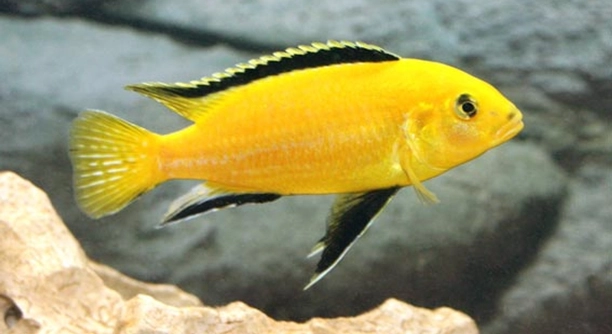
Have you ever wondered how keeping electric yellow cichlids can teach beginners important lessons about aquarium care and fish behavior? These vibrant fish are not just beautiful, they offer insights into patience, observation, and responsibility.
Electric yellow cichlids provide practical guidance on tank maintenance, social dynamics, and feeding routines. By observing their interactions and responses, beginners can learn how to manage water quality, ensure proper nutrition, and create a harmonious aquatic environment for long-term success.
Learning from these fish goes beyond simple care routines. Their behavior and needs reveal key habits that help anyone build confidence and competence in fishkeeping.
Understanding Their Aggression
Electric yellow cichlids can be surprisingly aggressive, especially when establishing territory. In my first tank, I noticed how quickly they would chase smaller fish or defend a corner. This behavior is natural and not a sign of poor care. Aggression can be managed with careful planning of tank size, hiding spots, and compatible tank mates. Observing them closely helps you anticipate confrontations before they escalate. Over time, I learned that providing rocks and plants reduces stress and limits conflicts. Recognizing dominant individuals early allows for adjustments in feeding or space. Aggression is a consistent part of their behavior, and it teaches beginners to stay vigilant and patient. Accepting this aspect helps maintain a balanced tank and avoids unnecessary losses. Proper management of aggression ensures all fish have space to thrive, giving the keeper a clearer understanding of cichlid behavior and aquarium dynamics. It also builds confidence in handling other species later.
Aggression is normal and manageable with preparation and observation, teaching beginners the importance of planning and vigilance in their tanks.
Managing aggression requires careful placement of decor and tank mates, along with monitoring interactions daily. This hands-on experience develops patience and helps maintain a peaceful environment. Learning to interpret body language and territorial behavior is essential for long-term success with electric yellow cichlids. It also encourages beginners to think proactively, adjusting feeding schedules and hiding spots before problems arise, rather than reacting after conflicts occur. The lessons extend beyond this species, forming a foundation for understanding social dynamics in any aquarium. Over time, observing aggression becomes less stressful and more informative. This process reinforces responsibility, critical thinking, and problem-solving, skills that are valuable for anyone keeping fish.
Feeding Patterns and Diet
Electric yellow cichlids are not picky eaters but need a balanced diet. Observing their feeding behavior shows who is dominant and who may need extra attention.
A proper diet prevents disease and supports vibrant coloration, which is a key part of their health and visual appeal.
I noticed that feeding them a mix of high-quality pellets, occasional live or frozen foods, and vegetable matter helped keep them active and healthy. Overfeeding led to water quality issues, which quickly affected their behavior and appearance. Watching them compete for food teaches you to distribute meals evenly and monitor each fish’s intake. Understanding feeding patterns also provides insight into their energy levels, social hierarchies, and health signs. Adjusting portions and variety ensures all fish receive adequate nutrition, reducing stress and aggression. Tracking what they eat daily creates a rhythm that makes tank management easier. This simple act of feeding teaches responsibility and observation, reinforcing habits that improve overall aquarium care and the wellbeing of electric yellow cichlids.
Tank Setup Essentials
Proper tank setup is critical for electric yellow cichlids. A minimum of 55 gallons is ideal for a small group. Rocks, caves, and hiding spots help reduce stress and provide territories, keeping aggression manageable.
I learned quickly that decorating the tank with enough visual barriers changes how fish interact. Open swimming areas combined with dense hiding spots allowed less dominant fish to retreat without being bullied. Substrate choice also matters; sand or fine gravel works best, as cichlids like to dig. Filtration must be strong because these fish produce a lot of waste. Proper water flow and aeration improve oxygen levels, while regular water changes prevent toxins from accumulating. Lighting influences coloration and activity, so a balanced day-night cycle helps maintain normal behavior. Creating an environment that mirrors their natural habitat encourages natural behaviors, reduces stress, and makes the tank more enjoyable to observe.
Regularly adjusting and monitoring the setup ensures the fish remain healthy and comfortable. Observing their interactions in the properly arranged environment teaches beginners how small changes can make a big difference in tank harmony.
Water Quality Management
Maintaining water quality is non-negotiable for electric yellow cichlids. Frequent testing for pH, ammonia, nitrites, and nitrates prevents illness and promotes vibrant color.
I found that keeping a strict schedule of water changes stabilized the tank environment. Weekly partial changes of 20-25% prevented sudden swings in water chemistry. Temperature consistency is equally important; these cichlids thrive around 76-82°F. Using a reliable heater and thermometer helped avoid fluctuations that stressed the fish. Filtration maintenance, including cleaning mechanical and biological media without disrupting beneficial bacteria, ensures a clean environment. Monitoring clarity, smell, and behavior adds additional insight into water health. Sudden changes in behavior often indicate water problems before testing does. Investing time in monitoring and adjustments improves fish longevity and reduces disease risk. This teaches beginners that consistent observation and proactive care are essential habits for successful fishkeeping.
Social Behavior
Electric yellow cichlids form clear social hierarchies within their group. Dominant fish often claim prime spots, while others retreat to less prominent areas. Observing these interactions helps you understand their relationships and manage aggression effectively.
Keeping enough hiding spots and space reduces stress and allows weaker fish to coexist without constant confrontation.
Breeding Instincts
These cichlids display strong breeding instincts, often defending chosen sites vigorously. In my experience, providing flat rocks or small caves encouraged natural spawning behavior. Watching their mating rituals taught me patience and observation skills. Even without intending to breed them, recognizing these instincts helps manage aggression and tank dynamics.
Recognizing Illness
Early signs of illness include loss of appetite, faded color, or unusual swimming patterns. Immediate action prevents spread and ensures recovery.
How often should I feed electric yellow cichlids?
Feeding twice a day works best for most adult electric yellow cichlids. I usually provide measured portions that they can finish in 3-5 minutes. Overfeeding leads to water quality problems and can make fish lethargic. Young or juvenile fish may need smaller, more frequent meals to support growth. Using a combination of high-quality pellets, occasional frozen or live foods, and some vegetable matter ensures balanced nutrition. Observing how quickly they eat helps adjust portions and prevents leftover food from decaying in the tank. Maintaining a consistent schedule also supports natural behavior and reduces stress in the group.
Can electric yellow cichlids live with other fish?
They can, but careful planning is essential. Aggression is highest among similar-sized or smaller fish, so choosing compatible tank mates is important. I learned that pairing them with robust, equally sized African cichlids or larger species works best. Avoid tiny, slow-moving fish that are easily stressed or harassed. Providing plenty of hiding spots and space minimizes conflicts. Monitoring interactions daily helps identify potential issues before they escalate. Tank size also matters; larger tanks reduce territorial disputes. Social hierarchy becomes clearer when there is enough room and structure for everyone to establish territory safely. With proper management, peaceful cohabitation is possible.
How do I manage aggression in a community tank?
Aggression is natural for electric yellow cichlids. I found that arranging rocks and caves strategically gives less dominant fish escape routes. Avoid overcrowding and ensure each fish has a personal territory. Feeding routines also reduce fights, as hungry fish are more likely to chase others. Regular observation is crucial; early intervention prevents serious injury. Sometimes separating the most aggressive individuals temporarily helps reset the social order. Water quality and a stable environment also reduce stress-driven aggression. Understanding their behavior and anticipating conflicts allows beginners to maintain harmony. Adjustments over time make tank life more predictable and manageable.
What water conditions are ideal for electric yellow cichlids?
These cichlids prefer a pH between 7.8 and 8.6 and temperatures around 76-82°F. I use a reliable heater and test the water weekly to ensure consistency. Hard water with moderate to high mineral content supports their health and coloration. Frequent partial water changes keep ammonia and nitrite levels at zero, preventing stress and disease. Strong filtration helps maintain oxygenation and water clarity. Watching for changes in behavior or color often indicates water issues before testing reveals a problem. Creating a stable environment teaches beginners the importance of routine monitoring and proactive adjustments for healthy, thriving fish.
How can I tell if my cichlids are stressed or sick?
Signs include faded coloration, clamped fins, unusual swimming, or loss of appetite. In my experience, catching problems early makes treatment easier and prevents spread. Quarantining new fish before adding them to the main tank reduces disease risk. Checking water quality, reviewing diet, and observing interactions can often reveal the source of stress. Treating minor illnesses quickly prevents them from becoming serious. Maintaining a clean tank and proper diet also strengthens immunity. Recognizing subtle behavior changes becomes easier with experience, allowing beginners to address issues before they escalate, ensuring long-term fish health.
Do electric yellow cichlids require special lighting or decorations?
They do best with moderate lighting that mimics a natural day-night cycle. In my tank, I combine bright areas with shaded spots created by rocks and plants. Decorations like caves, flat stones, and hiding spots reduce stress and limit aggression. Open swimming areas combined with structured decor encourage natural behavior. Substrate choice is important; sand or fine gravel allows digging and reduces injuries. The right setup also enhances coloration, making the fish visually striking. Observing how fish interact with their environment helps identify which areas need adjustment. Proper lighting and decor improve both fish wellbeing and the overall tank experience.
How can I prevent overpopulation in my tank?
Electric yellow cichlids breed readily if conditions are favorable. I noticed that even with the best care, unchecked breeding can overwhelm the tank. Separating males and females or removing eggs helps control numbers. Providing enough space reduces territorial disputes when juveniles are present. Quarantining or rehoming fry ensures the main tank stays stable. Preventing overpopulation also protects water quality and reduces stress among adults. Managing reproduction is part of responsible care, teaching beginners the importance of planning and intervention. Monitoring tank dynamics regularly helps maintain balance and avoid sudden population spikes that could harm fish health.
Electric yellow cichlids are remarkable fish that teach beginners a lot about aquarium care and observation. They are vibrant and active, which makes them interesting to watch, but they also come with challenges that require attention and patience. From my experience, learning how to manage aggression, maintain water quality, and provide proper nutrition are some of the first lessons these fish offer. Observing their behavior closely shows patterns that are not obvious at first, such as how they establish territories or interact with other fish. These lessons are valuable because they help beginners understand the importance of creating a stable and balanced environment for any aquatic life. Over time, noticing subtle signs of stress, illness, or discomfort becomes easier, which is essential for keeping fish healthy and thriving.
One of the most important lessons from keeping electric yellow cichlids is the need for careful planning and preparation. They require an appropriate tank size, strong filtration, and structured decorations to reduce stress and manage social hierarchies. In my tank, arranging rocks, caves, and open swimming spaces made a noticeable difference in how the fish behaved. They became more active, less aggressive, and displayed their natural behaviors more freely. Feeding routines and diet also play a big role. Providing a mix of high-quality pellets, occasional live or frozen foods, and vegetable matter ensures balanced nutrition, which affects their growth, coloration, and overall health. These experiences taught me that even small changes in the environment or feeding habits can have a significant impact on their well-being.
Finally, electric yellow cichlids encourage patience and responsibility. They are not just decorative; they require consistent observation, care, and adjustments as their needs change. Maintaining water quality, monitoring interactions, and responding to signs of stress or illness all contribute to a successful aquarium. By following a regular schedule for cleaning, feeding, and checking water parameters, I was able to create a stable environment where the fish could thrive. These habits are lessons that extend beyond just this species and can be applied to any fishkeeping endeavor. Overall, keeping electric yellow cichlids is a rewarding experience that builds confidence, teaches careful observation, and develops practical skills in maintaining a healthy aquatic environment.

Hello,
If you enjoy the content that we create, please consider saying a "Thank You!" by leaving a tip.
Every little bit helps us continue crafting quality advice that supports the health, happiness, and well-being of pets around the world, for pets of all shapes, sizes, and species.
We really appreciate the kindness and support that you show us!