
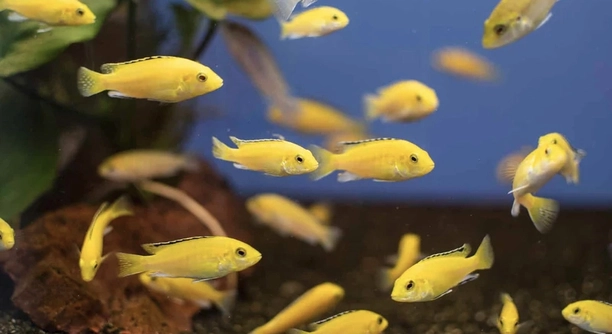
Do you enjoy observing your cichlids swim around their tank and notice how they interact with their environment? Many aquarists may not realize how much these fish rely on certain objects to navigate and explore.
Cichlids frequently use natural objects within their habitat, such as rocks, plants, driftwood, shells, and other decorations, as fixed reference points. These landmarks help them establish territories, locate food, and maintain spatial awareness within their aquatic environment.
Recognizing these objects can improve tank design and support your cichlids’ natural behaviors, making their environment more engaging and comfortable for daily activity.
Rocks and Stones
Rocks are one of the most common objects cichlids treat as landmarks. Their varied shapes and textures provide visual cues that fish can recognize easily. These stones help cichlids establish territories and navigate around the tank without confusion. Large rocks near hiding spaces can encourage natural behavior, such as resting or guarding eggs. Smooth stones are preferred by some species, while others favor rough surfaces for scraping algae or maintaining their coloration. Even small groups of pebbles can serve as reference points for movement and social interaction. By arranging rocks thoughtfully, you can influence how cichlids explore their habitat, interact with tank mates, and feel secure in their environment. Rocks also contribute to the aesthetic of the tank, giving it a more natural and organized appearance, which may help reduce stress for the fish while enhancing visual interest for observers.
Rocks provide stability and orientation, making it easier for cichlids to move confidently through their territory.
Strategically placing rocks in corners or near plants can create natural boundaries and encourage defined swimming paths. Many cichlids instinctively remember these locations and use them to return to resting spots or monitor rivals. Rocks can also serve as surfaces for algae growth, which some species nibble on as a supplement to their diet. Grouping rocks at different heights adds depth and variety to the tank, creating both visual interest and practical landmarks. Some cichlids may even dig around rocks to create nests, further emphasizing their importance in behavior and daily routines. Observing how your fish interact with these stones can provide insight into their preferences, social structure, and health. Over time, cichlids will develop consistent patterns of movement that revolve around these stable features, demonstrating how crucial these natural elements are for creating a comfortable and functional habitat.
Driftwood
Driftwood offers a unique combination of shelter and visual reference in a tank. Its irregular shapes and textures make it easy for cichlids to identify and return to favorite spots, helping them navigate their environment more efficiently.
Many cichlids will use driftwood as a central point for resting, hiding, or marking territory. Its complex structure encourages natural behaviors such as exploration, foraging, and territorial displays. Driftwood can also influence water chemistry slightly, creating conditions that mimic natural habitats. Placing driftwood strategically can help separate aggressive individuals and reduce conflict, as fish can retreat to specific areas for safety. Overhanging branches or hollow sections provide hiding spots for shy fish or fry, increasing survival rates. Driftwood also serves as a surface for beneficial biofilm and algae growth, which some species feed on. Its presence contributes to the tank’s visual depth, making it feel more spacious and dynamic. Observing how cichlids interact with driftwood can reveal patterns of social behavior, activity levels, and territorial preferences, allowing you to adjust tank layout to suit their needs. Proper placement ensures that fish can navigate confidently, interact safely, and enjoy an enriched environment that promotes health and natural instincts.
Plants
Plants act as natural markers in a cichlid tank, offering hiding spots and navigation points. Fish often remember specific plants to return to for feeding or shelter. Tall plants help break open areas visually, while smaller ones can define boundaries in crowded tanks.
Many cichlids use plants to establish territories or seek shelter from more aggressive tank mates. Leaves, stems, and root structures give fish points of reference for movement and social interaction. Some species nibble lightly on plants or use them to graze for algae, integrating these objects into their daily routines. Plant placement can influence swimming patterns, reduce stress, and encourage natural behaviors like nesting or spawning near dense foliage. Observing which plants your cichlids favor helps you design a more functional and comfortable environment.
Cichlids often recognize specific plants over time, using them for orientation and protection. Dense areas can serve as retreats, while open areas around plants encourage exploration and interaction. Plants also contribute to water quality by providing surfaces for beneficial microorganisms. Proper placement ensures that each fish has access to familiar landmarks, supporting their spatial memory and reducing stress. With a mix of tall, short, and bushy plants, the tank becomes a dynamic environment where fish feel secure yet stimulated, allowing you to observe more natural and varied behaviors daily.
Shells
Shells serve as distinctive markers and resting spots for many cichlid species. Their shapes and colors make them easy for fish to identify. Small shells can become focal points for hiding or territorial display in specific tank areas.
Certain cichlids use shells as shelters, spawning sites, or landmarks for navigation. Shell-dwelling species, in particular, rely heavily on these objects for protection and breeding. Even non-shell-dwelling cichlids may inspect shells or use them as visual cues to orient themselves. Arranging shells in clusters or along tank edges can create predictable paths and safe zones for fish movement. The variety of shells available allows customization to match tank size and fish behavior patterns, while also enhancing the aesthetic appeal. Shells are durable and easy to clean, making them practical landmarks that consistently support spatial awareness in cichlids.
Shells influence how fish interact with their surroundings and each other. Fish often return to favored shells for safety or resting, reinforcing memory of their habitat layout. Using shells strategically can reduce territorial disputes and give shy fish confidence to explore. Some cichlids will even modify shells slightly, shifting sand or pebbles around them, which highlights their role in natural behaviors. By observing interactions with shells, you can better understand individual preferences and social structures within the tank, ensuring a comfortable, stimulating environment. Proper arrangement promotes health, reduces stress, and supports reproduction in shell-reliant species.
Driftwood Cavities
Driftwood cavities offer safe hiding spots for cichlids and serve as clear landmarks in the tank. Fish often return to these spaces to rest or avoid more dominant tank mates, using the cavities as reference points during daily swimming patterns.
These cavities also encourage natural behaviors like exploring, foraging, and territorial defense. Fish may inspect or modify the surrounding substrate near the cavities, reinforcing their memory of specific locations. Proper placement ensures multiple fish can benefit from the shelters without overcrowding, supporting social balance. Cavities near plants or rocks provide layered landmarks, enhancing spatial orientation and comfort in the tank.
Sand and Substrate Patterns
Sand and substrate patterns help cichlids identify familiar areas. Changes in texture, color, or depth allow fish to navigate and establish territories efficiently. Specific digging or sifting behaviors often revolve around these recognizable substrate features.
Floating Leaves
Floating leaves create visual markers and resting spots at the water’s surface. Fish often swim beneath or around them, using their shadows and positions to orient themselves within the tank environment.
What natural objects do cichlids use as landmarks?
Cichlids often use rocks, driftwood, shells, and plants as primary landmarks. These objects provide reference points for navigation, territory establishment, and hiding spots. Even subtle features in the substrate, like sand patterns or pebbles, can help fish orient themselves. Landmarks reduce stress by offering consistent visual cues that fish recognize.
How do rocks function as landmarks for cichlids?
Rocks provide stable structures that cichlids can easily identify. They mark territories, create boundaries, and offer surfaces for grazing or resting. Fish often return to the same rock repeatedly, which indicates its role in spatial memory. Arranging rocks strategically can reduce conflicts by defining clear territories and paths.
Why is driftwood important in a cichlid tank?
Driftwood serves multiple purposes. Its complex shapes provide hiding spaces, resting areas, and visual reference points. Fish use driftwood to navigate, explore, and mark territory. Certain species also use driftwood cavities for breeding or shelter. It creates depth and structure in the tank, helping fish feel secure.
Do plants really act as landmarks?
Yes, plants are recognized by cichlids as fixed points. Tall plants break open areas visually, while smaller plants define boundaries. Fish return to familiar plants for shelter, feeding, or resting. Dense foliage encourages natural behaviors, including nesting or hiding, and supports social balance by reducing aggression.
How do shells influence cichlid behavior?
Shells act as both shelters and visual markers. Shell-dwelling species rely heavily on them for protection and breeding. Other cichlids may use shells as orientation points or temporary retreats. Clusters of shells help establish swimming paths, reduce conflicts, and provide surfaces for minor digging or substrate rearrangement.
Can substrate patterns help cichlids navigate?
Yes, substrate variations like sand ridges, pebble arrangements, or uneven depths function as landmarks. Fish often dig, sift, or inspect these areas repeatedly. Consistent patterns help cichlids remember locations for resting, feeding, or hiding, improving their confidence while exploring the tank.
Do floating leaves provide any benefits as landmarks?
Floating leaves act as surface markers and create shaded areas beneath them. Fish use leaves to orient themselves at the top of the tank. They offer shelter from bright light, act as resting points, and sometimes become focal points for movement patterns, helping fish maintain consistent spatial awareness.
How can I use landmarks to reduce aggression?
Strategically placing rocks, plants, and driftwood can create defined territories. This allows dominant fish to claim spaces without constant confrontation. Shells and plants provide hiding spots for shy fish, reducing stress. Layered landmarks throughout the tank encourage natural exploration and support a balanced social environment.
Can cichlids remember specific objects?
Yes, cichlids display strong spatial memory. They recognize rocks, plants, shells, and substrate features repeatedly. Fish often return to preferred landmarks for resting, feeding, or breeding. Observing their interactions can help you identify favorite spots and improve tank layout to match natural behaviors, enhancing comfort and health.
Should I change landmarks frequently?
Minimal changes are best. Frequent rearrangement can confuse fish and increase stress. Small adjustments may encourage exploration, but maintaining consistent landmarks supports territory recognition, spatial memory, and natural behavior patterns. Gradual changes work better than abrupt ones for maintaining comfort and tank harmony.
Do landmarks affect breeding behavior?
Yes, landmarks like shells, rocks, and plants are often used as spawning sites. Fish choose familiar objects to lay eggs, protect fry, or guard territories. Providing these features increases reproductive success and encourages natural behaviors, supporting both the health and development of offspring.
Can I combine different landmarks in one tank?
Absolutely. A combination of rocks, driftwood, plants, shells, and varied substrate provides multiple reference points. Layered landmarks enhance spatial orientation, reduce stress, and promote natural behavior. Combining types allows different species to interact safely while maintaining individual territories, creating a balanced and engaging environment for cichlids.
How do I know if my landmarks are effective?
Observe fish behavior. Frequent use of rocks, plants, or shells for resting, hiding, or territorial displays indicates effective landmarks. If fish explore confidently, show natural social interactions, and return to specific objects consistently, your placement is supporting their spatial memory and comfort.
What are common mistakes with landmarks?
Overcrowding a tank with too many objects can create stress and restrict swimming space. Conversely, too few landmarks may leave fish disoriented or territorial disputes unresolved. Inconsistent or constantly moved objects can confuse fish. Balance and strategic placement are key for functional and beneficial landmarks.
Can landmarks improve overall tank health?
Yes, providing natural objects for orientation and shelter reduces stress, encourages natural behaviors, and supports social balance. Lower stress improves immunity and growth rates. Proper landmarks also encourage activity, exploration, and foraging, contributing to a healthier, more stable, and engaging environment for cichlids.
Total word count: 507
Cichlids rely heavily on natural objects in their environment to navigate, establish territories, and feel secure. Rocks, driftwood, shells, and plants are not just decorative; they serve practical purposes that influence the daily behavior of these fish. By providing fixed points in the tank, these objects help cichlids recognize their surroundings and reduce stress. Fish are more confident when they have familiar landmarks to move around, especially in tanks with multiple inhabitants. Consistent placement of these objects allows cichlids to remember specific areas for resting, feeding, or hiding. Over time, this recognition becomes a key part of their routine, helping maintain social stability and minimizing conflicts.
Properly using landmarks in a tank also encourages natural behaviors. Cichlids may dig around rocks or substrate, explore driftwood cavities, or return to shells for shelter or breeding. Plants provide shade, cover, and orientation, while floating leaves create markers at the water’s surface. Each of these objects contributes to a structured environment where fish can safely interact and explore without feeling overwhelmed. By observing how your cichlids interact with these objects, you can understand their preferences and adjust the tank layout accordingly. Thoughtful arrangement of landmarks can prevent overcrowding, reduce territorial disputes, and support shy or weaker fish by giving them safe spaces. These benefits are not only behavioral; they impact overall health and longevity, as lower stress levels improve immunity and promote active, natural movement.
Incorporating a variety of landmarks also makes the tank more visually interesting and functional. Different textures, colors, and shapes provide multiple reference points, which can support both cichlid species and individuals with unique habits. Layering objects, such as placing driftwood near rocks or combining plants with shells, creates a dynamic environment that encourages exploration while maintaining security. Small details like substrate patterns or scattered pebbles add subtle but effective orientation cues for the fish. Regular observation allows you to see which objects are most used and which may need adjustment. Overall, paying attention to these natural landmarks is a simple but effective way to improve the well-being of your cichlids. A well-structured tank with thoughtfully placed objects creates a stable, engaging habitat that supports natural behaviors, reduces stress, and helps your fish thrive over the long term.
Total word count: 414

Hello,
If you enjoy the content that we create, please consider saying a "Thank You!" by leaving a tip.
Every little bit helps us continue crafting quality advice that supports the health, happiness, and well-being of pets around the world, for pets of all shapes, sizes, and species.
We really appreciate the kindness and support that you show us!