
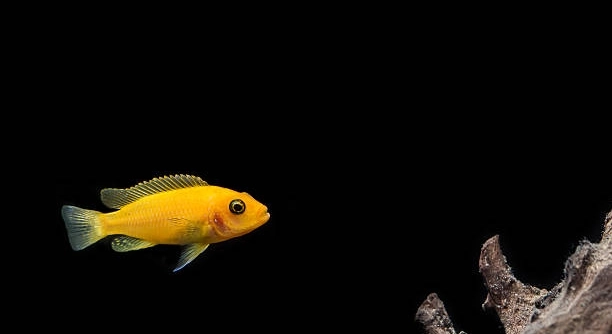
Have you ever kept electric yellow cichlids and noticed how their bright colors seem to stand out in every corner of the aquarium as they navigate their space with steady interest in their surroundings daily.
Electric yellow cichlids do not compete for light, since their behavior is shaped by territorial instincts rather than a desire for brighter areas of the tank. They may choose lit zones, but this preference reflects their security instead of competition.
Learning how their natural patterns guide movement offers insight into the subtle factors that shape their comfort and behavior daily.
Understanding Their Natural Behavior
Electric yellow cichlids rely on stable lighting to feel secure, so their reactions often reflect how comfortable they are within the aquarium. I have seen how these fish move with purpose when the environment offers balanced brightness and steady hiding areas that let them settle without stress. Their choices are shaped by natural instincts that guide them toward places where they can watch their surroundings while still feeling protected. When the lighting feels soft and even, their colors stay vibrant and their movements remain calm. When the tank becomes too bright or too dim, their behavior can shift as they search for conditions that help them relax. Understanding these responses makes it easier to create a layout that supports their comfort. With consistent care, thoughtful placement of décor and reliable lighting, these fish maintain a stable routine that keeps them healthy and expressive in their space each and every day.
Balanced lighting encourages electric yellow cichlids to explore calmly, helping them stay confident while they navigate their territory. Keeping brightness consistent prevents sudden shifts that might unsettle them, allowing their natural colors and steady movements to remain clear indicators of comfort within the aquarium at all times in their environment.
Creating a stable lighting plan allows electric yellow cichlids to settle into predictable habits that support their well being. I find that soft brightness paired with shaded areas gives them space to adjust without stress. Their reactions become easier to read when lighting stays steady, since their movements and coloration naturally shift with changes in intensity. Providing plants, rocks and safe corners helps them determine comfortable pathways as they move through the tank. When you maintain consistent lighting, these fish respond with calm behavior that reflects a sense of security. This approach keeps their environment balanced and encourages healthy routines.
Factors That Shape Light Preferences
Light intensity, background colors and tank layout influence how electric yellow cichlids choose their preferred spaces. Subtle differences in brightness guide their movements as they evaluate security and visibility. Providing even lighting prevents abrupt shifts that may disrupt their comfort, supporting calm and predictable patterns within the aquarium each day.
Light plays a central role in the comfort of electric yellow cichlids, guiding their movement and shaping the way they interact with their surroundings. Maintaining steady illumination helps them avoid stress, since sudden changes can disrupt their confidence. I have noticed how these fish respond more calmly when the tank offers a smooth balance between brighter open areas and shaded spots that let them retreat when they need a break. Their coloration often appears stronger under soft, even lighting, which supports both their display and their sense of safety. Adding plants, rock formations and secure hiding places allows them to adjust naturally as the lighting shifts through the day. These elements create depth, reduce glare and prevent overstimulation. It also helps them organize their territory, which leads to more predictable behavior. By managing lighting thoughtfully, you can encourage stable routines, healthier interactions and reliable activity patterns. Balancing brightness with accessible shelter keeps their attention steady and their stress levels low. With consistent care, these fish express confident movement and vibrant color that reflect a well maintained habitat. This steady environment allows them to thrive peacefully and maintain natural behaviors across every part of the aquarium daily in a gentle manner.
Creating a Comfortable Environment
Soft, consistent lighting helps electric yellow cichlids remain calm as they move through the tank. I find that balancing brightness with shaded areas keeps their behavior steady, allowing them to settle into routines that support comfort and predictable movement throughout their space.
Providing a layout that blends open swimming areas with secure hiding spots helps electric yellow cichlids adjust naturally to lighting changes. I often notice that when décor is arranged with intention, the fish navigate their territory with confidence. Rocks, plants and caves reduce harsh reflections and give them places to pause. This setup encourages stable activity, smoother interactions and clearer signals of comfort. With thoughtful planning, the tank becomes a space where they can explore without stress.
Maintaining steady lighting prevents abrupt shifts that may unsettle electric yellow cichlids. When brightness remains even, their coloration stays vibrant and their movement patterns become easier to read. I find that soft light paired with gradual adjustments keeps them calm throughout the day. Adding gentle cover through plants and rockwork allows them to choose the level of brightness they prefer. This lets them settle into patterns that reflect security and reduces unnecessary tension in shared spaces. Consistent care ensures predictable behavior and long term well being.
Managing Light Based on Tank Setup
Different tank setups influence how electric yellow cichlids respond to lighting. Taller tanks may distribute brightness unevenly, while wider tanks create broader gradients of light that allow smoother movement. Adjusting placement of décor helps balance these differences and supports predictable behavior across the entire space.
Tank height, décor arrangement and substrate color all play a role in how light spreads through the aquarium. I have noticed that pale substrates reflect more brightness, making fish more alert, while darker substrates soften the glow and create a calmer environment. Rocks and plants break up direct light, giving cichlids safe places to pause as they navigate the tank. When lighting is measured and well placed, their reactions remain steady. It becomes easier to maintain a balanced routine when brightness is controlled, since electric yellow cichlids rely on visual stability to feel secure. A thoughtful setup helps them thrive without unnecessary stress.
xxxxxxxxxxxxxxxxxxx
Balanced lighting supports steady behavior in electric yellow cichlids by reducing sudden brightness shifts that may unsettle them. I find that soft illumination paired with reliable tank structure helps them remain calm, allowing their natural instincts to guide movement without unnecessary tension throughout their space during their daily activity periods.
Providing shaded areas within the tank allows electric yellow cichlids to manage brightness comfortably. I notice they settle more easily when décor breaks up harsh light. This arrangement supports predictable behavior, reduces stress and helps them maintain calm routines that reflect comfort and stability in their environment each and day.
xxxxxxxxxxxxxxxxxxx
Light consistency becomes especially important when several electric yellow cichlids share the same space, since stable brightness helps minimize unnecessary dominance displays. I have seen how evenly distributed light encourages calmer interactions and smoother navigation around rocks, plants and open swimming zones. When brightness remains steady, each fish can choose preferred areas without tension, creating a balanced environment that supports predictable habits. A well planned tank with controlled lighting reduces confusion and promotes healthier behavior. By observing how they respond to subtle changes, it becomes easier to adjust the setup so the entire group feels secure and comfortable each day.
xxxxxxxxxxxxxxxxxxx
Adjusting lighting based on observed behavior helps electric yellow cichlids maintain steady routines. I notice that slight modifications in brightness can ease tension and support smoother interactions. Providing consistent light levels encourages calm movement, helping them stay secure while navigating their environment with predictable patterns that reflect comfort each day.
FAQ
Do electric yellow cichlids need bright light to thrive?
Electric yellow cichlids do not require extremely bright light, but balanced illumination helps them feel secure. I have seen that soft, even lighting highlights their colors without stressing them. Bright or harsh lights can make them skittish, while too dim lighting can reduce activity and make their colors look dull.
Can too much light cause aggression?
Yes, excessive brightness can increase agitation and provoke territorial displays. In my experience, when light is too strong, cichlids tend to chase each other more frequently and may become less predictable in their movement. Providing a mix of open light areas and shaded zones reduces tension and allows calmer interactions.
Should I adjust lighting gradually?
Gradual changes in lighting are very important. Sudden shifts can startle electric yellow cichlids, causing them to hide or dart around the tank. I usually adjust the lighting in small increments or use timers to simulate natural day-night cycles, which encourages stable routines and consistent behavior.
Does tank size affect light distribution?
Tank size has a major impact on how light spreads. Taller tanks may create uneven brightness, leaving the top brighter and the bottom darker. In my experience, arranging décor strategically, such as placing plants and rocks where light intensity drops, helps create more uniform lighting and prevents stress caused by abrupt brightness contrasts.
How do decorations influence lighting preferences?
Rocks, plants, and caves help break up direct light, giving cichlids areas to retreat when brightness feels too strong. I’ve found that fish use these spots to regulate their comfort, moving between open and shaded areas as needed. Thoughtful placement of decorations reduces stress and encourages predictable patterns of movement.
Can light affect their coloration?
Yes, lighting influences the vibrancy of electric yellow cichlids. Balanced lighting brings out their bright yellow tones, while inconsistent or overly intense light can cause dulling or patchy coloration. I have noticed that steady, soft illumination consistently keeps their colors vibrant and highlights their natural patterns beautifully.
Is competition for light a concern?
Electric yellow cichlids do not compete for light. Their behavior in brighter areas is driven by comfort and territory rather than rivalry. I have observed that they naturally move to spaces that feel safe and accessible, rather than fighting over brighter zones. This makes light-related aggression rare in well-managed tanks.
Do I need specialized bulbs?
Specialized bulbs are not required, but lights that provide consistent brightness and mimic natural daylight work best. I use soft white or full-spectrum bulbs that enhance color without producing harsh glare. Timers are helpful to maintain a predictable schedule, supporting natural routines and reducing stress.
How often should lighting be on?
Typically, 10–12 hours of consistent light per day is sufficient. I follow a regular schedule to simulate a natural day-night cycle. Too much light can overstimulate them, while too little reduces activity. Predictable lighting keeps their behavior steady, supports feeding routines, and helps maintain coloration and health.
Can light affect feeding behavior?
Yes, light impacts how comfortable electric yellow cichlids feel when feeding. I have noticed that even, moderate lighting encourages them to feed confidently in open areas. If the light is too intense, some may hide during feeding, leading to uneven intake. Balanced lighting ensures all fish can access food safely and consistently.
Does light influence breeding behavior?
Lighting plays a subtle role in breeding. I’ve observed that consistent light schedules help fish establish territories and feel secure, which can encourage natural breeding behavior. Sudden changes in lighting may disrupt courtship routines or cause stress, making predictable light cycles important for reproductive activity.
Are there signs that lighting is wrong?
Yes, sudden hiding, frequent darting, or pale coloration often indicates unsuitable lighting. I pay attention to these behaviors as they signal discomfort. Adjusting intensity or creating shaded areas usually restores calm movement and natural color expression, keeping fish behavior predictable and stable.
Can natural sunlight replace aquarium lighting?
Direct sunlight is not ideal, as it can create uneven lighting and excessive heat. I have found that controlled artificial lighting is safer, offering consistent brightness and predictable cycles. Sunlight through a window can be used indirectly, but it should not replace aquarium-specific lighting setups.
How to test if lighting is suitable?
Observe their activity, coloration, and hiding patterns. I usually monitor for a week after adjustments. Calm movement, vibrant color, and steady swimming indicate appropriate light. If fish appear stressed, adjust gradually. Trial and observation are key to finding the right balance that suits both tank layout and fish behavior.
Do electric yellow cichlids prefer shaded areas?
Yes, shaded areas provide security. I often notice them resting or pausing under plants or rock overhangs during the brightest parts of the day. These zones allow self-regulation of comfort, making the tank feel balanced and reducing tension between individuals while maintaining predictable behavior.
Can lighting influence health long-term?
Consistent, appropriate lighting supports overall health. I’ve observed that steady cycles improve appetite, reduce stress, and maintain coloration. In contrast, erratic lighting can increase susceptibility to disease, create irregular activity patterns, and affect growth. Proper lighting is a simple but crucial factor in keeping electric yellow cichlids healthy over time.
Does lighting affect interaction with other fish?
Lighting indirectly shapes social behavior. I have noticed that even, moderate light reduces sudden aggressive encounters and allows each fish to claim a preferred area without conflict. Overly bright or uneven light can heighten stress, increasing dominance displays and tension between individuals, while balanced light encourages calm coexistence.
Is dimming beneficial at times?
Dimming can be helpful to mimic natural dusk and dawn. I use timers to gradually lower intensity at the end of the day, which encourages rest and reduces activity before nighttime. This gentle approach improves comfort and supports natural rhythms, keeping fish behavior stable and predictable throughout the day.
How does light intensity affect territorial behavior?
High intensity may amplify territorial displays, while moderate lighting helps reduce unnecessary aggression. I’ve noticed that when brightness is controlled, cichlids navigate shared spaces more confidently and maintain steady routines, avoiding repeated confrontations and helping maintain a balanced environment for all individuals in the tank.
What is the best schedule for lighting?
A consistent 10–12 hour light period followed by darkness works best. I follow this schedule to simulate natural day-night patterns, which encourages feeding, exploration, and rest. Predictable lighting supports normal behavior, reduces stress, and keeps coloration vibrant. Consistency in timing is more important than extreme brightness levels.
Can light affect stress levels?
Yes, lighting has a direct impact on stress. I often notice that sudden changes or uneven brightness trigger hiding, darting, or aggressive behavior. Maintaining soft, steady illumination with shaded zones helps reduce stress, encourages calm movement, and supports overall well-being in electric yellow cichlids.
Do electric yellow cichlids prefer certain light angles?
They respond better to light that is evenly distributed rather than direct overhead glare. I position lighting to avoid sharp shadows and bright reflections, which can startle them. Gentle, balanced angles help fish explore confidently, maintain steady swimming patterns, and reduce the likelihood of stress or conflict.
Can lighting influence tank algae growth?
Yes, brighter or prolonged lighting can encourage algae growth. I monitor intensity and duration carefully to maintain a balance that supports the fish while minimizing excess algae. Proper tank maintenance, combined with controlled lighting, keeps both the environment clean and the fish behavior predictable.
Is a timer necessary for proper lighting?
Timers are highly recommended. I use them to maintain consistent on-off cycles, ensuring stable light exposure. Consistent timing supports natural rhythms, reduces stress, and allows electric yellow cichlids to establish routines. Manual adjustments are less reliable and can inadvertently disrupt comfort and behavior.
Can seasonal changes affect their response to light?
Yes, electric yellow cichlids may react differently to changes in daylight patterns. I adjust artificial lighting to maintain consistent conditions regardless of season. This ensures predictable behavior, stable coloration, and overall comfort, preventing stress caused by fluctuating natural light.
Do reflections in the tank matter?
Reflections can startle or confuse cichlids. I arrange lighting and décor to reduce glare. Calm surfaces and broken light patterns help fish feel secure. I’ve observed that minimizing reflections improves focus during feeding and reduces tension, promoting calmer interactions among tank mates.
How do I balance aesthetics and function?
I choose lights that enhance the fish’s color while remaining soft and even. Functional lighting should support behavior, reduce stress, and maintain natural movement patterns. By balancing visual appeal with predictable illumination, the tank remains attractive while fostering a healthy, stable environment for electric yellow cichlids.
Are there signs lighting is perfect?
Yes, fish swim confidently, display vibrant color, and interact predictably. I observe that they move between open and shaded areas without hesitation, feed consistently, and maintain calm social behavior. These indicators signal that the lighting setup effectively meets both their comfort and environmental needs.
Can lighting changes influence appetite?
Lighting affects feeding confidence. I’ve noticed that under consistent illumination, cichlids eat regularly and explore food evenly. Sudden bright or dim conditions can cause hesitation or hiding, reducing intake. Maintaining predictable light levels ensures steady appetite and supports health.
Does lighting affect nighttime behavior?
Yes, predictable light cycles cue rest and nocturnal calm. I ensure lights dim gradually at the end of the day, allowing fish to settle. This prevents erratic nighttime activity, reduces stress, and encourages normal sleep-like periods, supporting their overall daily routine and well-being.
How do I combine lighting with filtration and water flow?
Even lighting works best when combined with consistent filtration and gentle water flow. I’ve observed that stable light, water movement, and clean conditions create an environment where electric yellow cichlids feel secure. Disruptions in any factor can amplify stress, so balance across all systems is key to calm, predictable behavior.
Can lighting influence swimming patterns?
Yes, uneven or overly bright light can cause sudden darting or skittish swimming. I’ve found that balanced illumination encourages steady exploration, predictable movement between shaded and open areas, and calmer interactions, allowing fish to navigate the tank confidently without unnecessary stress or erratic behavior.
Do electric yellow cichlids prefer morning or afternoon light?
They respond better to consistent light regardless of time, though gradual increases in brightness mimic natural morning conditions. I use timers to simulate this cycle, which helps fish establish routines, maintain color, and navigate their environment comfortably throughout the day.
How long does it take for them to adjust to new lighting?
Adjustment can take several days to a week. I gradually modify intensity and monitor behavior closely. Calm swimming, consistent feeding, and vibrant coloration indicate that the fish have acclimated. Patience and careful observation are key to avoiding stress during transitions.
Can lighting reduce aggression during feeding?
Yes, balanced illumination prevents sudden shadows or glare that may trigger competition. I have noticed that predictable lighting allows all cichlids to access food calmly, reducing chasing and dominance displays. Proper light management supports fair feeding opportunities and stable group dynamics.
Does light color matter?
Soft white or full-spectrum lights work best. I’ve seen that overly cool or harsh tones can cause stress or dull coloration. Balanced light highlights yellow tones without overwhelming the fish, supporting both appearance and natural behavior.
Are there long-term benefits to consistent lighting?
Consistent lighting supports healthy routines, reduced stress, and predictable social interactions. In my experience, it also maintains coloration and encourages natural activity. Over time, stable illumination contributes to overall well-being, better appetite, and calmer coexistence among electric yellow cichlids, making it one of the simplest yet most effective care strategies.
Can uneven lighting trigger hiding behavior?
Yes, abrupt shadows or bright spots often cause fish to seek shelter. I adjust lighting and décor placement to provide smooth transitions between light and shade, encouraging exploration and reducing stress. Predictable illumination supports steady behavior and overall comfort throughout the tank.
Is there a difference between LED and fluorescent lights?
LEDs provide more control over intensity and color, while fluorescent lights offer softer, diffused illumination. I prefer LEDs for flexibility, using dimmers or timers to maintain consistent brightness. Both types work if adjusted thoughtfully to support calm, predictable behavior and vibrant coloration.
Can lighting influence tank hierarchy?
Indirectly, yes. Stable light reduces unnecessary aggression by allowing each fish to establish territory without startling contrasts. I’ve observed calmer social behavior under balanced illumination, making it easier for electric yellow cichlids to coexist peacefully and navigate their environment confidently.
Should I monitor lighting daily?
Regular checks are important. I observe behavior, color, and movement patterns daily to ensure lighting remains appropriate. Minor adjustments prevent stress and support long-term stability. Consistent observation helps maintain a healthy, balanced environment tailored to the fish’s needs.
How do I know if light is too intense?
Signs include darting, hiding, or faded color. I gradually reduce intensity or create more shaded zones until behavior returns to normal. Monitoring response is the most reliable way to determine whether lighting is suitable for electric yellow cichlids.
Can lighting influence stress recovery?
Yes, consistent and gentle lighting helps fish recover from stress by providing predictable conditions. I’ve noticed that after mild disturbances, cichlids calm faster in evenly lit tanks with shaded areas, which encourages normal routines and reduces long-term tension.
Is it important to match light with other tanks?
Each tank should be adjusted individually. I focus on layout, décor, and fish behavior rather than replicating external setups. Tailoring light to the specific environment ensures electric yellow cichlids feel secure and move confidently within their unique habitat.
Can seasonal light adjustments improve health?
Gradual seasonal adjustments can simulate natural patterns. I slightly modify intensity or duration to mimic day-length changes while keeping cycles predictable. This helps maintain normal behavior, appetite, and coloration without causing unnecessary stress.
How does light affect interaction with plants?
Even lighting supports plant growth and creates natural shade for cichlids. I’ve noticed that healthy plants provide both comfort and structure, reducing aggression and encouraging calm exploration. This synergy benefits fish behavior and maintains an aesthetically balanced tank.
Can lighting affect energy levels?
Yes, balanced light influences activity. I see that electric yellow cichlids are more active and confident under consistent illumination, whereas uneven or harsh lighting can lead to hiding, stress, and reduced exploration. Proper lighting supports predictable daily routines and healthy energy levels.
Do reflections from equipment matter?
Reflections from heaters, filters, or glass surfaces can stress fish. I adjust positioning and use décor to minimize glare. Reduced reflections support calm behavior, allowing electric yellow cichlids to explore confidently without being startled by unexpected flashes of light.
Can artificial light replace natural cues?
Yes, if timed and balanced properly. I rely on artificial light to simulate day-night cycles, maintaining consistent routines regardless of outdoor conditions. Predictable artificial lighting ensures steady behavior, vibrant coloration, and overall comfort in the tank.
Does light influence social displays?
Lighting affects visibility and confidence. I notice more natural displays and less tension when brightness is even. Fish can clearly signal territory and interact without sudden surprises, making social dynamics more predictable and calm.
How do I troubleshoot lighting issues?
Observe fish behavior, coloration, and swimming patterns. I make small adjustments to intensity or shading and monitor responses. Gradual changes and careful placement of lights and décor usually resolve discomfort, helping electric yellow cichlids remain calm and healthy.
Is supplemental lighting ever necessary?
Sometimes, especially in heavily planted tanks or shaded areas. I add gentle, evenly distributed lights to maintain consistent brightness and prevent dark zones. This ensures predictable behavior, steady routines, and healthy activity throughout the tank.
Do electric yellow cichlids react to overhead vs side lighting?
They respond best to balanced light that avoids harsh overhead glare. I position lighting to minimize shadows and reflections, creating an environment where fish move confidently and interact calmly without being startled by sudden contrasts in brightness.
Can dimming be used for feeding?
Yes, subtle dimming during feeding can reduce competition and stress. I notice that fish explore food more calmly when brightness is moderate, preventing unnecessary chasing and ensuring all individuals can access food safely.
Do lighting changes affect mood?
Light influences stress and comfort. I’ve observed that even, predictable illumination creates calmer, more confident behavior, while sudden changes can provoke hiding, darting, or aggression. Proper management supports steady moods and healthier interactions.
How do I combine lighting with temperature control?
Even lighting should complement stable water temperature. I monitor both carefully, as sudden changes in heat or brightness can cause stress. Coordinating these factors maintains comfort, encourages predictable behavior, and supports overall well-being.
Is gradual lighting adjustment better than sudden changes?
Absolutely. I always modify light intensity slowly, allowing electric yellow cichlids to adapt. Gradual adjustment reduces hiding, stress, and erratic movement, keeping behavior calm and predictable while maintaining vibrant coloration and normal routines.
Can lighting influence nocturnal activity?
Yes, predictable dimming at night supports rest and reduces erratic behavior. I observe calmer fish under gradual light transitions, which helps maintain normal cycles and promotes overall well-being.
Do cichlids prefer direct or diffused light?
Diffused light is best. I find that direct beams create glare, stress, and sudden hiding. Soft, even illumination encourages exploration, steady movement, and calm interactions, making the tank environment more comfortable for electric yellow cichlids.
Can lighting affect molting or scale health?
Indirectly, yes. Stress from harsh or inconsistent light can impact overall health, including scales and color. I maintain consistent, balanced illumination to support immune function, stress reduction, and natural coloration, which reflects overall well-being.
Does light affect hierarchy formation?
Yes, consistent lighting reduces unnecessary aggressive encounters, allowing natural hierarchy formation. I notice that balanced illumination supports calmer interactions and predictable behavior, helping fish coexist peacefully while establishing territory.
How often should I inspect lighting equipment?
Regular inspection is important. I check bulbs, fixtures, and timers weekly to ensure consistent output. Malfunctions can create sudden changes that stress fish. Maintaining equipment reliability supports stable behavior, coloration, and overall comfort for electric yellow cichlids.
Can lighting changes trigger hiding during the day?
Yes, sudden shifts often cause fish to seek shelter. I create gradual transitions and shaded zones to help them feel secure. This reduces hiding and encourages calm exploration, supporting predictable daily activity and stress-free routines.
Does tank background color affect perceived lighting?
Yes, darker backgrounds reduce glare, creating calmer conditions, while light backgrounds reflect more brightness. I choose colors that complement lighting to maintain comfort, support calm behavior, and enhance color vibrancy, allowing fish to navigate confidently.
Is there an ideal light spectrum?
Soft white or full-spectrum lighting works best. I’ve seen that these tones support color vibrancy without overwhelming the fish. Balanced spectrum, intensity, and timing all contribute to steady behavior and overall health.
Can lighting affect territorial boundaries?
Yes, stable light allows clear perception of territory without
Electric yellow cichlids are fascinating fish that thrive best in well-balanced, predictable environments. Over time, I have observed how much their comfort depends on consistent lighting and thoughtful tank design. Their natural instincts guide them toward spaces that feel secure, whether it is a shaded cave, a cluster of plants, or a brightly lit open area. These choices are not about competing for light, but about maintaining a sense of stability. When the tank provides gentle illumination and varied spaces, the fish move confidently, interact calmly, and maintain vibrant coloration. Observing these patterns over time helps in understanding their needs and adjusting the environment accordingly. Even minor changes in lighting, décor placement, or tank layout can influence behavior significantly. By paying attention to how each fish responds, it becomes easier to create a habitat that supports steady routines and predictable social interactions. Consistency is key, as sudden changes in brightness or structure can lead to stress, hiding, or erratic swimming.
Lighting is only one part of maintaining a comfortable environment for electric yellow cichlids, but it plays a central role. Even and soft illumination enhances their natural coloration and allows them to navigate the aquarium with ease. I have found that pairing light with shaded areas, plants, and rocks helps the fish self-regulate their exposure and feel secure. Tank size and shape also influence how light spreads, which makes careful placement of decorations essential. Gradual adjustments to lighting, whether increasing intensity or creating dimming periods, can support normal routines and reduce stress. This approach encourages steady feeding patterns, healthy activity, and calmer social behavior. Over time, predictable lighting also helps maintain energy levels, overall health, and general well-being. Fish that feel secure and confident are less likely to display unnecessary aggression or skittishness, which improves the overall environment for every individual in the tank. Creating this kind of stable habitat requires attention to detail, patience, and careful observation of how fish respond to subtle environmental changes.
Ultimately, the comfort and behavior of electric yellow cichlids reflect the care and planning put into their habitat. Lighting, tank layout, and decorations all work together to create a space that encourages predictable movement and natural behavior. I have noticed that fish become calmer, more confident, and display their best colors when their environment is consistent and supportive. Gradual changes, balanced illumination, and attention to shaded areas make a significant difference in reducing stress and supporting well-being. Observing behavior closely provides insight into preferences for light, space, and territory, allowing small adjustments that improve the quality of life in the aquarium. Even simple steps, such as consistent light schedules, careful placement of plants and rocks, and monitoring responses to brightness, contribute to a healthier, more comfortable environment. Over time, these practices lead to predictable routines, calmer social interactions, and steady swimming patterns that reflect natural instincts. Maintaining these conditions requires thoughtful care and ongoing observation, but the results are rewarding, creating an aquarium where electric yellow cichlids can thrive and express their natural beauty fully.

Hello,
If you enjoy the content that we create, please consider saying a "Thank You!" by leaving a tip.
Every little bit helps us continue crafting quality advice that supports the health, happiness, and well-being of pets around the world, for pets of all shapes, sizes, and species.
We really appreciate the kindness and support that you show us!