
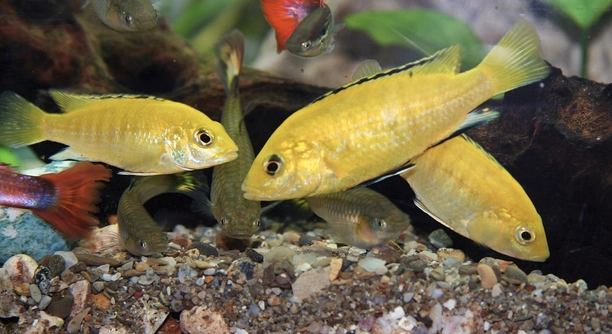
Fish breeding can be a delicate process that depends on more than just species compatibility. Subtle adjustments to the tank environment can influence mating behaviors, egg production, and the overall health of both parents and fry.
Small changes in water temperature, lighting, decoration arrangement, water flow, feeding schedules, and hiding spots can significantly affect breeding behavior. Each factor interacts with the fish’s natural instincts, promoting courtship, reducing stress, and encouraging successful spawning outcomes.
These minor tweaks can create noticeable differences in breeding success and overall tank harmony, making them essential for any aquarist aiming for healthy fry.
Adjusting Water Temperature
Water temperature is one of the most critical factors influencing breeding behavior. Even a few degrees difference can trigger or delay spawning, depending on the species. Some fish require a gradual increase to simulate seasonal changes, while others respond to sudden shifts. Consistency is key, as sudden fluctuations can stress the fish and reduce the likelihood of mating. Heating equipment should be reliable, and monitoring with an accurate thermometer helps maintain stability. Temperature interacts with other factors, including feeding and lighting, to create an environment that encourages natural behaviors. When setting the tank, consider the species’ natural habitat, seasonal patterns, and breeding cycles. Observing behavior changes after small adjustments can provide insight into what conditions are most favorable. Overheating or rapid cooling should be avoided, as these can cause illness or disrupt spawning. In some cases, separating breeding pairs into smaller tanks allows for more precise temperature control.
Proper temperature management ensures fish remain active, healthy, and ready to breed without unnecessary stress.
Tracking gradual changes and noting behavioral responses can make it easier to replicate successful breeding conditions consistently.
Lighting and Day/Night Cycles
Lighting influences fish activity levels and spawning triggers. Consistent schedules help establish natural rhythms.
Adjusting light intensity and duration can mimic seasonal changes, prompting reproductive behavior. Soft lighting reduces stress, while brighter lights encourage activity and feeding. Timing should align with species-specific cycles. Observing fish under different lighting setups can reveal preferences.
Lighting also affects plant growth, algae development, and visibility of eggs. Too much light can overstimulate fish, leading to aggression or hiding, while too little can reduce courtship displays. Using timers ensures predictable day and night periods, which supports hormonal cycles linked to reproduction. Different species may respond uniquely to spectrum changes, such as warmer versus cooler light tones. Introducing subtle variations in light gradually can prevent sudden stress. Reflecting on tank placement, natural sunlight exposure, and shading options helps maintain consistency. Even small adjustments, like dimming or adding floating plants, can make the environment more conducive to breeding. Recording which lighting patterns produce mating activity helps refine setups for future attempts. Monitoring behavior, egg laying, and fry survival under specific lighting conditions provides a practical guide for optimizing reproduction.
Tank Decorations and Hiding Spots
Hiding spots reduce stress and provide privacy for breeding pairs. Plants, caves, and driftwood create secure areas that encourage courtship and egg-laying.
Proper placement of decorations ensures fish feel safe without overcrowding the tank. Overly dense setups can restrict swimming space, while sparse arrangements may leave fish exposed. A mix of vertical and horizontal structures offers flexibility for different species. Floating plants, leaf litter, and small caves replicate natural habitats and promote natural behaviors. Observing fish use of these spots can guide adjustments for optimal placement. Gradual changes prevent sudden stress, allowing fish to acclimate and feel comfortable, increasing chances of successful spawning.
Decorations also help protect eggs and fry from adults or tankmates. Structured hiding spots encourage territorial behavior in a controlled way, reducing aggression. Providing a variety of shelters ensures both shy and dominant fish can exhibit natural breeding behaviors without constant stress, leading to higher reproductive success.
Water Flow and Filtration
Water flow affects oxygen levels, swimming behavior, and breeding activity. Gentle currents are ideal for most species, while strong flow can disrupt courtship.
Proper filtration keeps the water clean but should avoid creating turbulence that stresses breeding pairs. Sponge filters or adjustable flow systems allow control over current intensity. Strategic placement of filters ensures circulation reaches all areas without disturbing eggs or fry. Observing fish behavior in response to flow helps fine-tune the setup, balancing oxygenation and comfort. Some species prefer still areas, while others spawn in moderate currents, so customization is key.
Flow also impacts egg and fry survival. Too much movement can dislodge eggs or separate fry from parents. Integrating natural flow patterns, like gentle ripples near plants or hiding spots, encourages normal behavior. Filtration maintenance, such as regular cleaning without major water changes, prevents sudden disturbances. Adjusting flow gradually allows fish to acclimate while maintaining water quality. This careful management supports both health and reproductive activity, creating a stable environment conducive to breeding.
Feeding Schedules
Regular feeding schedules keep fish healthy and active, directly affecting breeding readiness. Consistent timing helps maintain energy levels needed for courtship and spawning.
Variety in diet ensures adequate nutrition. Live or frozen foods, along with high-quality pellets, support reproductive health and improve egg quality.
Tank Size and Space
Adequate space reduces stress and encourages natural behavior. Crowded tanks can trigger aggression, while larger tanks allow pairs to establish territories and display courtship.
Providing distinct areas for resting, hiding, and swimming ensures that all fish can move freely. Space management promotes comfort, reduces conflict, and increases the likelihood of successful spawning.
Water Quality
Maintaining clean, stable water is essential. Regular testing for pH, ammonia, nitrite, and nitrate levels prevents stress and supports healthy breeding conditions.
Pairing and Compatibility
Selecting compatible fish ensures cooperative behavior during spawning. Observing interactions helps identify suitable pairs and reduces aggression, supporting a calmer environment for reproduction.
FAQ
How do subtle temperature changes influence breeding behavior?
Even small shifts in water temperature can signal seasonal changes, triggering hormonal responses in fish. Gradually increasing or decreasing temperature mimics natural conditions, encouraging courtship and spawning. Sudden changes, however, can stress fish, suppressing mating behaviors or causing health issues. Consistent monitoring is essential to maintain optimal breeding conditions.
What role does lighting play in fish reproduction?
Lighting affects daily activity cycles and hormone regulation. Consistent day and night periods help establish natural rhythms, while gradual changes in light intensity can stimulate reproductive behavior. Bright lighting encourages activity, while soft lighting reduces stress, creating an environment where fish feel secure enough to breed.
Why are hiding spots important in a breeding tank?
Hiding spots provide privacy and reduce stress, both of which are crucial for courtship. Plants, caves, and driftwood mimic natural habitats and give fish a sense of security. Eggs and fry also benefit from these shelters, as they are protected from potential aggression by adults or tankmates.
How does water flow affect spawning?
Water movement influences swimming behavior and egg survival. Gentle currents improve oxygenation and encourage normal reproductive activity. Strong currents can disturb eggs or fry and inhibit courtship. Adjustable filters and observation help create a balance between circulation and calm areas where fish can breed comfortably.
What impact does feeding schedule have on breeding success?
Consistent feeding ensures fish have the energy for courtship and spawning. Offering a varied diet, including live or frozen foods, provides essential nutrients that improve egg quality and fry health. Overfeeding or irregular schedules can stress fish, reducing their reproductive drive.
Why is tank size critical for reproduction?
Adequate space allows fish to establish territories and reduces aggression. Crowded tanks increase stress and interfere with courtship rituals. Providing areas for swimming, resting, and hiding ensures fish can behave naturally, which is essential for successful breeding outcomes.
How does water quality influence spawning?
Clean, stable water prevents stress and supports healthy reproductive processes. Regular testing for pH, ammonia, nitrites, and nitrates helps maintain an environment conducive to mating. Poor water quality can damage eggs, weaken fry, or lead to health problems for adults, reducing overall breeding success.
What should I consider when pairing fish for breeding?
Compatibility is essential. Observing interactions helps identify pairs that cooperate rather than fight. Aggressive or incompatible fish can prevent mating and increase stress. Choosing pairs based on species, size, and temperament improves chances of successful spawning and creates a calmer tank environment for both adults and fry.
Can minor decoration changes affect breeding behavior?
Yes, rearranging plants, caves, or substrate can influence how fish interact. Changes that mimic natural habitats encourage courtship, while overly drastic alterations may stress fish. Gradual adjustments help fish acclimate, promoting natural behavior without disrupting spawning routines.
How long does it take for fish to adjust to new breeding conditions?
Adjustment time varies by species but generally ranges from a few days to several weeks. Monitoring behavior, feeding, and interaction provides insight into how well fish are acclimating. Patience and consistency in maintaining tank conditions are key to successful reproduction.
Are there signs that breeding conditions need improvement?
Signs include lack of courtship, reduced activity, aggression, or unhealthy eggs. Observing subtle behavior changes allows for timely adjustments in temperature, lighting, flow, or diet, helping to optimize conditions for successful spawning.
Can over-maintaining the tank negatively affect breeding?
Excessive cleaning or sudden large water changes can stress fish and disrupt spawning. Small, gradual adjustments in water quality and environment are more effective, allowing fish to remain comfortable while maintaining a healthy tank for reproduction.
Final Thoughts
Breeding fish successfully often comes down to attention to subtle details in the tank environment. Many small adjustments, such as temperature, lighting, water flow, and the placement of decorations, can influence how fish behave and interact. These factors work together to create conditions that feel natural and safe for the fish. When each element is carefully considered, fish are more likely to engage in normal courtship behaviors, leading to healthier eggs and higher survival rates for fry. Observing how fish respond to these changes is an essential part of managing a breeding tank effectively. Consistent monitoring allows you to notice stress signals, altered behavior, or reduced activity, which can indicate that certain conditions need adjustment. Maintaining a balance between stability and small, gradual improvements ensures that the tank environment supports both the health and reproductive behavior of the fish.
Diet and feeding schedules also play a significant role in reproductive success. Providing a varied diet that includes high-quality pellets, frozen foods, and live options helps fish maintain energy levels necessary for courtship and egg production. Regular feeding routines contribute to consistent behavior, reducing stress and making fish more receptive to mating. Overfeeding or irregular schedules can interfere with reproduction by causing health issues or altering behavior. Observing how fish respond to different types of food can help fine-tune their diet and support reproductive success. Combining proper nutrition with stable water conditions, sufficient space, and well-placed hiding spots creates an environment that encourages natural behavior. These small but meaningful details often determine whether breeding efforts are successful or if adjustments are needed to improve results.
Patience and observation are key components of managing a breeding tank. Fish respond differently depending on species, temperament, and individual needs. Some may adapt quickly to new conditions, while others require more time to feel secure enough to engage in courtship. Keeping detailed notes on changes in water parameters, lighting, decorations, and feeding routines helps track what works best for each breeding pair. Adjustments should be made gradually to avoid stressing the fish, ensuring that improvements support reproductive behavior rather than disrupt it. Understanding the relationship between subtle tank changes and fish behavior allows you to create a consistent, supportive environment. Over time, these thoughtful adjustments can lead to more frequent and successful breeding, healthier fry, and a calmer, more balanced aquarium overall. The process requires attention to detail, consistency, and care, but the results are rewarding and reflect the positive impact of a well-maintained habitat on fish reproduction.

Hello,
If you enjoy the content that we create, please consider saying a "Thank You!" by leaving a tip.
Every little bit helps us continue crafting quality advice that supports the health, happiness, and well-being of pets around the world, for pets of all shapes, sizes, and species.
We really appreciate the kindness and support that you show us!