
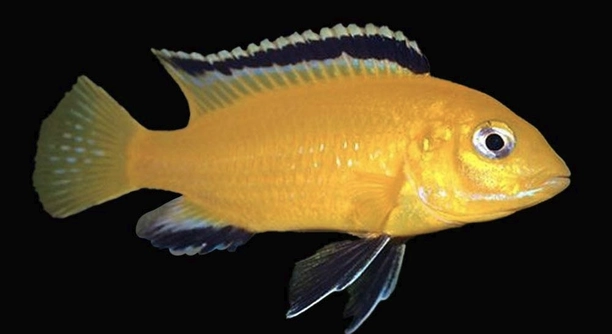
Have you ever found yourself watching your electric yellow cichlids glide through the water, trying to understand how they rest within their bright environment, noticing their pauses as you care for them in the aquarium.
Electric yellow cichlids do experience a form of sleep, marked by reduced activity and lower responsiveness. This resting state helps maintain metabolic balance and overall health, allowing them to conserve energy while remaining alert to environmental changes within their habitat.
As you continue reading, you will learn how their resting habits influence daily behavior, tank needs, and overall well being.
Understanding Their Resting Behavior
Electric yellow cichlids rest in a way that can be easy to miss if you are not used to watching them closely. Their colors stay bright, but their bodies slow down as they settle into calmer spots in the tank. This quiet period helps them stay balanced and supports their overall health. You might notice them hovering near rocks or plants with steady, gentle movement. They remain aware of their surroundings, yet their energy use drops. This natural resting pattern is important for their well being. It allows them to recover from daily activity without fully disconnecting from what happens around them.
Their resting habits also show how much they rely on stable tank conditions. A calm environment gives them the comfort they need to relax without stress.
When you understand these small details, it becomes easier to care for them in a way that supports their natural rhythm and helps them thrive every day.
Signs Your Cichlid Is Resting
Electric yellow cichlids often rest by slowing their swimming and choosing sheltered areas. Their movements stay soft and controlled, making it clear when they are taking time to recharge.
A consistent resting pattern usually means your cichlid feels secure in its environment. When the tank is arranged with stable lighting, smooth filtration, and enough hiding spots, they settle without hesitation. Their posture may look slightly still, but not stiff. Healthy resting cichlids maintain steady breathing and do not show signs of distress. If the tank has sudden noise or light changes, they may interrupt their rest, so creating a calm space is helpful. Clean water and good oxygen levels also support natural resting behavior. By observing how they pause throughout the day, you can better understand what makes them comfortable and catch early signs of stress if something in the habitat needs attention.
Creating a Comfortable Resting Environment
Electric yellow cichlids rest best when the tank feels steady and predictable. Soft lighting, gentle filtration, and peaceful surroundings help them settle without stress. When the environment stays calm, their natural resting habits develop more smoothly.
Stable water quality plays an important role in their ability to rest comfortably. Clean water reduces strain on their bodies, allowing them to maintain steady breathing while they pause in sheltered areas. Smooth currents also help them feel secure because strong flow can force them to move more than they need to. Adding rocks and plants gives them places to relax without feeling exposed. These small details support their daily rhythm. When everything in the tank works together, they can rest without interruption and recover their energy throughout the day.
Even though they do not sleep like humans, they rely on consistent rest. Watching their patterns helps you understand when they feel safe. When their resting behavior stays predictable, it usually means the environment is meeting their needs. If you notice sudden changes, such as unusual hiding or uneven breathing, the tank may need adjustments. Paying attention to these signs keeps them healthy and helps them feel secure in their space.
Resting vs Unusual Behavior
Electric yellow cichlids rest with gentle, steady movement, never going completely limp or inactive. Normal resting includes calm hovering, slow fin movement, and relaxed posture, without signs of fear or discomfort.
Some behaviors may seem like resting but signal something different. When a cichlid stays in one spot with heavy breathing, tilted posture, or repeated hiding, it could be reacting to stress. Poor water quality or sudden changes in the tank can disrupt its comfort. Healthy resting remains consistent and peaceful, while unusual behavior often appears sudden or irregular. If their movements look strained or they refuse to leave hiding spots, checking the tank setup can help. Watching small shifts in behavior makes it easier to understand when they are simply resting or when they need support.
How Lighting Affects Their Rest
Soft and steady lighting helps electric yellow cichlids settle into their resting period without feeling startled. Sudden brightness can interrupt their calm moments, so keeping the tank lights consistent makes their daily rhythm smoother.
A clear day and night cycle also supports their natural rest. When lights dim at a predictable time, they begin to slow down and relax without stress.
How Tank Mates Influence Resting Patterns
Peaceful tank mates help electric yellow cichlids rest without tension. When they share the space with calm species, their pauses feel natural and steady. Aggressive fish can disrupt this balance, leading to scattered resting habits and unwanted hiding. Choosing suitable companions keeps their behavior stable and reduces unnecessary strain.
Temperature and Rest
Warm but stable temperatures help electric yellow cichlids relax in a steady way. Sudden changes make them uneasy and interrupt their resting rhythm. Keeping the temperature consistent supports their comfort and helps them settle during quiet periods.
FAQ
Do electric yellow cichlids fully sleep like humans?
Electric yellow cichlids do not sleep the way humans do, but they enter a calm resting state. Their bodies slow down, their responsiveness decreases, and they hover in quiet spots. They remain aware of their surroundings, which helps them stay safe while still getting the rest they need. This resting period supports their health by giving them time to conserve energy. You will usually notice softer movement and a gentle, steady posture. Even though they do not have eyelids or show obvious signs of sleep, their behavior shifts enough to make their resting moments clear once you become familiar with them.
How long do electric yellow cichlids rest?
Their resting time varies, but they usually settle during the evening and early morning hours. They follow a consistent rhythm when the tank lighting stays predictable. If the environment remains calm, they pause for several hours in shorter intervals. They may also take brief rests during the day, especially after active moments. Since they never fully shut down like mammals, their rest spreads out instead of happening in one long block. When their schedule becomes irregular, it can be a sign that something in the tank is off. A steady lighting cycle usually keeps their rhythm balanced.
Where do electric yellow cichlids prefer to rest?
They often choose sheltered areas with gentle water flow. Rocks, caves, and plants help them feel secure, and they settle near these spots when they are ready to slow down. They might hover just above the substrate or stay close to decorations that offer shade. Their chosen location usually stays consistent as long as the tank remains stable. If they begin hiding in unusual places, especially in dark corners or behind equipment, it could indicate stress. Providing several comfortable hiding spaces helps them develop predictable resting habits.
Can stress affect their resting habits?
Stress can easily disrupt their resting patterns. Loud noise, sudden movement outside the tank, aggressive tank mates, poor water quality, or unstable temperature can all interfere with their comfort. When stressed, they may breathe heavily, hide excessively, or refuse to settle into their usual resting areas. They might also stay restless or swim in short, unsure bursts instead of slowing down naturally. Keeping the tank calm and predictable gives them a chance to rest without interruption. When the stress source is removed, their behavior usually returns to normal fairly quickly.
Do tank lights need to be turned off for them to rest?
Turning off the lights or dimming them at night helps them ease into their resting period. Bright lighting can keep them alert, so a clear day and night cycle is important. Most cichlids respond well to a regular schedule, which encourages their natural rhythm. Without a proper light cycle, they may struggle to settle. Soft evening light or gradual dimming can make the transition smoother. Keeping the tank dark at night gives them the calm atmosphere they need to rest comfortably.
How can I tell the difference between resting and illness?
Healthy resting looks calm and steady. They hover gently, maintain normal breathing, and stay balanced. Illness often brings uneven posture, heavy breathing, clamped fins, or refusal to move even when disturbed. Sick fish may isolate themselves in tight spaces or avoid eating. If their color fades, or if they look distressed, it is best to check water quality first. A sudden shift in behavior usually points to a problem in the tank. Resting patterns should feel predictable, while sickness brings changes that seem out of place. Observing their daily habits makes it easier to recognize when something is wrong.
Final Thoughts
Caring for electric yellow cichlids becomes easier when you understand how they rest and what helps them feel secure. Their quiet moments may look simple, but they play an important role in keeping the fish healthy. When you pay attention to the way they settle, slow their movements, and choose calm spaces, it becomes clearer how much their environment shapes their comfort. Their resting habits reveal how well the tank supports their daily rhythm. Even small changes in lighting, water flow, or tank mates can influence these moments. Taking the time to notice their subtle signals helps you create a space where they can relax without stress.
A stable and peaceful tank makes a real difference in how well they rest. They rely on predictable lighting, clean water, and hiding spots that feel safe. When these needs are met, they show smoother patterns of behavior and a more balanced temperament. If something in the tank disrupts their rhythm, you will often see it in the way they rest. Slower breathing, unusual hiding, or irregular movement can be signs that something is off. By watching these details, you can catch issues early and adjust the setup before they become bigger problems. Understanding these small changes helps you feel more connected to your fish and gives you confidence in your care routine.
Rest may not look dramatic in electric yellow cichlids, but it is an important part of their overall well being. Providing a peaceful environment supports their health in the long run and lets them show their natural colors and personality. When they feel safe, they rest with ease and move through the day with steady energy. Your attention to their needs helps them thrive in a space where they can stay active, calm, and comfortable. As you continue learning about their behavior, you will find that each observation brings you a little closer to understanding what helps them feel at home. Caring for them becomes more rewarding when you see how your efforts support their daily comfort, and their resting moments become a clear reminder of how much a well maintained tank can shape their lives.

Hello,
If you enjoy the content that we create, please consider saying a "Thank You!" by leaving a tip.
Every little bit helps us continue crafting quality advice that supports the health, happiness, and well-being of pets around the world, for pets of all shapes, sizes, and species.
We really appreciate the kindness and support that you show us!