
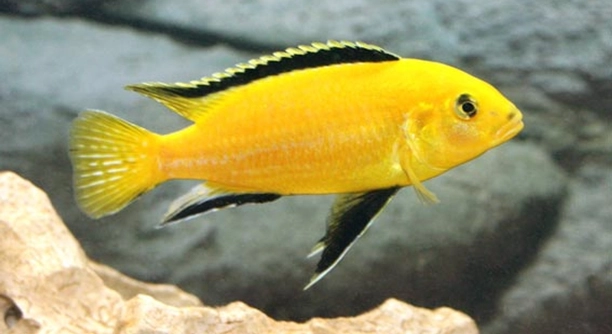
Many aquarium keepers notice their electric yellow cichlids performing small yet deliberate movements near the tank floor, creating tiny bursts of sand or gravel that look both playful and purposeful. This simple behavior often becomes more noticeable as the fish settle into their environment.
Electric yellow cichlids tail-slap the substrate as a natural way to search for food, establish territory, and communicate with nearby fish. This action disturbs small particles, exposes hidden prey, and signals dominance, making it an essential part of their daily behavior.
As you learn more about this unique habit, you will discover how it shapes their interactions and influences the overall balance of your aquarium.
Understanding Their Natural Instincts
When you watch your electric yellow cichlids tail-slap the substrate, you may notice how steady and purposeful their movements appear. They are following simple instincts that help them uncover small pieces of food and maintain a sense of order in their space. This action allows them to clear away loose debris, giving them a comfortable area they can move through with ease. I often see mine repeat the same small motions throughout the day, creating patterns that reflect how secure they feel in their environment. Their behavior may look delicate, yet it plays an important role in how they interact with the tank. Over time, you begin to recognize how each movement supports their daily routine and keeps them calm.
This natural pattern helps them adjust to changing conditions in the tank and stay aware of their surroundings.
Their steady behavior can offer insight into their comfort level and highlight the small details that keep them feeling at ease.
Why Territory Matters
Territorial instincts shape how they claim parts of the tank and maintain comfortable boundaries with nearby fish.
Territory plays a meaningful role in your electric yellow cichlids daily behavior, especially when they are exploring the lower areas of the tank. Tail-slapping becomes a useful tool for clearing small sections of substrate, giving them areas they can return to throughout the day. This helps reduce tension with other fish and allows them to establish predictable spots where they feel more at home. When several cichlids live together, each one often creates small patches that reflect its personal comfort zone. Keeping these areas clean helps prevent unnecessary disputes and supports a more peaceful environment. As they move around, they rely on these familiar spaces to gauge their safety and respond to subtle changes in the tank. Watching these behaviors closely can help you understand which adjustments may keep your cichlids healthier and more stable over time.
Feeding Behaviors and Hidden Rewards
Tail-slapping helps your electric yellow cichlids uncover tiny pieces of food buried in the substrate, allowing them to reach nutrition that might otherwise go unnoticed. This simple action keeps them active, aware, and engaged with their surroundings in a natural and comfortable way.
When food sinks into the substrate, your cichlids rely on their quick movements to free it from beneath the surface. Tail-slapping becomes a practical method to shake loose small particles without causing unnecessary disruption. I often notice how focused they become during feeding times, repeating these motions until they find what they want. This behavior also encourages steady activity throughout the day, helping them stay stimulated in a gentle and healthy way. By observing their motions, you can better understand when they feel hungry, when they feel settled, and how their feeding habits connect with their overall comfort.
These movements also support their natural foraging instincts, encouraging your cichlids to search, sift, and investigate their space. Over time, this leads to a more confident and lively presence in the tank. Their repeated motions may seem simple, yet they build a steady rhythm that keeps them calm and satisfied as they explore the lower levels of their environment.
Social Signals and Dominance
Tail-slapping also serves as a subtle way for your electric yellow cichlids to express confidence and maintain social balance among tankmates. These movements help them communicate without relying on aggressive displays, making interactions smoother and easier to observe.
In a shared space, cichlids use small gestures to define their place within the group. Tail-slapping allows them to claim a spot gently and show other fish they feel secure without causing unnecessary tension. I often see mine repeat this behavior when new fish are added or when the tank layout changes. It gives them a sense of structure, helping everyone adjust more comfortably. These actions also reduce direct conflicts, allowing each fish to understand boundaries in a calm and predictable way. By watching their signals closely, you can better support a peaceful environment that encourages healthy interactions and steady behavior.
Environmental Changes and Comfort
Small shifts in lighting, water flow, or tank layout can make your electric yellow cichlids rely on tail-slapping more often. These movements help them check the substrate and reassure themselves that familiar areas still feel safe and stable in their environment.
When the tank changes, they often reestablish their usual spots by clearing small patches of substrate. This gives them a sense of control and helps them adjust without becoming stressed. I notice this behavior most when I rearrange decorations or when the tank becomes slightly brighter.
Preventing Stress Through Routine
Maintaining steady routines helps limit unnecessary tail-slapping that comes from uncertainty. When feeding times, light cycles, and water conditions stay consistent, your cichlids feel more secure and rely less on repetitive motions meant to regain control. Their behavior becomes smoother, calmer, and easier to read.
Recognizing Healthy Behavior
Noticing patterns in their movements helps you understand what feels normal for them. Tail-slapping in steady, predictable amounts usually reflects comfort and confidence, showing they feel supported in their space.
Why do electric yellow cichlids tail-slap more during feeding times?
They tail-slap more during feeding because it helps them uncover pieces of food that fall between grains of substrate. When I watch mine, they become more focused and repeat the motion until they locate what they need. This small action connects directly to their natural foraging instincts, allowing them to search without stress. It keeps them active and teaches you a lot about their appetite and comfort level. When their feeding routine stays consistent, this behavior becomes steady rather than frantic, showing they feel secure.
Is tail-slapping ever a sign of aggression?
Tail-slapping itself is rarely aggressive, but it can appear around moments where fish feel the need to claim a small area. Electric yellow cichlids rely on gentle signals before turning to harsher displays. In most cases, this movement simply marks a spot or sets a boundary. When I observe my own fish, the motion stays calm and rhythmic, even when another fish is nearby. As long as there is no chasing or nipping, the behavior should be seen as normal communication rather than a warning sign.
Should I worry if my cichlids tail-slap constantly?
Constant tail-slapping can suggest they feel unsure about something in their environment. It may be caused by changes in water flow, bright lighting, or shifting decorations. While the behavior itself is harmless, the repetition might show they are trying to settle themselves. I find that checking water quality and making sure the tank layout feels stable helps reduce the frequency. When conditions feel right to them, the behavior naturally becomes more balanced and controlled. Always observe their overall mood to understand whether the movement comes from curiosity or discomfort.
Can substrate type affect how often they tail-slap?
Yes, the type of substrate can influence how frequently they use this motion. Softer sand encourages more tail-slapping because it is easier for them to move and sift through. Gravel can limit this activity slightly, but they will still attempt the behavior when searching for food or establishing a small area. I notice more frequent motions when using fine sand, especially during feeding times. Providing a comfortable substrate lets them express natural habits without difficulty. The goal is to offer something that feels gentle and safe for them to manipulate.
Does tail-slapping help them communicate with other fish?
Tail-slapping contributes to their communication by sending subtle messages about confidence and boundaries. Electric yellow cichlids use small gestures to avoid direct conflict, and this behavior fits well into those patterns. When I observe a group, the fish often respond by giving space rather than reacting defensively. It creates a calm exchange that keeps the tank peaceful. As long as there are several hiding spots and enough room, this method of signaling remains gentle and effective. The behavior keeps social interactions steady without unnecessary tension.
How can I support healthy behavior connected to tail-slapping?
Supporting healthy behavior starts with stable water conditions, predictable routines, and a tank layout that feels safe for them. These small steps help reduce any tail-slapping caused by stress rather than natural instinct. I make sure to keep lighting soft and avoid sudden changes that could unsettle them. Giving them clear territories through thoughtful decoration placement also helps them feel grounded. When their environment stays steady, their tail-slapping becomes purposeful, calm, and easy to understand. Watching these patterns gives you helpful insight into their comfort and overall well-being.
Final Thoughts
Caring for electric yellow cichlids becomes much easier once you understand how their small habits reflect their comfort and natural instincts. Tail-slapping is one of those gentle actions that can tell you a lot about what they need, how they feel, and how well they are adjusting to their surroundings. When you watch them closely, you start to notice which movements are tied to feeding, which ones help them claim small areas, and which ones show they are responding to something new in the tank. Their behavior may look delicate, but it carries clear meaning once you learn how to read it. A calm and steady rhythm usually shows they are secure, while sudden or repetitive motions can signal that something in their environment feels slightly off. By paying attention to these details, you create a space where your cichlids can settle into their natural patterns without discomfort or confusion, giving them a peaceful and stable home.
As you continue caring for them, small adjustments often make the biggest difference. A comfortable substrate, gentle lighting, and steady water conditions help your cichlids feel calm and confident. I find that keeping a predictable routine helps reduce unnecessary stress and encourages them to rely on their natural instincts rather than anxious repetition. When changes do happen, such as new decorations or new tankmates, your fish may tail-slap a bit more while they adjust. This is a normal part of their behavior and gives them a way to explore and regain a sense of control. Over time, their patterns become easier to understand, and you will quickly recognize when something supports their comfort or when it needs a small change. Being consistent and patient helps them feel secure, and it helps you build a deeper understanding of the signals they send through their movements.
In the end, tail-slapping is more than just a small motion against the substrate. It is a glimpse into how your electric yellow cichlids interact with their world, how they organize their space, and how they communicate with the other fish around them. Their behavior reflects a blend of instinct, curiosity, and the need for stability. When you honor those needs by keeping their environment calm and predictable, they return the favor by showing steady, confident movements that make your tank feel alive in a gentle and balanced way. Watching them move through their space, clear small patches of substrate, search for hidden food, or signal to one another gives you a deeper appreciation of their natural rhythms. This understanding supports healthier fish, smoother interactions, and a more peaceful aquarium that reflects the care and attention you put into maintaining it.

Hello,
If you enjoy the content that we create, please consider saying a "Thank You!" by leaving a tip.
Every little bit helps us continue crafting quality advice that supports the health, happiness, and well-being of pets around the world, for pets of all shapes, sizes, and species.
We really appreciate the kindness and support that you show us!