
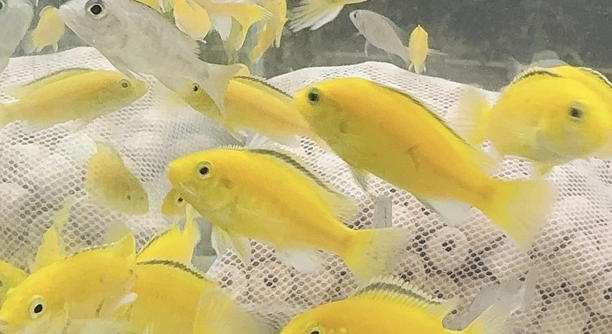
Are your pets seeking a safe and comfortable place to lay eggs or raise their young? Finding the right breeding spot can make a significant difference in their health and overall well-being. Observing their preferences is essential.
A safe breeding spot provides protection from predators, stable environmental conditions, and appropriate space for reproduction. Factors such as temperature, humidity, cleanliness, and shelter quality directly influence reproductive success and offspring survival rates in animals.
Understanding these indicators ensures your pets thrive in their chosen environment. Each element contributes to a secure, healthy, and stress-free breeding experience.
Quiet and Protected Area
A safe breeding spot needs to be quiet and protected from disturbances. Animals prefer locations away from loud noises, heavy foot traffic, and sudden environmental changes. A calm area reduces stress and supports natural behaviors. Providing hiding spaces or small enclosures can help animals feel secure. Observing how they move around the space gives clues about comfort. If the animal avoids certain spots, it is likely not suitable for breeding. Plants, rocks, or other natural barriers can enhance protection while keeping the area ventilated. A spot shielded from direct sunlight or strong winds also prevents overheating or exposure to harsh conditions. Ensuring that predators or larger animals cannot access the breeding site is crucial. The area should feel like a personal, private space where animals can nest, lay eggs, and care for young without interference. Even small adjustments can improve comfort and safety significantly.
Providing a quiet, safe environment ensures animals are less stressed and more likely to breed successfully.
Observing these behaviors helps confirm that the area is appropriate and comfortable for their needs, ensuring reproductive success.
Appropriate Temperature and Humidity
Maintaining proper temperature and humidity is essential for breeding success. Different species have specific requirements, and meeting them helps eggs develop and young thrive. Improper conditions can cause stress, illness, or reduced fertility. Monitoring the environment and making adjustments ensures stability.
Temperature control directly impacts metabolic and reproductive functions. Animals are sensitive to extremes, and even slight variations can affect breeding outcomes. Using heaters, cooling systems, or natural shelters can help maintain consistent conditions. Humidity is equally important, as too much or too little can harm eggs or young. For instance, reptile eggs require precise moisture levels to avoid desiccation or fungal growth. Birds and small mammals may need bedding that retains proper moisture without becoming damp. Regular checks and minor adjustments prevent sudden environmental shifts that could jeopardize reproduction. Choosing a breeding spot with natural temperature moderation, such as shaded areas or insulated enclosures, reduces the need for constant intervention. Consistent conditions create a stress-free environment, promoting natural behaviors, successful mating, and healthy offspring. Proper environmental management ensures the long-term health and viability of both parents and young.
Clean and Hygienic Environment
A clean breeding spot reduces the risk of disease and infection. Regular maintenance ensures that eggs and young remain healthy. Removing waste and debris is essential for safe breeding.
Maintaining cleanliness involves regular removal of droppings, uneaten food, and any mold or damp material. Bedding should be replaced frequently to prevent bacterial growth. For aquatic species, water must be filtered and changed according to species-specific needs. A hygienic environment also reduces stress and encourages natural behaviors. Animals are more likely to use a spot consistently if it feels safe and uncontaminated. Tools and equipment used in the area should also be cleaned to prevent cross-contamination. Even minor lapses in hygiene can affect fertility and offspring survival. Observing the area daily allows quick action if conditions deteriorate.
Proper sanitation supports the overall health of both adults and young. Consistency in cleaning routines helps maintain a stable and safe breeding environment. Ensuring that all areas, including corners and hidden spots, are cleaned prevents unnoticed buildup of harmful substances. The effort put into hygiene directly impacts reproductive success, as healthy animals are more likely to mate and care for their offspring effectively.
Access to Food and Water
Animals need reliable access to food and water to support breeding and raising young. Nutritional availability is critical for health.
A breeding spot must be close to a source of clean water and sufficient food. Lack of nutrition can lead to stress, reduced fertility, and weakened offspring. Providing balanced diets specific to the species ensures proper development. In the case of herbivores, fresh vegetation or quality pellets should be available. Carnivores require protein-rich options, and portion control prevents overfeeding or spoilage. Observing consumption habits helps adjust food supply appropriately. Water should be refreshed regularly and kept uncontaminated to prevent illness.
Proper nourishment and hydration are essential for successful reproduction. Without it, animals may avoid the area or fail to reproduce. Ensuring consistent access to high-quality resources allows adults to focus on mating and caring for young. Seasonal changes may require adjustments to food and water availability, and supplemental feeding can prevent stress during scarce periods. Keeping the feeding area separate from nesting areas helps maintain hygiene and reduces competition among animals. Access to reliable resources promotes overall health and improves the likelihood of successful offspring.
Soft and Comfortable Bedding
Soft bedding provides warmth and comfort for animals during breeding. It supports resting, egg-laying, and caring for young.
Bedding materials should be clean, non-toxic, and species-appropriate. Options like straw, shredded paper, or soft moss help cushion eggs and protect delicate young. Regular replacement prevents buildup of moisture and bacteria.
Shelter from Weather
Breeding spots must shield animals from harsh weather conditions. Protection from wind, rain, and extreme temperatures ensures safety and reduces stress. Nesting areas should be insulated but well-ventilated to maintain airflow. A reliable shelter helps maintain consistent conditions, which is critical for successful reproduction.
Low Disturbance Location
Animals thrive in areas with minimal human or predator interference. Choosing a location away from traffic, loud noises, and other disturbances helps ensure a secure and stress-free breeding environment.
Familiar Scents
A breeding area with familiar scents encourages animals to feel safe and comfortable. Scents from previous occupants or natural surroundings help them recognize the spot as secure and reduce anxiety.
FAQ
How do I know if the breeding spot is truly safe?
A breeding spot is safe when animals use it consistently, show low stress behaviors, and reproduce successfully. Observe their activity and comfort levels. Signs like relaxed movement, nesting behavior, and egg-laying indicate that the location meets their needs. Regular inspection ensures no new hazards appear.
Can I use artificial materials for bedding?
Yes, artificial bedding can be used if it is clean, non-toxic, and comfortable. Materials like shredded paper, soft cloth, or specialized pet bedding are suitable. Avoid materials that retain moisture excessively or break down into harmful particles, as they can affect health and egg development.
How often should I clean the breeding area?
Cleaning frequency depends on species and population size. For small mammals and birds, daily removal of droppings and food debris is recommended. Bedding should be replaced weekly or as needed. For reptiles or aquatic animals, water changes and spot cleaning should be consistent to prevent bacterial buildup.
What temperature and humidity levels are ideal?
Ideal conditions vary by species. Research specific requirements for the animals you are caring for. Maintain consistent temperatures and moderate humidity to support egg development and young growth. Sudden changes can stress animals and reduce reproductive success. Using thermometers and hygrometers helps monitor the environment effectively.
How much space is necessary in a breeding spot?
Space should allow animals to move freely, nest, and avoid conflicts. Overcrowding increases stress, aggression, and illness risk. Provide separate areas for multiple animals if necessary. Space requirements depend on species size and reproductive behavior. Monitoring interactions helps adjust the area appropriately.
Do I need to provide extra food or supplements?
Yes, breeding animals often require more nutrition. Provide high-quality, species-appropriate food and supplements if needed. Nutrient-rich diets support egg production, gestation, and care of young. Observe appetite and body condition to ensure animals are receiving adequate nourishment. Avoid overfeeding, which can cause health problems.
Is it necessary to monitor the breeding spot constantly?
Constant monitoring is not required but regular checks are important. Daily observation ensures conditions remain safe and clean. Look for signs of illness, stress, or environmental changes. Minimal disturbance during checks helps maintain a calm atmosphere and encourages natural behavior.
Can predators or other pets affect breeding success?
Yes, predators or even other household pets can stress breeding animals. Ensure the area is secure, elevated, or enclosed to prevent access. Stress from nearby animals can reduce mating activity, egg-laying, and parental care. A secure, private location is essential for reproductive success.
How do I prevent mold or bacteria growth in the area?
Proper ventilation, regular cleaning, and timely bedding replacement prevent mold and bacterial buildup. Avoid excessive moisture accumulation and ensure the environment is dry but comfortable. Using absorbent materials and monitoring humidity levels helps maintain a hygienic breeding space.
What signs indicate the breeding spot is unsuitable?
Animals avoiding the area, showing stress behaviors, or failing to reproduce are clear signs. Excessive soiling, dampness, or predation risks also indicate problems. Adjustments such as relocating, improving shelter, or enhancing comfort can make the spot more suitable.
How long should a breeding spot be used before changing it?
A spot can be used long-term if it remains safe, clean, and comfortable. Change it only if animals avoid it, conditions deteriorate, or new hazards appear. Consistency is important for stress-free breeding, but flexibility ensures optimal conditions for reproduction.
Can I have multiple breeding spots?
Yes, multiple spots allow animals to choose based on preference. This reduces competition, stress, and overcrowding. Observing usage patterns helps determine which spots are most effective and whether additional modifications are necessary to improve safety and comfort.
Should I handle animals while they are in the breeding spot?
Minimize handling to reduce stress and prevent disruption of nesting behavior. Only intervene when necessary, such as during health checks or emergencies. Gentle and minimal interaction ensures animals remain comfortable and focused on breeding and caring for young.
How important is natural light in the breeding area?
Natural light helps regulate biological rhythms and reproductive cycles. Ensure animals receive appropriate light levels for their species. Avoid direct harsh sunlight that can overheat or stress animals. Indirect or filtered light often works best, providing cues for daily and seasonal behaviors.
Can the breeding spot affect the health of offspring?
Yes, a safe, clean, and stable environment directly impacts offspring health. Proper temperature, humidity, nutrition, and protection reduce mortality risks. Ensuring optimal conditions increases survival rates and supports healthy growth and development.
Breeding animals successfully depends heavily on providing a safe and comfortable environment. Every aspect of the breeding spot, from location and shelter to bedding and nutrition, influences the health and well-being of both the adults and their offspring. Animals respond to subtle cues in their surroundings, and a spot that meets their needs encourages natural behaviors. Quiet and protected areas help reduce stress, while proper temperature and humidity maintain physiological balance. Even small details, such as familiar scents or soft bedding, contribute to a sense of security that is essential for successful reproduction. Observing how animals interact with their environment is crucial, as it gives direct insight into whether the space is suitable. Adjustments based on these observations can improve comfort and safety, supporting healthier and more consistent breeding outcomes over time.
Maintaining a clean and hygienic environment is another fundamental factor. Waste, damp materials, and leftover food can quickly create conditions that encourage bacteria and mold, which can harm both adults and young. Regular cleaning routines, replacing bedding, and proper waste management help prevent these risks. In addition, access to clean water and proper nutrition ensures that animals have the energy and resources necessary to reproduce and care for their offspring. Balanced diets, hydration, and monitoring of consumption habits reduce stress and support overall health. The combination of hygiene, nutrition, and stable environmental conditions forms the foundation of a breeding spot that consistently meets the needs of the animals. This attention to detail directly impacts fertility, offspring survival, and long-term reproductive success.
Choosing or creating a breeding spot is not just about meeting physical requirements. Animals thrive in areas where they feel secure and undisturbed, and where environmental conditions are predictable. Minimizing disturbances, monitoring for predators, and ensuring proper space allow animals to focus on mating, nesting, and caring for their young without stress. Providing options, such as multiple potential nesting sites, can give animals control over their environment, which further reduces anxiety. By combining comfort, safety, and stability, caretakers can foster conditions that maximize reproductive success while promoting overall health. Every thoughtful decision regarding the breeding environment has a lasting impact, ensuring that both adults and offspring remain healthy, protected, and able to thrive.

Hello,
If you enjoy the content that we create, please consider saying a "Thank You!" by leaving a tip.
Every little bit helps us continue crafting quality advice that supports the health, happiness, and well-being of pets around the world, for pets of all shapes, sizes, and species.
We really appreciate the kindness and support that you show us!