
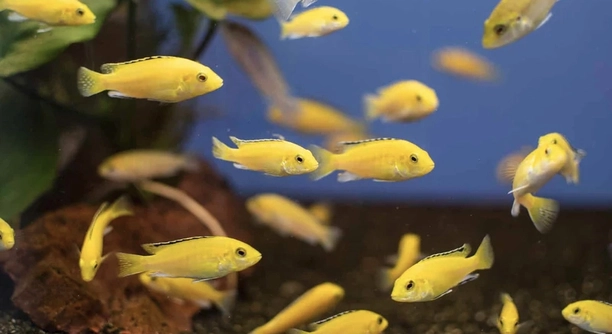
Are your cichlids showing signs of stress when new tankmates are introduced? Adjusting to a new environment can be challenging for these fish. Understanding why they may reject companions is key to maintaining harmony in your aquarium.
Cichlids may reject new tankmates due to territorial instincts, differences in size or temperament, water parameter sensitivity, past experiences with aggression, social hierarchy issues, health concerns, or stress from sudden environmental changes. These factors influence their interactions significantly.
Recognizing these reasons can help you create a more peaceful aquarium. By addressing potential conflicts early, you can improve the well-being of all your fish.
Territorial Behavior
Cichlids are naturally territorial, and this instinct can cause them to reject new tankmates. When a new fish enters their established area, they may become aggressive, chase, or hide, trying to assert dominance. This behavior is especially common in smaller tanks, where boundaries are limited. Providing sufficient hiding spots and visual barriers can reduce tension. Rocks, plants, and other decorations help create separate zones. Sometimes, aggression is more pronounced in certain species or during breeding periods. Observing their behavior closely when introducing new fish is important. Gradual introductions using a tank divider can help the fish acclimate without direct confrontation. It’s also helpful to rearrange existing decorations before adding new fish. This prevents established territories from becoming rigid, reducing the chance of immediate aggression. Monitoring the tank and making adjustments as needed helps maintain a stable environment where multiple fish can coexist peacefully, minimizing stress and promoting healthier interactions among your cichlids.
Territorial aggression can be mitigated by rearranging the tank and adding visual barriers, giving all fish space to coexist.
Gradual introduction of new tankmates is essential. Placing the newcomer behind a divider allows your cichlids to observe without direct contact. Rearranging existing decorations ensures no fish feels their territory is threatened. Providing plenty of hiding spots reduces stress. Observing fish behavior during the first few days is critical. Minor skirmishes are normal but prolonged aggression needs intervention. Adjusting tank layout or separating aggressive fish temporarily may be necessary. Understanding each species’ natural tendencies can guide introductions. Cichlids with a strong territorial nature may never fully accept certain newcomers, so careful selection of tankmates is important. By managing territory effectively, you can reduce conflicts, ensure better health, and maintain a peaceful aquarium environment for all your cichlids.
Water Parameter Sensitivity
Cichlids are highly sensitive to water conditions, and sudden changes can make them reject new tankmates. Proper temperature, pH, and hardness levels are essential for their comfort.
Even minor fluctuations can trigger stress, causing aggression or hiding behavior among fish.
Maintaining stable water parameters is crucial when adding new fish. Different species have specific requirements for temperature, pH, and hardness. Introducing a new fish that thrives under slightly different conditions can create stress for existing cichlids. Testing water regularly helps detect changes early, allowing timely adjustments. Using a quarantine tank for new arrivals reduces the risk of shock or disease spreading. Slowly acclimating new tankmates to the main tank ensures they adjust to water conditions without causing stress. Keeping consistent water quality minimizes aggression and rejection, giving all fish a chance to coexist peacefully. When water conditions match the needs of every fish, cichlids are more likely to accept newcomers, leading to a calmer, healthier tank environment.
Size and Temperament Differences
Large or aggressive cichlids may intimidate smaller or more peaceful tankmates, causing rejection. Mismatched sizes can lead to bullying, chasing, or stress, making it difficult for the fish to coexist in the same tank.
Introducing fish of similar size and temperament reduces aggression. Careful selection based on species behavior ensures that dominant fish do not overpower timid ones. Observing interactions closely during the first days helps determine if adjustments are needed. Sometimes, separating incompatible fish temporarily or permanently is the best solution. Providing multiple hiding spots also allows smaller or shy fish to escape, reducing stress and promoting a more peaceful tank environment for everyone.
Even when fish appear compatible on paper, personalities can vary. Some cichlids are naturally more aggressive, while others are cautious or timid. Sudden introductions can trigger dominance displays, especially if one fish feels threatened. Tank layout, decorations, and hiding spots play a role in managing interactions. Gradual introductions allow fish to adjust at their own pace. Paying attention to feeding, swimming patterns, and signs of stress ensures timely intervention. Selecting fish based on temperament, not just species, improves long-term harmony and reduces the likelihood of repeated aggression or rejection.
Past Aggressive Experiences
Cichlids that have experienced prior aggression may react defensively toward new tankmates. Previous encounters can make them wary, resulting in rejection or territorial displays even in a safe environment. Stress from earlier fights influences their behavior in the long term.
Introducing new fish gradually and carefully observing interactions is essential. Using dividers or separate tanks helps minimize conflict while allowing acclimation.
Fish that endured bullying or aggressive encounters often retain a heightened sense of caution. When introduced to new tankmates, they may immediately display defensive behavior, even if the newcomers pose no real threat. Providing hiding spaces, rearranging the tank, and monitoring interactions can reduce anxiety. Some cichlids may never fully trust others, so pairing them with calm, tolerant species is advisable. Understanding the history of your fish helps manage expectations and prevent stress-related health issues. By respecting their past experiences, you can create a more stable, peaceful environment that supports the long-term well-being of all tank inhabitants.
Social Hierarchy Issues
Cichlids establish a strict social hierarchy, and new tankmates can disrupt this order. Fish lower in rank may be rejected or chased, while dominant individuals assert control over territory and resources.
Introducing newcomers gradually and ensuring multiple hiding spots can help ease tension.
Health Concerns
Illness or parasites can make cichlids wary of new tankmates. Fish may sense weakness or unusual behavior and avoid contact to reduce disease risk. Maintaining quarantine for new arrivals helps prevent health-related rejection. Regular observation and water testing are essential for early detection and intervention.
Stress from Environmental Changes
Sudden changes in water, lighting, or decorations can stress cichlids, making them more likely to reject new tankmates. Stability in the tank environment reduces anxiety and promotes acceptance of other fish.
FAQ
Why does my cichlid attack new tankmates immediately?
Cichlids are naturally territorial. Introducing a new fish can trigger aggression as they try to establish dominance. This behavior is more intense in smaller tanks where space is limited. Rearranging decorations and providing hiding spots can reduce conflicts. Gradual introductions using dividers also help fish adjust safely.
Can size differences cause rejection among cichlids?
Yes, size differences play a significant role. Larger cichlids may intimidate smaller or more timid fish, causing stress or aggressive behavior. Choosing tankmates of similar size and temperament reduces bullying. Observation during the first days is crucial to prevent injury or prolonged tension.
How do water parameters affect cichlid acceptance?
Cichlids are sensitive to temperature, pH, and hardness. Sudden changes can increase stress and trigger rejection of new tankmates. Maintaining stable water conditions and slowly acclimating newcomers ensures all fish feel comfortable. Using a quarantine tank before adding new fish is recommended.
Why does my cichlid still reject tankmates after a week?
Past experiences or natural temperament can prolong rejection. Some cichlids are cautious or aggressive by nature. Providing hiding spaces, rearranging the tank, and monitoring interactions can help, but some individuals may never fully accept certain tankmates. Choosing compatible species minimizes ongoing issues.
Does social hierarchy affect cichlid behavior toward newcomers?
Yes, cichlids establish a strict pecking order. Lower-ranked fish may be rejected or chased by dominant individuals. Introducing new fish gradually and ensuring multiple zones in the tank helps minimize disruption. Careful observation ensures that stress does not become harmful to any fish.
Can health problems cause rejection of new fish?
Cichlids may avoid unhealthy tankmates or act defensively if they sense parasites or illness. Quarantining new arrivals and monitoring water quality helps prevent health-related rejection. Early intervention protects the entire tank from stress and disease, ensuring better acceptance over time.
How does stress from environmental changes influence behavior?
Sudden changes in water, lighting, or decorations can make cichlids anxious, increasing rejection of newcomers. Consistency in the tank environment helps fish feel secure. Gradual adjustments when introducing new tankmates reduce stress and promote smoother interactions.
What is the best way to introduce new tankmates?
Introduce new fish slowly. Using dividers or a separate acclimation tank allows observation without direct confrontation. Rearranging decorations prevents established territories from being threatened. Providing hiding spots and maintaining stable water conditions further increases the likelihood of successful integration.
Can all cichlids eventually accept new tankmates?
Not always. Some species or individual fish have strong territorial or aggressive tendencies. Understanding each cichlid’s personality and choosing compatible tankmates is key. In some cases, permanent separation may be necessary to ensure a peaceful environment.
How long should I monitor interactions after adding new fish?
Monitoring should continue for at least several days, ideally a week or more. Initial skirmishes are normal, but ongoing aggression requires intervention. Observing feeding, swimming patterns, and hiding behavior helps detect stress early and allows adjustments to promote harmony.
Are hiding spots really necessary in a cichlid tank?
Yes, hiding spots are essential. Rocks, plants, and decorations create safe zones for shy or lower-ranked fish. They reduce stress, prevent bullying, and allow fish to escape when threatened, improving overall acceptance of new tankmates.
What signs indicate that a new tankmate will be accepted?
Fish that swim freely, feed normally, and interact without excessive aggression are showing acceptance. Reduced chasing and calm behavior around newcomers indicate that the social hierarchy is stabilizing. Consistent observation ensures that issues are addressed before stress escalates.
Can I use multiple methods to improve acceptance?
Combining gradual introduction, stable water parameters, tank rearrangement, and hiding spots offers the best results. Each method addresses different aspects of stress and aggression. Consistently applying these strategies increases the chance of harmonious cohabitation among cichlids, making the tank safer and more comfortable for all fish.
Cichlids are fascinating fish, but introducing new tankmates requires careful planning. Their natural instincts, including territorial behavior, social hierarchy, and sensitivity to environmental changes, can make them cautious or aggressive when new fish are added. Understanding these behaviors is essential for maintaining a peaceful and healthy aquarium. Taking the time to observe your cichlids’ personalities, temperament, and past experiences can help predict how they will react to newcomers. Small adjustments in tank setup, such as providing hiding spots, rearranging decorations, or using dividers for gradual introductions, can make a significant difference in reducing stress and promoting acceptance. By addressing these factors, you give all fish a better chance to coexist, which improves their overall health and longevity.
Water conditions play a major role in cichlid acceptance. These fish are particularly sensitive to temperature, pH, and water hardness, and even minor fluctuations can cause stress or aggression. Maintaining stable water parameters and slowly acclimating new fish is critical to reducing conflict. Quarantining new arrivals before introducing them to the main tank helps prevent disease and allows observation for any unusual behavior that might trigger rejection. Attention to these details ensures that the aquarium environment remains stable, giving cichlids a sense of security. When water quality is consistent and tank conditions are carefully managed, fish are more likely to adjust and accept one another over time, reducing the likelihood of ongoing aggression or stress-related health issues.
Patience is key when managing cichlids and their tankmates. Some fish may never fully accept newcomers due to inherent temperament, previous aggressive experiences, or social ranking within the tank. It is important to recognize when interventions, such as separating incompatible fish or modifying the environment, are necessary to protect the well-being of all inhabitants. Observing daily interactions, making thoughtful adjustments, and selecting compatible species will lead to a calmer, more harmonious aquarium. By prioritizing the needs of each fish and understanding their behaviors, you can create an environment that balances the natural instincts of cichlids with the goal of a peaceful, thriving community. Consistent care, observation, and strategic planning are the most effective tools to ensure long-term success in introducing and maintaining new tankmates.

Hello,
If you enjoy the content that we create, please consider saying a "Thank You!" by leaving a tip.
Every little bit helps us continue crafting quality advice that supports the health, happiness, and well-being of pets around the world, for pets of all shapes, sizes, and species.
We really appreciate the kindness and support that you show us!