
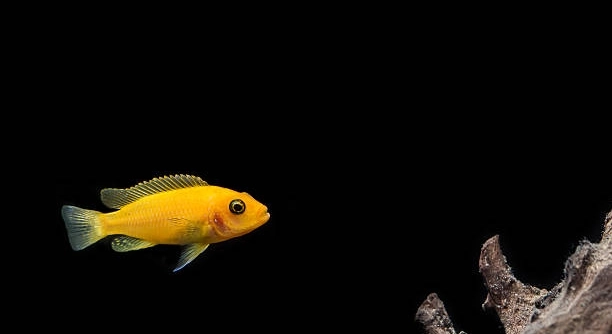
Do you enjoy keeping vibrant fish in your home aquarium but wonder if your electric yellow cichlid thrives better with companions? These lively fish bring bright color and energy, often drawing attention from both beginners and experienced aquarists alike.
Electric yellow cichlids are naturally social fish, and while they can survive alone, providing compatible tank mates can improve their mental stimulation, reduce stress, and promote natural behaviors, contributing to overall well-being and a healthier aquatic environment.
Learning about suitable tank mates and social dynamics will help you create a balanced aquarium and enhance your cichlid’s quality of life.
Understanding Electric Yellow Cichlid Behavior
Electric yellow cichlids are known for their active and sometimes territorial nature. Observing their behavior can help you decide whether tank mates are suitable. These fish thrive in environments with enough space to establish territories, often using rocks or decorations as natural boundaries. When kept alone, they may still display curiosity and explore their tank actively, but their interactions are limited to themselves. Introducing tank mates requires careful planning to avoid aggression, particularly during breeding or when establishing dominance. Compatibility depends on size, temperament, and water conditions. Smaller or passive fish may become stressed, while other cichlids with similar temperaments can coexist if the tank is large enough. Monitoring interactions during the first days is crucial, as sudden fights or bullying can escalate quickly. By understanding their social tendencies, you can provide a habitat that encourages natural behavior and reduces stress.
Maintaining clear territories and proper hiding spots can prevent disputes and make tank coexistence smoother for all inhabitants.
Electric yellow cichlids communicate through body movements and color changes. Bright coloration often signals dominance or readiness to breed, while subdued colors can indicate submission or stress. Tank mates must be chosen with these signals in mind, as misreading them may result in conflict. Aggressive displays can include chasing, nipping fins, or pushing, which can harm less assertive fish. Environmental factors like water temperature, pH, and tank layout also influence behavior. A well-structured tank with rocks, caves, and open swimming areas allows multiple cichlids to share the space with minimal confrontation. Regular observation helps detect early signs of stress, aggression, or illness, ensuring that adjustments can be made promptly. By providing a suitable environment and compatible companions, electric yellow cichlids can display vibrant colors, active swimming, and natural behaviors, making the aquarium visually engaging and balanced. Proper care enhances their health and supports a stable social hierarchy within the tank.
Selecting Compatible Tank Mates
Choosing tank mates for electric yellow cichlids requires understanding their temperament and size. Smaller or very passive fish may be stressed or harmed, while other robust cichlids are better suited to coexist peacefully.
When selecting companions, focus on species with similar water parameter needs and activity levels. Medium to large cichlids or fast-moving fish often adapt well to shared spaces. Avoid overly aggressive species that can dominate or intimidate your electric yellow cichlid, as this can cause prolonged stress or injury. Each individual fish also has its personality, so gradual introductions are important. Adding tank mates in a neutral or rearranged environment can reduce territorial disputes. Providing hiding spots, rocks, and open swimming areas helps minimize conflicts, allowing each fish to establish its own space. Observing interactions over the first few weeks ensures that any aggression is managed early, preventing harm. Well-planned introductions lead to a more harmonious tank, where electric yellow cichlids can thrive alongside compatible companions, showing vibrant colors and natural behaviors.
Tank Size and Environment
A larger tank reduces territorial disputes and provides enough space for all fish to coexist. Proper decorations, hiding spots, and open swimming areas help electric yellow cichlids feel secure while sharing their environment.
Maintaining appropriate water conditions is essential for multiple fish in one tank. Electric yellow cichlids prefer slightly alkaline water with stable temperature and clean filtration. A crowded tank increases stress and aggression, so ensuring ample swimming space and hiding areas is critical. Rocks, caves, and plants help break lines of sight, minimizing confrontations and allowing fish to establish territories. Observing interactions regularly ensures that aggressive behavior is addressed promptly, protecting both the cichlids and their companions.
Tank layout impacts social behavior significantly. Open swimming spaces allow dominant fish to patrol without cornering others. Multiple hiding spots prevent constant stress and reduce aggression. Adequate filtration and regular water changes maintain water quality, reducing disease risk. By combining proper tank size, layout, and water conditions, electric yellow cichlids can coexist more peacefully with compatible tank mates. Carefully monitoring their behavior ensures a balanced and healthy aquarium.
Monitoring and Adjusting Fish Behavior
Frequent observation of interactions helps prevent aggression and stress among electric yellow cichlids and their tank mates. Noticing early signs allows timely intervention.
Aggression in cichlids can escalate if left unchecked, affecting health and overall tank harmony. Watching how fish chase, nip, or dominate helps determine whether adjustments are needed. Rearranging decorations, adding more hiding spots, or separating aggressive individuals can restore balance. Gradual introductions and careful pairing reduce stress, promoting natural behavior. Feeding schedules also influence interactions, as well-fed fish are less likely to fight. Over time, consistent monitoring helps maintain a stable social environment where electric yellow cichlids and their companions thrive together, displaying bright colors and active behavior.
Feeding and Social Dynamics
Feeding time can influence interactions among electric yellow cichlids. Ensuring food is distributed evenly prevents competition and reduces aggression.
Separate feeding spots and a consistent schedule help all fish get adequate nutrition. Overfeeding or underfeeding can trigger disputes and stress, so careful monitoring is essential.
Signs of Stress in Cichlids
Stress in electric yellow cichlids appears as faded colors, hiding, or reduced activity. Early detection prevents health issues and maintains tank harmony. Observing their behavior daily allows timely interventions, ensuring both the cichlid and its tank mates remain healthy and active.
Breeding Considerations
Breeding pairs become highly territorial, often chasing other fish. Providing extra space and hiding spots minimizes conflicts during this period.
Long-Term Coexistence Tips
Maintaining harmony requires regular observation, stable water conditions, and sufficient space. Gradually introducing new tank mates and rearranging the environment can prevent dominance struggles and help electric yellow cichlids thrive peacefully.
FAQ
Do electric yellow cichlids need tank mates to be happy?
Electric yellow cichlids can live alone and remain healthy, but they are naturally social fish. Having compatible tank mates can stimulate natural behaviors, reduce boredom, and improve overall well-being. Social interaction, when carefully managed, allows them to display vibrant colors and active swimming patterns.
What types of fish are best to keep with electric yellow cichlids?
Cichlids with similar size, temperament, and water requirements are the safest options. Medium to large cichlids that are not overly aggressive often coexist well. Fast-moving fish that occupy different areas of the tank also reduce territorial disputes. Avoid small, passive fish, which may become stressed or injured.
How many electric yellow cichlids should be kept together?
A small group of three to six cichlids works well, depending on tank size. Too few can lead to excessive aggression as dominance hierarchies become intense. Larger groups in appropriately sized tanks help distribute aggression and create a more stable social environment.
What tank size is recommended for multiple cichlids?
A minimum of 55 gallons is recommended for small groups, but larger tanks of 75 gallons or more are ideal. Open swimming areas and multiple hiding spots reduce territorial conflicts. Tank size directly affects stress levels and the ability to maintain harmony among fish.
How can I reduce aggression between cichlids?
Providing plenty of hiding spaces, rearranging decorations, and using visual barriers help reduce conflicts. Feeding multiple locations and introducing new fish gradually also prevent disputes. Monitoring behavior closely during the first days ensures early intervention if aggression escalates.
Do electric yellow cichlids show signs of stress?
Yes, signs include faded coloration, hiding, reduced activity, loss of appetite, and excessive aggression. Identifying stress early allows for corrective measures such as adjusting tank mates, rearranging the tank, or improving water quality. Stress can affect health and longevity if left unmanaged.
How do breeding pairs affect tank dynamics?
Breeding pairs become highly territorial and may attack other fish. Providing extra space, additional hiding spots, and separating more vulnerable fish during breeding reduces aggression and protects the well-being of all tank inhabitants.
Is it necessary to rearrange the tank when adding new fish?
Yes, rearranging decorations helps disrupt established territories, reducing aggression and giving all fish a fair start. Rocks, caves, and plants can be repositioned to create neutral zones, preventing dominance struggles and allowing smoother integration of newcomers.
What water conditions do electric yellow cichlids prefer with tank mates?
They thrive in slightly alkaline water, stable temperatures around 74-80°F, and low nitrate levels. Maintaining these parameters is essential when keeping multiple species together, as variations can cause stress and health problems for sensitive tank mates.
How often should I observe my cichlids?
Daily observation is recommended to detect aggression, illness, or stress early. Monitoring behavior during feeding, breeding, and general swimming patterns ensures the tank remains balanced and all fish stay healthy. Prompt action maintains harmony and prevents long-term issues.
Can electric yellow cichlids live with non-cichlid species?
Yes, but caution is needed. Fast, robust species that occupy different areas of the tank are safest. Slow, small, or passive fish may be harassed or injured. Always assess temperament and size before adding non-cichlid tank mates.
How do I know if my tank is too small for multiple cichlids?
Signs include constant chasing, hiding, fin nipping, and faded colors. Overcrowding leads to stress, aggression, and increased disease risk. Expanding tank size, adding more hiding spots, or reducing fish numbers helps restore balance and well-being.
Can cichlids bond with each other or with other species?
Cichlids form social hierarchies rather than emotional bonds. They display cooperative or competitive behaviors based on territory and dominance. Compatible species can coexist peacefully, but individual personalities vary, making observation essential for maintaining harmony.
How do I gradually introduce new tank mates?
Quarantine new fish, then slowly acclimate them to the main tank. Rearranging decorations beforehand helps prevent territory disputes. Monitor closely during the first days, separating fish if aggression escalates. Gradual introductions improve compatibility and reduce stress for all inhabitants.
What happens if aggression is not managed?
Unchecked aggression can lead to injuries, illness, and high stress levels. Dominant fish may bully weaker ones, causing faded coloration, reduced activity, and even death. Early intervention through environmental adjustments, rearrangement, or temporary separation is crucial for a healthy tank.
Can electric yellow cichlids live long without tank mates?
Yes, they can live healthy lives alone, but social enrichment from compatible companions promotes natural behaviors. A single fish may still exhibit curiosity, vibrant colors, and active swimming, but tank mates enhance mental stimulation and reduce boredom in larger aquariums.
What equipment helps maintain a peaceful multi-cichlid tank?
Adequate filtration, regular water changes, and heater stability are essential. Rocks, caves, and plants create hiding spots, while open swimming areas reduce territorial conflicts. Monitoring tools like thermometers and pH meters ensure stable water conditions for all species.
How can I prevent long-term stress in a multi-cichlid tank?
Balanced tank size, compatible species, sufficient hiding spots, stable water parameters, and regular observation prevent prolonged stress. Feeding evenly, rearranging territories, and careful introductions contribute to a harmonious environment where electric yellow cichlids and tank mates thrive together.
What are the main benefits of keeping tank mates?
Tank mates encourage natural behaviors, reduce boredom, and create a dynamic, visually engaging aquarium. A well-planned multi-fish tank supports social interactions, distributes aggression, and enhances overall cichlid health and mental stimulation.
Electric yellow cichlids are striking fish that bring life and color to any aquarium. Their bright yellow hue and active behavior make them enjoyable to watch, whether kept alone or with tank mates. While these cichlids are capable of living independently, providing compatible companions can improve their mental stimulation and overall well-being. A social environment encourages natural behaviors like exploring, establishing territories, and interacting with other fish. When managed carefully, having tank mates can reduce boredom and stress, creating a more dynamic and balanced aquarium. Understanding their temperament, size, and behavior patterns is essential before introducing other species to the tank. By observing their actions and reactions, you can make informed decisions that support harmony within the aquarium.
Selecting appropriate tank mates requires attention to detail. Not all fish are suitable companions for electric yellow cichlids. Choosing species with similar size, temperament, and water requirements minimizes the risk of aggression and stress. Overly passive or small fish may become targets, while overly aggressive species can dominate the cichlids, creating conflict. Providing enough space, hiding spots, and open swimming areas is equally important to prevent disputes. Rearranging decorations and introducing new fish gradually helps disrupt established territories, reducing territorial behavior and creating a neutral environment for everyone. Monitoring interactions daily ensures that any signs of stress, hiding, or aggression are addressed promptly. Careful planning allows electric yellow cichlids to coexist peacefully with compatible species, maintaining their vibrant appearance and active behavior.
Maintaining a stable and healthy environment is key to long-term success. Water quality, temperature, pH, and proper filtration all impact the well-being of electric yellow cichlids and their companions. Regular observation, feeding evenly, and monitoring social dynamics support a harmonious tank where fish can thrive. During breeding periods, cichlids become more territorial, so additional hiding spaces and careful supervision are necessary. By combining proper tank size, compatible species selection, and attentive care, you create an aquarium that balances activity, social interaction, and safety. Over time, this approach allows electric yellow cichlids to flourish, whether living alone or in a carefully managed community, ensuring a healthy and visually appealing aquatic environment for years to come.

Hello,
If you enjoy the content that we create, please consider saying a "Thank You!" by leaving a tip.
Every little bit helps us continue crafting quality advice that supports the health, happiness, and well-being of pets around the world, for pets of all shapes, sizes, and species.
We really appreciate the kindness and support that you show us!