
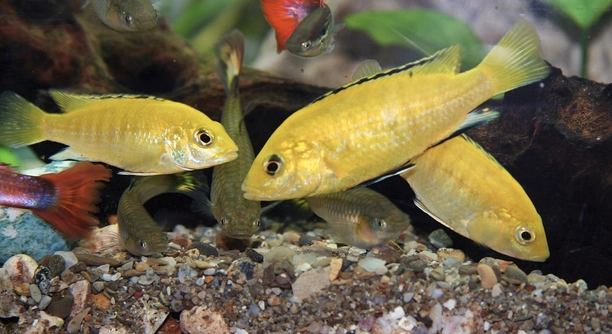
Do you ever wonder if breeding electric yellow cichlids is as simple as it seems in aquarium guides? Many hobbyists quickly discover that popular advice is often misleading or incomplete in practice.
Several common beliefs about electric yellow cichlid breeding are based on misconceptions. Factors like water conditions, pairing behavior, and feeding strategies are often oversimplified. Addressing these myths requires careful observation and evidence-based approaches to improve breeding success reliably.
Understanding these myths can help prevent frustration and improve outcomes for both beginner and experienced fish keepers. Clear guidance ensures a healthier environment and happier cichlids.
Myth 1: Electric Yellow Cichlids Breed Easily in Any Tank
Many guides say electric yellow cichlids will breed quickly in any aquarium. This is not entirely true. While they are more adaptable than some cichlids, breeding requires specific conditions. Water temperature, pH, and hardness play a key role. A tank that seems fine for daily swimming may not trigger mating behavior. Even small changes in water chemistry can delay or prevent spawning. Pairing is also critical. Not every male and female will accept each other immediately. Observation is necessary to see which fish show interest and compatibility. Proper hiding spots and gentle lighting help reduce stress, which encourages natural behavior. Diet matters as well—nutrient-rich foods boost fertility. Mistakes in any of these areas can lead to failed breeding attempts. Many beginners assume aggression is bad, but mild territorial behavior is normal during pairing and can actually help stimulate spawning.
Proper tank conditions and compatible pairings are essential for electric yellow cichlid breeding. Factors like water quality, diet, and stress reduction significantly influence success.
Breeding success is rarely instant. Taking time to observe fish interactions and adjust conditions leads to better results. Patience is key.
Myth 2: Only Large Tanks Produce Fry
Many believe that a bigger tank guarantees more fry. Tank size matters, but it is not the only factor influencing offspring survival.
Even in small tanks, cichlids can spawn successfully if water conditions are stable and hiding spaces are adequate. Overcrowding reduces survival, but careful management of space and population can allow smaller setups to work. Fry need gentle water flow and safe areas to hide from aggressive adults. Temperature stability and frequent monitoring of water parameters prevent stress that can harm eggs or fry. Feeding live or high-quality frozen foods improves fry health and growth. Experienced keepers often see better results in smaller, well-managed tanks than in large, poorly maintained aquariums. Tank decorations like rocks and caves provide security, which encourages natural spawning behavior. Observing parents’ interactions with eggs and fry can inform adjustments. Many beginners assume only large setups will work, but attention to environment and care is far more important than sheer tank volume. Proper planning ensures fry thrive without excessive space.
Myth 3: Fry Can Eat Anything
Fry are delicate and cannot eat all foods. They need small, protein-rich options that are easy to digest. Feeding the wrong food can harm growth and health.
High-quality baby brine shrimp, finely crushed flakes, or specialized fry food are best for young electric yellow cichlids. Overfeeding or using large pellets can cause digestive issues or water pollution, which quickly stresses fry. It’s important to feed small amounts multiple times a day. Observing the fry helps adjust portions and prevent uneaten food from decomposing. Fry also require clean, stable water to process nutrients properly, so frequent water checks and partial changes are necessary. Even if adult cichlids thrive on varied diets, the fry’s needs are stricter. Adapting feeding routines and maintaining water quality can significantly improve growth rates and reduce mortality during the first critical weeks.
Consistency in feeding and water care helps fry grow strong and healthy. Small, frequent meals work best.
Myth 4: Breeding Can Be Done Anytime
Electric yellow cichlids do not spawn at random. They respond to stable conditions and slight environmental changes. Stress or sudden shifts prevent breeding.
Seasonal patterns, temperature adjustments, and slight increases in feeding can trigger natural breeding behavior. Fish often need time to adjust to new pairings or tank setups before spawning. Sudden tank changes, aggressive tankmates, or poor water quality can delay or stop breeding completely. Maintaining consistency in lighting, water chemistry, and diet improves readiness. Providing proper hiding spaces and a calm environment encourages pairing behavior. While some breeders attempt continuous breeding cycles, success rates drop without careful observation. Timing matters, and understanding the fish’s natural rhythms and cues increases the likelihood of successful spawning. Planning around their natural tendencies allows breeders to prepare the tank, monitor interactions, and ensure the best conditions for fry survival.
Myth 5: Males Always Lead the Spawning
Males do not always control breeding. Females play an active role in selecting sites and accepting mates. Their readiness and comfort influence spawning success.
Even with a dominant male, breeding may fail if the female is stressed or uninterested. Observing female behavior is key.
Myth 6: Water Changes Are Not Important
Stable water is critical. Regular, moderate water changes maintain quality and reduce stress that can inhibit breeding.
Without proper water maintenance, ammonia and nitrite levels rise quickly, harming eggs and fry. Even minor fluctuations can prevent females from laying eggs. Clean, balanced water supports strong fry growth and encourages repeated spawning cycles, making routine changes a non-negotiable part of successful breeding.
Myth 7: Pairing is Simple
Pairing requires patience. Not all fish will accept each other immediately. Careful observation and gradual introduction improve compatibility.
Aggression and dominance displays are normal during pairing. Allowing natural selection helps ensure strong, healthy fry.
FAQ
How do I know if my electric yellow cichlids are ready to breed?
Signs of readiness include increased color intensity, territorial behavior, and frequent cleaning of surfaces in the tank. Females may dig small pits or move substrate around, while males display flaring fins and chase rivals. Both sexes may become more active and attentive to each other. These behaviors indicate they are preparing for spawning, but it is important to ensure water conditions are stable. Temperature, pH, and hardness should be within optimal ranges. If these environmental factors are off, the fish may show readiness but fail to spawn. Observing interactions over several days helps determine true compatibility and readiness for breeding.
What is the best diet to encourage breeding?
A high-protein, nutrient-rich diet promotes fertility in electric yellow cichlids. Live foods like brine shrimp, bloodworms, and daphnia are excellent for stimulating reproductive behavior. High-quality frozen or prepared foods with a good balance of protein, vitamins, and minerals also work well. Feeding multiple small meals per day keeps fish healthy and energized, which increases their interest in breeding. Avoid overfeeding or low-quality flakes, as poor nutrition can reduce egg production or cause health issues in adults. Supplements like spirulina or vitamin-enriched foods can further improve breeding readiness and support fry development once spawning occurs.
How do I introduce a male and female without causing stress?
Introduce the pair gradually using a divider in the tank. Allow them to see and smell each other for several days before full contact. Watch for signs of aggression beyond normal territorial displays. If fighting becomes severe, separate and try different pairings. Providing hiding spots and visual barriers helps reduce stress during introduction. Observe behavior carefully—sometimes the pair needs several days to adjust before spawning begins. Avoid sudden changes in lighting or water during this period, as stress can prevent mating. Patience and careful observation increase the chances of a successful, peaceful pairing.
Can fry survive in a tank with other fish?
Fry are vulnerable to adults, even their own parents, in community setups. Other fish may eat eggs or small fry. Using a separate breeding tank or partition within the main tank is safest. Fry need calm water, gentle filtration, and plenty of hiding spaces. Frequent observation and selective removal of aggressive adults help increase survival rates. Once fry are larger and stronger, they can be gradually introduced to community tanks. Ensuring safe spaces during the early weeks is essential, as even small disturbances can lead to high mortality.
How long does it take for eggs to hatch?
Electric yellow cichlid eggs usually hatch in three to five days, depending on water temperature and quality. Higher temperatures within the ideal range can speed hatching slightly, while cooler conditions slow development. During this period, parents may guard the eggs closely. Maintaining stable water parameters is critical, as fluctuations can cause eggs to become fungus-infected or fail entirely. After hatching, fry remain attached to the substrate for a few more days, absorbing yolk sacs before swimming freely. Observing hatching closely allows for early interventions if water conditions or parental care become inadequate.
What should I feed fry immediately after hatching?
Fry first rely on their yolk sacs for nutrition, typically for two to three days. Once absorbed, tiny live foods like baby brine shrimp or finely crushed flake foods are ideal. Feed small amounts multiple times a day to prevent overfeeding and water pollution. Freshwater micro worms or specially formulated fry foods can supplement nutrition. Clean water is crucial to prevent disease and support growth. Gradually increasing food size as fry grow ensures proper development. Observing feeding behavior helps adjust portions and prevent uneaten food from decaying, which could harm young fry.
Is it normal for parents to eat some of their fry?
Yes, some parents may consume a few fry, especially if stressed, inexperienced, or if water conditions are poor. This behavior is natural and does not always indicate a problem with the fish. Providing ample hiding spaces and maintaining excellent water quality reduces this risk. Experienced pairs often recognize and care for the majority of their fry. Monitoring parental behavior and removing fry to a separate tank if aggression occurs can improve survival rates. Small losses are common and should not discourage breeders, as most healthy fry survive with proper care.
How often should I change water in a breeding tank?
Moderate, frequent water changes are important during breeding. Changing about 10-20% every two to three days keeps ammonia and nitrite levels low and ensures healthy conditions for eggs and fry. Avoid large, sudden changes that could shock fish. Consistent maintenance reduces stress, improves survival rates, and encourages repeat spawning cycles. Monitoring water parameters before and after changes ensures the environment remains stable. For fry tanks, slightly more frequent changes may be needed to prevent rapid pollution from uneaten food and waste. Proper water management is critical for both adult health and fry growth.
Can I breed electric yellow cichlids in a planted tank?
Yes, but plants must not interfere with egg-laying or fry access to safe spaces. Hardy plants can provide shelter for fry, reducing aggression from adults. Floating plants or dense vegetation helps diffuse light and reduce stress. Avoid delicate plants that could be uprooted by digging parents. Proper plant placement also allows fish to maintain territories and spawn naturally. Plants contribute to water quality, absorbing some nutrients and stabilizing the environment. Choosing the right plant types and positioning helps balance aesthetics, natural behavior, and fry protection. Planting carefully supports both breeding and general tank health.
What is the best way to handle aggressive behavior during breeding?
Aggression is normal but should be managed to prevent injury. Provide caves, rocks, and visual barriers to allow fish to establish territories without constant contact. Separate overly aggressive individuals if necessary. Observe interactions to distinguish normal courtship displays from dangerous fighting. Maintaining stable water conditions, proper feeding, and adequate space reduces unnecessary aggression. Intervening only when harm is likely ensures natural breeding behaviors continue. Over time, compatible pairs often establish clear roles, and aggression decreases once eggs are laid. Structured management prevents stress while supporting successful breeding.
Breeding electric yellow cichlids can be challenging, but understanding the common myths makes the process much more manageable. Many beginners assume these fish will breed easily in any tank, but success depends on careful preparation. Water quality, tank size, diet, and compatibility between male and female all play a key role. Stable water conditions and proper temperature help trigger natural spawning behavior, while providing hiding spots and gentle lighting reduces stress. Observing the fish’s interactions is important, because not every pair will accept each other immediately. Taking the time to understand these needs can prevent frustration and improve results, ensuring healthier fish and stronger fry.
Diet is another crucial factor in successful breeding. Adult electric yellow cichlids need high-protein, nutrient-rich foods to encourage spawning. Live or frozen foods like brine shrimp, bloodworms, and specialized pellets support fertility and overall health. Fry require smaller, easily digestible foods once they absorb their yolk sacs. Overfeeding or offering the wrong type of food can harm growth and water quality, so careful feeding schedules are necessary. Watching feeding behavior helps determine the right portion sizes, and maintaining clean water prevents health problems. Even small adjustments in diet can have a big impact on breeding success and fry survival, making nutrition one of the most important elements to consider.
Patience and careful observation are essential throughout the breeding process. Not all behavior is immediate, and some aggression between a pair is natural. Understanding when to intervene and when to let the fish handle interactions ensures the adults and fry remain healthy. Regular water changes, proper tank setup, and attention to signs of readiness or stress help maintain a safe environment for spawning. Even if some eggs or fry are lost, this is normal and does not mean breeding efforts have failed. By focusing on stable conditions, proper diet, and careful pairing, breeders can increase their chances of success. Consistent care and observation allow electric yellow cichlids to thrive, producing healthy offspring and creating a rewarding experience for anyone keeping them.

Hello,
If you enjoy the content that we create, please consider saying a "Thank You!" by leaving a tip.
Every little bit helps us continue crafting quality advice that supports the health, happiness, and well-being of pets around the world, for pets of all shapes, sizes, and species.
We really appreciate the kindness and support that you show us!