
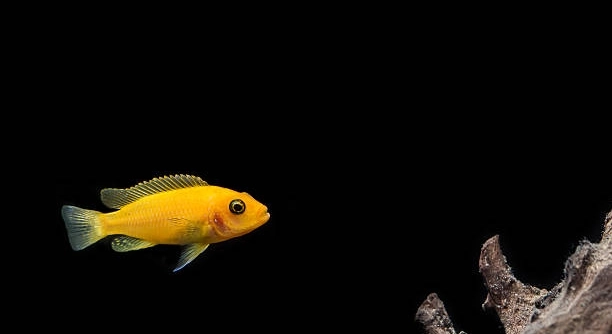
Do your electric yellow cichlids often stay in one spot, barely moving around their tank? Watching these vibrant fish stay hidden can be frustrating, especially when you want to enjoy their lively colors and curious behaviors.
Encouraging electric yellow cichlids to explore involves creating a stimulating environment with varied hiding spots, open swimming areas, and occasional changes to their surroundings. These measures promote natural curiosity and movement, contributing to healthier and more active fish.
Implementing these strategies can make your aquarium more engaging, while supporting your cichlids’ overall well-being and natural tendencies to explore.
Rearrange the Tank Layout
Changing the arrangement of decorations and rocks can spark curiosity in electric yellow cichlids. Move hiding spots, caves, and plants around to create new paths for swimming. The novelty encourages them to leave their usual resting places and investigate other areas of the tank. Be careful to maintain stability, so decorations do not collapse and harm the fish. Providing both open swimming areas and tight hiding spaces balances security and exploration, helping the cichlids feel comfortable while being active. Regularly adjusting the layout every few weeks keeps the environment stimulating, reducing boredom. Observing their reactions can guide further adjustments, as some fish may prefer certain areas over others. Incorporating smooth surfaces and different textures also adds interest. Lighting changes, such as dimming or highlighting sections, can enhance visual cues, prompting movement. Creating vertical spaces with taller decorations allows fish to explore layers. The tank should remain safe, but small changes can significantly increase their activity and curiosity.
Rearranging items encourages natural behaviors, making the tank more dynamic and supporting the cichlids’ well-being over time.
Even subtle shifts in the tank’s layout can transform inactive fish into explorers. By introducing new paths, hiding spots, and textures, cichlids gradually become more confident navigating their environment. Balancing safety with stimulation ensures stress-free exploration, while light adjustments and vertical spaces create added visual interest. Observing which areas attract attention allows targeted improvements, fostering a more engaging habitat. Over time, these changes can enhance their physical activity, strengthen muscles, and encourage social interactions. Regularly updating the tank prevents monotony, promoting curiosity and reducing lethargy. With consistent attention, electric yellow cichlids become noticeably livelier, revealing behaviors that are often missed in static settings.
Introduce Interactive Feeding
Using feeding techniques that stimulate movement can make electric yellow cichlids more active.
Offering food in different locations or using sinking pellets encourages fish to swim across the tank. Spacing feeding points forces them to leave safe spots, promoting exercise. Rotating food types adds variety, while occasional floating foods create surface activity. Feeding at varying times prevents predictability, maintaining engagement. Incorporating live or frozen foods can further stimulate natural hunting instincts. This method strengthens their muscles and keeps them mentally sharp. Feeding tools, like tongs or feeding rings, help control placement. Careful observation ensures all fish receive adequate portions without aggression. Over time, these small adjustments create a more interactive feeding routine that fosters exploration.
Consistently rotating feeding locations, varying food types, and introducing occasional live treats keeps cichlids active and mentally engaged, enhancing their overall health and natural behaviors. This approach encourages swimming, reduces stress, and prevents stagnation, creating a livelier and more balanced tank environment.
Add Hiding Spots
Providing additional hiding spots gives electric yellow cichlids confidence to explore. Rocks, caves, and dense plants allow them to feel secure while moving around. Strategic placement encourages swimming between areas and keeps them active, reducing stress and promoting natural behaviors.
Extra hiding spaces make the tank more engaging for cichlids. By positioning caves, tunnels, and dense plant clusters in different areas, fish gain safe zones while exploring. This reduces territorial conflicts and encourages movement, as they swim from one spot to another. Using smooth rocks and varied textures adds tactile interest, while partially covered areas offer refuge from bright lighting. Regularly adjusting or adding new spots prevents boredom and maintains curiosity. The presence of multiple layers in the tank, from bottom hiding spots to mid-level caves, promotes vertical exploration. Observing how cichlids utilize these spaces can inform future placement, ensuring both comfort and activity. Over time, the fish show increased confidence, swimming freely while retreating when necessary.
Incorporating hiding spots also improves social dynamics within the tank. Fish can establish territories without constant confrontation, reducing aggression. Cichlids feel more secure exploring open spaces when safe retreats are available. Dense plants and small caves provide privacy while allowing visual access to surroundings, encouraging natural investigation. Adjusting the placement periodically introduces novelty, which keeps them mentally stimulated. Multiple layers and textures create an enriched environment, supporting both physical and psychological health. As a result, electric yellow cichlids exhibit more frequent movement, balanced interactions, and a calmer demeanor.
Use Plants for Exploration
Live and artificial plants create interest and movement cues in the tank. Dense areas and varying heights encourage cichlids to swim around, investigate, and navigate through foliage.
Plants serve as both decoration and functional enrichment. Electric yellow cichlids enjoy weaving through leaves, hiding behind tall stems, and exploring shaded spots. Tall plants create vertical layers, while short clusters provide low-level cover. Different textures, like broad leaves versus fine fronds, add tactile stimulation. Placing plants strategically can direct swimming patterns and reduce idle time. Floating plants offer shade and subtle surface movement, prompting interaction below. Rotating plant positions or introducing new species maintains novelty. Healthy plants also improve water quality, benefiting fish well-being. Observing fish behavior around plants can guide adjustments, ensuring engagement. Regular maintenance prevents overcrowding and keeps plants thriving, supporting continuous exploration.
Introduce Tank Decorations
Adding decorations like rocks, driftwood, and ceramic structures encourages electric yellow cichlids to explore. These items create visual interest and paths for swimming, giving the fish new areas to investigate while keeping them active.
Strategically placing decorations allows cichlids to navigate through obstacles and explore vertical and horizontal spaces. Changing positions occasionally maintains curiosity and prevents boredom.
Provide Open Swimming Areas
Clear spaces in the tank allow cichlids to swim freely without obstruction. Open areas complement hiding spots, giving fish balance between safety and exploration. This encourages movement, reduces stress, and supports natural swimming behaviors.
Use Light and Shadow
Varying light intensity and creating shaded zones stimulates activity. Fish respond to changes by moving between bright and dark areas, exploring the tank environment more actively.
Encourage Social Interaction
Electric yellow cichlids are naturally social. Introducing compatible tank mates and observing interactions motivates swimming and exploration, while helping maintain a lively, dynamic environment.
FAQ
How often should I rearrange the tank for my electric yellow cichlids?
Rearranging the tank every few weeks keeps the environment stimulating without stressing the fish. Small, gradual changes work best. Move rocks, caves, and plants carefully to avoid sudden disturbances. Observation will show which areas the fish prefer and which need adjustment.
Can I use artificial plants instead of live plants?
Yes, artificial plants are safe and provide hiding spots and visual barriers. Use varied shapes and sizes to encourage exploration. Smooth edges prevent injury. Combining artificial and live plants can create both enrichment and natural benefits like water filtration.
Will too many decorations limit swimming space?
Yes, overcrowding can restrict movement and increase stress. Balance open swimming areas with hiding spots. Ensure pathways are wide enough for fish to swim freely. Monitor behavior to ensure all fish can access both open spaces and shelters comfortably.
Are sinking pellets better than floating food for active cichlids?
Sinking pellets encourage bottom and mid-level swimming, while floating foods promote surface exploration. Rotating both types keeps cichlids active and engaged. Offering live or frozen foods occasionally also stimulates natural hunting behavior, adding mental and physical enrichment.
Do electric yellow cichlids need tank mates to explore more?
Compatible tank mates can encourage social interaction, prompting movement and exploration. Avoid aggressive species. Observing how your cichlids respond helps determine the right number and type of companions. Social dynamics often stimulate curiosity and activity naturally.
Can lighting changes really affect exploration?
Yes, alternating bright and dim areas creates visual interest and cues for movement. Shaded zones encourage fish to explore while providing safe retreats. Using adjustable lighting or floating plants helps create these variations without stressing the fish.
How do I know if my cichlids are stressed by changes?
Signs of stress include hiding excessively, loss of appetite, or erratic swimming. Introduce changes gradually and observe behavior. Stress can be reduced by keeping some familiar areas and maintaining water quality.
Is it necessary to rotate decorations or hiding spots frequently?
Rotation prevents monotony and promotes curiosity. Small changes every few weeks are sufficient. Avoid moving everything at once, which can cause stress. Focus on areas that seem less visited to encourage exploration.
Can adding vertical layers improve activity?
Yes, tall plants, rocks, and stacked caves create vertical space, allowing fish to swim at different levels. Vertical layers provide both shelter and exploration opportunities, enhancing natural behaviors and reducing idle time.
What are simple ways to make feeding more interactive?
Distribute food in different areas, use sinking and floating options, and occasionally offer live or frozen foods. This encourages swimming, reduces boredom, and promotes natural hunting instincts. Observing which areas attract the most attention can guide future feeding strategies.
How do I maintain a balance between hiding spots and open swimming areas?
Provide secure retreats while leaving clear pathways. A mix of caves, plants, and open spaces ensures safety and freedom. Monitor fish behavior to make sure all areas are accessible and no fish is isolated or stressed.
Are there risks to over-stimulating electric yellow cichlids?
Too many sudden changes or overly complex layouts can stress the fish. Gradual adjustments, safe decorations, and monitoring behavior prevent overstimulation. The goal is to encourage activity while maintaining a comfortable, secure environment.
Can tank size influence exploration behavior?
Yes, larger tanks provide more space for swimming, multiple hiding spots, and open areas. Small tanks can limit movement, so enrichment must be carefully balanced. Adequate space reduces territorial disputes and promotes active exploration.
Do all electric yellow cichlids respond the same way to enrichment?
No, individual temperament matters. Some are naturally more curious, while others are shy. Observing each fish allows tailored adjustments. Over time, even shy cichlids can be encouraged to explore with gradual environmental changes.
How important is water quality for exploration?
High water quality is essential. Poor conditions can reduce activity and increase stress. Regular maintenance, proper filtration, and monitoring of pH and temperature support health and encourage natural exploratory behaviors.
Can rearranging decorations improve social interactions?
Yes, creating multiple territories and pathways reduces conflict while allowing fish to interact. Proper placement of hiding spots encourages exploration while maintaining a peaceful community dynamic.
Are there specific types of decorations electric yellow cichlids prefer?
They enjoy smooth rocks, caves, driftwood, and plants that allow swimming through or around them. Avoid sharp edges. Variety in size, shape, and texture keeps them curious and encourages continuous exploration.
Does adding floating plants help activity?
Floating plants create shade and subtle movement on the surface, prompting fish to explore below. They also add visual variety and reduce stress, enhancing comfort while stimulating curiosity.
How do I measure if my cichlids are exploring enough?
Observe swimming patterns, use time spent in different areas, and note interactions with decorations and plants. Frequent movement, investigation of hiding spots, and engagement with food indicate healthy exploration.
Can gradual introduction of new items reduce stress?
Yes, adding one decoration or plant at a time allows fish to adapt without overwhelming them. Gradual changes maintain curiosity while keeping the tank environment secure and familiar.
Is there a benefit to seasonal or occasional changes in the tank?
Occasional adjustments refresh the environment, mimicking natural variation. Seasonal changes in plant placement, decoration style, or feeding routine maintain interest and prevent stagnation, supporting consistent activity and mental stimulation.
Can observing behavior guide future enrichment choices?
Absolutely. Noting which areas fish frequent, how they interact with hiding spots, and their response to new items informs better placement and enrichment strategies. Tailoring changes ensures ongoing engagement and well-being.
Are certain textures or materials better for encouraging exploration?
Smooth rocks, varied plant leaves, and driftwood offer tactile and visual interest. Avoid sharp or rough edges. Multiple textures encourage investigation and support natural behaviors, keeping cichlids engaged in their environment.
Does feeding schedule affect exploration?
Yes, varying feeding times prevents predictability and encourages activity. Fish swim to find food, exploring different areas. Combining this with rotation of food types increases mental stimulation and promotes balanced movement throughout the tank.
How long does it take to see increased activity after changes?
Some changes show immediate results, like new hiding spots or feeding locations. Other adjustments, such as plant rotations or decoration additions, may take days to weeks as fish gradually become comfortable exploring new areas. Regular observation ensures effectiveness.
Can enrichment reduce aggressive behavior?
Yes, providing multiple hiding spots, open swimming spaces, and visual barriers reduces territorial stress. Active engagement keeps fish occupied, lowering aggression while supporting natural exploration and social interaction.
Are there signs my cichlids enjoy exploring?
Frequent swimming, investigating new areas, interacting with decorations, and balanced social behavior indicate engagement. Confident movement between open and hidden spaces reflects comfort and curiosity, showing the enrichment is effective.
How do I balance enrichment with maintenance?
Choose safe, easy-to-clean decorations, and plan for regular adjustments. Maintaining water quality and ensuring items are stable allows enrichment without adding unnecessary stress or complicating tank care.
Do electric yellow cichlids need different enrichment as they age?
Yes, younger fish may explore more actively, while older fish prefer stable hiding spots and moderate changes. Observing behavior helps adjust enrichment to match activity levels and comfort.
Can enrichment affect breeding behavior?
Yes, creating secure hiding spots, open areas, and layered decorations supports natural mating behaviors. A well-stimulated, low-stress environment encourages exploration, pairing, and territory establishment for breeding.
How do I prevent boredom in a small tank?
Rotate decorations, vary feeding methods, and add new textures regularly. Even small tanks can be engaging if open areas, hiding spots, and enrichment are balanced. Observing fish ensures all areas are utilized effectively.
Does water flow influence exploration?
Moderate currents encourage swimming without overwhelming the fish. Position filters or pumps to create gentle circulation. This provides physical activity while mimicking natural conditions and promoting environmental exploration.
Are there risks to frequent rearrangement?
Too frequent or drastic changes can stress fish. Gradual, small adjustments maintain curiosity without causing discomfort. Observe reactions and keep some familiar areas stable to support confidence while exploring.
Can enrichment improve overall health?
Yes, active exploration strengthens muscles, reduces stress, and promotes natural behaviors. Mental stimulation through varied environments supports well-being, helping electric yellow cichlids remain vibrant and healthy in their tank.
What is the simplest way to start encouraging exploration?
Begin with one or two hiding spots and clear open areas. Introduce a plant or decoration gradually and rotate feeding locations. Observe behavior, then slowly add complexity to maintain engagement.
Final Thoughts
Electric yellow cichlids are naturally curious fish, and creating an environment that encourages exploration is essential for their health and happiness. Providing a balance of hiding spots, open swimming areas, and varied decorations helps them feel secure while motivating them to move around the tank. Small adjustments, such as rearranging rocks, adding caves, or introducing plants, can make a noticeable difference in their activity levels. Over time, these changes not only prevent boredom but also allow the fish to express their natural behaviors, which contributes to overall well-being. Observation is key. By watching how your cichlids interact with their environment, you can determine which areas they prefer and which require modification. Some fish may be more cautious, while others are naturally bold and will explore immediately. Catering to both personality types ensures that all fish in the tank benefit from the changes, making the aquarium a dynamic and balanced space.
Maintaining water quality is just as important as enrichment when encouraging exploration. Clean, stable water supports physical health, reduces stress, and allows fish to engage with their surroundings confidently. Temperature, pH, and proper filtration must be monitored consistently, as even minor fluctuations can impact activity levels. Feeding practices also play a significant role in stimulation. Rotating between sinking and floating foods, occasionally offering live or frozen options, and varying feeding locations encourages swimming and investigation. These methods mimic natural behaviors and keep the cichlids mentally engaged. In combination with structural enrichment, such as plants, rocks, and caves, a well-maintained environment promotes a healthier, more active, and socially interactive tank. Over time, fish become more confident in exploring both familiar and newly introduced areas, demonstrating increased curiosity and engagement with their surroundings.
The process of encouraging electric yellow cichlids to explore is gradual and requires consistent attention. Small, thoughtful changes produce better results than sudden, extensive alterations that may stress the fish. By providing layers of enrichment, including vertical spaces, textured surfaces, and varied hiding spots, the fish gain opportunities to investigate and interact. Social dynamics also play a part, as compatible tank mates can encourage natural movement and exploration without creating unnecessary aggression. Regular observation allows adjustments to be made based on individual behavior, ensuring all fish remain active and comfortable. Combining structural enrichment, interactive feeding, appropriate tank size, and good water quality creates a balanced and stimulating environment. In such a setup, electric yellow cichlids thrive, displaying their vibrant colors and lively personalities, and ultimately, a thoughtfully designed tank leads to healthier, more confident, and more active fish.

Hello,
If you enjoy the content that we create, please consider saying a "Thank You!" by leaving a tip.
Every little bit helps us continue crafting quality advice that supports the health, happiness, and well-being of pets around the world, for pets of all shapes, sizes, and species.
We really appreciate the kindness and support that you show us!