
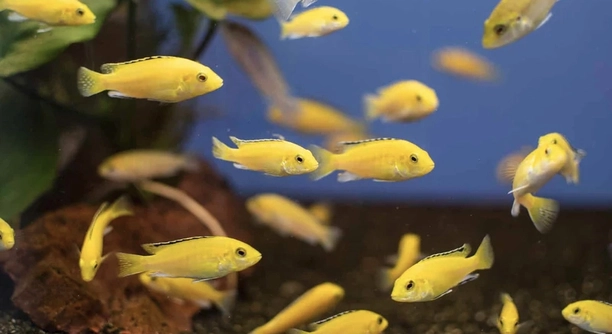
Electric Yellow Cichlids are vibrant fish that brighten any freshwater aquarium. Observing their behavior can be fascinating, especially when they begin forming pairs and showing signs of reproduction, adding a dynamic layer to their daily interactions.
Mating in Electric Yellow Cichlids is indicated by distinct behaviors such as territory establishment, increased coloration, fin flaring, nest digging, and synchronized swimming. These actions signal readiness to spawn and are critical markers for identifying reproductive activity in the species.
Recognizing these signs helps you support a healthy breeding environment and enhances your understanding of their natural behaviors in the aquarium. Observing them closely reveals more than just their bright colors.
Recognizing Early Courtship Behaviors
In my experience, the first signs of mating usually appear in small, subtle behaviors. Electric Yellow Cichlids may begin establishing small territories within the tank, often choosing a favorite corner or rock. Males tend to display slightly brighter coloration, which is a clear visual cue. They may start fin-flaring or shaking gently near a potential mate. This is not aggressive but part of the bonding process. You might notice the pair swimming together more closely than usual or mirroring each other’s movements. Nest preparation is also common, with fish moving small stones or clearing flat surfaces. Even small digging motions can indicate readiness to spawn. These behaviors are consistent across most healthy adult cichlids and observing them carefully helps you understand their interactions. Over time, these early signals become easier to identify, especially once the pair becomes more synchronized and territorial. Attention to these details gives you insight into their mating patterns and tank dynamics.
Early courtship helps you anticipate breeding and provides a healthier environment for your cichlids.
Watching these behaviors, I often notice the way the pair coordinates movements. They circle, flare, and even clean a flat surface together. These patterns indicate strong bonding and readiness to spawn. Monitoring these details ensures the tank environment is suitable, with stable water conditions, proper hiding spots, and minimal stress.
Nest Building and Egg Laying
Nest building is often straightforward to spot in Electric Yellow Cichlids.
Once a pair begins preparing a nest, they clear a flat rock or dig a shallow depression in the substrate. Males may guard the area aggressively while the female tests the spot. Egg laying typically follows shortly after nest preparation. The female deposits eggs carefully while the male hovers nearby, fanning water to keep them clean. In my observations, successful pairs repeat this process several times. Proper nutrition and a calm environment significantly increase the chances of successful spawning. It’s important to maintain water quality, as eggs are sensitive to sudden changes. Once the eggs are laid, the parents continue guarding the nest, ensuring that no other fish disturb it. Over time, the fry hatch and remain under parental protection for several weeks. Providing hiding spaces and consistent feeding supports both adult fish and developing fry. Monitoring these stages allows for better understanding and care of breeding Electric Yellow Cichlids.
Increased Aggression Between Pairs
Aggression often appears once a pair starts bonding. Males may chase other tank mates or flare fins at intruders. This behavior is natural and signals territorial defense as they prepare for spawning.
I have noticed that aggression peaks around nesting areas. Males defend the space vigorously, and females may join in minor disputes. This behavior ensures the nest remains safe from other fish. During this period, tank decoration can influence aggression levels; hiding spots reduce stress and provide escape routes. Careful observation is key, as excessive aggression could indicate overcrowding or stress. It is important to separate overly aggressive individuals temporarily, if necessary, to prevent injury. Monitoring feeding and maintaining clean water also helps keep tensions manageable. Over time, aggression stabilizes once eggs are laid and parental duties begin.
Aggression between a mating pair can be a normal part of their reproductive cycle, and managing tank conditions reduces risk to other fish.
Color Changes and Display Patterns
Electric Yellow Cichlids often show brighter coloration during mating. Males intensify yellow hues, while females may darken slightly to signal readiness.
In my experience, these color changes are subtle at first and become more pronounced as mating approaches. Enhanced coloration helps attract a mate and indicates health and vitality. Display patterns such as fin spreading and body tilting accompany these changes, emphasizing dominance and interest. Observing these behaviors closely reveals which fish are actively courting. Lighting and tank background can affect how vivid these displays appear, so consistent conditions help in monitoring. Color intensity often correlates with breeding readiness, allowing for accurate anticipation of spawning.
These color and display changes are reliable visual cues, showing which cichlids are preparing to breed and highlighting their natural behaviors.
Tail Chasing and Courtship Circles
Tail chasing is a common behavior during courtship. One fish follows the other in tight circles, often near the nest. This helps strengthen pair bonding and signals readiness for spawning.
These circling movements are repeated several times daily. Both fish remain close, coordinating movements and reinforcing their connection.
Feeding Behavior Changes
Mating pairs often reduce their food intake near spawning. Females may eat less as energy focuses on egg development, while males stay vigilant near the nest. Observing this change helps identify reproductive readiness.
Fanning and Nest Maintenance
Parents fan eggs or fry continuously. This ensures proper oxygenation and prevents fungus from forming on eggs. Maintaining this behavior indicates active care and strong parental investment.
Increased Cleaning and Surface Preparation
Pairs spend more time cleaning rocks, substrate, and nest surfaces. This meticulous behavior is crucial for successful spawning and egg protection.
FAQ
How can I tell when Electric Yellow Cichlids are ready to mate?
You can identify readiness through specific behaviors and physical changes. Males often display brighter coloration, flare their fins, and establish a territory. Females may darken slightly and spend more time near the chosen nesting area. Both fish engage in circling or tail-chasing behaviors. Watching how they interact with each other, including synchronized swimming and nest cleaning, is a strong indication of mating readiness. Changes in aggression toward other tank mates and more frequent nest preparation are also reliable signs.
Why do Electric Yellow Cichlids become more aggressive during mating?
Aggression is natural and tied to territory defense. Males guard nesting areas to protect eggs and fry. Females may also participate in minor disputes to ensure the nest is safe. This behavior prevents other fish from interfering and increases survival chances for offspring. Excessive aggression could indicate overcrowding, so tank space and hiding spots are essential to reduce stress while allowing natural mating behaviors to continue.
What is the significance of color changes in mating pairs?
Color changes signal reproductive readiness. Brighter yellow in males indicates health, dominance, and attraction to the female. Slight darkening in females signals readiness to lay eggs. Display patterns, including fin spreading and body tilting, accompany these changes and reinforce pair bonding. Observing these cues allows you to monitor mating progress and ensure the environment remains supportive of their needs.
How long do Electric Yellow Cichlids stay in mating behavior?
Mating behaviors can last for several days to weeks. Nest building, courtship circles, and territory defense continue until spawning is complete. After eggs are laid, parental behaviors, such as fanning and guarding, maintain their intensity until fry become independent. Monitoring these stages ensures proper care for both adults and offspring.
Do I need to separate other fish during mating?
Separation isn’t always required, but other fish can provoke aggression. Providing hiding spaces and sufficient tank size reduces conflict. Some keepers temporarily isolate the pair if aggression becomes harmful. Observing interactions allows you to determine whether intervention is necessary. The goal is to maintain natural behaviors without risking injury to any fish.
What role does nest cleaning play in successful breeding?
Nest cleaning is vital. Both male and female remove debris, algae, and potential fungus threats. Fanning eggs or fry ensures proper oxygenation. Active cleaning reflects parental investment and increases the likelihood of survival. Neglecting water quality or tank maintenance can disrupt this process and harm eggs.
How do feeding habits change during mating?
Females may eat less as energy focuses on egg development. Males remain near the nest, sometimes showing reduced feeding. Offering nutritious food supports reproductive health but respecting these temporary changes avoids stress. Observing feeding patterns helps track reproductive progress.
Can Electric Yellow Cichlids mate more than once in a season?
Yes, healthy pairs often spawn multiple times. Observing courtship behaviors, nest preparation, and parental care can help anticipate additional breeding cycles. Providing consistent water quality, nutrition, and space supports repeated mating events.
What signs indicate successful egg fertilization?
Fertilized eggs remain clean, slightly sticky, and often have a pale yellow tint. Parents continue fanning and guarding. Unfertilized eggs may turn white or develop fungus. Monitoring egg appearance and parental activity ensures you can intervene if necessary to maintain optimal conditions.
How can I reduce stress during the mating process?
Stable water parameters, minimal disturbances, and proper tank layout are crucial. Avoid rearranging decorations or introducing aggressive fish during courtship. Quiet observation allows natural behaviors to continue and increases the likelihood of successful spawning.
What should I do if aggression becomes extreme?
Temporarily separating aggressive individuals or adding visual barriers can reduce conflict. Ensuring enough hiding spots and monitoring interactions helps maintain a safe environment while preserving natural mating behaviors. Managing stress supports healthy breeding and long-term fish welfare.
How long do parents guard fry?
Parental guarding continues for several weeks. Fanning, chasing intruders, and keeping fry together are common behaviors. Observing these actions helps determine when fry are ready for independent feeding and movement. Providing appropriate hiding areas and consistent feeding ensures survival and healthy development.
Are there differences in behavior between first-time breeders and experienced pairs?
Experienced pairs often show more coordinated courtship and efficient nest building. First-time breeders may display hesitation or inconsistent behaviors. Observing patterns over time helps you understand the maturity and readiness of your cichlids, improving care and breeding outcomes.
Do environmental factors affect mating success?
Yes, temperature, water quality, tank size, and decorations all influence mating behaviors. Consistent conditions reduce stress and encourage natural courtship, nest building, and egg-laying. Monitoring these factors ensures that the pair can focus on reproductive behaviors without unnecessary distractions.
How can I encourage a natural mating environment?
Provide flat rocks, sandy substrate, hiding places, and stable water parameters. Balanced nutrition and minimal disturbances allow fish to engage in natural courtship and nesting behaviors. Observing interactions over time helps identify when they are ready to mate and ensures the process is successful.
Final Thoughts
Observing Electric Yellow Cichlids during mating can be both fascinating and informative. Their behaviors, from subtle color changes to clear nest preparation, provide insight into their natural instincts and reproductive cycles. Paying attention to these signs helps you better understand their needs and ensures a healthier aquarium environment. Courtship behaviors such as tail chasing, fin flaring, and synchronized swimming are not random—they reflect a strong pair bond and readiness to reproduce. Even small actions like cleaning a flat rock or fanning eggs contribute to the overall success of the breeding process. Noticing these patterns allows you to respond appropriately, whether that means adjusting tank conditions, providing hiding spots, or monitoring interactions for signs of excessive stress. Over time, these observations can help predict mating success and guide care for both the adults and the fry.
Maintaining proper tank conditions is critical throughout the breeding period. Water quality, temperature, and available space directly influence the behavior and health of the cichlids. Stable conditions reduce stress, encourage natural mating behaviors, and help the pair focus on protecting eggs and fry. Nutrition also plays a key role, as well-fed fish are more likely to exhibit strong reproductive behavior and maintain consistent care for their offspring. Providing a calm environment with minimal disturbances supports the natural cycle of courtship and spawning. Even small changes, like rearranging decorations or introducing aggressive tank mates, can disrupt mating behavior and create stress for the pair. By observing closely and making adjustments when necessary, you can ensure the cichlids have the best chance for successful breeding while keeping the tank balanced for all inhabitants.
Understanding the behaviors of Electric Yellow Cichlids during mating also enriches your overall experience as a keeper. Recognizing aggression, color shifts, nest building, and parental care provides practical knowledge for effective aquarium management. Watching a pair successfully bond, build a nest, lay eggs, and care for fry highlights the complexity of their interactions and the importance of a supportive environment. These insights not only improve breeding outcomes but also deepen your connection with your fish. By remaining attentive and providing consistent care, you help the pair thrive naturally while protecting their well-being. Observing and understanding these processes ensures that both the adults and fry can grow and develop in a healthy environment, reflecting the intricate balance of life within the aquarium.

Hello,
If you enjoy the content that we create, please consider saying a "Thank You!" by leaving a tip.
Every little bit helps us continue crafting quality advice that supports the health, happiness, and well-being of pets around the world, for pets of all shapes, sizes, and species.
We really appreciate the kindness and support that you show us!