
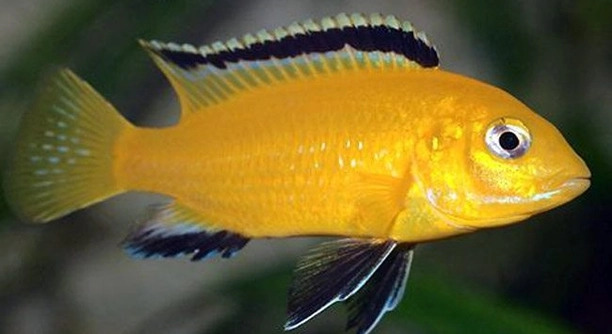
Cichlids are curious fish that often explore new spaces in their tank. Observing how they react to unfamiliar areas can reveal a lot about their instincts and behaviors. Many owners enjoy watching these interactions closely.
Cichlids assess new territory using visual inspection, scent detection, territorial displays, cautious swimming patterns, substrate testing, hiding behavior, and interactions with other fish. These methods allow them to determine safety, food availability, and social hierarchy within unfamiliar environments.
Learning about these behaviors helps improve tank design and fish care. Understanding how cichlids interact with new spaces can make them feel safer and more comfortable.
Visual Inspection
Cichlids rely heavily on sight to understand a new environment. They swim slowly along the edges, scanning rocks, plants, and open spaces. This behavior allows them to detect potential threats and locate safe areas to hide. They often pause near interesting spots, turning their bodies and examining from different angles. Bright or reflective objects may attract their attention, while darker corners can make them cautious. Over time, repeated visual inspection helps the fish become more comfortable and confident. In aquariums, providing a variety of textures, plants, and hiding spots encourages this natural behavior. Observing how your cichlids visually explore can reveal their personalities. Some may be bold and inspect openly, while others remain wary, sticking close to familiar zones. Watching these patterns gives insight into their territorial instincts. They also use sight to watch other fish, noting size, color, and movements to anticipate social interactions. Visual inspection is their first step in understanding safety.
Careful observation during visual inspection reduces stress and allows the fish to establish their own comfort zones within a new tank.
Cichlids’ visual exploration is a mix of curiosity and caution. They may circle, pause, or hover near decorations. Rapid movements or bright lights can make them retreat, while familiar shapes encourage continued inspection. Over time, consistent observation helps them map out territory efficiently.
Scent Detection
Cichlids use their sense of smell to identify unfamiliar areas.
Scent detection allows them to recognize food sources, detect other fish, and sense environmental changes. They release and interpret chemical signals to navigate safely, marking territories and avoiding danger. Observing this behavior shows how sensitive they are to new conditions.
Territorial Displays
Cichlids often flare fins, raise bodies, or shake to assert dominance. These actions warn others to stay away and signal strength. Displaying territory is essential for maintaining safety and social order in a new environment.
Territorial displays help cichlids communicate without direct confrontation. They may approach other fish slowly, showing color changes or fin extension to mark boundaries. Some species hold specific spots like caves or open areas and repeatedly return to assert ownership. These visual signals reduce conflicts by allowing rivals to recognize dominance before fights occur. Fish that feel threatened may retreat to hiding spots, while confident individuals continue displaying. Over time, these interactions establish clear social hierarchies, guiding how fish move and interact in shared spaces. Observing these patterns provides insight into each fish’s personality and comfort level.
In tanks with multiple cichlids, displays prevent constant fighting. Recognizing which fish are more dominant helps manage space, décor placement, and feeding areas. Some may display frequently even without direct threats, which is normal and indicates healthy territorial instincts. Watching these behaviors closely allows adjustment of tank layout to reduce stress and encourage peaceful coexistence.
Cautious Swimming Patterns
Cichlids move slowly and carefully when exploring. They often hover near safe zones and adjust speed based on perceived risk.
These swimming patterns reflect their assessment of danger. They may circle objects, dart briefly, then pause to reevaluate surroundings. Caution ensures they avoid predators or aggressive tank mates. Fish gradually increase confidence and expand their range as they feel safer. Observing these behaviors shows comfort levels and adaptation over time.
Slow, deliberate swimming is also influenced by tank conditions. Clear water, stable temperature, and minimal sudden disturbances encourage exploration. Fish that remain skittish may need more hiding spots or rearranged décor. Over time, these cautious movements transition into normal, confident navigation. By noting how each cichlid swims, adjustments can be made to improve their well-being. Safe spaces allow them to experiment without stress, gradually learning the full extent of their territory.
Substrate Testing
Cichlids often dig or nudge gravel and sand to inspect new territory. This behavior helps them understand the environment, find hiding spots, and locate food particles hidden beneath the substrate.
They may sift through the substrate repeatedly, moving small rocks or plants. This activity also marks their territory and establishes familiar zones, making them feel safer and more in control of their surroundings.
Hiding Behavior
Cichlids use hiding spots to feel secure in unfamiliar areas. They retreat into caves, behind decorations, or among plants when sensing potential threats or stress. This behavior reduces anxiety and allows them to observe the environment safely.
Interactions with Other Fish
Cichlids watch and respond to other fish to gauge safety and hierarchy. They approach cautiously, observe movements, and may mimic behaviors to integrate without conflict. Social cues help them avoid fights and establish their position in a new community.
FAQ
How long does it take for cichlids to get comfortable in new territory?
Cichlids usually take a few days to a couple of weeks to adjust fully, depending on the tank size, number of hiding spots, and presence of other fish. Some bold individuals explore quickly, while shy ones may need extra time. Consistent conditions, such as stable temperature, clean water, and minimal disturbances, help them settle faster. Watching their behavior during this period—like cautious swimming, hiding, or inspecting the substrate—can indicate progress. Offering multiple shelters and rearranging décor gradually allows them to explore safely and gain confidence without feeling threatened.
Why do cichlids dig in the substrate?
Digging is a natural behavior that serves multiple purposes. They search for food particles, create hiding spots, and mark territories. It is also a sign of comfort and curiosity. Substrate testing helps them understand the layout, choose safe resting areas, and interact with the environment actively. In tanks with fine gravel or sand, this behavior is especially noticeable. Providing varied textures and secure hiding places can satisfy their instinct to dig without causing stress or disrupting tank mates.
Do cichlids recognize new tank mates immediately?
Cichlids take time to assess other fish. They observe movements, display territorial signals, and sometimes mimic behaviors before interacting directly. Dominant individuals may assert themselves through displays, while others remain cautious or hide. Over time, hierarchy and boundaries become clear. Frequent observation during the first few days is important to prevent aggression. Introducing new fish slowly and providing adequate space and shelters ensures a smoother transition. Understanding these interactions helps maintain balance and reduces unnecessary stress in the tank.
What are signs of stress when exploring new territory?
Stress can appear as excessive hiding, rapid darting, loss of appetite, or constant color fading. Some cichlids may refuse to explore or remain frozen in corners. Recognizing these signs early allows adjustments to décor, lighting, or tank conditions. Stress is often temporary but prolonged discomfort may affect health and social interactions. Offering extra hiding spots, reducing sudden movements, and maintaining stable water quality usually help stressed cichlids feel secure.
Can territorial disputes harm cichlids in a new environment?
Yes, territorial disputes can cause injuries or prolonged stress if not managed. Aggressive displays usually prevent fights, but some clashes may occur, especially in small tanks or with crowded spaces. Providing multiple hiding spots, clear boundaries, and monitoring interactions can reduce conflicts. Rearranging décor periodically allows fish to reestablish territories without escalating aggression. Understanding social dynamics is essential for keeping multiple cichlids together safely.
How do hiding spots affect their exploration?
Hiding spots give cichlids confidence to explore. Safe shelters reduce stress and encourage cautious swimming, substrate testing, and observation of other fish. The more secure they feel, the more actively they interact with the environment. Plants, caves, and décor allow them to retreat when needed while still investigating territory. Without adequate hiding places, they may stay in one corner, limiting natural behaviors and slowing adaptation.
Do cichlids change behavior after fully assessing new territory?
Once comfortable, cichlids exhibit confident swimming, reduced hiding, and regular territorial displays. They explore more widely, interact socially with other fish, and settle into predictable routines. Feeding becomes easier, and stress-related behaviors diminish. A well-structured tank with sufficient space and hiding spots ensures long-term comfort and stability, allowing cichlids to display natural instincts safely and confidently.
How can I encourage cautious fish to explore?
Gradually rearranging decorations, adding new hiding spots, or placing food in different areas encourages exploration. Maintaining calm and stable conditions reduces stress. Avoid sudden changes or overcrowding, which can make shy fish retreat. Observing their pace and providing safe options fosters confidence. Over time, even reserved cichlids will begin inspecting the full territory actively and safely.
Are there differences in assessment methods between species?
Yes, different cichlid species vary in approach. Some are naturally more aggressive or bold, while others are shy or methodical. Substrate testing, hiding behaviors, and territorial displays differ in intensity depending on genetics and social instincts. Recognizing species-specific tendencies helps manage tank setup, décor placement, and interactions. It also aids in predicting how fish will respond to new environments and other inhabitants. Adjusting care accordingly ensures each species adapts comfortably.
Can tank layout affect how cichlids explore?
Tank layout strongly influences exploration. Open spaces, hiding spots, and diverse décor allow safe movement and observation. Crowded or featureless tanks may cause hesitation, stress, or aggression. Gradual rearrangement and thoughtful placement of shelters support natural behaviors. Proper layout encourages substrate testing, visual inspection, and cautious swimming, giving cichlids the confidence to establish territory effectively while minimizing conflict.
Final Thoughts
Observing how cichlids assess new territory is fascinating and important for their well-being. Each fish uses a combination of methods to understand their environment, from visual inspection to substrate testing. These behaviors are not random but carefully designed to ensure safety, find food, and establish social order. When cichlids enter a new tank or experience changes in their current space, they rely on instincts to explore carefully. Some fish are naturally bold and investigate quickly, while others are cautious and take time to feel comfortable. Providing a variety of hiding spots, plants, and decorations helps them engage in natural behaviors without feeling threatened. By paying attention to these patterns, owners can better understand their fish and support their adjustment to a new environment. Observing visual inspection, cautious swimming, and territorial displays can reveal how confident or stressed a cichlid feels.
Territorial displays, substrate digging, and scent detection are all crucial parts of how cichlids navigate new areas. These behaviors allow them to communicate with other fish, mark safe zones, and evaluate potential threats. Hiding behaviors are equally important, giving fish a chance to retreat when they feel insecure or overwhelmed. When cichlids feel safe, they explore more confidently, interact socially, and establish clear territories. Tank layout and water conditions play a significant role in this process. Open areas, varied substrates, and proper decorations encourage natural exploration, while sudden disturbances or poorly arranged spaces can cause stress. Observing these behaviors helps in adjusting the environment to meet each fish’s needs. Over time, even shy cichlids can become comfortable, displaying normal, confident behaviors while maintaining their natural instincts for caution and observation.
Understanding these assessment methods is not only interesting but also practical. Supporting cichlids as they adapt to new spaces improves their overall health and reduces aggression or stress-related issues. Offering safe hiding places, stable water conditions, and thoughtful tank design helps fish settle faster and thrive. Watching how they interact with the environment and each other provides valuable insight into their personalities and preferences. This knowledge allows for better tank management, ensuring that each cichlid has space, security, and opportunities to engage in natural behaviors. Patience is key, as each fish adapts at its own pace. By respecting their instincts and providing a supportive environment, cichlids can explore safely, establish territories, and live comfortably. Observing their behaviors can be rewarding, offering a deeper connection to their needs and a more harmonious aquarium overall.

Hello,
If you enjoy the content that we create, please consider saying a "Thank You!" by leaving a tip.
Every little bit helps us continue crafting quality advice that supports the health, happiness, and well-being of pets around the world, for pets of all shapes, sizes, and species.
We really appreciate the kindness and support that you show us!