
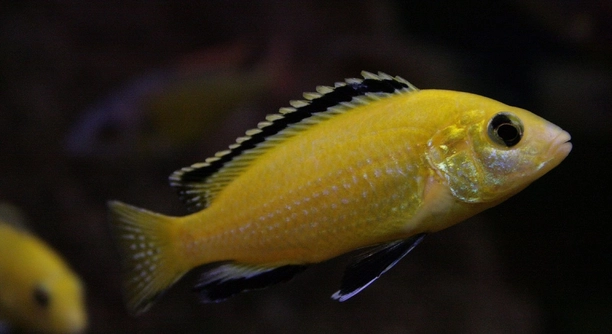
Are your cichlids showing unusual behavior when the water feels cooler than usual? Sudden temperature drops can have noticeable effects on their swimming patterns, appetite, and overall activity, which may worry even the most experienced aquarists.
Cichlids respond to temperature drops through reduced metabolism, slower swimming, decreased feeding, increased hiding, color changes, and altered social interactions. These reactions are a natural physiological response to maintain energy balance and adapt to colder water conditions.
Understanding these responses can help you maintain a stable environment and support your cichlids’ health during seasonal or sudden temperature changes.
Reduced Activity and Slower Swimming
When the temperature drops, cichlids often slow down noticeably. You may notice them hovering in one spot or moving sluggishly around the tank. This behavior is linked to a slowdown in metabolism, which naturally occurs as water becomes colder. Cold water makes their muscles and organs less efficient, so swimming takes more energy. During this time, they conserve energy by minimizing unnecessary movement. You might also see them resting near the bottom or hiding in decorations. Slower swimming is a normal response, but it can make them appear less lively than usual. Observing these changes can help you understand that the fish are adjusting rather than being sick. Maintaining stable tank conditions is crucial during colder periods. Proper monitoring of water temperature and behavior ensures that they remain comfortable and reduces stress, which can prevent secondary health problems. Adjusting feeding and monitoring their energy levels is also important.
Slower swimming is a typical response to colder water, helping cichlids conserve energy and reduce stress in their tank.
Monitoring their activity carefully allows you to notice subtle shifts and act before it impacts their health or feeding habits.
Appetite Changes
Cichlids’ appetites often decline when water temperatures drop. This reduction is due to a slower metabolism, making it harder for them to digest food efficiently. Overfeeding during cold periods can lead to uneaten food, which may foul the tank and affect water quality. Offering smaller, more digestible meals can help. Some fish may skip meals entirely for a few days until the temperature stabilizes. Observing their eating habits is essential for adjusting feeding schedules and preventing health issues related to poor digestion.
Adjusting feeding based on their reduced appetite can maintain water quality and ensure the fish do not experience digestive stress.
It is important to tailor feeding practices to their needs during colder periods. Smaller portions, softer food, or a temporary reduction in meals can keep them healthy without overloading their system. Some cichlids might take longer to eat, requiring patience and observation. Cold water affects digestive efficiency, so food may remain in their system longer than usual. Removing uneaten food promptly prevents decay and water contamination. Balancing feeding and water quality during temperature drops helps your fish remain comfortable and reduces the likelihood of illness. By monitoring appetite closely, you can adjust care routines effectively, ensuring your cichlids stay healthy and stress-free while adapting to colder conditions.
Increased Hiding
Cichlids often retreat to caves, plants, or decorations when temperatures drop. This behavior helps them conserve energy and feel secure as their metabolism slows and swimming becomes more challenging. Hiding also reduces stress and limits exposure to colder water currents.
Hiding is a natural coping mechanism. During colder periods, cichlids may spend long hours tucked away, only occasionally emerging to swim or eat. This behavior helps them conserve energy and avoid unnecessary activity that could strain their slowed metabolism. Providing adequate hiding spots is important, as it allows them to regulate their comfort. Observing their choice of shelter can also indicate their stress levels and overall adjustment to temperature changes.
Even with hiding, occasional swimming is necessary to maintain muscle function and circulation. Encouraging gentle movement by placing food nearby or ensuring minimal tank disturbances can help them stay active without stressing their system. Over time, consistent tank conditions and proper feeding will allow them to balance hiding with necessary activity, supporting both health and stress reduction.
Color Changes
Cichlids can display duller or darker colors when the water cools. This is a direct result of reduced metabolism and stress responses. Color shifts often indicate their body is conserving energy while adapting to the colder environment.
Color changes are a normal reaction to temperature drops. Fish may appear less vibrant, with muted shades replacing their usual bright patterns. Stress or discomfort can also contribute to these shifts. Maintaining stable temperatures and minimizing sudden changes helps reduce prolonged color dulling. Watching for recovery in coloration after water stabilizes can confirm they are adjusting well.
Environmental factors like lighting, diet, and water quality also affect color intensity. While colder water primarily triggers temporary dulling, prolonged low temperatures can lead to extended periods of muted colors. Proper care, consistent feeding, and stable temperature control allow cichlids to regain vibrancy once the water warms. Supporting their environment with natural decor, appropriate plants, and minimal stress helps them maintain normal coloration, signaling both health and comfort. Observing subtle changes in color provides insight into how well they are coping with colder conditions, giving a practical measure for monitoring their overall well-being.
Social Behavior Changes
Cichlids may become less interactive with tank mates when temperatures drop. Aggressive or territorial displays often decrease as fish conserve energy and reduce unnecessary confrontations.
Some cichlids may isolate themselves temporarily. Others remain in small groups but avoid active chasing or displays. These shifts help them adapt to colder water while minimizing stress and energy use.
Breeding and Spawning Slowdown
Lower temperatures can delay or temporarily halt breeding behaviors. Courtship displays, nest building, and egg laying all slow down as metabolic rates decrease. Fish that normally spawn frequently may pause entirely until water conditions return to optimal levels. This slowdown is a natural adaptation that ensures eggs and fry are not exposed to colder, potentially unsafe conditions. Monitoring water temperature and gradually restoring it can help reinitiate breeding cycles safely. Ensuring consistent feeding and stable tank conditions during this period supports overall health and prepares cichlids to resume reproductive behaviors once the environment becomes favorable again.
Increased Sensitivity to Stress
Cichlids become more sensitive to environmental changes during colder periods. Sudden movements, loud noises, or frequent handling can trigger stress responses, impacting their health.
FAQ
How cold is too cold for cichlids?
Cichlids are generally tropical fish, and water below 72°F (22°C) can start affecting their metabolism. Extended exposure to colder temperatures may slow movement, feeding, and growth. Some species tolerate slightly lower temperatures, but sudden drops can be more harmful than gradual changes. Consistent monitoring is essential to avoid stress-related health issues.
Why do my cichlids hide more in colder water?
Hiding is a natural response to conserve energy. Cold water slows their metabolism, so staying in shelters reduces unnecessary movement. This behavior also helps reduce stress, as it limits interactions with other fish and provides a sense of safety while their body adjusts to the temperature change.
Will my cichlids stop eating when it’s cold?
Yes, reduced appetite is common. Their digestion slows, making it harder to process food. Overfeeding can lead to uneaten food and poor water quality. Offering smaller portions or softer foods and spacing out meals can help maintain nutrition without overloading their system.
Can color changes indicate illness?
Not always. During cold periods, cichlids may appear duller or darker due to slowed metabolism. This is usually temporary and reverses once temperatures stabilize. Persistent dull colors, spots, or unusual patterns may signal stress or illness, requiring closer observation and possibly water tests.
Do temperature drops affect breeding?
Yes, breeding slows or pauses entirely in cooler water. Courtship behaviors, nest building, and egg-laying decrease because lower metabolism makes reproduction less efficient. Once water returns to optimal temperature ranges, cichlids often resume normal breeding behaviors naturally.
How can I help my cichlids stay healthy in cooler water?
Maintaining stable temperatures and avoiding sudden changes is key. Provide adequate hiding spaces, adjust feeding to smaller portions, and monitor behavior closely. Minimize disturbances such as loud noises or frequent tank activity. Proper care helps reduce stress and supports overall health during colder periods.
Are some species more sensitive to cold than others?
Yes, sensitivity varies by species. African cichlids, like those from Lake Malawi, prefer warmer water and are more affected by drops than South American cichlids, which tolerate slightly cooler temperatures. Knowing your species’ natural habitat helps manage their environment effectively.
How long can cichlids tolerate cooler temperatures?
Short periods of slight cooling are usually manageable, but prolonged exposure to temperatures below their preferred range can lead to weakened immune systems and slower growth. Regular monitoring and gradual adjustments prevent long-term health issues and help fish recover quickly when conditions improve.
What signs indicate my cichlids are stressed from cold?
Signs include excessive hiding, lethargy, loss of appetite, color dulling, and reduced interaction with tank mates. Some fish may hover near the bottom or avoid swimming actively. Recognizing these behaviors early allows you to adjust tank conditions and reduce stress effectively.
Can temperature swings cause permanent damage?
Rapid or frequent temperature swings can weaken their immune system, making them susceptible to infections. While brief exposures might not cause permanent harm, repeated stress can affect growth, coloration, and overall vitality. Maintaining consistent temperatures helps prevent long-term negative effects.
Is using a heater necessary in colder climates?
Yes, a reliable heater ensures stable water temperatures, especially during winter months. Sudden cold spells can be stressful for cichlids, so a properly sized heater with a thermostat maintains a safe, consistent environment, supporting both behavior and health.
How should I adjust feeding during cold periods?
Reduce meal size and frequency, offering easily digestible foods. Overfeeding in cold water leads to uneaten food and water quality issues. Monitoring appetite and adjusting portions according to activity levels helps maintain proper nutrition while preventing digestive stress.
Do hiding and reduced swimming mean my cichlids are sick?
Not necessarily. These behaviors are common responses to colder water. Observing their overall condition, appetite, and color can help differentiate between normal adjustments and potential illness. Healthy fish may still hide or swim less but recover when temperatures stabilize.
Can adding plants or decorations help during cold periods?
Yes, additional hiding spaces provide security and reduce stress. Plants and décor allow fish to retreat while conserving energy, promoting well-being as they adjust to cooler water. Ensure the tank remains clean to prevent water quality issues that could add further stress.
Should I change water during colder months?
Regular water changes are important, but avoid large temperature shifts. Use preheated water to match tank temperature closely. Gradual changes maintain stability, reduce stress, and prevent sudden shocks that can affect behavior, feeding, and overall health.
How can I tell if my cichlids are adapting well to colder water?
Signs of adaptation include occasional swimming, moderate appetite, recovery of color, and reduced hiding over time. Consistent behavior and energy levels indicate that fish are adjusting successfully, whereas prolonged lethargy or stress behaviors suggest further intervention may be needed.
Caring for cichlids during temperature drops requires attention and patience. These fish respond to colder water in ways that may seem alarming at first, but most behaviors are natural adaptations. Reduced swimming, increased hiding, slower feeding, and duller colors are all part of how cichlids conserve energy and maintain their health. Understanding these reactions allows you to create an environment that supports them without overreacting or causing additional stress. Observing their behavior closely during these periods helps you know what is normal and what may require intervention, such as adjusting water temperature or monitoring for illness. Small changes in how you care for your tank can make a significant difference in the well-being of your fish.
Providing stability is one of the most important aspects of keeping cichlids healthy during colder periods. Gradual temperature adjustments, consistent feeding schedules, and reliable hiding spaces all help them cope with stress. Sudden changes, such as rapidly lowering the water temperature or overfeeding, can negatively affect their metabolism and overall health. By paying attention to environmental factors like water quality, filtration, and proper lighting, you reduce additional stressors that might make them more vulnerable to disease. Even small practices, such as checking water temperature daily or removing uneaten food promptly, contribute to a safer, more comfortable habitat. Consistent care during colder periods ensures that your cichlids stay healthy and adjust more quickly when temperatures return to their preferred range.
Monitoring your cichlids’ reactions over time also provides insight into individual needs. Some species may tolerate cooler water better than others, and even within a single species, individual fish can show different levels of sensitivity. Keeping track of behaviors like appetite, social interactions, and color changes allows you to make informed adjustments in care. Offering a balance between activity and security—through hiding spaces and gentle encouragement to swim or feed—helps maintain both physical health and mental comfort. Maintaining a stable, supportive environment not only ensures survival during colder periods but also promotes long-term well-being. With careful observation and consistent care, your cichlids can remain healthy, active, and vibrant, even when temperatures drop unexpectedly.

Hello,
If you enjoy the content that we create, please consider saying a "Thank You!" by leaving a tip.
Every little bit helps us continue crafting quality advice that supports the health, happiness, and well-being of pets around the world, for pets of all shapes, sizes, and species.
We really appreciate the kindness and support that you show us!