
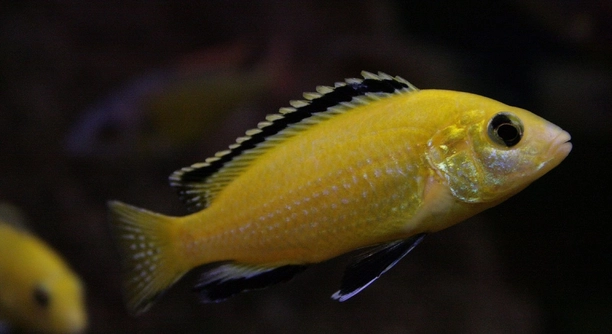
Do you ever find yourself setting up a new aquarium and wondering what substrate will make your fish happiest? Electric Yellow Cichlids are lively and colorful, and their environment can affect both their health and behavior. Choosing the right base can help them feel more comfortable.
Electric Yellow Cichlids generally prefer sand over gravel. Sand allows them to dig naturally, reduces the risk of injury to their delicate mouths, and helps maintain a more natural habitat. Gravel can cause stress and hinder natural behaviors in these fish.
Understanding substrate choices can improve both the look of your tank and the well-being of your fish. Small details in their environment can make a big difference in their daily life.
Why Substrate Choice Matters for Electric Yellow Cichlids
The type of substrate in your tank can significantly influence the behavior and health of Electric Yellow Cichlids. Sand provides a soft surface that supports natural digging and sifting habits. These cichlids often move substrate around while foraging, which can be stressful or even harmful if the substrate is too sharp or coarse. Gravel can trap uneaten food, creating bacteria buildup that affects water quality and fish health. Sand, on the other hand, allows waste to settle more evenly and makes cleaning easier, promoting a healthier environment. Over time, a suitable substrate helps reduce aggression among fish, as they can establish territories more comfortably. Choosing sand also mimics the natural habitats of these cichlids, which is important for maintaining their bright coloration and active behavior. Observing your fish interacting with their substrate can give insight into their comfort and overall tank satisfaction. Proper substrate selection is one of the simplest ways to improve your aquarium setup.
Sand encourages natural digging and feeding behaviors, while gravel may hinder these actions and cause stress for your fish.
A soft, sandy bottom helps Electric Yellow Cichlids thrive in several ways. They can sift through it without injuring their mouths, which is crucial for feeding and comfort. Digging into sand allows them to explore and rearrange their environment naturally, reducing boredom and territorial tension. Sand also prevents small particles from lodging between their teeth, avoiding health issues. Additionally, sand keeps the tank cleaner because debris tends to stay on top, making water maintenance easier. Many aquarists notice brighter colors and calmer behavior when cichlids are on sand, reflecting lower stress levels. While gravel may look decorative, it can create sharp edges that damage fins and scales. Over time, gravel can also lead to compacted areas where harmful bacteria accumulate. By choosing sand, you are supporting both the physical and mental well-being of your fish, helping them live longer, healthier, and more active lives in a stable, natural-feeling environment.
Sand Maintenance and Cleaning Tips
Regular maintenance keeps sand healthy and safe for cichlids.
Cleaning sand requires gentle siphoning to remove debris without disturbing the substrate too much. Unlike gravel, sand can compact, so occasional stirring or light vacuuming helps prevent harmful gas pockets. It’s important to rinse new sand thoroughly before adding it to the tank to remove dust and fine particles. Over time, uneaten food and waste can settle on the surface, so spot cleaning daily or every few days improves water quality. Using a soft brush to gently stir areas can also release trapped waste. Monitoring water parameters regularly ensures that sand isn’t contributing to nitrate buildup or pH shifts. With consistent care, sand remains safe and supportive for your Electric Yellow Cichlids.
Maintaining sand is straightforward but requires attention to detail to prevent waste buildup and ensure fish safety. Regular care enhances their environment and promotes natural behavior patterns.
Sand maintenance involves understanding how debris and detritus interact with the substrate. Unlike gravel, sand compacts more easily, which can trap organic matter and reduce oxygen circulation. This can create small pockets where harmful bacteria thrive, potentially impacting fish health. Light stirring during cleaning helps release these pockets, allowing a siphon to remove the waste. Spot cleaning is essential, especially after feeding, to prevent leftovers from decomposing on the surface. Rinsing new sand thoroughly before placing it in the tank removes dust that could cloud water and irritate fish gills. Over time, sand may settle unevenly, requiring gentle leveling to maintain a flat, safe surface. Monitoring water parameters, such as pH and nitrate levels, ensures that the substrate does not contribute to poor water quality. When done consistently, sand maintenance provides a healthy and natural environment for Electric Yellow Cichlids, allowing them to dig, feed, and display normal behaviors without risk of injury or stress.
Feeding Habits and Substrate Interaction
Electric Yellow Cichlids often sift through sand while eating, which is a natural part of their behavior. Sand allows them to dig safely, whereas gravel can cause injuries or trap food, leading to potential health issues and stress.
Sand supports natural foraging, letting cichlids move and sift it with their mouths. This behavior is important for mental stimulation and mimics their natural habitat. Gravel can be too coarse, causing discomfort and even minor cuts. Uneaten food trapped in gravel decomposes faster, affecting water quality. Sand allows leftovers to settle on the surface, making cleaning easier and reducing bacterial buildup. Watching cichlids interact with sand reveals their comfort and satisfaction, as they appear more relaxed and active when substrate matches their natural preferences.
Regular feeding also affects substrate maintenance. Sand collects less debris than gravel, preventing harmful buildup. Proper feeding schedules and careful observation help maintain clean conditions. This combination of diet and substrate ensures that Electric Yellow Cichlids remain healthy, active, and less prone to stress, creating a balanced environment for long-term care.
Tank Aesthetics and Behavior
Sand creates a more natural look and allows cichlids to show their true colors. It enhances visual appeal while supporting healthy behaviors.
The choice of sand over gravel influences territorial behavior and aggression levels. Cichlids establish territories by moving sand, creating borders that reduce fights. Sand also reflects light differently, making their yellow coloration stand out more vividly. Gravel may restrict natural digging, increasing frustration and tension among fish. Additionally, plants and decorations settle more naturally on sand, improving overall tank stability and appearance. A sandy substrate provides a consistent environment that allows Electric Yellow Cichlids to display normal, active behaviors while maintaining a visually pleasing setup that complements their bright colors.
Sand supports both appearance and behavior in a tank. Cichlids can dig, hide, and interact naturally, which encourages a calmer and more dynamic aquarium. It reduces stress while enhancing the tank’s aesthetic appeal. Maintaining a sand substrate requires regular cleaning and observation, but the benefits for fish activity, coloration, and territorial balance outweigh the effort. By choosing sand, aquarists create a safe, natural environment that highlights the cichlids’ beauty and allows them to express instinctive behaviors, resulting in a healthier and more harmonious tank overall.
Choosing the Right Sand Type
Fine-grain sand is ideal for Electric Yellow Cichlids. It allows easy digging without damaging their mouths, unlike coarse sand or gravel. Smooth sand also prevents food from getting trapped, helping maintain water quality and overall tank hygiene.
Avoid sharp-edged substrates. They can injure fish during digging or territorial disputes. Soft, rounded grains are safer and encourage natural behavior.
Substrate Depth Considerations
A depth of two to three inches is recommended for sand in cichlid tanks. This depth allows fish to dig and create small pits while foraging or establishing territories. Shallow sand limits their natural behaviors, and very deep sand may trap debris or create anaerobic spots that affect water quality. Maintaining proper depth supports both the physical and behavioral needs of Electric Yellow Cichlids, allowing them to interact with their environment naturally while keeping the tank safer and easier to clean. Choosing the right depth also helps decorations and plants stay in place without being disturbed excessively.
Mixing Sand with Other Substrates
Mixing sand with gravel is not recommended. It can create unstable areas and stress the fish.
FAQ
Do Electric Yellow Cichlids dig in sand?
Yes, they naturally dig and sift through sand. This behavior is important for feeding, exploring, and establishing territories. Sand allows them to dig safely without hurting their mouths or fins, unlike gravel, which can be sharp or uneven. Observing their digging shows they are comfortable and active in their environment.
Can gravel be used instead of sand?
Gravel can be used, but it is not ideal. Coarse or sharp gravel may injure cichlids when they dig or explore. It also traps uneaten food and waste, which can harm water quality. Sand is safer and encourages natural behavior, making it the preferred choice for long-term health.
How deep should the sand be?
Two to three inches of sand is sufficient. This depth allows cichlids to dig, create pits, and explore naturally. Too shallow sand limits their digging, while very deep sand may compact and create harmful pockets. Proper depth supports both health and behavioral needs.
How often should sand be cleaned?
Sand should be gently cleaned every few days using a siphon or stirring lightly to remove debris. Spot cleaning after feeding helps prevent waste buildup. Proper maintenance keeps water quality stable and reduces stress, while also preventing harmful bacteria growth.
Can I mix sand and gravel?
Mixing sand with gravel is not recommended. It creates uneven surfaces and unstable areas, which can stress cichlids or injure them while digging. A uniform sandy substrate provides a safer, more natural environment for their behavior and feeding.
Does sand affect water quality?
Yes, sand can impact water quality, but it is easier to maintain than gravel. Fine sand allows debris to stay on the surface, making siphoning more effective. Proper cleaning prevents nitrate buildup and keeps the tank stable, supporting healthy fish.
Will sand make my tank look messy?
Sand can appear messy temporarily as cichlids dig and move it around, but this is normal behavior. Their digging is natural and shows they are comfortable. Over time, the tank stabilizes, and the sand provides a clean, natural look while highlighting the bright colors of the cichlids.
Is live plant placement easier with sand?
Yes, plants tend to root more securely in sand if the grains are fine and soft. This also allows cichlids to dig around them without uprooting plants too easily. Sand provides stability for decorations and plants while maintaining a natural layout for the fish.
Do Electric Yellow Cichlids show better colors on sand?
Sand can enhance their bright yellow coloration. It reflects light differently than gravel, creating a more vivid and natural display. The combination of reduced stress, natural behavior, and stable substrate helps them look their best while maintaining healthy activity levels.
How do I transition from gravel to sand?
Remove gravel carefully and rinse new sand thoroughly before adding it. Gradually introduce the sand while monitoring fish behavior and water parameters. Make sure the depth is adequate, and clean lightly during the first few weeks to remove dust and debris. This ensures a smooth, safe transition.
Can young cichlids handle sand?
Yes, young Electric Yellow Cichlids benefit from sand. It allows safe digging and feeding as they grow, reducing the risk of injury. Fine sand supports natural behaviors from an early age, promoting proper development and healthier habits as they mature.
Will sand compact over time?
Some compaction is normal, but gentle stirring and occasional siphoning prevent anaerobic pockets. Avoid deep layers that can trap debris. Proper maintenance keeps the substrate safe and supports healthy water conditions for your fish consistently.
Is sand better for cichlid eggs?
Yes, sand provides a safer surface for eggs and fry compared to gravel. Smooth grains reduce the risk of injury to delicate eggs or young fish. Sand also allows parents to dig and move eggs naturally without harming them.
Can sand cause algae problems?
Sand itself does not cause algae, but trapped debris can promote growth. Regular cleaning, proper lighting, and monitoring water quality prevent algae buildup. Maintaining a balanced environment ensures the substrate supports healthy fish without excessive algae.
How do I choose the best sand type?
Choose fine, rounded sand that is safe for cichlids’ mouths and fins. Avoid sharp, coarse, or colored sands that may alter water chemistry. Rinse thoroughly before use and maintain proper depth to support natural behaviors, aesthetics, and tank stability.
Does sand reduce aggression among cichlids?
Yes, sand helps cichlids establish territories naturally, which can reduce aggressive encounters. They dig and create personal spaces more easily on sand than on gravel, which encourages a calmer, more balanced tank environment for multiple fish.
Are there any risks with sand I should watch for?
Monitor for compacted areas, trapped debris, and changes in water parameters. Gentle cleaning prevents harmful gas pockets. Using fine, rounded sand reduces injury risks. Proper care ensures sand remains safe, natural, and supportive of Electric Yellow Cichlids’ behavior and health.
This FAQ covers the main concerns about sand and its effects on Electric Yellow Cichlids. Proper substrate choice and maintenance are essential for their health, behavior, and overall tank appearance.
Electric Yellow Cichlids thrive best when their tank substrate supports natural behaviors and keeps them safe. Sand is the preferred choice because it allows them to dig, sift, and explore without risking injury. Their digging habits are not just for fun—they help reduce stress, establish territories, and keep them mentally stimulated. Gravel, especially sharp or coarse types, can interfere with these behaviors and even cause minor cuts or injuries. Sand also makes feeding safer, as it allows leftover food to settle on the surface for easier cleaning. Over time, a sandy bottom encourages calmer behavior and a healthier, more active fish. Choosing the right substrate is a small step that has a significant impact on their overall well-being. Watching Electric Yellow Cichlids interact naturally with sand demonstrates how important the environment is for their health and happiness.
Maintaining a sand substrate is straightforward but requires consistent care. Regular siphoning, gentle stirring, and spot cleaning help prevent debris buildup, maintain water quality, and reduce harmful bacteria growth. Sand does not compact as much as gravel, but it can create small pockets of trapped debris if left unchecked, which may affect water chemistry. Keeping the sand depth at two to three inches supports natural digging while preventing excessive compaction. Choosing fine, rounded grains prevents injury and allows plants and decorations to remain stable in the tank. This careful attention to detail ensures that your cichlids can thrive in a safe and natural environment. Over time, the sand will settle, and the tank will look clean while still allowing fish to dig, forage, and interact freely. Proper substrate maintenance is an investment in long-term fish health and overall tank stability.
Sand also contributes to the overall look of the tank and highlights the vibrant coloration of Electric Yellow Cichlids. Its reflective qualities make their bright yellow tones more vivid, enhancing the tank’s aesthetic appeal while supporting natural behaviors. Sand encourages calmer and less aggressive interactions because cichlids can create territories more comfortably. Plants root more securely, decorations stay in place, and the tank feels more natural for the fish. Although sand may require slightly more attention than gravel in terms of cleaning, the benefits for fish behavior, health, and appearance outweigh the effort. Choosing the right substrate and maintaining it carefully ensures a safe, balanced, and visually appealing environment. With sand as a base, Electric Yellow Cichlids can live longer, healthier, and more active lives while showing their natural behaviors, colors, and personalities, making the tank a more enjoyable and harmonious space.

Hello,
If you enjoy the content that we create, please consider saying a "Thank You!" by leaving a tip.
Every little bit helps us continue crafting quality advice that supports the health, happiness, and well-being of pets around the world, for pets of all shapes, sizes, and species.
We really appreciate the kindness and support that you show us!