
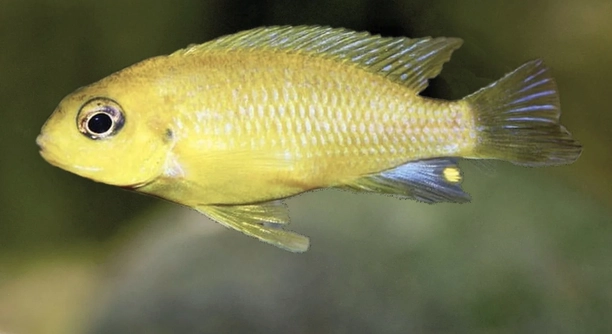
Bright sand may look appealing in a cichlid tank, but it is not always the best choice for your fish. Many aquarists have found that its bright color can cause unexpected problems over time.
Bright sand can negatively impact water quality, stress fish, and make natural behaviors difficult to observe. Its reflective surface may encourage algae growth, mask waste buildup, and create conditions that are less suitable for cichlids’ health and well-being.
Understanding these effects can help you make better decisions for your tank. Each factor contributes to a healthier, more comfortable environment for your fish.
Bright Sand Can Stress Your Fish
Bright sand reflects more light than darker substrates, which can make cichlids feel exposed. Fish often prefer hiding spots and softer visual environments to feel safe. Constant exposure to bright sand can increase their stress levels, affecting their behavior and health. Stress can cause fish to hide excessively, eat less, or even develop illness over time. While it may seem harmless at first, the reflective nature of bright sand can disturb the natural balance of your tank. Over weeks, fish may become less active and lose their vibrant colors due to ongoing stress. Selecting a substrate that mirrors their natural environment helps them feel secure and encourages natural behaviors, such as digging and foraging. Darker or more muted substrates are usually better suited for creating a calmer, more stable habitat for cichlids, reducing unnecessary anxiety and promoting healthier daily activity.
Bright sand may seem attractive, but it often leads to visible stress in fish over time.
Choosing the right substrate can make a noticeable difference. Cichlids are naturally inclined to dig and explore, and bright sand can limit these behaviors. Fish that are constantly stressed are more likely to show aggression toward each other or become withdrawn. Observing how your fish react to the substrate is important. Darker sand reduces light reflection, helps hide waste, and creates a more comfortable space. It also allows fish to display their natural colors without being overstimulated. For long-term tank health, a substrate that supports natural habits and reduces visual strain is essential. When selecting sand, consider not only appearance but also how it affects fish behavior. Providing a calm and natural environment leads to more active, healthier fish. By paying attention to these details, you create a space that supports the fish’s well-being while keeping your tank visually balanced.
Bright Sand Makes Waste Hard to Spot
Bright substrates make it difficult to notice uneaten food and fish waste. Keeping the tank clean becomes more challenging because particles blend into the light-colored sand.
The lighter the sand, the more frequent you will need to inspect and clean your tank. Uneaten food and waste can lead to water quality issues, including spikes in ammonia or nitrites. Fish are sensitive to these changes, and poor water quality can quickly cause illness or stress. With dark or natural-colored substrates, it is easier to see debris before it becomes a bigger problem. This visual clarity allows for quicker maintenance and prevents long-term damage to your aquatic environment. Over time, monitoring water conditions and keeping the substrate clean helps maintain a healthier tank. Sand that contrasts with waste makes it easier to keep an eye on daily cleanliness, supporting both fish health and the aesthetic appeal of your setup.
Bright Sand Encourages Algae Growth
Bright sand reflects light, which can encourage algae to grow faster on surfaces and decorations. Excessive algae makes the tank look messy and can compete with your fish for oxygen and nutrients.
Algae growth can be more noticeable on bright substrates because the sand makes the green or brown patches stand out. When algae spreads quickly, it can cover plants, rocks, and tank walls, affecting the overall balance of the aquarium. Controlling light exposure and cleaning regularly becomes more demanding with bright sand. Fish waste and leftover food also contribute to nutrient levels, which algae thrive on. Without frequent maintenance, algae can quickly dominate the tank, creating a visually distracting environment and stressing the fish. Using darker sand or muted colors reduces light reflection and helps keep algae under control, making tank management easier.
Maintaining a bright sand tank requires extra attention to water changes, filter cleaning, and removing algae manually.
Bright Sand Affects Natural Behavior
Cichlids naturally dig and move substrate to build territories or search for food, but bright sand can interfere with this instinct. Fish may dig less or avoid areas that feel visually exposed.
When cichlids dig in bright sand, the reflection and stark color can make them feel more visible to perceived threats, discouraging natural behaviors. Reduced digging means fish may not express typical territorial or foraging habits, which can impact their mental and physical health. Sand that closely resembles their natural habitat encourages activity and exploration, supporting healthier behaviors. Fish use substrate to create pits, shelters, and nesting areas, which are important for breeding and social interaction. If the sand feels unnatural or overly bright, these behaviors may decline, causing stress or increased aggression as they compete for safer spaces. Choosing a more natural-colored substrate allows cichlids to engage in instinctive digging, improving their overall comfort and activity in the tank.
Bright Sand Can Mask Water Issues
Bright sand makes it harder to see debris, uneaten food, and early signs of waste buildup. This can delay maintenance and allow water quality to decline without notice.
Small changes in water clarity or color may go unnoticed on bright sand, making it easier for ammonia or nitrite spikes to occur. Regular testing is important, but visual inspection is a key part of monitoring tank health. With bright sand, these early warning signs are less obvious, which can put fish at risk if problems go undetected. Choosing a darker substrate helps highlight waste and subtle changes in the environment, making it easier to keep water conditions stable.
Bright Sand May Fade Fish Colors
Some cichlids display less vibrant colors over bright sand. The reflective surface can make their natural pigments appear duller.
Fish rely on natural substrate tones to contrast with their environment. Bright sand can reduce this contrast, causing colors to seem washed out or muted. A darker substrate enhances visual contrast, allowing cichlids’ true colors to stand out, which also indicates healthier and less stressed fish.
What makes bright sand a poor choice for cichlid tanks?
Bright sand reflects more light than darker substrates, which can stress fish and make them feel exposed. It also makes waste and uneaten food harder to see, increasing the risk of water quality problems. Algae growth can accelerate because the reflective surface encourages light to reach all areas of the tank. Many cichlids prefer digging and exploring without feeling too visible. Bright sand can reduce these natural behaviors, causing fish to act less active or even aggressive. Choosing a more natural, muted sand helps create a calmer, healthier environment that supports fish well-being.
Will bright sand harm my cichlids physically?
Bright sand is generally safe in terms of sharp edges or chemical composition if it is aquarium-approved, but it can indirectly affect health. Fish that are constantly stressed from the reflective surface may lose appetite or develop weaker immune systems. Poor visibility of waste can lead to higher ammonia and nitrite levels, which are toxic over time. The combination of stress and declining water quality can make cichlids more susceptible to disease. Using darker substrates helps maintain cleaner conditions and reduces stress, supporting overall physical health.
Can bright sand cause aggression among cichlids?
Yes, bright sand can increase aggression indirectly. Fish feel more exposed and may compete for areas that seem safer or more hidden. Reduced digging and territorial expression can cause frustration, leading to fights or territorial disputes. Aggression in cichlids often appears when they feel insecure or unable to display natural behaviors. Substrates that mimic their natural habitat allow fish to establish territories more comfortably, reducing conflicts. A calmer environment encourages social stability and healthier interactions between tank inhabitants.
Is it harder to maintain water quality with bright sand?
Bright sand makes it difficult to spot waste, leftover food, or decaying plant material. This can allow ammonia and nitrite to rise unnoticed, harming fish health. Regular water testing is essential, but visual monitoring is also key. With bright sand, debris blends in, which can delay maintenance. Darker sand makes dirt and waste easier to spot, making cleaning more efficient and water conditions more stable. Choosing the right substrate can simplify tank care while keeping fish healthy.
Will cichlid colors look different on bright sand?
Yes, bright sand can make colors appear duller. Many cichlids rely on contrast with the substrate to display their natural hues. Light-colored sand reflects more light, which can wash out vibrant colors, especially in shy or stressed fish. Darker or natural-colored substrates allow cichlids to show their true pigments and can even help indicate their stress levels. Healthy fish on the right substrate display more vivid and striking colors, which is easier to observe and appreciate.
Are there any bright sand types that are safe for cichlids?
Some bright sands are chemically stable and won’t alter water parameters, but they still pose behavioral and aesthetic concerns. Even if the sand is safe in composition, the issues with stress, algae growth, and color dulling remain. If someone prefers bright sand for appearance, combining it with hiding spots, plants, or darker decorations can reduce negative impacts. Choosing sand that balances safety, natural appearance, and visual comfort for the fish is usually a better approach.
How can I reduce problems if I already have bright sand?
Adding rocks, caves, and plants creates shaded areas and hiding spots, helping fish feel safer. Increasing water monitoring and performing frequent maintenance will control waste buildup. Using floating plants or dimmable lighting can reduce the reflective intensity of bright sand. Observing fish behavior regularly allows you to address stress or aggression quickly. While bright sand may remain, careful tank management can help mitigate its drawbacks and maintain healthier, calmer cichlids.
Is bright sand suitable for breeding cichlids?
Bright sand is generally not ideal for breeding. Cichlids often dig pits, prepare nests, and protect eggs in specific substrate types. The reflective surface can make fish feel exposed and disrupt natural breeding behavior. Darker, finer sand is preferred for breeding, providing a more secure environment for egg-laying and raising fry. Using bright sand may reduce success rates and create additional stress during reproduction.
Can algae overgrowth be prevented on bright sand?
Algae growth is more likely on bright sand due to increased light reflection, but some measures can help. Limiting light duration, adding algae-eating fish or snails, and performing frequent cleaning can slow its spread. Darker substrates naturally reduce algae visibility and help manage growth more effectively. Prevention is easier than constantly removing algae after it appears.
Should I replace bright sand with darker substrate?
Replacing bright sand with darker or natural-colored substrate can improve fish health, reduce stress, and make tank maintenance easier. It allows natural behaviors, supports vibrant colors, and reduces visible algae problems. While replacement may take effort, the long-term benefits for both fish and tank aesthetics usually outweigh the initial inconvenience.
Word count: 507
Bright sand may look appealing in a cichlid tank, but it often brings more problems than benefits. Its reflective nature can stress fish, making them feel exposed and less comfortable in their environment. Cichlids rely on feeling safe to show natural behaviors such as digging, exploring, and establishing territories. When the sand is too bright, fish may hide more, act less active, or even become aggressive toward tank mates. Over time, this stress can affect their health, appetite, and overall well-being. Choosing a substrate that is closer to their natural habitat helps reduce stress and supports healthier behaviors, allowing fish to thrive more naturally.
Another concern with bright sand is the impact it has on tank maintenance. Light-colored sand can make it difficult to spot waste, uneaten food, or early signs of water quality problems. This can lead to unnoticed spikes in ammonia or nitrite, which are harmful to fish. Additionally, bright sand encourages algae growth because it reflects more light throughout the tank. Frequent cleaning, monitoring, and maintenance are required to keep the tank in good condition, which can become time-consuming. In contrast, darker or more natural-colored substrates make it easier to detect debris and control algae growth, helping maintain stable water conditions. This creates a healthier environment and reduces the stress on both the fish and the aquarist who cares for them.
Finally, bright sand can also affect the visual appearance and health indicators of cichlids. Fish may appear duller against a reflective surface, making it harder to observe their true colors and detect signs of stress or illness. Cichlids that display vibrant colors on natural substrates may seem muted on bright sand, even if they are otherwise healthy. Substrate choice also affects breeding behavior, as fish prefer to dig and create nests in a substrate that feels safe and familiar. Overall, selecting a darker or more natural substrate supports better fish behavior, reduces stress, makes maintenance simpler, and helps the fish’s colors and health show more clearly. Choosing the right substrate is an important step in providing a stable and comfortable environment, ensuring your cichlids can live a healthier and more active life.
Word count: 407

Hello,
If you enjoy the content that we create, please consider saying a "Thank You!" by leaving a tip.
Every little bit helps us continue crafting quality advice that supports the health, happiness, and well-being of pets around the world, for pets of all shapes, sizes, and species.
We really appreciate the kindness and support that you show us!