
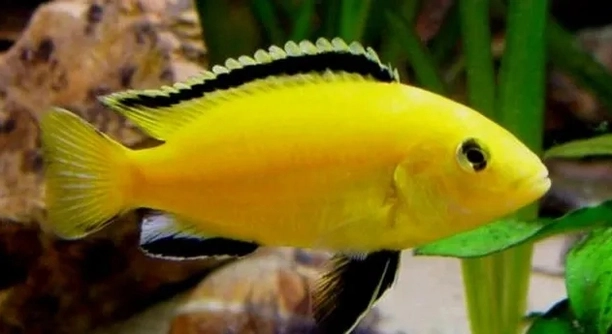
Have you ever watched your cichlids interact and wondered what shapes their place within the group? These small shifts in behavior reveal subtle rules that guide harmony, competition, and daily life in their shared habitat.
A cichlid’s social standing is tested through a series of interactions that establish hierarchy, resource access, and territorial boundaries. These moments reflect innate behavioral patterns shaped by evolution, allowing individuals to navigate complex group dynamics with clarity and measurable impact.
These interactions reveal the structure of their communities, offering insights that help you see how behaviors shape life within groups.
Feeding Time Tension
Feeding time often becomes a clear moment that reveals how each cichlid fits into its group. When food enters the water, movements shift quickly and small signals decide who reaches the best spots. You may notice confident fish swimming forward while others circle around the edges. These behaviors show more than hunger, they expose confidence, restraint, and subtle pressure from dominant individuals. Even gentle fin flicks or quick turns communicate rank in ways that become easy to recognize once you watch closely. Over time, these patterns stay consistent and build a sense of structure within the tank. Some fish gain access to preferred areas with almost no effort, while others wait at a distance to avoid conflict. Feeding time is a controlled scene, yet it displays real tension and balance among the group. By observing these patterns, you can understand how competition blends with routine behavior. In their daily interactions.
These moments highlight who leads and who adapts during feeding. Small movements decide access to food, showing confidence and restraint. Watching these patterns helps you understand how each fish holds its place within the group and how tension quietly shapes their behavior in a way that feels subtle yet constant.
Once you learn to recognize these subtle signals, feeding becomes an easy way to understand wider group behavior. You start to see how confidence grows in some fish while others remain cautious. Each movement adds to a larger pattern that shapes their daily interactions. Observing these moments also helps you spot early signs of stress before they escalate. It becomes clearer which fish accept their roles and which ones struggle to find a place. These details may seem small at first, but together they reveal how structure forms naturally and how harmony depends on repeated behavior in their shared space.
Territorial Stand-Offs
Territorial moments often reveal deeper tension among cichlids. When one fish approaches a claimed area, sudden shifts in posture show how strongly boundaries matter. These encounters may appear brief, but they highlight confidence, sensitivity, and the unspoken rules that shape how each fish defends important areas within their daily routines.
Territorial behavior becomes clear when cichlids patrol specific corners, rocks, or plants, using small displays to signal ownership. These displays can include short bursts of speed, slight body tilts, or gentle flaring that warns others to keep an appropriate distance. Even when there is no direct conflict, these signals hold weight because they establish predictable boundaries that reduce stress within the group. Over time, the same individuals return to the same spots, reinforcing a pattern that shapes the entire tank. You may notice that dominant fish move with more certainty, while others shift their paths to avoid interference. This constant adjustment reflects an understanding of space that forms naturally as each fish learns what areas offer safety, shelter, or advantage. By watching these moments closely, you can see how stability develops even in active tanks. Territorial stand-offs rarely escalate into aggression when the group understands these signals, allowing the fish to maintain order without intense conflict. These interactions also help you identify when something feels off, such as a sudden challenge or unexpected displacement. Paying attention to these subtle shifts helps you support a balanced environment where each fish can hold its place comfortably through each part of the day.
Color-Shift Challenges
Color changes often show how a cichlid reacts when its position in the group feels uncertain. A sudden fade or a stronger burst of color can signal pressure, confidence, or a quiet attempt to maintain control without drawing unnecessary conflict from nearby fish.
These shifts often appear during small interactions, like brief chases or close passes near shared spaces. When a cichlid brightens its colors, it may be reinforcing strength, while fading can signal caution or stress. Watching these moments helps you understand how each fish responds to its surroundings. Over time, patterns appear that reveal which fish remain steady and which ones adjust themselves often. These changes may seem small, but they speak to deeper tension and balance within the tank. By paying attention to these shifts, you gain a clearer sense of how harmony forms and how easily it can shift.
Color adjustments also tell you how well each fish handles competition. Some cichlids maintain strong, consistent colors even when challenged, while others fluctuate depending on who approaches them or how crowded the space becomes. These subtle differences help you understand who controls the energy in the tank and who adapts quietly. A fish that fades often might be avoiding pressure, while one that stands out may be signaling confidence that shapes group behavior. Observing these changes over time gives you a simple way to track social stability without needing major conflict as a sign.
Breeding Season Signals
Breeding periods change normal behavior, making territorial displays stronger and increasing tension in shared areas. During this time, cichlids often guard chosen spots more boldly, showing clearer signals that shape group structure. These moments highlight confidence, sensitivity, and the need for secure space within their routine.
Breeding behavior also reveals how each fish handles responsibility and pressure. Some individuals become more focused and protective, while others keep their distance to avoid conflict with newly formed pairs. You may notice stronger posturing, faster responses to intruders, and more determined pacing around chosen locations. These actions show who feels ready to take control and who adapts to shifting dynamics. Over time, these adjustments can influence how the whole group moves and reacts. Breeding season changes the tank’s rhythm, but it also offers a clear look at how social balance forms, holds, and reshapes itself as roles shift.
Shelter Claim Disputes
Shelter disputes often show how confidently a cichlid defends a favored spot. Quick dashes, body turns, and short displays decide who keeps access. These moments highlight how each fish handles close pressure and how clearly boundaries form within shared spaces.
When two fish want the same shelter, the more confident one usually takes the lead with simple posturing rather than force. The other often backs away to avoid escalation. These brief encounters reveal how social ranking shapes daily behavior and how stability depends on predictable reactions.
Schooling Position Shifts
Shifts in group formation can show which fish feel secure and which ones adjust to avoid tension. Some cichlids hold steady positions near the front, while others drift toward the edges to reduce pressure. Watching these patterns helps you understand confidence levels, group structure, and the quiet exchanges that maintain balance. These changes often happen fast, but they reveal much about how each fish reads its surroundings and decides where it belongs.
Water-Change Reactions
During water changes, cichlids often show quick signals that reveal how well they adapt to sudden shifts. Some remain calm and steady, while others retreat or push forward to test new conditions. These reactions can highlight confidence and sensitivity within the group.
How can I tell which cichlid is dominant?
Dominant cichlids often control access to prime spots, like shelters or feeding areas. They move with confidence, rarely back down, and may display brighter colors or small posturing to signal strength. Observing consistent patterns over several days makes it easier to identify which fish holds the top rank in the group.
Why do some cichlids change color suddenly?
Color changes often indicate stress, submission, or attempts to assert dominance. A fading fish may be signaling caution or acknowledging a higher-ranking individual, while a brightened fish shows confidence. These shifts can happen during feeding, territorial disputes, or when new fish are introduced, reflecting social dynamics in real time.
What should I do if two cichlids constantly fight?
Frequent fighting often points to unresolved social tension or overcrowding. Ensure there are enough hiding spots, visual barriers, and space for all fish to retreat. Sometimes, minor rearrangements of decorations or temporary separation can reduce stress and allow each fish to establish a stable position without continuous conflict.
Are smaller cichlids always submissive?
Not necessarily. While size influences social ranking, some smaller cichlids display boldness or clever positioning to maintain access to resources. Subtle movements, timing, and use of space can allow smaller individuals to coexist with larger, dominant fish without constant confrontation.
How does breeding affect social structure?
Breeding periods increase territorial behavior and tension. Paired cichlids become more protective of nests and chosen areas, while other fish adjust by keeping distance. These shifts temporarily alter group dynamics but usually settle once breeding ends, as roles and routines return to their previous patterns.
Why do some cichlids avoid certain areas of the tank?
Avoidance is often linked to perceived threat or hierarchy. Fish may steer clear of territories claimed by more dominant individuals or places where aggressive interactions have occurred. Providing multiple hiding spots and spreading out food helps reduce these stress points and encourages balanced movement throughout the tank.
Can cichlids change social rank over time?
Yes, social rank is not fixed. Changes in size, age, or behavior can shift hierarchy. New fish introductions, illness, or environmental changes also impact rank. Observing responses to these changes is key to understanding group dynamics and predicting how interactions will evolve over time.
How do feeding patterns reflect social standing?
Dominant fish typically access food first, taking the prime locations near the supply point. Subordinate fish may wait or feed at edges to avoid conflict. Over time, these patterns create predictable roles, with each fish learning when and where it can eat safely, reflecting confidence and rank.
Why do cichlids flare fins or chase briefly?
These behaviors communicate dominance, defend territory, or test boundaries without serious harm. Brief chases or fin displays establish hierarchy and maintain order, preventing longer, harmful fights. Watching these subtle signals helps you understand how social order is maintained day to day.
What environmental changes impact social behavior the most?
Changes like water temperature, tank size, décor rearrangement, or introduction of new fish can disrupt established hierarchies. Sudden changes often lead to temporary shifts in confidence, color, and positioning. Providing a stable, well-structured environment helps maintain balance and reduces unnecessary stress in the group.
How can I reduce tension during group interactions?
Adding extra shelters, breaking line-of-sight with décor, and spreading food evenly are effective strategies. Observing interactions allows you to anticipate conflicts and adjust accordingly. Maintaining consistent water conditions and avoiding overcrowding ensures each cichlid has space to express natural behaviors without constant pressure.
Are aggressive interactions always dangerous?
Not all aggression is harmful. Short displays, mild chasing, and posturing are natural ways cichlids communicate social standing. Problems arise only when conflicts are prolonged, leave injuries, or prevent access to food and shelter. Recognizing normal signals helps distinguish between natural behavior and stress that requires intervention.
Do cichlids show signs of stress before hierarchy changes?
Yes, signs include color fading, hiding more often, refusing food, or sudden submissive behaviors. These signals often precede changes in social rank or indicate discomfort with the environment. Early observation allows adjustments before conflicts escalate or weaker fish experience prolonged stress.
Can tank size influence social stability?
Absolutely. Limited space increases interactions and tension, making dominant fish more aggressive and subordinate fish more stressed. Larger tanks with multiple hiding spots, visual barriers, and structured zones help distribute social pressure, allowing cichlids to maintain hierarchy without constant direct conflict or repeated challenges.
How do I know when a cichlid feels secure?
Confident fish swim steadily, maintain color, and move freely without hesitation near others. They access preferred spots without retreating and engage in gentle displays rather than prolonged fights. These behaviors signal comfort with both the environment and social positioning within the group.
Observing cichlids over time reveals just how structured and complex their social world can be. Even though the behaviors may seem small or subtle at first, every movement, color change, or positioning choice carries meaning. Dominant fish often take the lead at feeding times, shelter spots, and territorial displays, while other fish adjust their movements and posture to avoid conflict. These interactions create a natural balance that helps maintain peace and stability in the tank. By paying attention to these patterns, it becomes clear how each fish understands its place within the group. Over time, you begin to recognize the consistent signals that indicate confidence, caution, or submission, and this understanding allows you to anticipate behavior and respond in ways that keep the environment calm and structured. Even minor details, like the way a fish approaches a rock or flares its fins, can indicate its role in the social hierarchy. This careful observation can help prevent prolonged stress, reduce aggression, and ensure that each fish thrives within its space.
The environment you provide plays a major role in supporting these natural behaviors. Tank size, hiding spots, plants, and decorations all influence how easily cichlids can navigate social interactions. Larger tanks with multiple areas to explore give subordinate fish room to retreat without constant confrontation. Visual barriers or separate shelters allow each fish to claim space without escalating disputes. Feeding routines also contribute to social harmony, as spreading food across different areas reduces competition and ensures all fish can eat safely. Subtle interventions, like rearranging décor or providing additional cover, can help balance tension during periods of increased activity, such as breeding or territorial disputes. Creating an environment that supports these natural behaviors not only reduces stress but also encourages more stable, predictable interactions. With careful attention to tank setup and monitoring group dynamics, each fish can maintain its position comfortably, and conflicts are less likely to escalate into harm.
Understanding cichlid social dynamics is both practical and rewarding. It allows you to anticipate potential conflicts, notice early signs of stress, and make small adjustments that improve overall well-being. Observing their behaviors closely gives insight into their personalities, confidence levels, and how they navigate their environment. Over time, patterns become familiar, and it is easier to recognize which fish thrive in dominant roles and which prefer a quieter approach. Supporting these interactions with proper tank conditions, ample space, and thoughtful feeding practices helps maintain a balanced group. Ultimately, cichlids communicate constantly through movement, color, and posture, and by learning to read these signals, you can foster an environment where each fish feels secure, confident, and able to express its natural behavior. Attention to these details ensures a healthier, more harmonious tank and a deeper appreciation for the complexity of their social lives.

Hello,
If you enjoy the content that we create, please consider saying a "Thank You!" by leaving a tip.
Every little bit helps us continue crafting quality advice that supports the health, happiness, and well-being of pets around the world, for pets of all shapes, sizes, and species.
We really appreciate the kindness and support that you show us!