
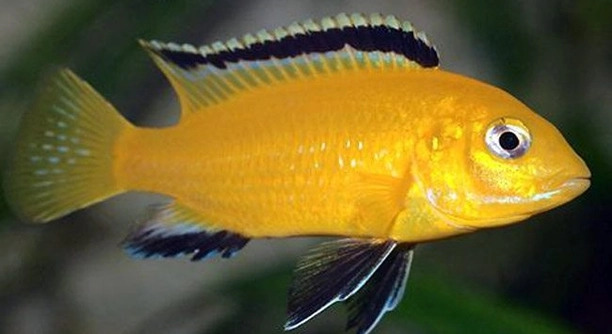
Electric Yellow Cichlids are bright, active fish that often capture attention in any aquarium. Their bold colors and energetic movements make them a favorite among fish keepers who enjoy lively and visually appealing aquatic setups.
Electric Yellow Cichlids can live with snails under controlled conditions. It is important to select robust snail species and provide adequate hiding spaces while monitoring the cichlids’ behavior to prevent potential aggression or accidental harm.
Understanding the right setup and compatible species ensures a balanced aquarium environment, supporting both the cichlids’ and snails’ well-being. Proper care enhances their coexistence in shared habitats.
Choosing the Right Snails for Electric Yellow Cichlids
Not all snails are suitable for tanks with Electric Yellow Cichlids. Larger, hard-shelled snails like Mystery or Nerite snails tend to withstand occasional nips from the cichlids. Soft-shelled or very small snails may be at risk, as the cichlids’ natural curiosity can turn into aggressive behavior. It is important to introduce snails slowly and observe how the cichlids react. Hiding spots such as rocks, plants, and decorations provide snails with refuge and reduce stress. A tank that is carefully arranged can allow both species to coexist with minimal conflict. Proper feeding of cichlids also helps, as they are less likely to bother snails if they are well-nourished. Monitoring water quality is equally essential, as snails produce waste, and cichlids are sensitive to changes in ammonia and nitrate levels. Maintaining stable water parameters ensures a healthier, calmer environment for all inhabitants.
Providing hiding spaces helps reduce stress and protects snails from being attacked or harassed by the cichlids.
Choosing compatible snails is only part of the equation. Observing behavior, maintaining water quality, and arranging the tank thoughtfully are all necessary. Snails need safe areas to retreat, while cichlids need territories to explore. Feeding routines influence interaction, as a well-fed cichlid is less likely to target snails. Regular checks on snail shells and overall health are crucial to spot potential issues early. Balancing tank population and monitoring behavior ensures both snails and cichlids thrive together, creating a visually appealing and peaceful aquarium that requires minimal intervention.
Tank Setup and Maintenance
A well-planned tank reduces conflict between snails and Electric Yellow Cichlids. Proper decoration, hiding spots, and feeding routines are essential for coexistence.
Maintaining clean water and stable conditions supports both species. Overcrowding or poor hygiene increases aggression and stress, which can harm snails and cichlids. Regular monitoring of ammonia, nitrite, and nitrate levels is necessary, as cichlids are sensitive to fluctuations. Aquatic plants and rocks not only provide shelter for snails but also help define territories for the cichlids. Substrate choice matters, as softer sand allows cichlids to dig without injuring snails. Filtration should be strong enough to handle waste but not create currents that stress snails. Feeding schedules should be consistent, offering sufficient nutrition to prevent cichlids from bothering snails. Observing interactions daily helps identify any changes in behavior that might signal stress or health concerns. A thoughtfully maintained aquarium encourages natural behavior, reduces conflict, and ensures both snails and cichlids live comfortably in a balanced environment.
Feeding Considerations
Electric Yellow Cichlids are omnivores and require a balanced diet to stay healthy. Providing high-quality pellets, occasional frozen or live foods, and vegetables ensures they are well-nourished. Proper feeding reduces the risk of aggression toward snails, as hunger often triggers unwanted behavior.
A consistent feeding routine is important to maintain calm interactions. Well-fed cichlids are less likely to nip at snails, which can prevent stress and injuries. Overfeeding should be avoided, as leftover food increases waste and can degrade water quality. Offering a mix of protein-rich foods and plant-based options meets nutritional needs and supports vibrant coloration. Observing cichlids during feeding helps ensure snails have safe access to algae wafers or other supplementary foods without competition. Balanced nutrition encourages natural behavior and keeps the tank environment stable for all inhabitants.
Monitoring feeding habits allows adjustments to prevent dominance or territorial disputes. Snails may need separate feeding to ensure they receive enough nutrients, especially in tanks with aggressive cichlids. Using feeding rings or placing food in different areas helps distribute resources fairly. Over time, you can determine which foods satisfy both cichlids and snails while maintaining water quality. This approach minimizes stress, supports health, and allows both species to coexist without frequent intervention, creating a calmer and more predictable aquarium environment.
Monitoring Behavior
Regular observation is key to preventing conflicts between Electric Yellow Cichlids and snails. Watching interactions daily helps identify aggression or stress early before it causes injury.
Cichlids may occasionally chase or nip at snails, especially when establishing territory. It is important to note patterns in behavior, such as repeated targeting of specific snails or areas of the tank. If aggression becomes frequent, rearranging decorations, adding more hiding spots, or adjusting feeding schedules can help reduce tension. Snails may also display defensive behaviors like retreating into shells or hiding under rocks, which indicate stress levels. Keeping a journal of behavior changes over time provides valuable insight into the tank’s dynamics. Additionally, separating overly aggressive cichlids temporarily can prevent harm. Understanding these interactions helps maintain a balanced and safe environment for both species.
Tank Size and Space
A spacious tank reduces stress and aggression in Electric Yellow Cichlids. Larger aquariums give both cichlids and snails room to move, explore, and establish territories without frequent confrontations.
Providing at least a 30-gallon tank for a few cichlids ensures enough space. More fish require proportionally larger tanks to maintain a healthy, balanced environment.
Decorations and Hiding Spots
Rocks, plants, and caves are essential for creating hiding spots. These structures allow snails to retreat safely and give cichlids areas to explore. Proper decoration prevents constant chasing, reduces stress, and supports natural behaviors.
Water Parameters
Stable water conditions are crucial for the health of cichlids and snails. Maintaining pH around 7.8 to 8.6 and temperature between 74-80°F ensures both species thrive. Regular testing and partial water changes help prevent stress and illness.
Compatibility with Other Fish
Electric Yellow Cichlids are semi-aggressive and may not coexist with all species. Choosing tank mates carefully minimizes conflicts and ensures a peaceful aquarium environment.
FAQ
Can Electric Yellow Cichlids eat snails?
Electric Yellow Cichlids are primarily omnivorous but can sometimes nibble on small or soft-shelled snails. Larger, hard-shelled snails like Nerite or Mystery snails are generally safe. Providing enough food and hiding spots reduces the likelihood of cichlids targeting snails. Observing behavior is important to prevent injuries.
What snail species are safe with Electric Yellow Cichlids?
Robust species like Nerite, Mystery, and Apple snails are typically compatible. Smaller or delicate snails, such as Ramshorn or Malaysian Trumpet snails, may be at risk. Ensure hiding places and stable water conditions to maintain snail safety. Avoid introducing snails that cannot tolerate the tank’s pH or temperature.
How can I prevent my cichlids from bothering snails?
A consistent feeding schedule and sufficient nutrition help reduce aggression. Adding rocks, caves, and dense plants provides snails with safe areas to retreat. Rearranging decorations occasionally can break up established territories and prevent repeated harassment. Observation and adjusting the tank layout are key.
Will snails survive in a cichlid tank long-term?
Yes, if the snails are large and hard-shelled and the tank is well-maintained. Water quality, proper feeding, and enough hiding spots determine their survival. Regular checks on shell health and behavior help ensure snails remain stress-free and safe from aggressive cichlids.
Do Electric Yellow Cichlids destroy snail shells?
Occasionally, cichlids may chip or crack weak shells while exploring or digging. Strong, thick shells like those of Mystery or Nerite snails withstand most interactions. Providing hiding areas minimizes contact and prevents damage. Regular monitoring helps spot any shell damage early.
How many snails can I keep with cichlids?
The number depends on tank size, cichlid population, and available hiding spots. Overcrowding increases stress for both species. For a 30-gallon tank with a small group of cichlids, two to four larger snails are usually safe. Adjust numbers based on behavior and available space.
Do cichlids eat snail eggs?
Some cichlids may eat small, exposed snail eggs, especially if they are hungry. Placing snail breeding areas in protected spaces or using floating plants can help eggs survive. Observation ensures eggs are not constantly consumed and allows successful snail reproduction.
Can I feed snails separately in a cichlid tank?
Yes, providing algae wafers or vegetables in areas away from cichlids helps snails get enough nutrition. Snails are slow feeders and may struggle to compete if food is consumed quickly by cichlids. Placement in corners or under decorations is effective.
What signs show snails are stressed by cichlids?
Snails hiding constantly, retreating deeply into shells, or showing damaged shells are common stress indicators. Reduced movement or slow feeding also signals stress. Observing daily behavior allows early intervention, such as adding more shelters or temporarily separating aggressive cichlids.
Is it necessary to monitor water quality more with snails present?
Yes, snails add waste and uneaten food contributes to ammonia and nitrate levels. Regular water testing and partial water changes keep the environment safe. Stable pH, hardness, and temperature are essential for both snails and cichlids, reducing stress and promoting healthy cohabitation.
Can snails help the tank with cichlids?
Snails aid in algae control and help clean uneaten food, but they cannot replace regular maintenance. Their waste contributes to nutrients in the tank, so monitoring water parameters is still necessary. Proper balance ensures snails provide benefits without compromising water quality.
Will introducing snails cause aggression among cichlids?
Adding snails typically does not trigger aggression if the tank is adequately sized. Aggression is more likely due to territorial disputes or overcrowding. Placing snails gradually and providing plenty of hiding areas helps maintain harmony. Observation during the first few days is crucial.
Are baby snails safe in a cichlid tank?
Small hatchlings are vulnerable and often become targets for cichlids. Using breeding traps, dense plants, or separate tanks for babies increases survival chances. Once they grow larger and develop hard shells, they can be reintroduced safely.
Do snails affect cichlid health?
Healthy snails do not harm cichlids. They can improve water quality slightly by consuming leftovers. However, overpopulation or decaying snail matter can negatively impact water parameters, stressing cichlids. Proper tank management keeps both species healthy.
How often should I check on snails with cichlids?
Daily visual checks are recommended, especially when introducing new snails or cichlids. Look for signs of shell damage, missing snails, or stress behaviors. Regular monitoring allows timely adjustments to feeding, decorations, or tank conditions to maintain a peaceful coexistence.
Can I keep snails with juvenile cichlids?
Juvenile cichlids are generally less aggressive than adults, but they may still explore and nibble on smaller snails. Using robust snail species and providing hiding spots ensures safety. Juvenile behavior should be monitored as they grow, since aggression may increase with maturity.
Do snails reproduce too quickly in a cichlid tank?
Snails can reproduce rapidly under ideal conditions. Overpopulation may lead to stress for cichlids and water quality issues. Controlling food, limiting breeding areas, and occasionally removing excess snails help maintain balance in the aquarium.
Can cichlids and snails coexist in small tanks?
Small tanks increase stress and territorial disputes. While coexistence is possible, it requires careful monitoring, fewer fish, and fewer snails. Providing extra hiding places and maintaining stable water parameters are critical to minimize conflicts and protect both species.
Should snails be quarantined before adding to a cichlid tank?
Yes, quarantining new snails helps prevent introducing diseases or parasites. A two-week observation in a separate container ensures they are healthy and reduces risks to the established cichlids. Clean water and careful inspection are essential during quarantine.
Can snails escape from cichlid tanks?
Snails may climb glass walls or decorations, especially Nerite snails. Ensure lids are secure and tank edges are clear. Some species are more active climbers, so monitoring escape attempts prevents snails from drying out or being lost outside the tank.
Do snails require special care in a cichlid tank?
Snails require clean water, proper calcium for shell growth, and accessible food. With attentive care, they thrive alongside cichlids. Adequate hiding spots and feeding strategies ensure both species remain healthy and active without interference or stress.
Can cichlids and snails live together long-term?
Yes, with careful species selection, proper tank setup, stable water parameters, and monitoring, they can coexist for years. Attention to behavior, feeding, and tank balance ensures a peaceful environment and long-term health for both cichlids and snails.
Do snails reproduce uncontrollably with Electric Yellow Cichlids?
Reproduction depends on tank conditions and available food. Controlling nutrients, hiding areas, and population management prevents overpopulation. Regular observation ensures snails remain in manageable numbers without affecting cichlid health or water quality.
Are there risks to cichlids from snails?
Healthy snails pose little risk. Potential issues include water quality decline if populations are excessive or shells become brittle, causing injury. Maintaining balanced numbers and monitoring conditions prevent problems, ensuring safe cohabitation.
How to handle aggressive cichlids toward snails?
Rearranging tank layout, increasing hiding spots, separating aggressive individuals temporarily, and ensuring sufficient food reduce attacks. Observation and proactive adjustments maintain snail safety and overall harmony in the aquarium.
Is it better to introduce snails before or after cichlids?
Introducing snails after cichlids allows cichlids to establish territories first. This reduces the likelihood of constant chasing. Ensure hiding spaces are available and monitor initial interactions closely to prevent stress or injuries to snails.
Can snails survive if cichlids are overactive?
Yes, with robust shells and sufficient hiding spots. Monitoring activity levels and adjusting tank design helps snails remain safe. Stress from frequent chasing can be mitigated with strategic placement of decorations and feeding areas.
Do Electric Yellow Cichlids need specific foods to ignore snails?
A balanced diet rich in protein and vegetables reduces the likelihood of cichlids harassing snails. Consistent feeding schedules and adequate nutrition keep their focus on their food rather than exploring or nibbling on snails.
Are Nerite snails better than Mystery snails with cichlids?
Nerite snails are smaller but extremely hardy and less likely to be eaten. Mystery snails are larger and can withstand moderate cichlid activity. Both species are suitable, but tank size and cichlid behavior should guide selection.
Do snails help maintain algae in a cichlid tank?
Yes, snails consume algae, contributing to cleanliness. They reduce the need for manual scrubbing but cannot replace proper maintenance. Their activity supports overall tank health and aesthetics while coexisting with cichlids.
How often should I clean the tank with snails present?
Regular maintenance is essential. Partial water changes every week or two, removing uneaten food, and monitoring water parameters keeps both snails and cichlids healthy. Clean surfaces and filters prevent stress and maintain balance.
Can snails and cichlids share plants safely?
Yes, but monitor for damage. Cichlids may uproot or nibble on delicate plants. Hardy or anchored plants provide shelter for snails without risking plant destruction, supporting a natural tank environment.
Do cichlids recognize snails as living creatures?
Cichlids are curious and explore with their mouths. They may perceive snails as obstacles or novelty rather than prey, especially if snails are large and hard-shelled. Over time, many cichlids ignore non-threatening snails once they are familiar.
Can snails survive with multiple cichlids?
Yes, if hiding spots and food are sufficient. Multiple cichlids increase territorial behavior, so tank size, decorations, and careful observation are essential to prevent stress or injuries to snails.
Electric Yellow Cichlids and snails can coexist peacefully in a well-maintained aquarium. Choosing the right snail species is the first step toward a harmonious tank. Large, hard-shelled snails like Nerite or Mystery snails are best suited to handle occasional curiosity or mild nipping from cichlids. Smaller or delicate snails are more vulnerable, so they require extra care or may not be suitable at all. Providing adequate hiding spaces with rocks, plants, and decorations ensures snails have safe areas to retreat, reducing stress and potential injury. Tank layout plays a key role, as cichlids are territorial and may chase snails if there is little room to explore. A balanced combination of hiding spots and open swimming areas allows both species to engage in natural behaviors without constant conflict. Proper monitoring in the first days of introduction is essential to observe reactions and make adjustments if any aggression appears.
Feeding is another important factor in maintaining peace between Electric Yellow Cichlids and snails. Well-fed cichlids are less likely to bother snails, as hunger is often a trigger for nipping or chasing behavior. Offering a balanced diet that includes pellets, occasional frozen or live foods, and plant-based options supports their health and keeps them satisfied. Snails also need supplemental food, such as algae wafers or vegetables, especially in a tank where cichlids dominate feeding areas. Strategically placing food in different parts of the tank ensures both species can eat without competition. Consistent feeding schedules and observing how both snails and cichlids respond during mealtime help maintain calm interactions. Overfeeding should be avoided, as leftover food can deteriorate water quality, creating a stressful environment for all inhabitants.
Maintaining stable water conditions is crucial for the long-term health of both Electric Yellow Cichlids and snails. Regular monitoring of temperature, pH, ammonia, nitrite, and nitrate levels keeps the tank environment safe and supports overall well-being. Partial water changes and proper filtration prevent harmful buildup from fish and snail waste. Tank size and population balance are also critical, as overcrowding increases stress and territorial disputes. By providing adequate space, hiding spots, proper nutrition, and consistent care, snails and Electric Yellow Cichlids can thrive together. Observing behavior, making adjustments when necessary, and maintaining water quality ensures a peaceful, balanced aquarium where both species remain healthy and active. Coexisting successfully requires attention and effort, but with proper care, it is possible to enjoy the vibrant colors of the cichlids alongside the quiet presence of snails.

Hello,
If you enjoy the content that we create, please consider saying a "Thank You!" by leaving a tip.
Every little bit helps us continue crafting quality advice that supports the health, happiness, and well-being of pets around the world, for pets of all shapes, sizes, and species.
We really appreciate the kindness and support that you show us!