
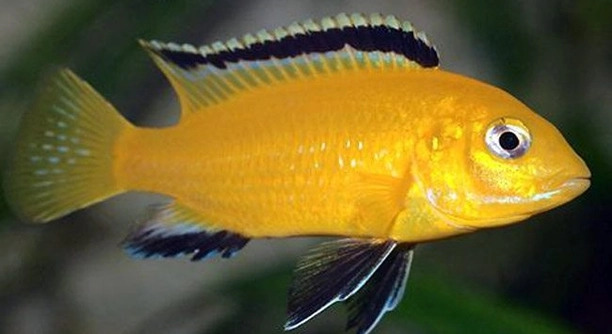
Do you ever find yourself watching your cichlids glide through the tank, noticing small movements that seem to express more than simple swimming, creating curiosity about how they claim their territory in subtle ways today.
Cichlids display specific movements that reflect spatial ownership, including posturing, flaring fins, directed swimming patterns, and controlled displays near areas. These behaviors function as territorial messages, allowing individuals to establish dominance, maintain boundaries, and secure essential resources within their environment.
As you read further, you will notice how each movement shapes balance of comfort, confidence, and harmony within this tank.
Fin Flaring and Territorial Signals
When cichlids flare their fins, the movement often shows how strongly they feel about a certain area inside the tank. This display looks bold and bright, and it helps them show confidence without starting a direct fight. You might notice your cichlids stretching their fins wider when another fish comes too close, making their bodies appear larger while keeping their actions controlled. This moment usually signals that the spot they are guarding matters to them, whether it is a cave, a rock, or a quiet corner they prefer. These movements are steady and clear, allowing you to see how your fish communicate without sound. As they continue to live in the same space, these actions become part of their daily routine, shaping the flow of the tank and giving each fish a sense of structure while keeping tension from rising in a calm and balanced way that feels natural everyday.
Fin flaring works as a silent message that defines personal comfort zones inside the tank, helping each cichlid claim space without constant conflict. This display supports smoother interactions and reduces stressful moments that might occur when fish compete for the same sheltered spots or preferred resting areas in daily life.
Watching these movements over time gives you a clearer sense of how your cichlids manage their surroundings. Their displays may seem small, yet they shape how each fish settles into its space. You might notice calmer swimming once boundaries feel understood, showing how these signals support comfort inside the tank. As patterns repeat, you learn how each fish expresses confidence through gentle actions. These moments help you understand the rhythm of your tank, allowing you to spot changes early and respond as needed. With steady observation, you begin to see how simple movements reflect comfort, security, and stability each day.
Subtle Swimming Patterns That Mark Boundaries
Some cichlids use slow, deliberate swimming patterns to mark areas they prefer, circling spots that feel important to them. These motions create gentle boundaries that other fish usually respect. Over time, these patterns guide tank flow and reduce tension among individuals sharing the same space in their daily tank routine.
Understanding these swimming patterns helps you see how your cichlids manage their surroundings with calm, steady movements. They may move in short bursts near a chosen object, then glide slowly around it, reinforcing the idea that the area belongs to them. This pattern becomes clear once you watch closely for repeated motions. Some fish will track the edges of their chosen space with deliberate pacing, creating an invisible outline that other fish begin to learn over time. These actions reduce unnecessary tension and allow each individual to enjoy predictable access to resting spots or feeding zones. When newer fish enter the tank, they often adjust their behavior once they recognize these established paths. This system keeps interactions smooth and prevents stressful confrontations that could harm delicate fins or disrupt the balance of the group. By watching these movements each day, you gain a better sense of how your tank functions and how each fish contributes to its atmosphere. These swimming patterns are small signals, yet they shape how your fish share space with one another, allowing comfort and stability to grow naturally within their shared habitat as they continue forming steady routines that keep the tank peaceful and gently balanced.
Lateral Displays and Body Angling
Lateral displays often appear when a cichlid wants to show strength without escalating tension. The fish turns its body to the side, holding a firm posture that marks an important area. This movement signals stability and helps maintain a calm balance within the tank.
These displays become clearer when a cichlid repeats them near a chosen object or resting spot. The fish may hold its body at a slight angle, allowing its colors to show more intensely while keeping its movements steady. This behavior works as a quiet statement that the space is claimed. Other fish usually respond by shifting their paths, preventing unnecessary conflict. Over time, these actions help shape the tank’s structure, allowing each individual to settle into comfortable routines. With regular observation, you begin to notice how easily these signals influence the flow of interactions among your fish.
Body angling also supports peaceful adjustments when new tank mates arrive. Instead of sudden aggression, a cichlid may use these movements to define boundaries early. The angling is deliberate, almost measured, allowing both fish to understand each other’s limits. This reduces stressful encounters and helps the group remain balanced. As these patterns repeat, your tank becomes more predictable. You start recognizing which fish hold certain areas and how they maintain them with calm gestures. These signals, while subtle, guide the overall comfort inside the tank.
Rock Hovering and Station Holding
Rock hovering is a reliable sign of territorial intention, especially when a cichlid remains close to a specific spot for extended periods. The steady hovering, paired with brief forward motions, reinforces ownership of that section and influences how nearby fish move around their shared space.
Station holding becomes more noticeable when the cichlid keeps its body aligned in one position, using gentle fin adjustments to stay anchored near an object. This behavior shows focus and commitment to a particular area. Other fish learn to understand these signals and begin adjusting their routes accordingly. Over time, this establishes a calm rhythm inside the tank. The consistency of station holding helps reduce sudden clashes, since most fish recognize that the hovering individual has a clear preference for that space. Watching these movements gives you insight into how your fish interact and how the tank settles into a steady pattern.
Sand Shifting and Ground Claiming
Sand shifting often appears when a cichlid wants to shape the area to its liking. The fish moves small amounts of substrate with quick mouthfuls or gentle fin sweeps, forming small pits that signal a preferred zone within the tank.
These movements become steady when the fish feels strongly about that space. The repeated scooping and pushing creates a clear marker while guiding other fish away. This simple action helps maintain comfort and structure around the chosen spot.
Quick Chase Bursts for Boundary Reinforcement
Short chase bursts are used to remind nearby fish of existing boundaries. These movements are brief and controlled, often stopping as soon as the other fish shifts direction. This helps maintain order without causing unnecessary stress. Over time, these bursts teach the group where each individual prefers to settle. You may notice the tank becoming calmer once these boundaries feel familiar and respected. This pattern keeps tension low and allows each cichlid to hold its space confidently inside a shared environment.
Subtle Gill Pulsing Near Claimed Areas
Subtle gill pulsing appears when a cichlid wants to express mild tension or reinforce presence near a chosen spot. The steady rhythm works as a quiet signal, allowing the fish to hold its place while keeping interactions from escalating.
FAQ
Why does my cichlid flare its fins constantly?
Constant fin flaring usually signals that your cichlid feels the need to assert its territory. This behavior often happens near preferred spots like caves, rocks, or feeding areas. While it may look aggressive, it is often a controlled display to prevent conflict with other fish and maintain personal space. Watching where and when it flares helps you understand which areas are most important to your cichlid and allows you to arrange decorations or hiding spots to reduce stress and keep the tank balanced.
Is sand shifting harmful to the tank or other fish?
Sand shifting is a natural behavior that helps cichlids claim and personalize their space. As long as the substrate is safe, this behavior is not harmful. It may stir up the tank temporarily, but it rarely causes serious disruption. Other fish typically learn to avoid the area, reducing conflicts. Regular observation ensures the substrate remains clean, and providing multiple hiding spots or pits can prevent overcrowding and competition. Sand shifting is a sign of healthy territorial instincts and allows your cichlid to feel secure.
Why does my cichlid chase others in short bursts?
Short chase bursts are a form of boundary reinforcement. Your cichlid is not always aggressive but is reminding others where its space begins. These bursts are brief and often end once the other fish moves away. This keeps tensions low while ensuring the dominant fish maintains control of a preferred area. Understanding these behaviors allows you to predict interactions and avoid sudden stress for other tank mates, keeping the aquarium calm and organized.
How can I tell when a cichlid is marking its territory?
Territorial marking appears in several ways, including fin flaring, lateral displays, body angling, hovering near rocks, sand shifting, and subtle gill pulsing. These movements often repeat in specific areas, showing preference and ownership. Consistent patterns over time indicate established boundaries, while changes in behavior may signal stress, discomfort, or adjustments to new tank mates. Observing carefully helps you understand the social dynamics and manage the tank for better harmony.
Do cichlids fight when marking territory?
Actual fighting is uncommon if boundaries are respected. Most behaviors, like fin flaring, chasing, and body displays, are warnings rather than attacks. Providing sufficient space, hiding spots, and visual barriers reduces the risk of fights. Monitoring how fish respond to each other helps maintain a peaceful environment while letting cichlids express natural territorial instincts.
Can multiple cichlids share a small tank without conflict?
It is possible, but careful observation and planning are key. Smaller tanks require more visual barriers, rocks, and decorations to let each fish claim personal space. Overcrowding increases stress and can intensify chasing or aggressive displays. Adjusting stocking levels and providing separate areas ensures each cichlid can feel secure without constant conflict, keeping the tank balanced and calm.
Why does my cichlid hover near rocks or decorations?
Hovering near objects shows the fish values that spot and wants to maintain control. This behavior can be paired with slight fin movements or gill pulsing, reinforcing presence. These small, quiet signals prevent escalation with other fish while allowing the cichlid to maintain comfort. It is a subtle but clear way your fish communicates ownership and sets boundaries.
How do I reduce stress from territorial behavior?
Stress is reduced by arranging multiple areas for hiding, adding rocks or decorations to create visual breaks, and keeping compatible species together. Avoid sudden changes in the tank and observe interactions to ensure boundaries are respected. Providing ample space and consistent feeding helps cichlids feel secure, reducing aggressive displays and supporting calm daily routines.
Do cichlid movements change as they age?
Yes, as cichlids mature, their territorial displays often become more deliberate. Younger fish may explore more freely, while adults establish steady patterns of fin flaring, hovering, and body angling. Recognizing these changes helps you anticipate behaviors and maintain harmony as social structures within the tank evolve.
Is it normal for cichlids to mark territory even without other fish around?
Yes, territorial behavior is instinctive. Even without competitors, cichlids may flare fins, shift sand, or hover near preferred spots. These actions create a sense of security and comfort. Observing these patterns alone allows you to understand their preferences and ensure the environment supports their natural instincts.
How can I tell if a behavior is aggression or simple territory marking?
Aggression usually involves prolonged chasing, biting, or damage to fins and scales. Territory marking, in contrast, includes brief displays, controlled fin flaring, and subtle gill movements. Watching the duration, intensity, and response of other fish helps distinguish between normal territorial behavior and true aggression, letting you intervene only when necessary.
What should I do if territorial behavior becomes extreme?
If chasing, flaring, or sand shifting causes repeated stress or harm, consider rearranging the tank to create visual barriers, adding extra hiding spots, or reducing stocking density. Observing which areas trigger the behavior helps you modify the environment. In some cases, separating highly dominant fish temporarily may restore balance and prevent ongoing tension.
Can I encourage peaceful cohabitation among cichlids?
Yes, by offering plenty of space, multiple structures, and consistent feeding. Ensuring each fish has access to resources reduces competition. Observing movement patterns, respecting natural territories, and arranging the tank thoughtfully helps maintain harmony while allowing cichlids to express natural behaviors safely.
How long do cichlids maintain established territories?
Territories can be stable for weeks or months, depending on tank dynamics and individual fish. Changes such as new tank mates, rearranged decorations, or fluctuating stress levels can cause adjustments. Observing consistency in movements like fin flaring, hovering, and sand shifting helps you understand when territories are secure or being renegotiated.
Do all cichlid species display the same territorial behaviors?
Most cichlids show similar patterns like fin flaring, body angling, and chasing, but intensity and frequency vary by species. Some are more aggressive and assertive, while others are subtle and calm. Recognizing species-specific behaviors allows you to manage interactions effectively and maintain a peaceful tank environment.
Can I use decorations to influence territorial behavior?
Yes, rocks, caves, and plants create clear zones that fish can claim. Proper placement reduces conflict and allows each cichlid to feel secure. Decorations act as natural boundaries, supporting comfort and allowing predictable movement patterns that maintain tank balance over time.
How does feeding affect territorial movements?
Feeding often triggers displays like chasing or flaring as fish assert dominance over food areas. Providing multiple feeding spots or spreading food reduces competition. Observing which fish take priority at feeding times helps you adjust placement and portions to maintain calm and fair access to resources.
Will new tank mates trigger more territorial behaviors?
Yes, introducing new fish can cause temporary increases in chasing, fin flaring, or sand shifting. The established fish may reinforce boundaries, while newcomers explore. Providing visual barriers and hiding spots helps ease introductions, allowing each fish to find comfort without escalating conflict.
Do territorial behaviors indicate health or stress?
Regular, controlled territorial displays often indicate healthy instincts. Excessive or frantic movements, frequent chasing, or damaged fins may signal stress, overcrowding, or illness. Observing behaviors over time helps you distinguish normal patterns from warning signs and ensures the tank remains safe and balanced.
How can I monitor and track these behaviors effectively?
Regular observation at different times of day helps track fin flaring, hovering, sand shifting, and chasing patterns. Recording locations and frequency of behaviors allows you to see trends, identify preferred territories, and spot changes early. This approach supports better management of tank dynamics and fish well-being.
Are these behaviors consistent across tank conditions?
Behaviors may change with lighting, water quality, and space availability. Poor conditions or stress can increase aggression or reduce territorial displays. Maintaining stable water parameters, adequate space, and predictable routines encourages normal, controlled territorial behavior.
Can I safely introduce more cichlids to an established tank?
Introducing additional fish requires planning. Ensure sufficient space, hiding areas, and observe how existing fish react. Gradual introductions with visual barriers reduce stress, allowing new cichlids to establish territories without causing extreme tension. Monitoring interactions closely ensures a smooth adjustment period.
How do I distinguish dominance from territoriality?
Dominance often involves consistent control over multiple resources and persistent chasing. Territoriality focuses on specific areas or objects with defined boundaries. Watching which spots a fish defends versus general control helps you separate natural territorial instincts from broader dominance behaviors.
Does tank size impact territorial behavior?
Yes, smaller tanks intensify competition and increase aggressive displays. Larger tanks provide room for separate territories, reducing stress. Ensuring enough space, structures, and hiding spots supports natural behaviors while minimizing conflict, keeping the tank calmer and fish healthier over time.
Can rearranging decorations reduce tension?
Strategically moving rocks, caves, and plants can break up contested areas and create new spaces for fish to claim. This reduces repeated conflict and allows less dominant fish to find comfort. Gradual adjustments give cichlids time to settle into new boundaries naturally.
Are certain cichlid species better for shared tanks?
Some species are naturally less aggressive and tolerate cohabitation better, while others are highly territorial. Researching species-specific behavior and compatibility is key. Selecting a mix of compatible fish and providing clear territories reduces stress and supports balanced tank dynamics.
Do territorial behaviors ever fade over time?
They may lessen once boundaries are established and social hierarchies settle. Fish often maintain predictable patterns that reduce conflict. Regular monitoring ensures behaviors remain healthy and allows intervention if tension resurfaces due to environmental changes or new introductions.
How does observation help manage the tank?
Watching behaviors like fin flaring, hovering, sand shifting, and chasing lets you understand each fish’s preferences and comfort zones. Observation guides placement of structures, feeding routines, and tank introductions, creating a peaceful, balanced environment that respects natural territorial instincts.
Final Thoughts
Cichlids are fascinating fish, and their movements reveal a lot about how they feel and interact with their environment. Watching fin flaring, hovering, lateral displays, and sand shifting can tell you which areas they value most. Each fish develops its own pattern of behavior to establish and maintain territory, which helps reduce unnecessary conflict and keeps the tank balanced. Over time, these repeated actions create a rhythm in the aquarium, where every fish understands its own boundaries as well as those of others. Recognizing these signals allows you to see the natural social structure forming and helps you make decisions about tank arrangements, feeding spots, and hiding places to support harmony. Understanding territorial behavior is not only interesting but also practical, as it keeps your fish healthy and minimizes stress in a shared space.
Territorial behaviors may appear aggressive at first, but most of them are subtle forms of communication rather than actual threats. Quick chases, fin displays, and gill pulsing are usually brief and controlled, allowing cichlids to communicate ownership without harming one another. By observing these actions carefully, you can distinguish between normal territorial displays and signs of true aggression, which may require intervention. Providing enough space, multiple hiding spots, and visual barriers helps fish maintain their territories without constant confrontation. As each cichlid establishes its preferred spots, you will notice a calmer, more organized environment where interactions are predictable and stress is minimized. The key is consistency and observation, ensuring the tank’s layout supports these natural behaviors while preventing overcrowding or unnecessary tension.
Finally, learning to read these movements helps you connect more closely with your cichlids and their needs. You begin to understand which areas are essential to them, when a fish feels insecure, or when the tank dynamics are shifting. Each small action, from sand shifting to subtle swimming patterns, provides information about comfort, dominance, and routine. Paying attention to these details allows you to manage the aquarium proactively, keeping your fish healthy and their environment stable. It also encourages a deeper appreciation of their natural instincts and personalities. Supporting their territorial behavior with thoughtful tank arrangements and consistent care ensures a peaceful and thriving habitat, where every cichlid can express itself naturally while coexisting with others.

Hello,
If you enjoy the content that we create, please consider saying a "Thank You!" by leaving a tip.
Every little bit helps us continue crafting quality advice that supports the health, happiness, and well-being of pets around the world, for pets of all shapes, sizes, and species.
We really appreciate the kindness and support that you show us!