
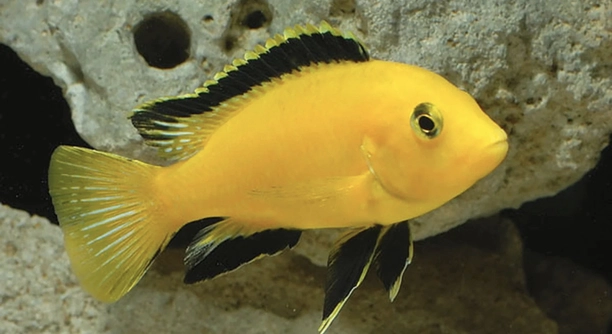
Do you ever watch your Electric Yellow Cichlids and notice their unusual sleeping habits? These bright, lively fish often rest in short, rapid bursts, which can seem puzzling to anyone observing their daily routines.
Electric Yellow Cichlids sleep in 7-second bursts as an adaptive behavior to remain alert in their natural environment. This brief rest pattern allows them to conserve energy while maintaining vigilance against potential threats in their habitat.
Understanding this unique sleep pattern can help you better care for your cichlids and appreciate the natural instincts behind their behavior. It offers insight into their overall health and daily activity cycles.
How Short Bursts Help Cichlids Stay Safe
Electric Yellow Cichlids live in environments where predators are always a concern. Their 7-second sleep bursts are a survival adaptation that lets them rest without losing awareness. During these brief naps, parts of their brain remain alert, allowing instant reaction to threats. This method of resting is very different from longer sleep cycles seen in mammals. In an aquarium, this instinct is still present. Even without predators, cichlids continue this behavior because it is hardwired. Observing them, you might see a fish pause, close its eyes slightly, and then resume swimming. Their body remains ready for quick movement, making it almost impossible to notice that they are resting. This strategy also helps them conserve energy efficiently, as short bursts reduce fatigue without compromising vigilance. Over time, these bursts shape their daily rhythm, giving insight into how they have adapted to both wild and captive conditions.
Short sleep bursts allow cichlids to maintain energy while staying alert, reflecting a natural adaptation to constant environmental vigilance.
Even in a calm tank, cichlids’ short sleeping bursts influence behavior. They may appear restless or twitch slightly while at rest. This pattern ensures they do not fully relax for too long, maintaining readiness. By monitoring these bursts, you can better understand feeding schedules, tank layout preferences, and social interactions. It also explains why they rarely stay motionless for extended periods. Recognizing these subtle movements helps improve care, including lighting, hiding spaces, and feeding routines, making the aquarium a more suitable environment for their natural instincts. Observing these habits carefully can enhance the overall health and comfort of your fish, reducing stress and promoting longer life spans in captivity.
Environmental Factors Affecting Sleep Patterns
Tank conditions influence how frequently and effectively cichlids sleep. Light, temperature, and water flow all play a role.
Lighting levels, water temperature, and tank decor impact the timing and comfort of these short sleep bursts. Sudden changes can disrupt resting patterns, causing stress or irregular activity. Maintaining stable conditions allows cichlids to follow their natural rhythm. For instance, dim lighting at night encourages brief naps, while clear hiding spots provide security during rest periods. Water temperature influences metabolism, affecting energy levels and duration of rest. Gentle water flow helps them settle without exertion, while turbulent currents may interrupt bursts. Tank companions also influence sleep; aggressive or highly active fish nearby can cause cichlids to shorten or delay their rest. By monitoring and adjusting environmental factors, you can support their natural sleeping behavior, ensuring they remain healthy and active. Observing responses to these adjustments can guide optimal tank management, enhancing both wellbeing and natural behavioral patterns.
Feeding and Activity Cycles
Electric Yellow Cichlids often align their sleep bursts with feeding times. Short rests between activity periods help them remain alert while waiting for food. Their metabolism supports frequent bursts of movement, making them efficient at spotting and consuming meals.
These cichlids show predictable patterns during feeding. They may dart quickly to grab food and then return to short rest cycles. Their brief naps help them maintain readiness for the next opportunity without losing energy. In group settings, dominant fish often control feeding areas, while others remain alert, using sleep bursts strategically. Observing these cycles can inform feeding schedules and portion sizes to match their natural behavior, ensuring all fish stay healthy and active. Proper timing helps reduce aggression and supports balanced energy expenditure.
Activity and rest are tightly linked in Electric Yellow Cichlids. Short sleep bursts allow them to respond quickly to tank changes, interactions, or potential threats. Even during routine movement, they may pause briefly, displaying micro-rests that maintain alertness. These pauses support both physical recovery and mental vigilance, allowing cichlids to navigate their environment efficiently. Over time, consistent observation reveals patterns between feeding, social interaction, and rest, helping caretakers anticipate behavior. Providing structured feeding times and stable tank conditions complements these natural cycles, promoting healthier, more predictable activity and reducing unnecessary stress.
Social Influence on Sleep Patterns
Cichlids’ sleeping behavior is affected by tank mates and social hierarchy. Dominant fish often control the safest resting areas, forcing others to adapt their sleep bursts.
The presence of other fish significantly shapes short sleep cycles. Subordinate fish may take shorter or staggered naps to avoid confrontation or interference from dominant cichlids. Group dynamics determine where and when each fish rests, with preferred hiding spots becoming critical for security. Social stress can lengthen alert periods, reducing the effectiveness of rest. Providing multiple shelters and balanced population levels helps all fish maintain natural sleep patterns. Careful observation of interactions allows adjustments to tank layout or group composition, ensuring cichlids can perform short bursts comfortably without prolonged stress or conflict.
Light and Dark Cycles
Electric Yellow Cichlids adjust their sleep bursts according to lighting conditions. Brighter light encourages activity, while dimmed lighting signals short rest periods, helping them maintain natural rhythms.
Artificial or inconsistent lighting can disrupt these cycles. Gradual transitions between day and night conditions support their short, frequent naps and overall wellbeing.
Tank Setup Considerations
Tank layout directly influences resting behavior. Open areas allow brief pauses during swimming, while hiding spots provide secure locations for uninterrupted short sleep bursts. Rocks, plants, and caves create varied environments that let cichlids choose when and where to rest safely. Proper arrangement minimizes stress and supports natural instincts.
Stress and Recovery
Stress affects the frequency and quality of sleep bursts. Overcrowding, aggressive tank mates, or sudden changes can reduce rest, making cichlids more reactive and less healthy. Monitoring stress indicators and providing stable conditions helps restore natural sleep patterns efficiently.
FAQ
Why do Electric Yellow Cichlids sleep in such short bursts?
They have evolved to rest briefly to stay alert against predators. Short bursts allow parts of their brain to remain active while conserving energy, ensuring they can respond quickly to any threats or changes in their environment.
How can I tell if my cichlids are resting properly?
Look for small pauses in swimming, slight eye closure, or minimal body movement. Even during these micro-rests, they remain alert and ready to react. Healthy fish maintain regular short bursts without signs of stress or fatigue.
Do tank conditions affect their sleep patterns?
Yes, lighting, water temperature, flow, and tank setup all influence sleep. Dim lighting encourages rest, stable temperature maintains metabolism, and calm water flow allows short bursts without disruption. Adequate hiding spots give them secure places for uninterrupted naps.
Can stress change their sleep behavior?
Stress from overcrowding, aggressive tank mates, or sudden changes can shorten or disrupt sleep bursts. Fish under stress may appear restless, twitch, or take irregular pauses. Maintaining a calm and stable environment helps restore normal sleep behavior.
How does social hierarchy impact their rest?
Dominant fish often claim preferred resting spots, forcing others to adjust their micro-naps. Subordinate fish may take staggered or shorter bursts to avoid conflict. Multiple shelters and balanced populations reduce social stress, allowing all fish to rest efficiently.
Does diet influence their sleep?
Proper feeding supports energy levels needed for brief rest cycles. Overfeeding or inconsistent schedules can disrupt their activity and resting rhythm. Balanced portions timed to natural activity patterns help maintain healthy micro-sleep bursts and overall vitality.
Can I encourage better sleep in my aquarium?
Yes, maintain stable lighting with gradual transitions, provide secure hiding spots, avoid overcrowding, and minimize sudden changes. These measures allow cichlids to perform natural short sleep bursts without interruption. Observing their behavior regularly helps ensure the tank meets their needs.
Are there signs that my cichlids are not getting enough rest?
Rest-deprived fish may appear more skittish, overactive, or show reduced appetite. Extended periods of agitation or abnormal swimming patterns indicate stress or disrupted sleep. Adjusting tank conditions, diet, and social balance can help restore proper rest cycles.
Do cichlids sleep more at night?
Electric Yellow Cichlids align short bursts with light cycles. They tend to rest more frequently during dimmer periods while remaining alert, simulating natural day-night rhythms. Gradual lighting transitions in aquariums support this natural pattern and encourage healthy sleep.
Can tank decorations influence sleep?
Yes, rocks, plants, and caves provide security and choice for resting spots. Open areas allow micro-pauses during swimming, while hiding spots enable uninterrupted bursts, supporting both safety and energy conservation. Thoughtful tank design encourages natural resting behavior and reduces stress.
Is it normal for some fish to rest more than others?
Yes, individual differences, social rank, and energy needs affect frequency of sleep bursts. Some may take slightly longer pauses or more frequent micro-rests. Providing multiple hiding spaces and balanced conditions allows all fish to rest according to their needs.
How long should these sleep bursts last in healthy cichlids?
Typically, each burst lasts about 7 seconds. Consistency in duration reflects natural behavior. Significant deviation, especially much shorter or longer rests, may indicate stress, illness, or environmental issues that require attention.
Can I observe their sleep without disturbing them?
Yes, watch from a distance or behind opaque tank sides. Avoid tapping or sudden movements, which may interrupt micro-rests. Observing quietly allows accurate insight into natural resting patterns and helps maintain their wellbeing.
Do Electric Yellow Cichlids ever sleep continuously?
Rarely. Their natural adaptation favors brief, frequent rest cycles over prolonged sleep. Continuous sleep is uncommon and may suggest unusual conditions or fatigue due to stress, illness, or poor tank management.
Does water flow affect resting behavior?
Yes, gentle water flow supports short bursts by preventing extra exertion, while strong currents can disrupt micro-rests. Ensuring moderate, stable water movement helps fish maintain energy and perform natural sleep bursts efficiently.
How often should I check their sleep behavior?
Regular daily observation is sufficient. Monitoring during both active and dim periods helps identify patterns and detect stress or health issues early, allowing adjustments to tank conditions before problems escalate.
Are short sleep bursts unique to Electric Yellow Cichlids?
No, many cichlid species display similar micro-rests, but the 7-second pattern is particularly noticeable in this species. It reflects a combination of evolutionary survival strategies and metabolic needs specific to their environment.
Can lighting schedules mimic natural habitat cycles?
Yes, gradual light transitions, consistent day-night timing, and dim periods help replicate natural cycles. This encourages proper resting bursts, reduces stress, and supports overall activity and health, ensuring micro-sleep aligns with instinctive patterns.
How does tank size influence sleep bursts?
Larger tanks provide space for movement and multiple resting spots, allowing safer, uninterrupted micro-rests. Smaller tanks may force fish into constant activity or conflict, reducing the quality and frequency of sleep bursts. Proper tank sizing is essential for natural behavior.
Is it necessary to separate aggressive fish to protect sleep?
Yes, isolating highly aggressive individuals prevents disruption of others’ micro-rests. Even temporary separation can reduce stress, support energy conservation, and maintain regular sleep bursts, improving overall health and tank harmony.
Electric Yellow Cichlids have a unique way of sleeping that differs from most fish. Their 7-second sleep bursts are short, frequent pauses that allow them to stay alert while resting. This behavior is a natural adaptation developed over generations to protect them from potential predators in the wild. Even in an aquarium setting, where there are no threats, these fish continue the same pattern because it is instinctive. Observing their micro-rests can provide valuable insight into their health, energy levels, and overall behavior. Recognizing these small pauses helps you understand when the fish are active, when they are conserving energy, and how they interact with their environment. It also highlights how important it is to maintain conditions that support their natural behavior.
The environment in which Electric Yellow Cichlids live directly affects their sleeping patterns. Factors such as lighting, water temperature, tank layout, and the presence of other fish all influence when and how they rest. Bright light encourages activity, while dim lighting signals short rest periods. Adequate hiding spots and decorations allow fish to feel secure while resting, making micro-sleeps more effective. Water flow also plays a role, as strong currents can interrupt these pauses, while gentle flow supports restful behavior. Additionally, social dynamics in the tank are significant. Dominant fish may claim preferred resting areas, which forces others to adjust their sleep schedule. Providing multiple shelters and maintaining a balanced tank population reduces stress and allows all fish to perform their short bursts naturally and safely.
Proper care and observation are essential for supporting these unique sleep patterns. Feeding schedules, tank conditions, and social interactions all contribute to the effectiveness of short sleep bursts. Stress from overcrowding, aggressive tank mates, or sudden changes can disrupt rest, making fish more reactive and less healthy. By maintaining stable conditions, providing secure resting spaces, and observing behavior regularly, you can ensure that Electric Yellow Cichlids perform natural micro-rests effectively. Understanding these bursts also helps in planning feeding times, arranging the tank layout, and monitoring overall wellbeing. Recognizing the significance of these short pauses gives a deeper appreciation of their instincts and promotes healthier, more balanced behavior, ultimately supporting longer life and better quality of life in captivity.

Hello,
If you enjoy the content that we create, please consider saying a "Thank You!" by leaving a tip.
Every little bit helps us continue crafting quality advice that supports the health, happiness, and well-being of pets around the world, for pets of all shapes, sizes, and species.
We really appreciate the kindness and support that you show us!