
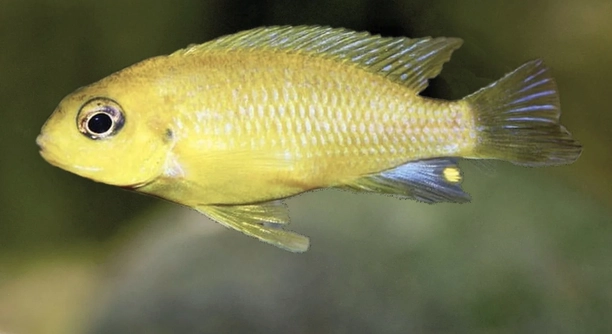
Have you ever set up a colorful aquarium and wondered how your fish would interact with one another? Electric yellow cichlids are striking, active fish that often catch attention for their bright appearance.
Electric yellow cichlids can live with other cichlids, but careful selection is required. They thrive best with species of similar size and temperament, as aggressive or territorial cichlids can cause stress, injuries, or even death.
Managing a peaceful community tank requires planning and observation to maintain harmony. Small adjustments in tank setup and fish selection can make a significant difference in their wellbeing.
Understanding Electric Yellow Cichlid Behavior
Electric yellow cichlids are generally active and social, but they have a clear hierarchy. They can show aggression when defending territory or during feeding. In a tank, dominant fish may chase or nip at smaller or less assertive cichlids. Providing ample hiding spots with rocks, caves, or plants can reduce stress and prevent injuries. Observing body language, such as flaring fins or color changes, helps identify tension before conflicts escalate. Choosing tank mates that are similarly sized and non-aggressive is essential. Overcrowding increases aggression, while keeping fewer fish allows space for each to establish a comfortable territory. Maintaining proper water conditions is also key, as stress from poor water quality can intensify aggressive behavior. A balanced diet with high-quality flakes, pellets, or occasional live food ensures they remain healthy and less prone to fighting over resources. Small adjustments in tank layout can create harmony and reduce disputes.
Monitoring their interactions daily helps maintain a peaceful tank environment and ensures all fish remain healthy and active.
Planning the tank setup requires considering rock placement, open swimming areas, and shaded zones. Electric yellow cichlids appreciate structured environments where they can explore without constant confrontation. Careful attention to fish numbers, size, and temperament ensures coexistence and a vibrant aquarium display.
Choosing Compatible Tank Mates
Electric yellow cichlids do best with similar-sized, semi-aggressive cichlids or peaceful species that occupy different tank levels.
Tank mates like certain haplochromis or larger peaceful cichlids can coexist without constant conflict. Avoid pairing them with highly aggressive or much smaller cichlids, as this often leads to bullying or stress. When selecting companions, observe their natural behavior and aggression levels. Providing enough space, hiding spots, and feeding areas helps reduce potential fights. Monitor fish after introductions closely to adjust tank arrangements or separate fish if necessary. Proper research and careful selection are essential to maintain balance and prevent injuries or stress-induced illnesses.
Introducing new cichlids requires patience and observation. Gradually acclimating them to the tank, ensuring water parameters match, and offering neutral territories can reduce stress. Electric yellow cichlids may still display territorial behavior, especially during breeding, so providing extra hiding spots or temporary dividers can prevent fights. Choosing fish with complementary behavior patterns minimizes competition for food and space. It is important to monitor tank dynamics continuously, adjusting decorations, adding plants, or rearranging rocks to diffuse tension. Maintaining clean water, regular feeding schedules, and proper tank size supports healthier interactions. Consistent observation allows early detection of aggression or stress, helping maintain a peaceful community tank. Over time, careful planning and attentive management allow electric yellow cichlids to coexist successfully with compatible species while displaying their vibrant colors and active behavior.
Tank Setup for Harmony
Providing hiding spots and clear territories reduces aggression among electric yellow cichlids. Rocks, caves, and plants help fish feel secure while allowing open swimming areas for exercise and display of natural behaviors. Proper spacing prevents constant chasing and stress.
Arranging the tank carefully is essential to prevent conflict. Group rocks and decorations to create separate zones that fish can claim as their own. Open spaces allow weaker or new fish to escape dominant ones, reducing injuries. Plants and driftwood provide natural cover while also adding visual interest. Substrate type and depth can influence digging behavior, so using sand or smooth gravel is ideal. Avoid overcrowding by following proper stocking guidelines, giving each fish enough space to establish territory without feeling threatened. Adjustments over time may be necessary as fish grow or hierarchy changes. Observing fish behavior regularly ensures the setup continues to support peaceful coexistence and encourages natural activity.
Lighting and temperature management also play a role in reducing stress. Consistent water parameters, proper filtration, and moderate lighting prevent sudden changes that could trigger aggression. Adding floating plants or shaded areas can soften light intensity, making the tank feel more natural. Feeding multiple times a day in different locations reduces competition for food, giving all fish a fair chance to eat. Water flow should mimic their natural environment, not creating strong currents that tire or stress the fish. Regular maintenance, such as partial water changes and cleaning, keeps the environment stable. A well-organized tank helps electric yellow cichlids live together peacefully while displaying their vibrant colors.
Feeding and Nutrition
Electric yellow cichlids need a varied diet to stay healthy and maintain bright colors. High-quality flakes or pellets should form the base of their meals.
Supplementing their diet with occasional live or frozen foods adds protein and encourages natural hunting behavior. Vegetables like spinach or peas support digestion and provide essential nutrients. Feed small amounts multiple times daily to prevent overfeeding and reduce aggression at mealtimes. Observing fish during feeding helps identify dominant individuals who may monopolize food, allowing adjustments in distribution. Ensuring all fish have access to food promotes growth, reduces stress, and maintains a balanced community. Consistency in feeding schedules also supports stable behavior and overall health.
Proper portion control and food type influence behavior and tank harmony. Overfeeding can lead to water quality issues, which increase aggression and disease risk. Choosing food with balanced nutrients enhances color intensity and strengthens immune systems. Rotating protein sources prevents nutritional deficiencies while keeping fish interested in their meals. Some cichlids may require occasional supplementation with vitamins or minerals for optimal health. Avoid feeding solely plant-based or low-quality food, as this can cause malnutrition and weaken the hierarchy. Keeping feeding areas separate, or spreading food throughout the tank, reduces competition and allows shy fish to eat safely. Consistent monitoring ensures each fish receives adequate nutrition while supporting a peaceful aquarium environment.
Monitoring Aggression
Watching interactions daily helps spot early signs of aggression. Chasing, nipping, or hiding indicate stress and may require adjustments in tank setup or fish selection.
Separating overly aggressive individuals temporarily can prevent injuries. Observing body language and responding quickly maintains a balanced and safe environment for all cichlids.
Breeding Considerations
Electric yellow cichlids become territorial when breeding. Males may guard nests aggressively, and females often stay close to eggs or fry. Providing separate breeding areas or dividers prevents fights and protects young fish. Observing behavior closely ensures both parents and offspring remain safe.
Water Quality Maintenance
Stable water conditions are essential for reducing stress and aggression. Consistent temperature, pH, and filtration prevent illness and support healthy interactions among tank mates.
Tank Size Recommendations
A spacious tank reduces competition and allows each cichlid to establish territory comfortably. Larger tanks help maintain peace and encourage natural behavior among multiple cichlid species.
FAQ
Can electric yellow cichlids live with aggressive cichlids?
Electric yellow cichlids can coexist with semi-aggressive species, but highly aggressive cichlids usually cause stress or injuries. Selecting species of similar size and temperament reduces the risk of conflict. Monitoring fish behavior closely helps determine whether the combination is sustainable in your tank.
What is the ideal tank size for multiple cichlids?
A tank of at least 55 gallons is recommended for a small group of electric yellow cichlids and compatible species. Larger tanks provide space for territories, reduce aggression, and allow for proper hiding spots and swimming areas, which are essential for maintaining peace.
How many electric yellow cichlids should I keep together?
Keeping at least six or more together helps spread out aggression and establishes a natural hierarchy. Smaller groups can result in one dominant fish targeting others, increasing stress and potential injuries. Proper group size also encourages social behavior and activity.
What tank mates are best for electric yellow cichlids?
Semi-aggressive cichlids of similar size work best, including certain haplochromis species or peaceful larger cichlids. Avoid tiny or overly aggressive fish. Species that occupy different areas of the tank reduce competition and create a balanced community.
How do I reduce aggression in a community tank?
Adding rocks, caves, and plants creates multiple territories. Overcrowding should be avoided, and hiding spots should be distributed evenly. Feeding multiple times in different areas prevents fights over food. Regular observation allows early intervention if conflicts arise.
What is the best diet for electric yellow cichlids?
A base of high-quality flakes or pellets, supplemented with occasional live or frozen foods, provides balanced nutrition. Vegetables like peas or spinach support digestion. Feeding small amounts multiple times daily reduces competition and ensures all fish get enough food.
How do I manage breeding behavior?
Breeding pairs become highly territorial. Providing separate breeding areas or temporary dividers protects eggs and fry from aggressive tank mates. Observing parents during this time prevents injuries and ensures the safety of young fish.
Can water quality affect aggression?
Yes, poor water conditions increase stress and aggression. Maintaining stable temperature, pH, and filtration is crucial. Regular water changes and monitoring prevent illness and create a calmer environment for multiple cichlids.
What are signs that tank mates are not compatible?
Signs include constant chasing, fin nipping, hiding, or color fading. If these behaviors persist despite hiding spots and proper feeding, it may be necessary to separate fish or reconsider species selection. Early intervention prevents serious injuries.
How do I introduce new fish to an existing tank?
Quarantine new fish first to prevent disease spread. Introduce them slowly, providing neutral territory if possible. Monitor interactions closely, adjusting decorations or adding temporary dividers to reduce immediate conflicts. Gradual introduction supports smoother integration and minimizes stress for all fish.
Can electric yellow cichlids coexist with non-cichlid species?
Yes, some larger, peaceful fish that occupy different tank levels can coexist. Avoid small, slow-moving, or delicate fish that could be harassed. Careful observation and providing enough space and hiding spots allow different species to thrive together.
How often should I check fish behavior?
Daily observation is recommended. Checking for signs of aggression, stress, or illness ensures early intervention. Noticing subtle changes, like chasing frequency or hiding, helps maintain a stable and peaceful tank environment.
Is tank decoration important for harmony?
Yes, proper rock placement, caves, and plants help establish territories and provide refuge. Rearranging decorations occasionally can prevent stagnation and reduce aggression by breaking up established dominance zones.
Do feeding practices affect tank peace?
Feeding in multiple locations and spreading food throughout the tank reduces competition. Consistent schedules and portion control ensure all fish eat, lowering aggression and promoting overall health.
Can electric yellow cichlids adapt to new tank mates over time?
They can adapt if the new fish are compatible and the tank provides enough space and hiding spots. Gradual introduction and monitoring behavior allow time for fish to establish a stable hierarchy and coexist peacefully.
How do I know if my tank is balanced?
A balanced tank shows minimal chasing, stress-free swimming, and all fish eating properly. Colors remain bright, and fish interact without constant aggression. Observing these behaviors indicates a stable, healthy community setup.
How do I prevent bullying in the tank?
Ensure proper group sizes, ample hiding spots, and enough swimming space. Introduce new fish carefully and maintain regular feeding routines. Separating overly dominant fish temporarily can prevent long-term stress and injuries.
Can electric yellow cichlids live with smaller cichlids?
Generally, smaller cichlids are at risk of being bullied or injured. It’s safer to keep similar-sized fish together. If mixing sizes, ensure plenty of hiding spots and observe closely to prevent harm.
What adjustments help during aggressive periods?
Adding temporary dividers, rearranging rocks, or increasing hiding spaces helps diffuse tension. Feeding more frequently and spreading food reduces competition. Observing fish closely during these periods ensures that aggressive behavior doesn’t escalate.
Are electric yellow cichlids compatible with other African cichlids?
Yes, but compatibility depends on size, temperament, and territory needs. Selecting semi-aggressive species and maintaining proper tank structure allows multiple African cichlids to coexist successfully without constant conflict.
What should I do if aggression persists?
Persistent aggression may require separating fish, adjusting tank size, or changing species selection. Continuous observation ensures all fish remain safe, healthy, and stress-free. Proper intervention is necessary to maintain a balanced and harmonious tank.
Electric yellow cichlids are vibrant, active fish that can make a striking addition to a well-planned aquarium. Their bright colors and social behavior make them appealing, but careful attention is needed to maintain harmony with other cichlids. These fish can live with certain species, but compatibility depends on size, temperament, and tank setup. Providing adequate space, hiding spots, and clear territories reduces conflict and allows each fish to establish its own area. Observing fish behavior regularly is essential, as aggression can appear suddenly, especially during feeding or breeding. By understanding their natural instincts and needs, you can create a balanced environment where electric yellow cichlids thrive alongside compatible tank mates without unnecessary stress or injuries.
Maintaining proper water quality is just as important as choosing the right tank mates. Electric yellow cichlids are sensitive to changes in temperature, pH, and overall water conditions. Stable water parameters reduce stress, which in turn lowers the risk of aggressive behavior. Regular water changes, efficient filtration, and monitoring of key water metrics support healthy fish and a peaceful tank environment. Feeding practices also play a significant role. Providing a balanced diet, spreading food throughout the tank, and feeding multiple small portions each day ensures that all fish have access to nutrition. Overfeeding or uneven distribution can trigger competition and tension. By combining good nutrition with a structured and spacious tank setup, it becomes easier to maintain a calm and active community of cichlids.
Planning and observation are ongoing processes when keeping electric yellow cichlids with other species. Even if initial introductions go smoothly, changes in the social hierarchy or the growth of the fish can alter dynamics over time. Adjustments to tank decorations, additional hiding spaces, or temporary separation may be needed to maintain harmony. Breeding periods require particular attention, as territorial behavior increases significantly. Being proactive and responsive to these changes allows for a stable and enjoyable aquarium. When approached thoughtfully, electric yellow cichlids can coexist peacefully with the right tank mates, creating a vibrant and engaging aquatic environment. Paying attention to behavior, nutrition, and water quality ensures long-term health and reduces conflict, making it possible to enjoy the full beauty of these striking cichlids without constant worry or stress.

Hello,
If you enjoy the content that we create, please consider saying a "Thank You!" by leaving a tip.
Every little bit helps us continue crafting quality advice that supports the health, happiness, and well-being of pets around the world, for pets of all shapes, sizes, and species.
We really appreciate the kindness and support that you show us!